
Townhouse HOA Coverage: What’s Included and What’s Not
Published on: April 17, 2026 | Last Updated: April 17, 2026
Written By: Brandon Chatham
A townhouse HOA typically covers maintenance and repair of shared structures and common areas, including exterior walls, roofs, landscaping, and community amenities. Your responsibility usually stops at the interior walls of your unit, creating a clear division of upkeep duties.
You might wonder what exactly falls under your own financial responsibility. The HOA’s master insurance policy and your individual policy create a distinct line. You are almost always responsible for everything inside your unit-from drywall and flooring to kitchen appliances and personal property. Think of it as the HOA handling the “shell” of the community while you maintain your personal living space.
Understanding this division is crucial for budgeting and avoiding surprise repair bills. This guide breaks down exactly what your fees pay for and, just as importantly, what they don’t. We’ll explore common areas of confusion, explain how to interpret your governing documents, and provide practical tips for navigating your HOA relationship effectively.
Understanding the Basics of Townhouse HOA Coverage
The core principle of a townhouse HOA is collective responsibility for shared property. Your monthly or annual dues fund a communal pot of money used to maintain, repair, and improve everything the community owns together. Think of it as a group investment in your neighborhood’s long-term value and quality of life.
Coverage is almost always defined by the “walls-out” or “studs-out” rule. This general guideline means the HOA is responsible for the building’s exterior shell and shared spaces, while you are responsible for everything inside your private unit. Your specific governing documents, the Covenants, Conditions, and Restrictions (CC&Rs), will provide the final, definitive word.
What Your HOA Dues Typically Pay For: A Detailed Breakdown
Your HOA fees are an investment in your property and community. Knowing where your money goes helps you see the value beyond just a monthly bill. If you’re considering challenging your HOA, understanding exactly what the fees cover is your first step. Here’s a detailed look at the most common expenses covered by your dues. For more information, check out this article on the best anchor text: what the fees cover.
Exterior and Structural Maintenance Responsibilities
The HOA handles the major structural components of the buildings. This protection spares you from massive, unpredictable repair bills for the building’s core structure. You are not alone if the roof starts leaking or the siding is damaged in a storm.
- Roofs: Repair and full replacement when needed.
- Siding and Paint: Maintenance and periodic repainting of exterior walls.
- Foundations: Structural repairs to the building’s base.
- Windows and Doors: The external frames and glass, though interior screens or treatments are often your responsibility.
- Gutters and Downspouts: Cleaning and repair to ensure proper water drainage.
Common Area and Amenity Upkeep
These are the spaces and features that make your community a neighborhood. Your dues ensure these areas remain clean, safe, and enjoyable for all residents. This shared access is a major perk of townhouse living.
- Landscaping: Lawn mowing, tree trimming, and garden maintenance in all shared yards and green spaces.
- Swimming Pools and Clubhouses: Cleaning, maintenance, utilities, and insurance for these amenities.
- Parking Lots and Driveways: Repaving, striping, and lighting for common parking areas.
- Walkways and Fences: Maintenance of shared pathways and perimeter or partition fences.
- Trash and Recycling Services: Providing and maintaining collection bins or dumpsters.
Common Exclusions: What Your HOA Usually Doesn’t Cover

Understanding what is not covered is just as critical as knowing what is. This knowledge prevents frustrating surprises and helps you budget for your own home’s upkeep. You need a separate homeowner’s insurance policy for these items.
Inside Your Townhouse Walls
Once you step inside your front door, maintenance becomes your primary duty. You are the landlord of your own private space, responsible for all its inner workings. The HOA’s duty typically stops at the interior surface of your external walls.
- Interior Walls and Flooring: Drywall, paint, carpet, hardwood, and tile.
- Kitchen and Bathroom Fixtures: Cabinets, countertops, sinks, and toilets.
- All Appliances: Refrigerator, stove, dishwasher, washer, and dryer.
- Electrical and Plumbing Systems: Outlets, switches, and pipes that serve only your unit.
- HVAC System: Your furnace, air conditioner, and associated ductwork.
Personal Property and Upgrades
Anything you own or install for your personal comfort and style falls to you. Your personal choices and possessions are your financial responsibility to maintain and insure. The HOA focuses on the community’s uniform standards, not individual preferences.
- Personal Belongings: Furniture, clothing, electronics, and other contents.
- Interior Decorations: Any non-structural decorative elements.
- Upgraded Fixtures: If you replace a standard light fixture with a designer chandelier, its upkeep is on you.
- Patio or Deck Furniture: Items you place on an exclusive-use patio or balcony.
- Damage from Internal Issues: A leak from your toilet that ruins your floor is your responsibility to fix.
How Townhouse HOA Coverage Differs from Condo Associations
Many people confuse townhouse and condo associations, but their responsibilities are fundamentally different. The core distinction lies in what you, the owner, legally own and are therefore responsible for maintaining. Understanding this division of labor prevents costly surprises down the road.
Ownership Structure: Land vs. Airspace
A townhouse owner typically holds title to their individual unit and the land it sits on. This often includes a small private yard or patio. Condo ownership is different; you own the interior airspace of your unit, but the building structure and land are common elements owned collectively by all residents.
Maintenance Responsibilities
This ownership model directly dictates maintenance duties. Here’s a clear breakdown:
- Townhouse HOA: Often maintains shared structures like roofs and building siding. You are usually responsible for your own interior systems, windows, and private yard upkeep.
- Condo Association: Typically handles almost all exterior maintenance, including roofs, siding, landscaping, and even major interior systems like plumbing within the walls.
Insurance Complexities
Your insurance needs vary significantly between the two. For a townhouse, you often need a robust homeowner’s policy that covers the interior and your personal liability for the land. In a condo, you need a “walls-in” policy, while the HOA carries a master policy for the building’s structure.
| Responsibility Area | Townhouse HOA | Condo Association |
|---|---|---|
| Roof | Typically Covered | Almost Always Covered |
| Your Unit’s Interior (drywall, fixtures) | Your Responsibility | Your Responsibility |
| Exterior Siding & Paint | Often Covered | Almost Always Covered |
| Private Patio/Yard Maintenance | Your Responsibility | Usually Covered as a Common Area |
| Plumbing & Electrical within Walls | Varies (Check Your Docs) | Usually Covered by the Association |
Financial Responsibilities: Dues, Assessments, and the Reserve Fund

Managing the community’s finances is a primary HOA function. Your monthly dues are the lifeblood that keeps everything running smoothly and protects your property values. Think of your HOA dues as a collective investment in your home’s long-term health and your neighborhood’s appeal. This is the ‘why’ behind your payments: to fund ongoing upkeep and planned improvements. Understanding the purpose helps you see how dues and occasional assessments protect property values and neighborhood quality.
Breaking Down Your Monthly HOA Dues
Your regular payment is not just a single fee. It’s carefully allocated to cover ongoing operational costs. These typically include:
- Landscaping for common areas
- Trash removal and recycling services
- Water and electricity for shared spaces
- Pool maintenance and insurance
- Management company fees
- General liability insurance for the association
The Critical Role of the Reserve Fund
A portion of your dues is funneled into a separate savings account known as the reserve fund. This fund acts as the community’s emergency savings for major repairs and replacements. It’s designed to cover predictable, big-ticket items that occur less frequently.
Well-funded reserves prevent the need for sudden, large special assessments. A healthy reserve fund should cover projected costs for:
- Roof replacement
- Park lot repaving
- Fence and gate repairs
- Pool equipment overhaul
- Exterior painting projects
Understanding Special Assessments
A special assessment is an extra charge levied on all homeowners for an unexpected expense or a major project not fully covered by the reserve fund. While no one likes a surprise bill, a special assessment is a legal tool to ensure necessary work gets done. Common triggers include natural disaster damage, urgent safety repairs, or a previously underfunded reserve.
You have a right to understand why an assessment is needed and to see a detailed breakdown of the costs. The board must typically follow specific procedures outlined in your governing documents before imposing one.
Rules and Restrictions: Living Within the HOA Guidelines
HOAs set rules to keep your community looking great and running smoothly. These guidelines help maintain a consistent aesthetic and prevent issues that could lower your home’s value.
Common Rules You’ll Encounter
Most townhouse HOAs have similar restrictions you need to follow. Understanding these common rules helps you avoid unexpected fines and disputes with neighbors.
- Exterior paint colors and materials must match community standards.
- Parking is limited to designated spots, with rules against RVs or boats.
- Noise levels should stay low during quiet hours, typically evenings and nights.
- Pet policies often restrict breeds, sizes, and require leashes in common areas.
- Landscaping changes need approval to ensure uniformity.
Architectural Controls
Your HOA will review any changes to your home’s exterior. If you’re unsure whether a project needs HOA approval, check the guidelines or ask the HOA. That way you’ll know if you do need HOA approval before you start. Getting approval before starting projects prevents costly corrections later.
You cannot add structures like decks or fences without permission. This process protects the neighborhood’s visual harmony and safety standards.
Behavioral Expectations
HOAs enforce rules about how residents use shared spaces. Following these expectations ensures everyone enjoys a peaceful living environment.
- Keep trash bins stored out of sight except on collection days.
- Use common areas like pools or clubhouses only during posted hours.
- Dispose of waste properly to avoid pest problems.
How to Verify Your Specific HOA’s Coverage
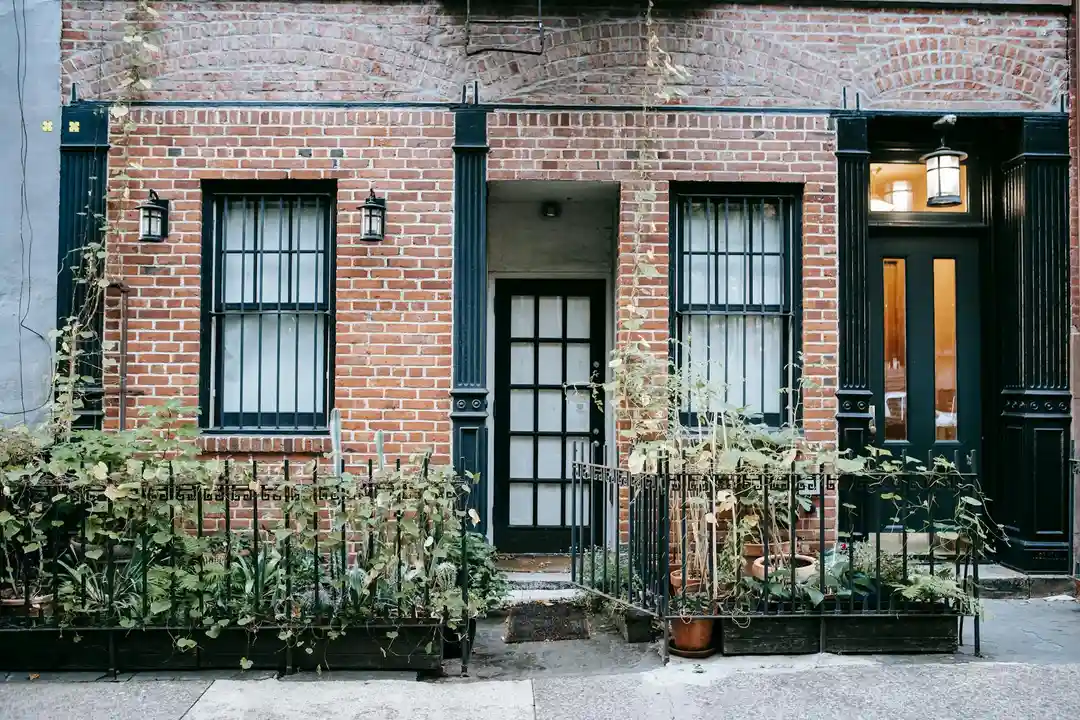
Every HOA is different, so you must check your own documents for exact details. Start by locating your governing documents to see what your HOA specifically covers. If you’re unsure where to look, search for HOA information documents in your community portal or contact the management company. These official documents are the primary source for rules, fees, and procedures.
Step-by-Step Verification Process
- Request a copy of the Covenants, Conditions, and Restrictions from your HOA board.
- Review the bylaws for rules on meetings, voting, and enforcement.
- Examine the budget and reserve study to understand financial coverage.
- Attend an HOA meeting to ask questions directly.
- Consult with a property manager or legal advisor if documents are unclear.
Key Documents to Examine
Your HOA’s coverage is spelled out in several key papers. Focus on the CC&Rs for the most detailed list of covered items and restrictions. In our ultimate guide to HOA rental caps and restrictions, we explain how these rules affect your rental plans. We’ll help you understand caps, eligibility, and enforcement so you can stay compliant.
- CC&Rs outline maintenance responsibilities and architectural rules.
- Bylaws explain how the HOA operates and makes decisions.
- Rules and regulations add specific day-to-day guidelines.
Look for sections on insurance and repairs in these documents. This helps you know if the HOA handles roof replacements or you pay for them yourself.
When to Seek Clarification
If your documents are vague, reach out to your HOA board promptly. Asking questions early can prevent misunderstandings and potential violations. This is part of our complete guide on contacting your HOA board members. For best results, follow the steps in that guide to identify the right contacts and what information to include.
Document all communications for your records. Keeping a paper trail ensures you have proof of what was discussed and agreed upon.
FAQs
Does townhouse HOA coverage include common area liability?
Yes, the HOA’s master policy typically includes liability coverage for injuries that occur in shared spaces like pools, parking lots, and clubhouses. This protects the association as a whole, but you should still carry your own personal liability insurance. You may wonder, “does the HOA master insurance policy cover my unit or personal belongings?” Generally, it covers common areas and liability for the association, not your personal property or interior unit improvements.
Does townhouse HOA coverage cover personal belongings inside my unit?
No, the HOA’s insurance does not extend to your personal property, such as furniture, electronics, or clothing. You are responsible for insuring all of your personal belongings with your own homeowner’s insurance policy. Many HOAs require residents to carry specific insurance, such as a minimum liability limit or an HO-6 policy. Check your HOA documents for the exact requirements.
Does townhouse HOA coverage cover improvements or betterments I made in my unit?
No, any upgrades you make, like custom cabinets or high-end flooring, are not covered by the HOA’s policy. You must purchase additional coverage on your own insurance to protect the value of these improvements.
How does townhouse HOA coverage interact with a homeowners insurance policy?
The two policies work together to provide complete coverage, with the HOA policy typically covering the exterior structure and common areas. Your personal homeowner’s policy is essential to cover everything inside your unit, including personal property, liability, and interior damage. Understanding the difference between the HOA master policy and condo owner insurance helps you know which belongings and spaces are covered by which policy and where gaps might occur. This distinction is key when setting coverage limits and selecting riders for your unit.
Your Quick Guide to HOA Coverage
Your townhouse HOA generally manages shared areas and exterior upkeep, while interior repairs and personal property remain your responsibility. Always review your specific HOA documents and talk to the board to clarify coverage details and prevent surprises.
Further Reading & Sources
- What a Homeowners Association Covers in a Townhouse | HND Realty
- united states – brand new townhouse, confused about HOA insurance – Personal Finance & Money Stack Exchange
- Differences in Condo, Townhouse, and Single-Family Home HOAs
- Insurance For a Townhouse With an HOA: What To Know
Brandon has been on both ends of HOA, as part of it, he has helped build his community in Oregon, while also helping other homeowners deal with typical and atypical issues one might face. He has 8+ years of experience dealing with HOAs himself and on behalf of his friends and family, and he brings his extensive expertise and knowledge to make your HOA interaction seamless and smooth.
Maintenance Responsibilities