Benefits of Joining Your HOA Board
Published on: April 18, 2026 | Last Updated: April 18, 2026
Written By: Brandon Chatham
Joining your HOA board gives you direct influence over your community’s rules, finances, and future, while also providing a unique opportunity to protect your property’s value and build stronger neighborhood connections. You move from simply following policies to actively shaping them, ensuring decisions reflect the community’s best interests.
You might wonder if the time commitment is worth it. Board roles can be surprisingly flexible, with many tasks managed through email and short monthly meetings. Think of it as a strategic investment of a few hours a month to safeguard your largest financial asset-your home. The personal reward of solving problems and improving your neighborhood often far outweighs the time spent.
This article will guide you through the tangible advantages of stepping up. We’ll explore how a board position empowers you to control fee increases, approve major projects, and mediate disputes fairly. You’ll also discover the less obvious personal and professional benefits that come with this leadership role. Let’s dive into the real impact you can make.
Personal and Professional Growth Opportunities
Serving on your HOA board is a powerful incubator for personal and professional development. You gain hands-on leadership experience by guiding community initiatives and steering committee projects. This role pushes you to collaborate with diverse neighbors, expanding your local network significantly. To ensure a smooth leadership transition, engage in succession planning by mentoring future board members and documenting key processes. This helps preserve continuity of initiatives and strengthens the HOA over time.
The skills you develop are highly transferable to your career and personal life. Board service provides resume-worthy experience that demonstrates responsibility and strategic thinking to potential employers. You will find deep personal fulfillment in directly contributing to your neighborhood’s well-being and seeing your efforts improve daily life for your friends and neighbors.
Here are the key transferable skills you will cultivate:
- Conflict Resolution: You will learn to mediate disagreements between homeowners and find common ground.
- Project Management: Overseeing community improvements, from landscaping upgrades to pool renovations, teaches you to manage timelines and budgets.
- Financial Acumen: You become proficient in reading balance sheets and understanding operational budgets.
- Strategic Planning: You help set long-term goals for the community, like major capital improvement plans.
- Effective Communication: You will practice clearly conveying complex information to residents with varying perspectives.
Financial Stewardship and Property Value Protection
The board holds a direct fiduciary responsibility for the association’s financial health. Your oversight ensures that every dollar collected in HOA dues is used wisely and effectively. This involves creating an annual budget that covers all community needs while keeping assessments reasonable. To do that well, focus on creating an effective HOA budget for your community by prioritizing needs and reviewing expenses. Transparent reporting and resident input help ensure the budget stays aligned with the community’s goals.
This financial stewardship is the primary mechanism for protecting your property value. Responsible management directly safeguards property values by ensuring common areas are well-maintained and community assets remain attractive. Neglected facilities and underfunded reserves can cause home values to stagnate or even decline, making your role crucial.
Effective fiduciary duty involves several key steps:
- Review Monthly Financial Reports: Scrutinize income statements and balance sheets to track spending against the budget.
- Plan for Reserves: Commission a reserve study and fund it adequately to pay for future major repairs without special assessments.
- Obtain Competitive Bids: Secure multiple quotes for large contracts to ensure the community gets the best value.
- Audit Expenses: Regularly examine vendor invoices and service contracts for accuracy and cost-effectiveness.
- Transparent Budgeting: Involve the community in the budget process by sharing drafts and explaining major cost drivers.
Enhancing Community Governance and Transparency

As a board member, you become a key player in shaping how your community is governed. You help create and refine policies that keep the neighborhood safe, clean, and harmonious for everyone. This includes fair rule enforcement that respects all residents while maintaining community standards.
Transparency is the cornerstone of trust between the board and the homeowners. Holding open meetings and publishing detailed minutes ensures residents are informed and can hold the board accountable. An informed community is an engaged community, which reduces misunderstandings and conflict. Are HOA board meetings open to the public? In many communities, meetings are open to homeowners and residents with advance notice, though some portions may be closed for executive or legal matters.
You can boost transparency and improve governance through several practical methods:
- Publish meeting agendas online a few days before each board gathering.
- Record and share meeting minutes that detail discussions, not just votes.
- Create a clear and accessible channel for homeowners to submit questions and concerns.
- Provide an annual report that summarizes the board’s accomplishments and financial standing.
- Host occasional “town hall” style meetings for open dialogue on major issues.
Your presence on the board ensures diverse viewpoints are represented in decision-making. You provide a direct line for your neighbors’ voices to be heard, creating a more inclusive and responsive community association. This aligns with 10 proven ideas for building a stronger sense of community in your neighborhood. This fair representation builds a stronger, more united neighborhood where people feel their interests are valued.
Upholding Community Standards and Maintenance
Your primary role on the board is to protect the community’s character and property values. This means actively managing the enforcement of Covenants, Conditions, and Restrictions (CC&Rs) and maintaining all shared spaces. You become a guardian of the neighborhood’s long-term appeal.
Key Areas of Oversight
Board responsibilities touch nearly every shared aspect of the community. Key areas include:
- Landscaping: Overseeing the care of common lawns, trees, and flower beds.
- Structural Repairs: Managing the upkeep of pools, clubhouses, fences, and signage.
- Aesthetic Guidelines: Enforcing rules on house paint colors, fencing styles, and mailbox designs.
- Infrastructure: Ensuring roads, sidewalks, and streetlights are in good repair.
A Collaborative Approach to Enforcement
Enforcing rules doesn’t have to create friction. A thoughtful process builds understanding and cooperation.
- Start with a friendly, informal reminder, often by phone or email, to open a dialogue.
- If the issue continues, send a formal written notice citing the specific rule violation.
- Offer to discuss the situation at a board meeting to hear the homeowner’s perspective.
- As a last resort, and only if outlined in your governing documents, consider imposing fines.
This step-by-step method shows residents you respect them while still upholding the community’s agreed-upon standards. It transforms enforcement from a punishment into a partnership.
Navigating Potential Challenges and Solutions
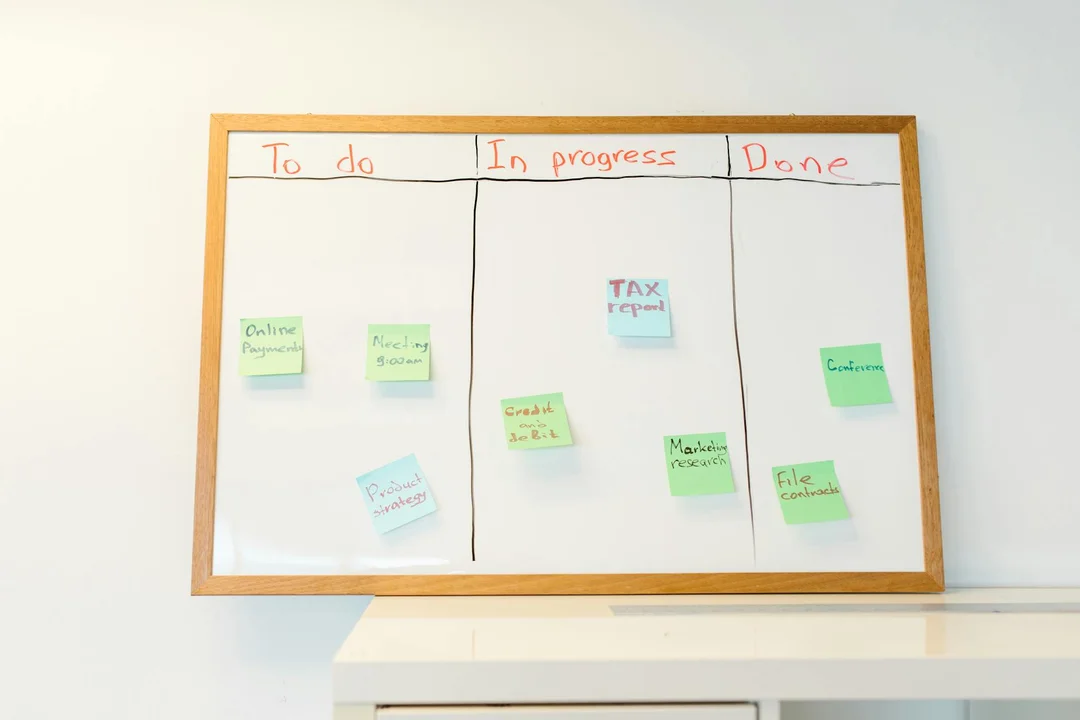
Serving on the board is rewarding, but it comes with real-world hurdles. Knowing these challenges in advance allows you to prepare and serve more effectively without burning out. You can turn potential problems into manageable tasks.
Common Drawbacks for Board Members
- Significant Time Commitment: Meetings, reading documents, and responding to emails can consume several hours a month.
- Interpersonal Conflicts: You may face difficult conversations with neighbors who disagree with board decisions.
- Legal Complexities: Navigating state laws and your governing documents requires careful attention to detail.
- Budgetary Pressure: You are responsible for managing community funds, which can be a source of stress.
Actionable Steps to Mitigate Issues
You are not powerless against these challenges. Proactive strategies make all the difference.
- Set clear expectations for your time by blocking out specific hours each week for HOA work.
- Seek training from your management company or state CAI chapter on effective governance and finance.
- Develop a thick skin and remember that disagreements are usually about the issue, not you personally.
- Lean on your fellow board members; you are a team and should share the workload.
By creating personal boundaries and seeking knowledge, you protect your own well-being while serving the community. This prevents resentment and promotes sustainable leadership.
Understanding Legal Protections
Many new board members worry about personal liability, but protections are in place. Most HOAs carry Directors and Officers (D&O) liability insurance, which protects board members from personal financial loss for decisions made in good faith. To gauge whether your HOA has adequate coverage, use an insurance checklist for board members and verify limits, exclusions, and defense costs. Regular reviews help ensure the policy meets current risks and board responsibilities.
This insurance allows you to operate confidently, knowing you are shielded as long as you act ethically and within the scope of your authority. Always consult your association’s attorney for guidance on complex legal matters. Your role is to make informed, collective decisions, not to be a legal expert.
Getting Involved: Steps to Make an Impact

Taking that first step onto the path of board service can feel daunting, but the process is more accessible than you might think. Your journey from concerned homeowner to active board member starts with simple, consistent engagement. You don’t need to run for a position on day one; building your presence and understanding first is a powerful strategy. Our complete guide on contacting your HOA board members can help. It covers who to reach, what to say, and how to stay engaged.
Your Roadmap to Board Service
- Become a Meeting Regular
Make it a point to attend your HOA’s open meetings consistently. This is your single best source for understanding the community’s current challenges, financial health, and operational dynamics. You’ll learn the meeting protocols, identify the key players, and see the decision-making process in action. Before you go, know that your first HOA meeting is largely about listening, taking notes, and getting comfortable with the flow. Expect introductions, a review of upcoming topics, and how votes and motions are recorded.
- Volunteer for a Committee
Before running for the board, dip your toes in by joining a committee. Serving on the architectural review, social, or landscaping committee provides invaluable hands-on experience with how the HOA functions. It’s a lower-pressure environment to prove your dedication and learn the governing documents. Effective HOA committees are essential for smooth operations and community engagement.
- Declare Your Candidacy
When an election approaches, formally submit your intent to run. Prepare a brief statement outlining your skills, your vision for the community, and why you are a good fit for the role. Be specific about what you hope to accomplish, whether it’s improving communication, tightening the budget, or revitalizing common areas.
Building Support and Advocating Effectively
Your success depends on your connection with your neighbors. Effective advocacy begins long before election day by building genuine relationships and listening more than you speak. Knock on doors, introduce yourself at community events, and create a simple survey to learn what matters most to your fellow residents.
- Focus on Shared Goals: Frame your platform around universal benefits like preserving property values, enhancing community aesthetics, and ensuring fiscal responsibility.
- Communicate Transparently: Be honest about the challenges the community faces and avoid making promises you cannot keep. Transparency builds immediate trust.
- Leverage Your Skills: Highlight your professional or personal expertise, whether in finance, project management, or conflict resolution, as a direct asset to the board.
The Power of Ongoing Engagement
Winning a board seat is not the finish line; it is the starting block for the real work. Sustained, collaborative engagement is the only way to achieve lasting improvements that benefit every homeowner. The most successful board members are those who view their role as a long-term commitment to stewardship.
- Collaborate, Don’t Command: The board is a team. Build consensus by respecting differing opinions and finding common-ground solutions.
- Follow Through on Commitments: If you take on a task, see it through to completion. Your reliability will cement your reputation as an effective leader.
- Keep Communicating: Continue to update residents on board activities and decisions, even when the news is difficult. An informed community is a supportive community.
FAQs
How does serving on an HOA board benefit residents?
Serving on the board allows you to directly shape the community’s future and ensure decisions reflect the collective best interests. This role transforms you from a rule-follower into a proactive community leader.
What financial advantages does an HOA board provide?
The board’s oversight ensures HOA dues are used wisely, preventing wasteful spending and keeping assessments reasonable. This responsible financial stewardship directly protects your property value by maintaining community assets and preventing costly special assessments. Additionally, appraisers and lenders often factor HOA finances and reserve levels into the valuation. This means the HOA’s financial health can influence your property value appraisal.
In what ways does an HOA board impact property values?
A proactive board enforces community standards and maintains common areas, which preserves the neighborhood’s curb appeal and desirability. Well-maintained facilities and consistent rule enforcement are key factors in preventing property value stagnation.
What skills are valuable for HOA board members?
Skills like conflict resolution, project management, and financial acumen are highly valuable for effective board service. These transferable skills not only benefit the community but also enhance your personal and professional development.
Your Voice Matters on the HOA Board
Stepping onto your HOA board gives you a direct role in crafting policies that protect your home and foster a vibrant community. Like any leadership role, it comes with both benefits and trade-offs. Weighing the pros and cons—time commitment, responsibilities, and potential conflicts—can help you decide if it’s right for you. Embrace this chance to drive positive change and secure a better living environment for you and your neighbors.
Further Reading & Sources
- r/HOA on Reddit: Does HOA board members get perks?
- What Makes a Great HOA Board Member?
- Benefits of Joining Your HOA Board | TownSq | TownSq
- Q&A: Do HOA Board Members Get Paid?
Brandon has been on both ends of HOA, as part of it, he has helped build his community in Oregon, while also helping other homeowners deal with typical and atypical issues one might face. He has 8+ years of experience dealing with HOAs himself and on behalf of his friends and family, and he brings his extensive expertise and knowledge to make your HOA interaction seamless and smooth.
Board of Directors