
HOA Election Rules and Procedures: Your Guide to Community Voting
HOA election rules and procedures are the specific guidelines your community association follows to conduct fair and legal votes for board members and other important decisions. These rules ensure every homeowner’s voice is heard and that the election process is transparent and consistent.
A common follow-up question is what happens if these rules are not followed correctly. Ignoring or improperly applying HOA election procedures can lead to disputed results, legal challenges, and a loss of trust within the community. That is why knowing the rules inside and out protects your vote and your neighborhood’s harmony.
This article will walk you through the entire voting process, from nomination to ballot counting. You will learn how to confirm your eligibility, understand different voting methods, and know what to do if you suspect an error. Gaining this knowledge empowers you to participate confidently and hold your HOA accountable.
What Are HOA Election Rules and Why Do They Matter?
HOA election rules are the official procedures that govern how your community selects its board of directors. These rules create a structured and democratic process for choosing the volunteers who will manage your community’s finances, maintenance, and overall well-being. They are typically found in your association’s governing documents, like the bylaws. This topic also invites comparison: electing board members versus appointing them in HOA selection processes. Understanding the trade-offs between elections and appointments can help residents evaluate accountability and governance.
A clear set of election rules protects every homeowner’s right to a voice in their community’s future. By establishing a fair and transparent framework, these rules build trust in the election outcome and help prevent disputes among neighbors. They ensure that the process is predictable and consistent from year to year.
While specific rules vary, most HOA election procedures include several common components.
- Eligibility Requirements: Defining who can vote and who can run for a board position.
- Nomination Procedures: Outlining how candidates officially enter the election.
- Voting Methods: Detailing acceptable ways to cast a ballot, such as by mail, online, or in person.
- Election Timelines: Setting key dates for nominations, voting, and the final vote count.
Who Can Vote and Run in Your HOA Election?
Voter eligibility is usually straightforward but strictly enforced. To cast a vote in most HOA elections, you must be the titled owner of the property and be in good financial standing with the association. This typically means your regular dues and any special assessments must be paid up to date. Some HOAs also permit proxy votes, but how well proxy voting works depends on the HOA’s rules. The details—who can hold a proxy, how to submit it, and how it counts—vary widely.
Running for a board seat often involves a few more requirements. Candidate qualifications frequently include being the primary resident of the home, meaning you live in the community full-time. Some associations also require candidates to disclose any potential conflicts of interest, like owning a landscaping company that might bid on HOA contracts. Additionally, board members have legal responsibilities to homeowners, including fiduciary duties and compliance with governing documents and applicable laws. This context helps voters understand the legal obligations a candidate would assume.
Understanding common restrictions is key to a smooth election process.
- Fee Compliance: Homeowners with overdue fees are almost always ineligible to vote or run for the board.
- One Vote Per Unit: Regardless of how many people own the property, the unit itself typically gets one vote.
- Renter Restrictions: Tenants are generally not allowed to vote or serve on the board unless specified otherwise.
- Verification Process: The property manager or election committee will verify eligibility against ownership records and payment histories before the election.
The Nomination Process: How Candidates Enter the Race

- The board or property manager will announce the open positions and set a nomination deadline. This information is sent via official channels like a community newsletter, email blast, or posted notices.
- Homeowners submit their intent to run, often by completing a nomination form. This form may ask for a brief biography and require a signature confirming they understand the responsibilities of the role.
- The association may host a “meet the candidates” event or publish candidate statements. This gives everyone a chance to learn about the people running for office before casting their vote.
- Campaigning guidelines are provided to ensure a fair and respectful process. Rules often limit spending, prohibit defamatory statements, and outline where campaign signs can be placed.
- All candidates must adhere to conflict-of-interest rules. They are expected to act for the community’s benefit, not for personal financial gain.
Voting Methods and Ballot Procedures Explained
Your association likely offers several ways for you to cast your vote. Each method has distinct advantages and procedural requirements you should understand.
Comparing Your Voting Options
Here is a breakdown of the common voting methods used in HOA elections.
| Method | How It Works | Best For |
|---|---|---|
| In-Person | You attend a physical meeting and cast your ballot on-site. | Homeowners who want to hear candidate discussions and ask questions before voting. |
| Mail-In Ballot | A paper ballot is sent to you, which you complete and return by a set deadline. | Those who cannot attend meetings but prefer a physical, paper trail. |
| Proxy Voting | You authorize another person (your “proxy”) to vote on your behalf at the meeting. | Homeowners who are unavailable but have a trusted neighbor to represent their interests. |
| Electronic Voting | You cast your vote securely through an online portal or email system. | Communities seeking higher participation with a fast, convenient, and trackable method. |
| Absentee Ballot | Similar to mail-in, this is specifically for owners who will be absent from the community. | Snowbirds, military personnel, or those with extended travel plans. |
Your governing documents will specify which of these methods are officially permitted in your community.
Secret Ballot Requirements and Integrity
A secret ballot ensures your voting privacy and prevents any potential coercion. The goal is to separate your identity from your vote entirely during the counting process.
- Ballots should not have any identifying marks, names, or unit numbers.
- They are often placed into a sealed envelope, which is then placed into a second, outer envelope where you do sign your name.
- An election inspector or committee verifies your eligibility from the outer envelope signature before discarding it and mixing the inner, anonymous ballot with others.
This two-envelope system is a standard practice for maintaining both eligibility verification and voter anonymity.
State-Specific Nuances: California’s Secret Ballot Rules
California’s Davis-Stirling Act sets a high bar for election privacy. In California, HOAs must use a double-envelope secret ballot system for most director elections. The inner envelope containing the vote remains completely unmarked. Your name and signature go only on the outer envelope. An independent inspector of elections handles the entire process, ensuring no board member knows how any individual voted. This rule is a powerful protection for homeowner privacy.
Key Election Timelines, Quorum, and Certification
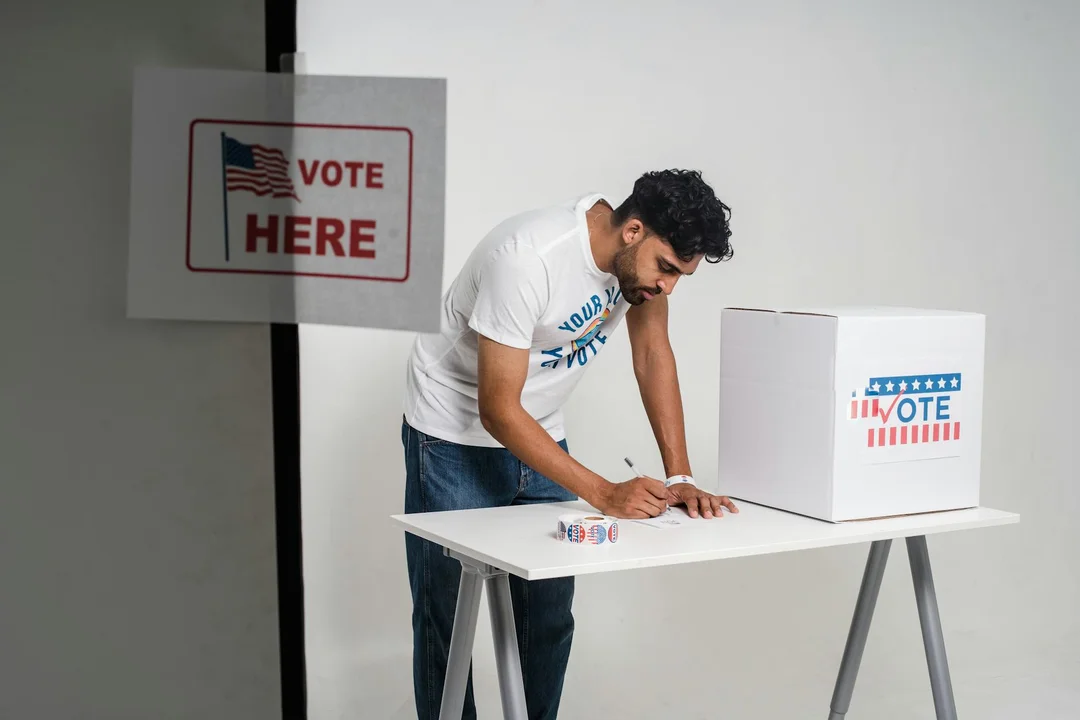
A successful election follows a clear and transparent timeline from start to finish. Missing a single deadline can jeopardize the entire election’s validity.
-
Outline Critical Deadlines
The entire process is bound by strict timeframes. You should receive a formal notice of the election and the candidates’ names well in advance of the meeting. This notice period is often mandated by your bylaws or state law, typically ranging from 30 to 90 days before the election. The deadline for returning ballots is also clearly stated and is non-negotiable. Ballots received after the deadline are not counted.
-
Define Quorum and Its Impact
Quorum is the minimum number of votes, either by number of owners or by voting power, that must be cast for the election to be valid. If quorum is not met, the election cannot proceed, and the meeting is typically adjourned to a future date. Your governing documents define what constitutes a quorum for your HOA, which is often a simple majority or one-third of the total voting power. Low turnout is the most common reason an election fails to achieve quorum, and understanding what a quorum is and why it’s important can help you navigate these situations.
-
Describe Vote Counting and Certification
Once the voting deadline passes and quorum is confirmed, the counting begins. An independent election committee or hired inspector typically counts the votes in an open meeting to ensure transparency. The results are then tallied and announced to the membership, either immediately at a meeting or via an official communication shortly thereafter. The final step is the formal certification of the results, which is documented in the official minutes of the election meeting, creating a permanent record.
Handling Election Disputes and Ensuring Fair Outcomes
Even the most well-run elections can face challenges. Knowing how to properly address a dispute protects the integrity of your entire community. A formal, written procedure for handling complaints is your HOA’s first and best defense against election chaos. Understanding the HOA dispute resolution steps helps you address issues efficiently, from filing a complaint to mediation and a final ruling. These steps provide a clear, fair path for resolving concerns and restoring trust in elections.
Procedures for Recounts and Challenging Results
If you believe the election results are inaccurate, you must act quickly. Most governing documents require a formal challenge within a specific timeframe.
- Submit a written challenge to the board or election committee, detailing the specific alleged violation.
- Common grounds for a challenge include ineligible voters casting ballots, improper ballot counting, or failure to follow noticed procedures.
- The board will typically investigate the claim and may order a recount or even a new election if a significant error is found.
Always document everything, from the initial complaint to the board’s final decision, to create a clear record.
Addressing Conflicts of Interest
Conflicts of interest can severely undermine trust in the election process. Board members and election committee volunteers must be impartial.
- Any individual directly involved in running the election should recuse themselves if they are a candidate or are related to a candidate.
- They should also avoid any situation where they could influence the outcome for personal gain.
- Transparency is key; any potential conflicts should be disclosed to the community before ballots are distributed.
A clear recusal policy prevents the appearance of favoritism and maintains the election’s legitimacy.
Homeowner Rights and Legal Recourse
When internal dispute procedures fail, homeowners have other options. Your rights are often protected by state law and your own governing documents, especially in cases where homeowners disagree in a self-managed HOA.
- You can request a copy of the election rules and all related records, including ballots and tally sheets, as part of your investigation.
- If the HOA refuses to address a valid complaint, you may be able to file a complaint with your state’s real estate commission or department.
- As a last resort, homeowners can pursue mediation or litigation, though this can be costly and time-consuming for everyone involved.
Understanding your rights empowers you to hold the board accountable and ensure a fair outcome for all members.
State-Specific HOA Election Rules at a Glance

HOA election laws are not one-size-fits-all. Your community’s process must comply with the specific statutes of your state. Ignoring your state’s requirements can invalidate an election and lead to legal penalties for the association. Are legal powers limited for HOAs? The scope of an HOA’s authority is defined by state law and the governing documents and must be followed in all elections.
How Election Rules Vary by State
States like California, Florida, and Texas have detailed laws that HOAs must follow. Here’s a quick look at the differences. With recent changes in Florida and Texas HOA laws, new regulations are shaping governance and homeowner rights.
| State | Key Election Rule Highlights |
|---|---|
| California | Strict ballot secret procedures, mandatory candidate forums, and specific timelines for vote counting and announcing results. |
| Florida | Requires an independent committee to oversee elections, mandates specific ballot content, and allows for recalls with a much lower homeowner vote threshold. |
| Texas | Focuses on open meetings and record access, with rules for write-in candidates and the handling of election-related disputes. |
These examples show why a practice common in one state could be a violation in another.
Common State Requirements
Despite the variations, many states share common requirements that form the backbone of a fair election.
- Notices: Most states require a detailed meeting notice sent to all homeowners a specific number of days before the election.
- Ballots: State laws often dictate what information must be on the ballot and require a secret voting process.
- Timelines: Strict deadlines are common for everything from announcing the election and nominating candidates to counting votes and announcing winners.
Following these fundamental steps helps ensure your HOA’s election will stand up to any legal scrutiny. If you’re aiming to become a board member, complete the full election process—from nominations to ballots. This approach ensures eligibility and readiness to serve on the board.
Checking Local Statutes for Compliance
Your HOA’s governing documents are the first place to look, but they cannot override state law.
- Review your state’s nonprofit corporation act and planned community or condominium act for the specific election statutes that apply to you.
- When in doubt, consult with an attorney who specializes in community association law.
- Many state HOA statutes are available for free on government websites, making them accessible for board members and homeowners.
Proactive compliance is always cheaper and easier than fixing an invalidated election after the fact.
Common Questions
What are HOA election rules in California?
HOA election rules in California are primarily governed by the Davis-Stirling Act, which mandates strict procedures for fairness and transparency. These rules famously require a double-envelope secret ballot system and often the appointment of an independent inspector of elections to oversee the entire process.
What are HOA election rules in Florida?
In Florida, HOA election rules are detailed in Chapter 720 of the Florida Statutes, the Homeowners’ Association Act. A key requirement is that elections must be conducted by an independent committee of volunteers who are not board members or candidates, ensuring an impartial count. These rules are part of the broader set of HOA bylaws and governing documents that associations must adhere to.
What are Arizona HOA election rules?
Arizona HOA election rules are established under the Arizona Planned Communities Act, which sets forth requirements for candidate eligibility, voting procedures, and ballot counting. The law requires associations to provide advance notice of meetings and allows for voting by secret ballot unless the bylaws specify otherwise.
What are NJ HOA election rules?
New Jersey’s HOA election rules are guided by The Planned Real Estate Development Full Disclosure Act (PREDFDA), which outlines standards for fair and open elections. These rules ensure homeowners have the right to a secret ballot and that all election materials and results are made part of the association’s official records.
Making Your Vote Count in HOA Elections
Get to know your governing documents and election timeline to participate effectively. Your informed vote is the cornerstone of a community that truly represents your interests and values.
Further Reading & Sources
- What is the HOA Election Process?
- HOA Election Rules, Electronic Voting & Uncontested Elections
- Common HOA Voting Rules You Need to Understand – Condo Control
- HOA Election Rules: A Comprehensive Guide | ManageCasa
Brandon has been on both ends of HOA, as part of it, he has helped build his community in Oregon, while also helping other homeowners deal with typical and atypical issues one might face. He has 8+ years of experience dealing with HOAs himself and on behalf of his friends and family, and he brings his extensive expertise and knowledge to make your HOA interaction seamless and smooth.
Voting Rights