
Best Practices for HOA Financial Reporting and Transparency
Published on: May 1, 2026 | Last Updated: May 1, 2026
Written By: Brandon Chatham
The best practices for HOA financial reporting and transparency center on providing regular, easy-to-understand financial statements, conducting independent audits, and maintaining open communication with all homeowners. This framework ensures proper fund management and builds trust in your community’s financial health.
You might ask, what happens if an HOA lacks transparency? Without clear financial practices, misunderstandings can arise, leading to disputes and eroding homeowner confidence. Transparency helps prevent misuse of funds and ensures everyone understands how their dues are spent.
This article guides you through practical steps to achieve financial clarity in your HOA. You will find specific methods for creating reports, tips for effective audits, and strategies to keep homeowners informed. Reading further will equip you with tools to foster accountability and peace of mind in your community’s finances.
Why HOA Financial Reporting and Transparency Matter
Clear financial practices are the bedrock of a stable and trustworthy community association. Proper reporting transforms complex numbers into a clear story about your community’s financial health. When boards operate openly, they build a foundation of credibility that benefits everyone.
- Accountability: Homeowners have a right to know how their money is being spent. Transparent reporting holds the board accountable for every dollar collected.
- Fraud Prevention: Consistent and detailed financial reviews create a system of checks and balances. This makes it extremely difficult for funds to be misappropriated without detection.
- Informed Decision-Making: Boards need accurate data to plan for large projects or adjust monthly fees. Homeowners use this information to understand the value they receive.
- Fulfilling Fiduciary Duties: Board members have a legal responsibility to act in the association’s best financial interest. Transparent reporting is the primary way to demonstrate this duty is being met.
Transparency directly builds trust with homeowners and supports property values. When you’re researching a property, decoding the HOA budget is a crucial part of a homebuyer’s guide to finding financial red flags. This helps buyers spot hidden costs and ensure long-term affordability. A financially sound HOA is a major selling point that attracts responsible buyers and maintains neighborhood appeal. Conversely, secretive financial management breeds suspicion and can lead to conflict.
Real-world problems from poor practices are unfortunately common. We’ve seen associations suddenly levy massive special assessments because no one was monitoring the reserve fund. Others have faced embezzlement scandals where a single individual controlled all finances without oversight. These situations almost always stem from a lack of basic financial transparency and can devastate a community’s finances and morale.
Essential HOA Financial Documents for Clear Reporting
A complete financial picture is built from several key documents. Each document serves a unique purpose, and together they provide a 360-degree view of your HOA’s monetary status. Reading these reports regularly lets you gauge stability and spot trends over time. You should become familiar with these core reports.
- Annual Budget: This is your financial blueprint for the year. It projects all anticipated income from dues and other sources, and it details all expected operating expenses.
- Financial Statements: These include the Balance Sheet (showing assets, liabilities, and net worth at a specific date) and the Income/Expense Statement (tracking revenue and costs over a period).
- General Ledger: Think of this as the detailed diary of every single financial transaction. It supports the figures in your financial statements.
- Reserve Fund Report: This critical document outlines the health of your savings for major long-term repairs, like roofs, roads, and pools.
These documents are deeply interconnected. The budget guides spending, the general ledger records it, and the financial statements summarize the results. The reserve fund report ensures your long-term planning aligns with your current financial reality. An annual audit, conducted by an independent CPA, provides a professional verification of all these records.
A reserve study is another vital planning tool. It is a professional assessment that forecasts the remaining useful life of major components and calculates the funding needed to repair or replace them. HOA reserve studies should be conducted regularly, typically every 3-5 years. Regular reserve studies prevent financial emergencies and are a hallmark of a well-managed HOA.
Step-by-Step HOA Financial Reporting Process
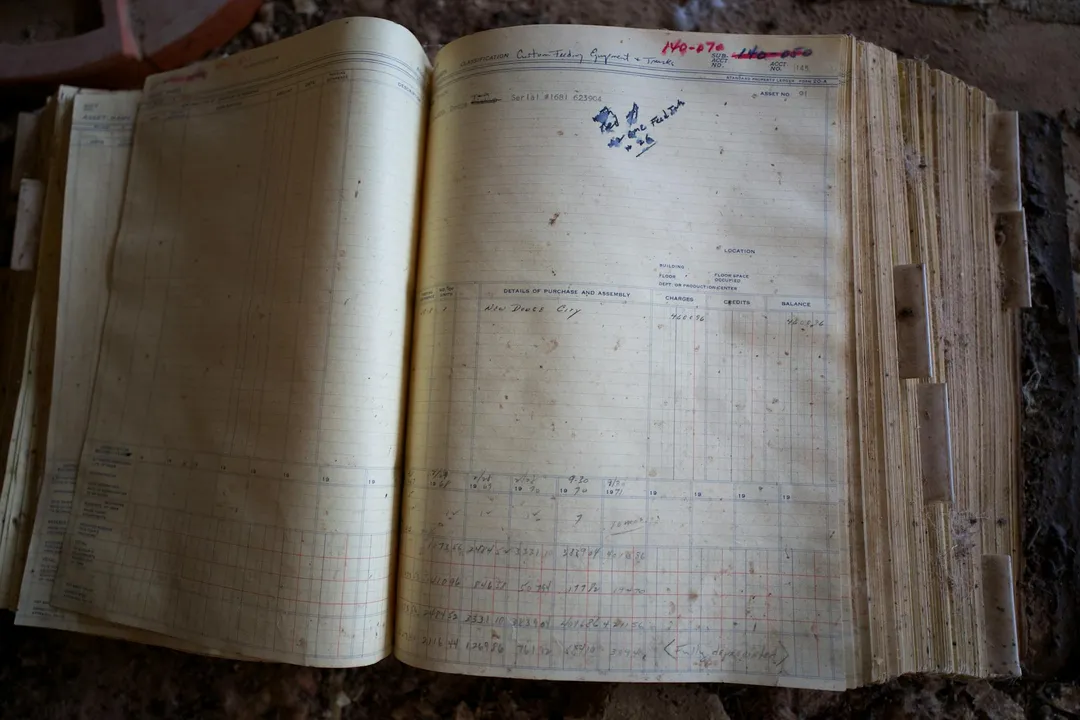
A consistent process ensures accuracy and keeps everyone informed. Following a clear, repeatable cycle eliminates confusion and builds a reliable history of financial data. Here is a standard workflow for effective HOA financial reporting, which complements the steps outlined in the complete guide to taking and approving HOA meeting minutes.
- Data Collection and Entry: Gather all invoices, receipts, and records of income. Accurately enter every transaction into the accounting system or general ledger. This is the foundational step for all that follows.
- Monthly Reconciliation: At the end of each month, reconcile the HOA’s bank statements with the internal financial records. This confirms that every transaction is accounted for and catches errors early.
- Prepare Draft Financial Statements: Using the reconciled data, generate a draft balance sheet and income/expense statement for the board’s internal review.
- Board Review and Approval: The treasurer and full board should carefully review the draft statements. They check for anomalies, ask questions, and formally approve the documents for distribution.
- Publish and Distribute Reports: Share the approved financial summary with all homeowners, typically through a newsletter, website portal, or email blast. Timeliness is key here.
- Engage Auditors for Year-End Review: Once the fiscal year closes, provide all necessary records to an independent auditor for the annual audit or review.
- Present Annual Findings: Share the finalized, audited financial reports with the membership at the annual meeting, answering any questions from homeowners.
Adhere to strict timelines for different reporting cycles. Monthly financial summaries should be available to the board within 15-20 days of month-end. Homeowners should receive a quarterly or annual summary to stay generally informed without being overwhelmed by data. The full annual audit should be completed and presented within a few months of the fiscal year’s close. At each stage, implement checks for accuracy, such as having two people review bank reconciliations, to ensure compliance with your governing documents and state laws.
Implementing Internal Controls and Fraud Prevention
A strong system of internal controls is your HOA’s primary defense against errors and misuse of funds. Think of internal controls as the rules and procedures that ensure your association’s money is collected, spent, and reported correctly. This framework protects the board and the community.
A core principle is the segregation of duties, which means no single person should control all parts of a financial transaction. Segregation of duties prevents one individual from having both the opportunity and the ability to misappropriate funds without detection. For instance, the person who approves an invoice should be different from the person who writes the check.
Practical Steps for Safeguarding Assets
- Require dual signatures on all checks above a certain threshold, such as $1,000 or $2,500.
- Perform monthly bank statement reconciliations by someone who does not have check-signing authority.
- Use a locked drop box for assessment payments and have two people present when collecting and depositing funds.
- Limit online banking access to a few trusted board members and use strong, unique passwords.
- Conduct surprise cash counts and petty cash audits if your association handles physical currency.
Managing Accounts and Vendors
Clear policies for accounts receivable and vendor relationships are vital for reducing financial risk. Establishing a consistent, documented collections process for delinquent accounts protects the HOA’s cash flow and treats all homeowners fairly. Send reminders promptly and follow your governing documents exactly.
- Formally approve all new vendors through a board vote and maintain a master vendor list.
- Require competitive bids for large projects and services exceeding a specific dollar amount.
- Review vendor invoices against signed contracts before payment is approved.
- Secure certificates of insurance from all contractors working on association property.
Legal Compliance and Disclosure Requirements

Board members have a legal fiduciary duty to act in the HOA’s best financial interest. This legal obligation means you must manage the association’s funds with the same care and diligence as you would your own personal finances. State laws provide the baseline for these responsibilities. As treasurer, you translate that duty into practical actions by following best financial practices. This includes maintaining a detailed budget, enforcing internal controls, and providing regular financial reporting to the board and members.
While specifics vary, many states, including Florida and California, have statutes that explicitly require HOAs to provide certain financial documents to homeowners. Failing to adhere to your state’s disclosure laws can lead to legal penalties and a complete loss of homeowner trust. Always consult your specific state statutes and your association’s governing documents. If your HOA denies a lawful request for Denial of Financial Records, request a written explanation with the applicable statute. If the denial persists, you may escalate by filing a complaint with the state regulator or seeking legal counsel.
Mandatory Documents for Homeowner Access
Homeowners have a right to review the financial records that show how their assessment dollars are being managed. Providing easy access to these key documents is the cornerstone of financial transparency and can prevent countless disputes. You should be prepared to provide the following upon request:
- Detailed annual financial reports and year-end balance sheets.
- Approved annual budgets and any proposed budget drafts.
- Reserve study reports and a clear breakdown of reserve fund balances.
- Records of all income and expenses, including general ledger reports.
- Account statements for all association bank and investment accounts.
Adhering to Standards and Deadlines
Following established accounting standards is not just a best practice-it’s often a legal requirement. Preparing financial statements in accordance with Generally Accepted Accounting Principles (GAAP) ensures consistency, accuracy, and comparability from year to year. This standardized approach makes it easier for homeowners and auditors to understand the financial data.
- Know your state’s deadlines for delivering annual budgets and financial statements to homeowners.
- Schedule board meetings to review monthly financial reports within the first two weeks of the new month.
- Set calendar reminders for all recurring financial filings and disclosure dates.
- Distribute a year-end financial summary to all homeowners, even if not explicitly required by law.
Best Practices for Transparent HOA Financial Management
A healthy HOA runs on a foundation of clear and open finances. Establishing a culture of transparency builds immense trust and reduces conflict between the board and the community. It transforms financial management from a source of suspicion into a tool for unity. To create an effective HOA budget for your community, align spending with shared priorities. Publish regular budget updates to keep residents informed and engaged.
Actionable Tips for Everyday Transparency
Transparency is not a single action but a series of consistent habits.
- Schedule regular financial training for all board members, even veterans.
- Draft and distribute clear financial policies covering everything from assessment collection to vendor payments.
- Hold open financial review sessions during member meetings, dedicating time for Q&A.
Strengthening Core Financial Operations
Your HOA’s financial health depends on proactive management of key areas.
- Improve cash flow by diversifying reserve investments and enforcing consistent due dates for assessments.
- Adopt a strict, yet fair, delinquency policy that includes payment plans and clear communication before legal action.
- Fund your reserves based on a professional study, not guesswork, to avoid special assessments for major repairs.
Making Complex Data Homeowner-Friendly
Most homeowners are not accountants. Your job is to translate the numbers for them.
- Create a one-page financial summary for each meeting, highlighting income, expenses, and reserve balances.
- Use simple charts and graphs in your reports to visualize where the money comes from and where it goes.
- Consider a password-protected online dashboard where owners can view real-time financial snapshots.
Leveraging Technology for Efficient Financial Reporting

Modern HOA management software is a game-changer for accuracy and efficiency. The right platform automates tedious tasks, freeing up the board to focus on strategic decisions. It moves your reporting from a reactive chore to a proactive resource. For self-managed HOAs, choosing essential tools and software is crucial to stay compliant and transparent. These systems help govern finances, documents, and communications, making self-management practical and sustainable.
Automating Key Tasks
Software handles the heavy lifting, minimizing manual errors and saving countless hours.
- The general ledger updates automatically as transactions are recorded.
- Generate balance sheets and income statements with a single click for any date range.
- Provide real-time dashboards that give the board an instant view of financial health.
Comparing Options for Enhanced Accuracy
Different software suites offer various tools to streamline your entire financial workflow.
- For accounts payable, look for features that automate bill approval workflows and direct electronic payments to vendors.
- For accounts receivable, choose systems that send automated payment reminders and allow online assessment payments.
- Streamline your annual audit by using software that generates clean, organized reports and provides an easy-to-follow digital transaction trail.
Recommended Features for Security and Access
Your technology should serve both the board and the homeowners securely.
- Prioritize software with robust, role-based logins to control what members and board members can see and edit.
- Look for a secure member portal that allows homeowners to view their account history and community financial summaries.
- Ensure the system offers flexible board reporting tools, making it simple to prepare for meetings and answer homeowner questions with confidence.
FAQs
What are the basic HOA financial reporting requirements?
Basic requirements include preparing and distributing annual financial statements and budgets to homeowners. HOAs must adhere to state laws and follow Generally Accepted Accounting Principles for accuracy and consistency. Establishing essential HOA operating procedures helps ensure these tasks are performed consistently. A standardized checklist for financial reporting, approvals, and disclosure keeps the board aligned.
How do Florida’s HOA financial reporting requirements differ from other states?
Florida has specific statutes under Chapter 720 that mandate detailed financial disclosures, such as providing an annual financial report. For example, Florida HOAs must deliver this report to homeowners within 90 days after the fiscal year ends, which may be stricter than some other states.
What are the consequences of not complying with HOA financial reporting standards?
Non-compliance can lead to legal penalties, lawsuits, and a loss of homeowner trust. Board members may face personal liability for breaching their fiduciary duties if they fail to meet these standards.
How can homeowners request and review HOA financial reports?
Homeowners can submit a written request to the HOA board or management company to access financial documents. State laws typically grant homeowners the right to inspect these records during reasonable business hours for transparency. If you’re unsure how to proceed, follow our step-by-step guide to requesting and reading HOA financial statements.
Building Trust Through Transparent HOA Finances
Commit to providing clear, regular financial reports and open access to records for all homeowners. This consistent transparency builds lasting trust, minimizes disputes, and ensures your community’s financial health is never in question.
Further Reading & Sources
- A Complete Guide to Hoa Financial StatementsHeywood Community Management
- HOA Financial Transparency: Building Trust and Accountability – PS Property Management
- HOA Financial Transparency for Communities | ManageCasa
- HOA Financial Records | Community Association Management
Brandon has been on both ends of HOA, as part of it, he has helped build his community in Oregon, while also helping other homeowners deal with typical and atypical issues one might face. He has 8+ years of experience dealing with HOAs himself and on behalf of his friends and family, and he brings his extensive expertise and knowledge to make your HOA interaction seamless and smooth.
Financial Transparency