
The Ultimate HOA Problem-Solving Checklist: From Noisy Neighbors to Unfair Fines
Published on: December 26, 2025 | Last Updated: December 26, 2025
Written By: Brandon Chatham
If you are dealing with HOA issues, the fastest way to find relief is by using a step-by-step checklist. A clear, actionable plan helps you tackle problems methodically, reducing stress and increasing your chances of a fair outcome.
You might ask, “What if my HOA problem is unique or especially complicated?” The beauty of a well-designed checklist is its flexibility-it provides a framework that you can adapt to various situations, ensuring you do not miss critical steps like gathering evidence or knowing your governing documents.
Living in an HOA community should feel supportive, not stressful. This article gives you a practical, easy-to-follow checklist that addresses frequent concerns. You will learn how to handle noisy neighbors, dispute unfair fines, resolve parking conflicts, and communicate effectively with your board. Each section includes real-world advice to help you protect your peace and your property.
Identify Common HOA Issues and Understand Your Rights
Living in a community means sharing space, which inevitably leads to friction. Common homeowner complaints often revolve around noise disturbances, unexpected fines, property line or maintenance disputes, and inconsistent rule enforcement. These issues can create significant stress and disrupt the peaceful enjoyment of your home.
- Excessive noise from neighbors, pets, or renovations
- Disputes over property alterations like fences, sheds, or paint colors
- Parking violations involving guests or commercial vehicles
- Disagreements over landscaping and lawn maintenance standards
- Perceived unfairness in how rules are applied to different residents
As a homeowner, you possess fundamental rights that the HOA must respect. You have the right to access all governing documents, including CC&Rs, bylaws, and financial records, often for a reasonable copying fee. You are also entitled to fair and equal treatment, meaning rules should be enforced uniformly, not selectively. You have the right to receive proper notice of meetings and proposed rule changes, and the right to a fair hearing before fines are levied. These protections are part of the homeowners bill of rights every HOA member should know. Knowing them helps you protect your interests and participate more effectively in community governance.
Master Your HOA Governing Documents
Your HOA’s governing documents are the rulebook for your community. Knowing these documents inside and out is your single most powerful tool for resolving disputes effectively. Start by requesting the most recent versions from your HOA manager or board secretary. To find HOA information documents quickly, ask for a current packet or check the HOA portal for digital copies. Look for the CC&Rs, bylaws, and rules to stay informed.
- Locate and carefully review the Covenants, Conditions, and Restrictions (CC&Rs), the community’s foundational legal document. Then examine the bylaws, which cover operational procedures, and the rules and regulations for day-to-day guidelines.
- Pay close attention to key sections detailing enforcement procedures, fine schedules, and the official process for resolving disputes. Look for specific language outlining violation notice requirements, hearing requests, and appeal processes.
- Take detailed notes on clauses that directly relate to common problems you or your neighbors face. Highlight sections on architectural approvals, noise ordinances, parking rules, and rental restrictions for quick future reference.
Follow a Step-by-Step Problem-Solving Process
When a problem arises, a structured approach prevents emotions from taking over. Following a clear, documented process increases your chances of a satisfactory resolution and keeps interactions professional. Rushing to confrontation rarely yields positive results.
- Begin by gathering concrete evidence. Take date-stamped photos or videos of the issue. Keep a detailed log with dates, times, and descriptions of events. Save all relevant emails or letters. Thorough documentation creates an objective record that is difficult to dispute.
- Submit a formal, written complaint or inquiry to the HOA board or management company. Use a calm, factual tone and refer to the specific governing document rule you believe is being violated. Always keep a copy for your records.
- Engage in civil communication with all parties, whether it’s a neighbor or a board member. Practice active listening and focus on finding a mutually agreeable solution. Follow up any verbal conversations with a brief email summarizing what was discussed.
- Meticulously track every interaction. Note the date, time, person you spoke with, and the outcome. This log creates a transparent timeline that protects you and holds the HOA accountable for its responses.
Resolve Noise Complaints and Nuisance Issues
Dealing with noise from neighbors can test your patience, but your HOA has tools to help restore peace. Start by reviewing your community’s specific noise rules to understand what’s allowed and when. Many associations outline quiet hours and acceptable sound levels in their governing documents.
Your Action Plan for Noisy Neighbor Situations
Follow this straightforward checklist to address noise problems effectively and fairly.
- Check your HOA’s covenants for exact noise policies, including designated quiet hours which often run from 10 PM to 7 AM on weekdays.
- Note the date, time, duration, and type of noise each time it happens to create a clear record.
- Identify if the noise violates local ordinances, like loud parties after midnight, which can strengthen your case.
- Use a sound level meter app on your phone to measure decibels if your HOA has specific limits outlined.
- Wait until you are calm before taking any action to ensure your approach remains constructive and respectful.
Initiate a Friendly Conversation First
Approaching your neighbor directly is often the fastest way to solve the issue without drama. Choose a neutral time to talk, and use “I” statements like “I’m having trouble sleeping because of the loud music” to avoid sounding accusatory. Most people respond well to a polite request and may not realize they are causing a disturbance.
Formally Involve the HOA Board if Needed
If the noise continues after your direct talk, it’s time to bring in the board with your documented evidence. Submit a written complaint that includes your noise log and references the specific HOA rule being broken (such as those related to noise disturbances). Boards typically send a warning letter first, which can prompt compliance without further steps.
Use Abatement Procedures for Ongoing Problems
For persistent nuisances, your HOA’s abatement guidelines allow the board to take corrective action. Abatement might include fines, hiring a mediator, or in extreme cases, seeking a court order to stop the noise. You’ll need to show a pattern of violations, so keep detailed records of each incident and your prior attempts to resolve it.
Challenge Unfair Fines and Enforcement Actions
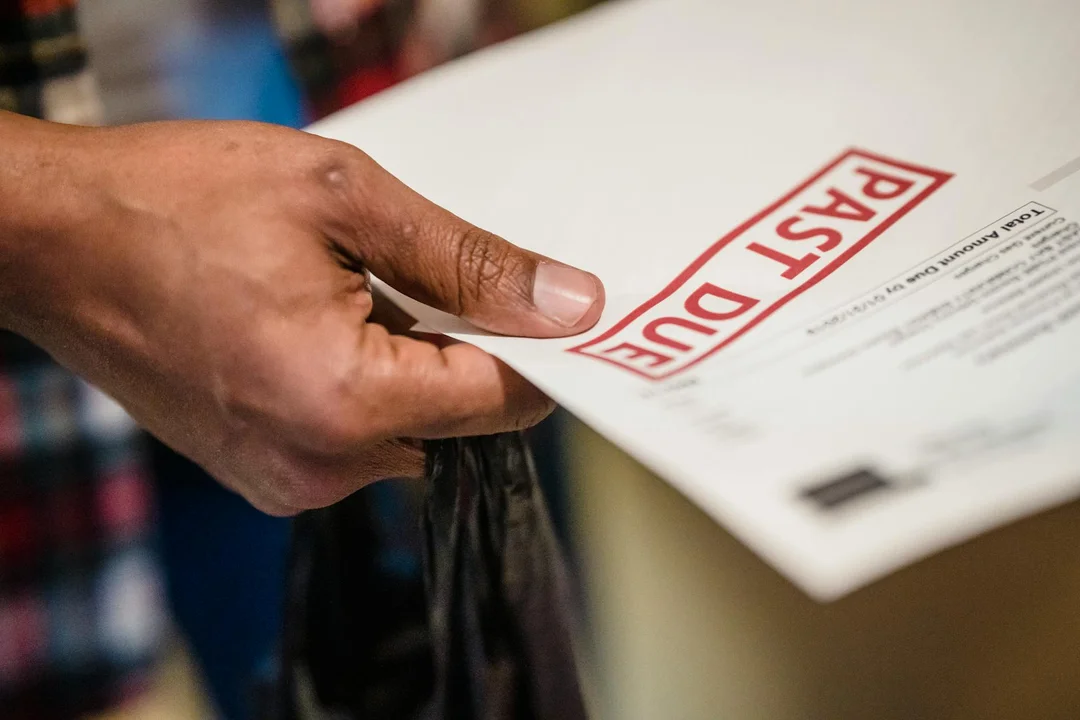
Receiving a fine from your HOA can feel frustrating, especially if you believe it is unjust. You have a right to contest any enforcement action you consider incorrect or unfairly applied. A clear, methodical approach dramatically increases your chances of a successful appeal. Start by gathering the notice and any supporting documents, photos, or correspondence. With careful documentation and a solid argument, you can dispute the HOA fee fine successfully.
1. Detail the process to contest fines, such as requesting a hearing or written appeal
Your first step is to understand the official dispute process outlined in your HOA’s governing documents, typically the CC&Rs or bylaws. Act quickly, as most associations impose strict deadlines for submitting an appeal, often just 14 to 30 days from the fine notice. Follow these steps to initiate your challenge.
- Submit a formal, written request for a hearing with the board of directors. Do this via email or certified mail for a verifiable record.
- Clearly state your name, address, the fine in question, and the reason you are disputing it. Keep your tone professional and factual.
- Prepare for your hearing by gathering all your evidence and planning what you will say. Some associations also allow for a written appeal if you cannot attend in person.
2. Explain how to present evidence and cite governing documents for support
Winning an appeal hinges on your ability to build a compelling case. Your most powerful tools are your community’s own rules and solid documentation that supports your position. Emotion alone will not sway the board; concrete evidence will.
- Photographs and videos are extremely effective. For example, if you were fined for an unkempt lawn, provide dated photos showing it was well-maintained.
- Pull direct quotes from your CC&Rs, rules, or bylaws that prove the fine is mistaken. If the rule is vague, point that out.
- Collect written statements from neighbors who can corroborate your story or attest to inconsistent enforcement.
- Provide copies of any prior communication with the HOA, like work order requests or approval letters related to the issue.
3. Cover options if the HOA disregards complaints, including mediation or arbitration
What happens if the board denies your appeal or ignores your complaint entirely? Do not give up; you have several pathways to escalate the matter beyond the HOA board itself. Your governing documents will usually specify the required next steps. Understanding how to handle disputes with your HOA effectively means following those channels and documenting all communications. This careful, methodical approach can help you resolve issues faster and preserve your rights.
- Mediation: A neutral third-party mediator helps you and the HOA negotiate a voluntary settlement. This process is less formal and often less expensive than other options.
- Arbitration: An arbitrator acts like a private judge, hearing both sides and making a binding decision. This is more formal than mediation and the result is typically final.
- Legal Action: As a final resort, you can file a lawsuit in civil court. Consult with an attorney who specializes in HOA law before pursuing this costly and time-consuming option.
Navigate Dispute Resolution and Legal Avenues

When polite conversations and formal written appeals fail, you need a clear path forward. Knowing your formal dispute resolution options prevents you from feeling trapped and empowers you to take the next logical step.
Compare Mediation, Arbitration, and Legal Action
Each method for resolving a stubborn HOA conflict has a different goal, cost, and level of formality.
Mediation: A Guided Conversation
Mediation uses a neutral third party to help you and the HOA find a solution together.
- The mediator facilitates discussion but does not impose a decision.
- This process is typically confidential and less expensive than other options.
- You retain control over the final outcome through mutual agreement.
Mediation works best when both sides are willing to negotiate but need help bridging the communication gap.
Arbitration: A Private Judge
Arbitration is more like a private court proceeding where an arbitrator hears both sides and makes a binding decision. It typically follows a step-by-step process. Each stage—from filing a claim to the final award—helps keep proceedings efficient and private.
- The process is less formal than a courtroom but more structured than mediation.
- The arbitrator’s decision is usually final and legally enforceable.
- It can be faster and cheaper than a full lawsuit, but you give up your right to a trial.
Choosing arbitration often means accepting the result, even if you disagree with it, so understand the commitment.
Legal Action: Filing a Lawsuit
Taking your HOA to court is the most formal and costly path. You file a lawsuit and present your case before a judge. The most common HOA disputes involve assessment collections, rule enforcement, and board governance decisions. Many of these can be resolved through mediation, arbitration, or negotiation without going to court.
- This option is necessary for fundamental issues involving civil rights or major financial damages.
- The process is public, can take a very long time, and legal fees accumulate quickly.
- A court’s ruling sets a legal precedent and is a matter of public record.
Reserve a lawsuit for situations where your fundamental rights or very significant financial interests are at stake.
| Method | Key Feature | Best For | Typical Cost |
|---|---|---|---|
| Mediation | Collaborative, non-binding | Noise complaints, minor violations | Low to Moderate |
| Arbitration | Private, binding decision | Contract disputes, fine appeals | Moderate to High |
| Lawsuit | Formal, public ruling | Major financial claims, discrimination | High |
When to Seek Legal Guidance
Don’t wait until you’re served with papers to contact an attorney. Involving a lawyer early can help you understand the strength of your position and prevent costly missteps. You should seriously consider professional legal advice in these situations.
- The HOA is threatening foreclosure over unpaid fines or assessments.
- You believe you are being discriminated against based on a protected class (race, religion, disability, familial status).
- The board is refusing to provide access to financial records or meeting minutes as required by your state’s laws.
- A dispute involves a significant amount of money, such as a special assessment you believe is invalid.
- The board is making a decision that appears to violate its own governing documents or state statutes.
State laws, often called Planned Community Acts or Condominium Acts, define the legal power of your HOA and your rights as an owner.
Resources for Understanding Homeowner Rights
You are not alone in this process. Arming yourself with knowledge from credible sources is your first and most powerful line of defense. Use these resources to build your understanding.
- Your State’s Department of Real Estate or Consumer Affairs Office. They often publish plain-language guides for homeowners.
- The Community Associations Institute (CAI), a national organization that provides education for both board members and homeowners.
- Your HOA’s governing documents. Start here to understand the specific rules you agreed to follow.
- Your local public law library or a university law school library can provide access to your state’s specific statutes.
Formally request all HOA correspondence in writing and keep a detailed log of every interaction, as this creates a crucial paper trail. Attend board meetings to stay informed and make your voice heard before a small issue becomes a major legal problem. To voice concerns effectively at HOA meetings, prepare concise talking points and reference your documentation when speaking. Also, follow the meeting’s public-comment guidelines to ensure your input is heard and respected.
Common Questions
How can problem-solving skills be useful at home?
Strong problem-solving skills help you methodically address common household issues, from a leaky faucet to a family scheduling conflict. This structured approach reduces everyday stress and helps maintain a peaceful, well-functioning home environment.
How can problem-solving skills be used in engineering?
In engineering, these skills are essential for diagnosing system failures, optimizing designs, and ensuring project specifications are met. Applying a logical, step-by-step problem-solving process is fundamental to creating safe, effective, and innovative engineering solutions.
How do problem-solving skills help executive functioning skills?
They directly enhance key executive functions like planning, organization, and flexible thinking by providing a framework for tackling complex tasks. This strengthens your brain’s ability to manage goals, control impulses, and adapt to new challenges effectively.
How are problem-solving programs better than tutorial programs?
Problem-solving programs teach you how to think critically and adapt strategies to new situations, rather than just memorizing steps for a single task. This builds long-term, transferable skills that are more valuable for handling unexpected real-world challenges.
Your Action Plan for HOA Success
Always begin by thoroughly reviewing your HOA’s governing documents and maintaining clear, dated records of any incidents or communications. Then, approach issues through direct, polite conversation first, and use the official dispute process if a resolution isn’t reached. Learn what the steps in the HOA dispute resolution steps typically are, so you know what to expect. Knowing those steps helps you prepare and respond appropriately if the matter escalates.
Further Reading & Sources
- 11 Common HOA Problems & Challenges and How to Solve Them
- Navigating the Maze: 20 Common HOA Challenges and Solutions for a Thriving Community – Best Tax Accountant in Woodbridge, VA | JS Morlu LLC
- Essential HOA Maintenance Checklist for You | ManageCasa
- Most Common HOA Problems and How to Deal With Them | LegalMatch
Brandon has been on both ends of HOA, as part of it, he has helped build his community in Oregon, while also helping other homeowners deal with typical and atypical issues one might face. He has 8+ years of experience dealing with HOAs himself and on behalf of his friends and family, and he brings his extensive expertise and knowledge to make your HOA interaction seamless and smooth.
Conflict Management Strategies