
Understanding Your HOA’s Architectural Guidelines and CC&Rs
Published on: January 6, 2026 | Last Updated: January 6, 2026
Written By: Brandon Chatham
Your HOA’s Architectural Guidelines and CC&Rs are the official rulebooks that dictate what you can and cannot do with your property’s appearance and structure. These documents protect community standards and property values by outlining approved colors, materials, and modifications.
You might wonder why these rules matter so much for your daily life. Failing to follow them can lead to costly fines, forced reversals of work, and disputes with your neighbors or the HOA board. Knowing the rules helps you plan projects confidently and maintain harmony in your community.
This guide will walk you through how to read and apply these often complex documents. You will learn practical steps to seek approval for home improvements, recognize common restrictions, and resolve issues peacefully. Gaining this knowledge empowers you to enhance your home while staying in good standing with your association.
Defining CC&Rs: Covenants, Conditions, and Restrictions
CC&Rs form the legal backbone of your homeowners association, acting as binding rules every property owner agrees to follow. These documents are officially recorded with your local county, making them enforceable under law and applicable to all residents. They outline how you can use your property to ensure community harmony and protect property values for everyone.
- Noise restrictions that set quiet hours to prevent disturbances.
- Parking rules limiting where vehicles can be parked or stored.
- Rental caps controlling how many units can be leased out at once.
- Pet policies defining allowed types, sizes, or numbers of animals.
- Trash disposal guidelines specifying pickup days and container storage.
Your HOA board enforces CC&Rs through warnings, fines, or legal action if violations occur. Common violations often involve exterior changes, parking, or noise rules. When violations occur, follow the HOA’s established process to address them—review notices, document issues, and work toward correction to avoid penalties. Ignoring these rules can lead to costly penalties or even liens on your property, so review them carefully when you move in. They are typically harder to amend than other HOA rules, often requiring a supermajority vote from homeowners.
Understanding Architectural Guidelines
Architectural guidelines focus on your home’s exterior appearance to maintain a uniform and attractive neighborhood look. These standards ensure that any changes or additions to your property align with the community’s overall design vision. Before you paint your house or build a deck, you’ll likely need approval from the HOA’s architectural review committee. In particular, fences, decks, and patios usually require prior review. This helps ensure they meet HOA rules on size, height, materials, and setbacks.
- Paint colors from a pre-approved palette to avoid clashing shades.
- Landscaping requirements for lawn maintenance, tree types, or garden beds.
- Fencing materials, heights, and styles that match community aesthetics.
- Roofing materials and colors that withstand weather and blend with nearby homes.
- Siding options such as wood, vinyl, or stone that meet durability standards.
Architectural guidelines differ from CC&Rs by concentrating solely on visual elements and physical modifications. While CC&Rs cover broad property use, architectural rules target specific design details and often allow for more frequent updates based on community feedback. This flexibility helps neighborhoods adapt to new trends without overhauling core covenants.
How CC&Rs and Architectural Guidelines Work Together

CC&Rs and architectural guidelines operate as a team to preserve your community’s character and functionality. Think of CC&Rs as the rulebook for behavior and property use, while architectural guidelines serve as the style guide for outward appearances. Together, they prevent issues like a brightly painted house next to a noisy short-term rental, ensuring both peace and visual consistency.
These documents complement each other by addressing different aspects of community living. For example, CC&Rs may ban certain business activities, and architectural rules could prohibit signs that make a home look commercial. This dual approach maintains property values by keeping the neighborhood both orderly and aesthetically pleasing from every angle.
| Rule Category | CC&Rs Coverage | Architectural Guidelines Coverage | Typical Enforcement |
|---|---|---|---|
| Exterior Modifications | General property use restrictions | Specific design and material approvals | Fines or required changes |
| Noise Levels | Sets quiet hours and decibel limits | Not typically covered | Warnings or penalties |
| Fencing | May outline permitted locations | Details height, style, and materials | Approval needed before installation |
| Rental Properties | Limits on lease terms or numbers | No direct coverage | Legal action for violations |
Refer to both documents before starting any project to avoid surprises. Overlaps often occur with items like fences, where CC&Rs might allow them in general, but architectural rules dictate exactly how they must look. This coordination helps your HOA address both practical and visual concerns efficiently.
The Architectural Review Committee and Process
-
The architectural committee acts as the guardian of your community’s visual harmony and property values. This group of volunteers or professionals reviews all proposed exterior changes to ensure they align with the HOA’s design standards and Covenants, Conditions, and Restrictions (CC&Rs). They check for consistency in materials, colors, and styles to maintain a cohesive neighborhood appearance that benefits everyone.
-
Navigating the approval process is straightforward if you follow these steps. First, submit a detailed application form, often available on your HOA’s website or from the management company. Include scaled drawings, material samples, and color swatches for your project. The committee then reviews your submission at its next scheduled meeting. They might request modifications or additional information. Finally, you receive a written decision approving, conditionally approving, or denying your request, especially when it’s necessary to get HOA approval for your project.
-
Most HOAs aim to complete reviews within 30 days, but several factors can extend this timeline. The complexity of your project, the committee’s meeting frequency, and whether you provided complete information upfront all influence how long you’ll wait. Think of this as the architectural review journey homeowners undertake from application to approval. Your timeline starts at submission and unfolds as the committee reviews plans and asks for refinements. Submitting during a busy season or right before a holiday can also cause delays, so plan your projects with this in mind.
Common Home Modifications Requiring Approval
-
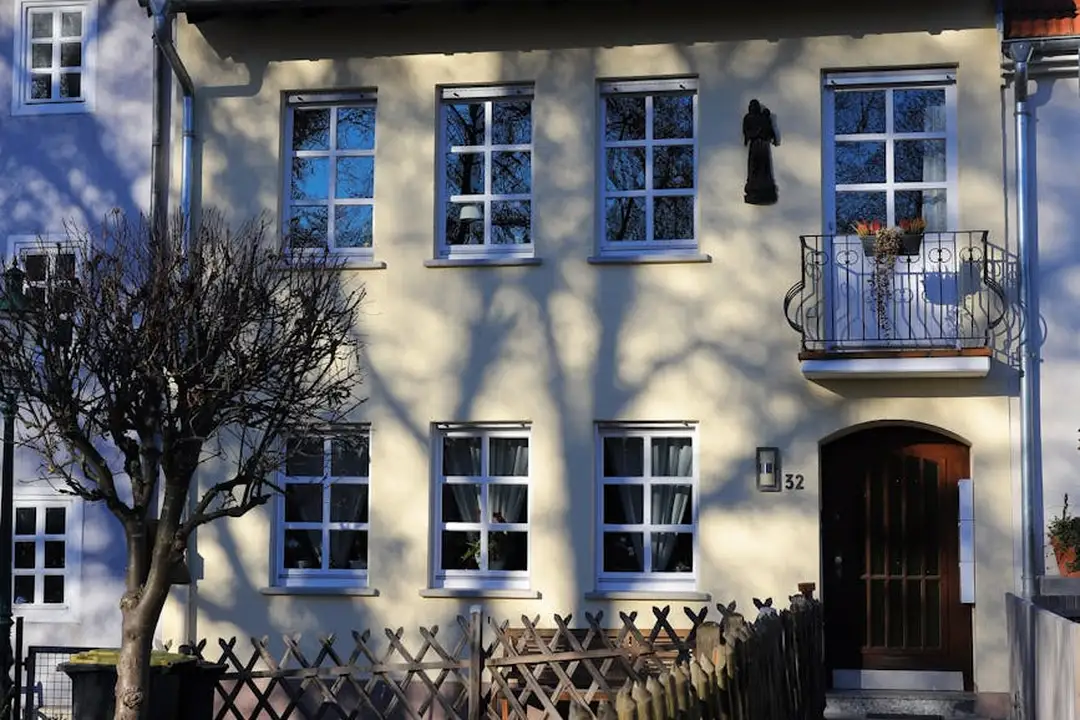
Many exterior changes require a green light from your HOA before you start. Frequent projects needing approval include installing solar panels, satellite dishes, or new fencing, as well as altering paint colors, adding decks, or modifying landscaping that affects setbacks. Even seemingly minor updates like replacing windows or doors often fall under the architectural guidelines to ensure uniformity.
-
Always check your specific CC&Rs and architectural guidelines before purchasing materials or hiring contractors. Reach out to the architectural committee early with your ideas-this informal chat can prevent costly mistakes and streamline the formal application. Keep a copy of the approved plans on hand during construction to avoid any deviations that could lead to issues.
-
Making unapproved modifications can trigger serious consequences from your HOA. You might face daily fines until the issue is resolved, or be forced to remove the alteration at your own expense, which can be far more costly than getting permission first. If a neighbor built without approval, you’re seeing the consequences unfold in real time. This is exactly why getting approval before starting work is important. In persistent cases, the HOA could place a lien on your property or pursue legal action to enforce compliance.
How to Submit an Architectural Request
-
Start by reviewing your HOA’s architectural guidelines and CC&Rs in detail. Familiarizing yourself with the rules upfront helps you spot potential issues and align your project with community standards. Understanding why HOA rules matter helps explain why they matter. They protect property values and keep the neighborhood cohesive.
-
Gather all required documents, such as scaled site plans, elevation drawings, color samples, and material specifications. Providing complete and accurate paperwork reduces the chance of delays and shows you respect the committee’s time.
-
Fill out the official application form with precise details about your project scope and timeline. Double-checking for errors ensures your submission is processed smoothly without unnecessary back-and-forth.
-
Submit your request to the architectural review committee via the approved method, whether online portal, email, or physical drop-off. Meeting submission deadlines and following specific instructions demonstrates your commitment to compliance.
-
Communicate clearly and proactively throughout the review period. Offering to answer questions or provide extra context can build trust and improve your approval odds.
Handling Denials, Appeals, and Enforcement

-
Common reasons for denial include non-compliance with design guidelines, incomplete applications, or safety concerns. Most rejections happen when homeowners overlook specific rules about materials, colors, or structural changes.
-
The appeal process usually requires a written request to the HOA board or a higher committee. You typically have a limited window to appeal, so act quickly and review your governing documents for exact procedures. Knowing the steps in the HOA dispute resolution process can help you plan your next move. Typically, the process may involve a written appeal, board review, mediation, and a final decision.
-
Write an effective appeal letter by stating facts, explaining your position, and proposing compromises. A polite and well-reasoned appeal can sometimes reverse a denial by addressing the board’s concerns directly.
-
Enforcement methods range from warning letters and fines to legal action for persistent violations. HOAs often start with a friendly reminder before escalating to financial penalties to encourage compliance.
-
Address compliance issues by discussing solutions with the HOA and correcting the problem promptly. Working cooperatively with the board can help you avoid repeated fines and maintain a positive relationship.
Common Questions
Where can I find my HOA’s CC&Rs and Architectural Guidelines?
You should receive these documents when you purchase your home, and they are often available through your HOA’s online portal or management company. These are legally binding documents, so it is your responsibility to know and understand them. You can find HOA documents online if they weren’t provided to you at closing.
What is the main difference between CC&Rs and Architectural Guidelines?
CC&Rs govern how you use your property, covering rules like noise, rentals, and parking. Architectural Guidelines, however, focus specifically on your home’s physical appearance and any exterior modifications you wish to make.
What happens if I make an exterior change without HOA approval?
Making unapproved changes is a violation that can lead to significant penalties. You could be fined daily and be forced to undo the work at your own expense, which is often far more costly than getting permission initially.
How long does the architectural review process typically take?
Most HOAs aim to review and decide on applications within 30 days, but this can vary. The timeline depends on the project’s complexity, the committee’s meeting schedule, and whether your application was submitted with all the required information. In practice, typical HOA approval time takes about a month. However, more complex projects or backlogs can push timelines longer.
Your Blueprint for HOA Success
Your most powerful tool is a proactive review of your governing documents before you make any changes to your property. When questions arise, always start with a direct, documented conversation with your HOA board or architectural committee to find a solution together.
Further Reading & Sources
- A Guide to Architectural Control in Homeowners’ Associations – Homeowners Protection Bureau, LLC
- What Are HOA Architectural Guidelines? | Vanguard
- HOMEOWNERS ASSOCIATION ARCHITECTURAL GUIDELINES 1
- HOA architectural guidelines
Brandon has been on both ends of HOA, as part of it, he has helped build his community in Oregon, while also helping other homeowners deal with typical and atypical issues one might face. He has 8+ years of experience dealing with HOAs himself and on behalf of his friends and family, and he brings his extensive expertise and knowledge to make your HOA interaction seamless and smooth.
HOA Governing Documents