
How to Work With Your HOA to Increase Neighborhood Property Values
Published on: February 3, 2026 | Last Updated: February 3, 2026
Written By: Brandon Chatham
The fastest way to increase neighborhood property values is to collaborate with your HOA on strategic, visible improvements that benefit everyone. This means moving from a reactive to a proactive partnership, focusing on projects that enhance curb appeal, community amenities, and overall desirability.
You might wonder if one person can really make a difference in such a large system. Your active participation is more powerful than you think. Homeowners who present well-researched proposals and volunteer for committees often become the catalysts for positive, value-boosting change. Your voice and initiative can set major improvements in motion.
A thriving neighborhood with rising home values doesn’t happen by accident-it’s a direct result of deliberate effort and smart collaboration. This guide will walk you through the exact steps to effectively partner with your HOA. You will learn how to propose winning ideas, navigate the approval process smoothly, and champion projects that make your community a more valuable and attractive place to live.
Understanding How HOAs Directly Influence Property Values
Your HOA’s governance style directly shapes how much buyers are willing to pay for homes in your neighborhood. Strict enforcement of community standards signals to the market that the area is well-managed and stable, which boosts buyer confidence and demand. Appraisers and real estate agents often look at HOA effectiveness as a key indicator of long-term value retention. Does your HOA affect your property value appraisal? Appraisers take HOA fees, reserve health, and enforcement of standards into account when estimating value, so a well-managed HOA can positively influence appraisal outcomes.
- Enforcement of Covenants, Conditions, and Restrictions (CC&Rs) prevents individual properties from falling into disrepair or using clashing exterior colors.
- Rigorous maintenance standards for common areas like parks, pools, and streets create an inviting atmosphere that attracts families.
- Clear rules on parking, rentals, and noise levels maintain a peaceful environment that preserves the community’s character.
Consistent application of these rules ensures no single homeowner’s neglect can drag down the resale value of surrounding properties. When everyone follows the same guidelines, the entire neighborhood presents a cohesive, attractive image that commands higher prices. This uniformity prevents the “domino effect” where one poorly kept yard can start a trend of declining curb appeal.
Building a Collaborative Partnership with Your HOA Board
- Attend board meetings regularly to stay informed about upcoming projects and policy changes. This allows you to voice your ideas during open forum sessions and understand the board’s current priorities, making your input more relevant and timely.
- Volunteer for committees like architectural review or landscape to contribute directly to decision-making. Serving on a committee gives you insider knowledge of approval processes and helps you advocate for value-adding improvements from within.
- Present data-driven proposals for improvements that align with the community’s master plan and budget. Bring comparisons of property values from similar neighborhoods, cost estimates for proposed upgrades, and survey results showing homeowner support to make a compelling case.
Enhancing Curb Appeal Through Strategic Property Maintenance
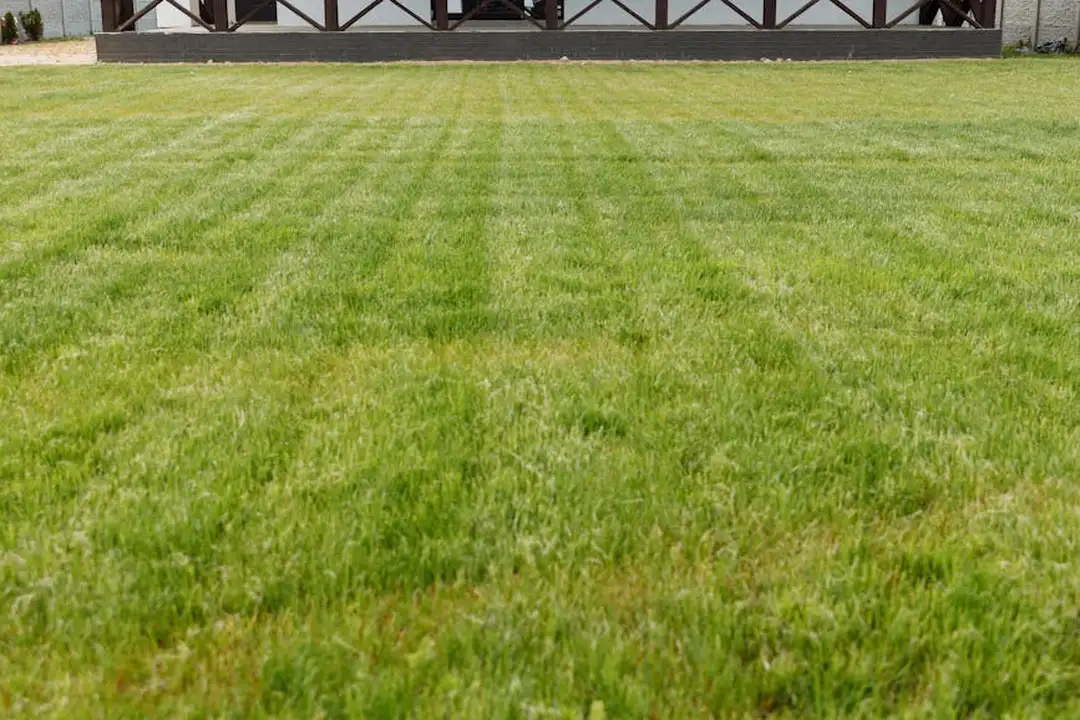
Start with landscaping upgrades that follow your HOA’s design rules while boosting visual appeal. Choosing drought-resistant plants, defined garden beds, and consistent lawn care can transform your yard without violating community guidelines. Many HOAs provide approved plant lists or landscaping templates to help you get it right the first time. Make sure to get the necessary approval for any changes that could affect your community’s aesthetic standards.
- Install mulch or decorative rock borders to define spaces and reduce weed growth in flower beds.
- Trim overgrown shrubs and trees to maintain sight lines and prevent obstruction of sidewalks.
- Add seasonal flowers in designated areas to inject color while staying within the community’s aesthetic.
Exterior maintenance steps like fresh paint, clean gutters, and repaired fences make your home look cared-for and move-in ready. A freshly painted front door, clean windows, and a sturdy fence create a strong first impression that potential buyers notice immediately. Schedule these tasks seasonally to stay ahead of wear and tear.
Your individual efforts combine with your neighbors’ to elevate the entire area’s aesthetics. When multiple homeowners invest in their properties’ exteriors, the collective effect makes the neighborhood more desirable and can lift comparable sale prices for everyone. This shared commitment to upkeep is a powerful driver of community-wide value increases.
Upgrading Common Areas and Amenities to Attract Buyers
Focusing on shared spaces is one of the most effective ways to make your entire community more desirable. Well-maintained and modern amenities signal to potential buyers that the neighborhood is cared for and worth the investment. Start by walking through your common areas with a critical eye, just as a homebuyer would.
Identify high-impact projects that offer the best return for the community’s money. A dated swimming pool, an aging playground, or a clubhouse with old furniture can be major turn-offs. Simple upgrades like new pool furniture, updated playground safety surfacing, or fresh paint in common hallways can dramatically improve first impressions. Other high-value projects include adding a dog park, modernizing fitness centers, or enhancing landscaping with drought-tolerant plants.
Major renovations can feel financially daunting, but a phased approach makes them manageable. Work with your HOA board to create a multi-year capital improvement plan that budgets for these projects over time. This strategy spreads out the cost, preventing large special assessments that can strain homeowners. For instance, year one could fund new playground equipment, year two a pool resurfacing, and year three updated security lighting. Align these upgrades with your HOA’s long-term strategic plan to ensure balanced prioritization and community buy-in.
The direct link between modern amenities and property values is undeniable. Buyers are often willing to pay a premium for access to attractive, functional community spaces that enhance their lifestyle. A sparkling pool or a safe, fun playground isn’t just a nice feature; it’s a tangible asset that makes every home in the community more valuable and competitive in the local market.
Improving Communication and Resolving Conflicts Constructively

-
Use clear, consistent channels to keep everyone informed and engaged. Rely on a mix of community newsletters, a dedicated online portal, and social media groups to share updates. Regular communication about board decisions, upcoming projects, and financial health builds trust and prevents misinformation from spreading. When homeowners understand the “why” behind a decision, they are more likely to support it.
-
Address compliance issues and resident concerns quickly and fairly. Letting small issues like an unkempt lawn or a parking violation fester can create resentment and escalate into major disputes. A proactive approach, with clear written warnings and a chance for the homeowner to correct the issue, maintains community standards without creating unnecessary hostility. This consistent enforcement protects everyone’s property values.
-
Create open forums for collaborative discussion on value-focused changes. Schedule regular “town hall” meetings or visioning workshops specifically dedicated to discussing improvements. Invite residents to share their ideas on how to enhance the neighborhood’s appeal. This collaborative process turns residents into partners in the community’s success, generating buy-in for projects that ultimately benefit everyone.
Ensuring Financial Health and Transparency in HOA Operations
Prudent budgeting means your HOA plans for both routine costs and future big-ticket repairs. Reserve studies act like a financial roadmap, identifying when major items like roofs or pools need replacement so you can fund them over time without sudden special assessments (long-term reserve fund planning). This approach prevents shocking fees that strain homeowners and deter potential buyers.
You can actively monitor your HOA’s financial health by reviewing key documents. Regular checks on financial reports help you catch inconsistencies early and hold the board accountable for responsible spending. By reading HOA financial documents, you can assess the association’s stability and long-term viability. Here are practical ways to stay informed:
- Request and examine the annual budget and balance sheet from HOA management.
- Compare actual expenses to budgeted amounts to spot overspending.
- Verify reserve fund balances against the reserve study’s recommended levels.
- Attend open board meetings where financial updates are presented.
Stable dues management keeps monthly fees predictable and justified. When dues are handled transparently and consistently, it signals to buyers that the community is well-run, directly boosting long-term neighborhood desirability. A history of steady fees without surprises makes your area a safer investment.
Leveraging HOA Governance for Sustainable Value Growth

Updating outdated Covenants, Conditions, and Restrictions (CC&Rs) can modernize your community. Start by building a coalition of neighbors who support the change and present a clear proposal highlighting how amendments will increase property values. Navigating changes to HOA bylaws and covenants requires aligning proposed amendments with your governing documents and applicable laws. Clear communication and careful documentation help ensure a smooth vote. Follow your HOA’s specific amendment process, which often requires a membership vote.
Balancing rule enforcement with flexibility keeps your community appealing. Strict policies can turn off modern buyers, so consider allowing reasonable updates that match current lifestyles. Implement these strategies to maintain standards while adapting:
- Grant exceptions for sustainable features like solar panels or native plants.
- Use educational approaches for minor violations before applying penalties.
- Revise architectural guidelines to include popular modern designs and materials.
Regular policy reviews ensure your HOA rules stay relevant. Schedule annual assessments of all governing documents to align with real estate market shifts and protect homeowner investments. This proactive habit keeps your neighborhood competitive and attractive to future buyers. Bylaws should be reviewed regularly—ideally annually—and updated to reflect current laws and community needs. Doing so helps prevent conflicts and ensures enforcement aligns with member expectations.
FAQs
How do HOA property values vary by zip code?
HOA property values can differ by zip code due to local economic factors and community amenities. Analyzing comparable sales data specific to your zip code helps identify how your HOA’s efforts align with area trends to maximize value.
What was the impact of HOAs on property values in 2021?
In 2021, many HOA communities experienced rising property values as buyers sought well-maintained neighborhoods during market shifts. This period underscored how proactive HOA management, like enforcing standards and upgrading amenities, can boost demand and prices. Within HOA communities, targeted home improvements—such as exterior upgrades and landscaping, and energy-efficient features—tend to deliver the strongest value gains. When these upgrades align with established standards, they can lift property values even more.
How are property values assessed in Santa Barbara County?
In Santa Barbara County, property values are assessed by the County Assessor’s Office based on market value at the time of purchase or improvement. Regular reassessments ensure valuations reflect current conditions, which can influence HOA strategies for maintaining neighborhood appeal and ensuring property values through effective governance.
How is property value recorded in Malaysia?
In Malaysia, property value is recorded through transaction prices in Sale and Purchase Agreements registered with the land office. This documented value is crucial for tax purposes and can inform HOA comparisons on international property management practices.
Your Partnership Powers Progress
Focus on clear communication and cooperative projects with your HOA to create a more desirable and valuable community for all. Your proactive involvement and shared commitment to neighborhood standards are the most powerful tools you have for protecting and increasing your investment. To make this practical, create an effective HOA communication strategy from scratch. Define goals, audiences, channels, and cadence.
Further Reading & Sources
- How Does An HOA Increase Property Values? | Cedar Management
- How Does an HOA Increase Property Values?
- r/fuckHOA on Reddit: HOAs and Property Values
- How to Increase Your HOA Value | HOA Property Tips
Brandon has been on both ends of HOA, as part of it, he has helped build his community in Oregon, while also helping other homeowners deal with typical and atypical issues one might face. He has 8+ years of experience dealing with HOAs himself and on behalf of his friends and family, and he brings his extensive expertise and knowledge to make your HOA interaction seamless and smooth.
Common Areas