
HOA Security Camera Rules: What’s Legal in Common Areas?
Published on: February 15, 2026 | Last Updated: February 15, 2026
Written By: Brandon Chatham
In most states, an HOA can legally install security cameras in common areas like pools, clubhouses, and parking lots, but they must carefully balance this with residents’ reasonable expectation of privacy. This authority generally comes from the association’s governing documents, which grant the responsibility to maintain safety and security for all residents.
You might wonder, “Where exactly can’t they put cameras?” Cameras should never be placed where privacy is expected. This includes restrooms, locker rooms, and inside individual homes or units. The line gets finer with areas like building entryways or mailrooms. Many associations post clear signage notifying residents and guests that video surveillance is in use, which helps manage expectations and demonstrates transparency.
Navigating the legal landscape for HOA security cameras is tricky. Get it right, and you enhance community safety. Get it wrong, and you risk serious privacy lawsuits and resident distrust. This guide breaks down the essential legal considerations, from your governing documents to specific state laws. You’ll learn about proper placement, notification best practices, and how to handle the footage responsibly. Keep reading to build a secure and legally compliant surveillance program for your community.
Understanding HOA Camera Legality and Governing Laws
Installing security cameras in HOA common areas is generally legal across the United States. The legal foundation for this practice rests on the association’s duty to protect property and ensure resident safety. This authority is typically granted through your HOA’s governing documents, like the CC&Rs. However, HOA security personnel are private guards, not police, and their authority is limited to enforcing community rules and reporting incidents to law enforcement. They do not carry general arrest powers or perform criminal investigations.
However, this authority is not unlimited and is shaped by a patchwork of state and local laws. You must navigate these to ensure your HOA’s surveillance program is compliant. That leads to the question: what are the legal limits on HOA powers? Are HOAs’ powers truly unlimited, or are they bounded by state statutes, local ordinances, and residents’ rights?
- State Video Surveillance Statutes: Many states have specific laws governing where cameras can be placed, often prohibiting areas where residents have a heightened expectation of privacy.
- Invasion of Privacy Laws: These laws, which vary significantly, protect individuals from intrusive surveillance that violates their reasonable expectation of privacy.
- One-Party/Two-Party Consent Laws for Audio: This is a critical distinction. Many states require all parties to consent to being audio recorded, making cameras with sound recording far more legally complex.
- Local Municipal Ordinances: Your city or county might have its own specific regulations regarding the use of surveillance equipment on residential property.
The impact of these varying laws means a policy that works in one state might be illegal in another. Your HOA board must consult with an attorney versed in your state’s property and privacy laws before purchasing or installing any cameras. This proactive step prevents costly legal disputes and potential fines. Clarifying whether an issue falls under HOA rules or city code—and who has jurisdiction in these matters—helps prevent conflicts. For a deeper understanding, consider reading about the HOA vs city code jurisdiction. Understanding the enforcement path also avoids cross-jurisdictional disputes between the HOA and local authorities.
Installation Rules and Consent Requirements for Common Areas
Cameras should be strategically placed to monitor truly common areas where the HOA has a clear responsibility for safety and security. Focus your camera placement on locations with high traffic or valuable association assets. Proper placement maximizes security value while minimizing privacy intrusions.
Common and generally acceptable locations for cameras include:
- Building entrances and shared hallways in condominiums
- Community swimming pools and pool gates
- Clubhouse exteriors and parking lots
- Fitness center entrances (but not inside where people exercise)
- Playgrounds and other shared recreational facilities
Resident consent for filming in these common areas is usually implied by the HOA’s governing authority. You are not required to get individual permission from each homeowner to monitor a shared parking lot, for instance. HOAs also ban or restrict common activities like parking and noise to maintain order and livability in the community. The key is to provide clear notice through official HOA communications that surveillance is in operation.
Cameras are almost never allowed in spaces where residents have a strong expectation of privacy. This includes the interior of individual units, restrooms, locker rooms, or any area where a person would reasonably expect to not be observed.
Follow these steps for a compliant installation process:
- Review your HOA’s governing documents for any existing rules about cameras or alterations to common areas.
- Pass a formal board resolution that outlines the camera system’s purpose, scope, data handling policy, and locations.
- Provide written notice to all residents about the new surveillance system before it becomes operational.
- Hire a licensed and insured professional to handle the physical installation to ensure safety and quality.
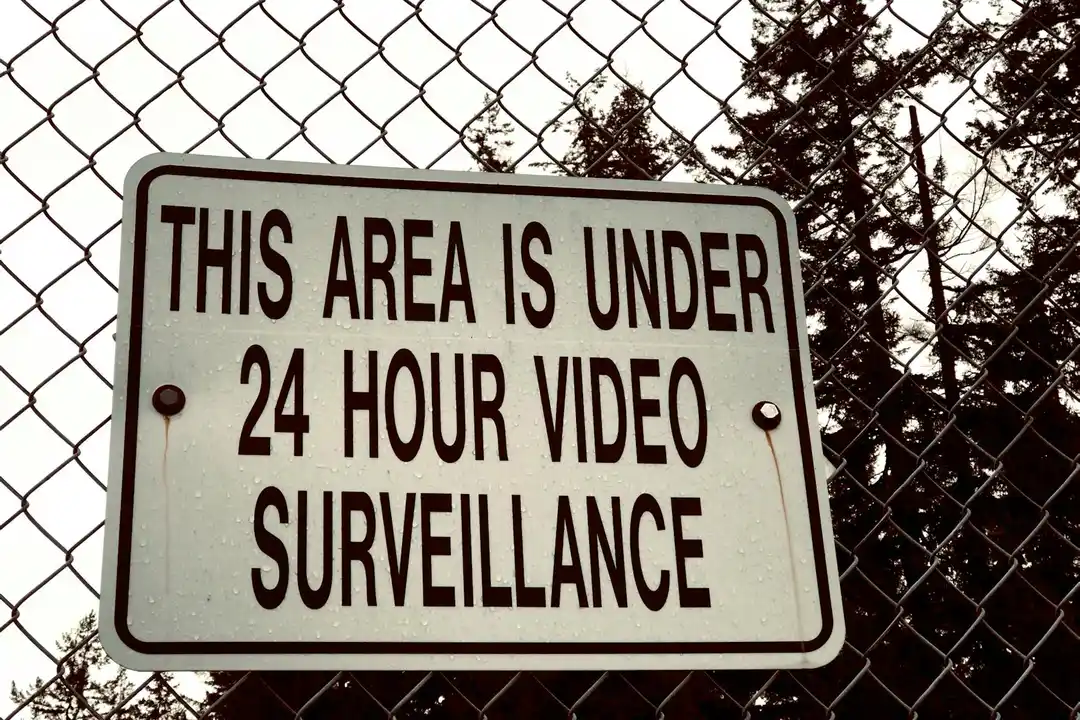
- Post clear and visible signage stating that the area is under video surveillance.
If a resident formally requests to opt-out or raises a privacy concern, the board should listen and review the camera’s placement. Handling an opt-out request with empathy and a willingness to review can de-escalate potential conflict and demonstrate good faith. The board must then decide if the security benefit outweighs the specific privacy concern.
Privacy Rights and Protections for Residents and Guests
Even in common areas, residents and their guests retain certain privacy rights that your HOA must respect. The core legal concept is the “reasonable expectation of privacy,” which changes depending on the location and situation. A resident has a much lower expectation of privacy in a shared lobby than they do on their own private balcony. This raises the question of the balance between residents’ rights and the HOA’s responsibilities. HOA members must enforce rules without unnecessarily infringing on privacy.
A critical distinction exists between video and audio recording. Video recording of public spaces is widely accepted. Recording audio, however, is a legal minefield and is often treated as wiretapping under state laws. To avoid severe legal penalties, many HOAs simply disable the audio recording function on their cameras entirely. With many HOAs now holding board meetings on Zoom, the legality of virtual HOA meetings is increasingly discussed. Are Zoom HOA board meetings legal virtual meetings?
Federal laws can also come into play, though they are less common for residential HOAs. For example, pointing a camera in a way that peers into a home’s windows could potentially raise issues under federal voyeurism statutes.
| Scenario | Privacy Expectation | Typical HOA Camera Rule |
|---|---|---|
| Community Mailbox Cluster | Low | Generally Permitted. A high-security area where cameras can deter theft. |
| Swimming Pool Deck | Low to Medium | Generally Permitted. Cameras should be positioned to monitor safety and access, not to focus on individuals sunbathing. |
| Inside a Gym Locker Room | Very High | Strictly Prohibited. This is a clear violation of privacy laws. |
| Parking Lot | Low | Generally Permitted. Aim cameras to capture license plates and vehicle activity, not to look into car windows. |
| An Individual’s Fenced Backyard | Very High | Strictly Prohibited. This is private property, even if it’s part of a larger community. |
Your HOA’s best defense against privacy complaints is a transparent, well-communicated, and reasonably scoped camera policy. A clear policy demonstrates that the HOA is acting to protect the community, not to spy on its residents. Always err on the side of protecting privacy, as the legal and social costs of over-surveillance are significant.
Data Retention and Use of Surveillance Footage
Once your HOA installs cameras, managing the footage becomes a critical legal responsibility. Establishing clear rules for how long you keep recordings and who can access them protects both the association and its members from liability. A haphazard approach to video data can lead to serious privacy violations. Similarly, when it comes to HOA records, including financial statements and meeting minutes, access rights matter. Understanding what information is public and who may review it helps ensure transparency while safeguarding sensitive data.
How Long Should You Keep Surveillance Footage?
There is no universal federal law dictating retention periods, so your HOA must set a reasonable policy. A retention period that is too long increases security risks, while one that is too short may erase evidence when it’s needed.
- 30-Day Standard: Many associations find a 30-day cycle to be a practical balance. This provides enough time to review incidents like vandalism or package theft that may not be reported immediately.
- Shorter for High-Traffic Areas: For general monitoring of pools or clubhouses, a 7 to 14-day period may be sufficient and reduces data storage costs.
- Indefinite Hold for Incidents: Footage related to an ongoing police investigation, insurance claim, or violation hearing should be isolated and preserved until the matter is fully resolved.
Protecting the Data You Collect
Surveillance footage is sensitive data that requires robust protection. Treat your video archive with the same level of security you would apply to financial records or homeowner personal information. A data breach of video feeds is a severe violation of trust.
- Use encrypted cloud storage or secure, password-protected on-site servers.
- Limit access to a need-to-know basis, typically only the property manager and a few designated board members.
- Maintain an access log that records who viewed footage, when, and for what reason.
- Ensure any third-party security vendor has a strong data protection agreement in place.
Permissible Uses of Camera Footage
The purpose of common area cameras is to enhance safety and security, not to spy on residents. Your recorded footage should only be used for specific, legitimate association business purposes. Using it for any other reason can lead to legal trouble.
Acceptable uses typically include:
- Investigating specific incidents of criminal activity or property damage.
- Resolving disputes between homeowners, such as validating claims about a parking space or shared facility use.
- Providing evidence for enforcing HOA rules and covenants during a disciplinary hearing.
- Sharing with law enforcement only when presented with a valid subpoena or warrant.
Unacceptable uses include monitoring a resident’s personal habits, sharing footage socially, or using it for personal vendettas.
Developing and Implementing HOA Surveillance Policies
A well-defined surveillance policy is your HOA’s best defense against legal challenges and homeowner disputes. Your policy acts as a public contract that explains the what, where, why, and how of your security camera system. Rushing this process invites conflict and potential litigation.
Steps to Create a Compliant Camera Policy
Follow a deliberate, transparent process to ensure your policy is both effective and legally sound.
- Review Governing Documents: Scrutinize your CC&Rs and bylaws for any clauses related to homeowner privacy, common area modifications, or the board’s authority to implement security measures. Your new policy must align with these existing documents.
- Draft the Policy Language: Clearly define the system’s purpose, camera locations, data handling procedures, and access protocols. Be explicit about what the cameras will not be used for.
- Obtain Legal Review: Before a homeowner vote, have an attorney experienced in HOA law review the drafted policy. They can identify potential privacy issues and ensure state law compliance.
- Secure Homeowner Approval: Depending on your governing documents, you may need a majority vote from the membership to formally adopt the policy. This step builds crucial community buy-in.
- Formally Adopt and Record: Once approved, the policy should be formally adopted by a board resolution and recorded in the association’s official minutes.
Communication and Implementation Best Practices
A policy is useless if homeowners don’t know about it or understand it. Transparent communication is the key to a smooth rollout and long-term acceptance of your surveillance program.
Essential Disclosure Elements
| Element | Purpose |
|---|---|
| Visible Signage | Place clear signs at all community entrances and monitored common areas. This provides notice to residents and visitors, which is often a legal requirement. |
| Formal Policy Distribution | Send the full, approved policy to every homeowner via email, postal mail, or official newsletter. Include a simple FAQ section to address common concerns. |
| Alignment with Fiduciary Duty | Frame the system as a measure to protect property values and enhance community safety, which falls squarely within the board’s responsibility to act in the association’s best interest. |
Update your governing documents to include the new surveillance policy, ensuring it becomes a permanent, binding rule for all residents. Consistently enforcing the policy as written protects the board from claims of arbitrary or selective enforcement. Regularly review and update the policy to keep pace with changing technology and laws.
Handling Disputes and Enforcement of Camera Policies
Even the most well-intentioned security camera policy can lead to disagreements. Most disputes arise from a perceived invasion of privacy or concerns about how the rules are being applied to different residents. Anticipating these conflicts and having a clear process in place is vital for maintaining community harmony.
Common Types of Disputes
Homeowners often raise specific concerns when cameras are installed in shared spaces. Being familiar with these complaints helps the board address them effectively.
- Privacy Violations: The most frequent complaint is that a camera captures too much of a private area, like directly viewing into a unit’s window or monitoring a secluded balcony.
- Selective Enforcement: Residents may accuse the board of enforcing the camera rules unfairly against some homeowners while ignoring others.
- Harassment Concerns: A homeowner might feel a camera was placed specifically to monitor their comings and goings, creating a hostile environment.
- Disagreements Over “Common Area” Definition: Disputes can occur over whether a specific location, like a building entrance alcove, is truly a common area open to surveillance.
A Step-by-Step Resolution Process
When a dispute arises, follow a structured path to de-escalate the situation and find a fair outcome.
- Informal Discussion: Encourage the involved parties to have a calm, direct conversation first. Often, a simple misunderstanding about the camera’s angle or purpose can be resolved neighbor-to-neighbor.
- Formal Written Complaint: If the informal talk fails, the concerned resident should submit a formal complaint to the HOA board in writing, detailing their specific grievance.
- Board Review and Investigation: The board must review the complaint against the recorded camera policy and, if necessary, inspect the camera’s placement and field of view.
- Mediation: Before considering costly legal action, the HOA can suggest professional mediation. A neutral third party can help both sides reach a voluntary agreement.
- Legal Action: As a final step, the HOA may need to pursue legal remedies for a homeowner who refuses to comply with the policy, such as imposing fines or seeking a court injunction.
Tips for Maintaining Compliance
Preventing disputes is always better than resolving them. Proactive communication and consistent enforcement are your best tools.
- Communicate the “Why”: Regularly remind residents that the cameras are for collective safety and property protection, not for personal surveillance.
- Provide a Clear Policy Document: Ensure every homeowner receives a copy of the camera policy and signs an acknowledgment of receipt.
- Be Consistent and Transparent: Apply all rules uniformly to every homeowner. Document all enforcement actions to demonstrate fairness.
- Offer a Periodic Policy Review: Invite homeowner feedback on the camera policy during annual meetings. This makes residents feel heard and can help modernize outdated rules.
Common Questions
Is audio recording allowed with HOA cameras?
Recording audio is a legal minefield and is often treated as wiretapping under state laws. To avoid severe legal penalties, many HOAs simply disable the audio recording function on their cameras entirely. This is especially important when recording HOA meetings where consent is crucial.
Can residents opt out of camera placement near their property?
While HOAs generally have the authority to install cameras in common areas, they should listen to formal resident concerns. Handling an opt-out request with empathy and a willingness to review can de-escalate potential conflict and demonstrate good faith. Voice your concerns effectively at HOA meetings by presenting clear points and proposed solutions. Prepare a concise, solution-focused statement for the meeting.
Can HOA footage be used for disciplinary actions against residents?
Yes, footage can be used for legitimate association business, such as enforcing community rules. Your recorded footage should only be used for specific, legitimate association business purposes.
Do HOA cameras in outdoor common areas require visible signage?
Posting clear signage is a critical best practice for transparency and legal compliance. This provides notice to residents and visitors, which is often a legal requirement.
Navigating HOA Security Camera Laws Successfully
Always check your HOA’s governing documents and local privacy statutes before installing any surveillance equipment. Do you need HOA approval? In many communities, the HOA must review and approve camera placement and monitoring policies. Clear communication with residents and strategic camera placement will boost security while keeping your association legally protected.
Further Reading & Sources
- Security Camera Policies for HOAs
- HOA Security Cameras: How to Install and Use Them | Associa
- Understanding the Legal Limits of HOA Surveillance and Security Cameras | LS Carlson Law
- Security Surveillance Cameras
Brandon has been on both ends of HOA, as part of it, he has helped build his community in Oregon, while also helping other homeowners deal with typical and atypical issues one might face. He has 8+ years of experience dealing with HOAs himself and on behalf of his friends and family, and he brings his extensive expertise and knowledge to make your HOA interaction seamless and smooth.
Legal Resources