
Your Ultimate Guide to HOA Rental Caps and Restrictions
Published on: February 21, 2026 | Last Updated: February 21, 2026
Written By: Brandon Chatham
An HOA rental cap is a rule that limits the number or percentage of homes within a community that can be rented out at any given time. This policy is written into the community’s governing documents to control the rental population.
You might wonder why an HOA would ever create such a rule. HOAs implement rental caps primarily to preserve the community’s character and protect property values. Rental caps help maintain a stable, owner-occupied neighborhood, which many lenders and buyers view as more desirable and financially secure. They also aim to reduce problems sometimes associated with frequent tenant turnover.
Navigating HOA rental rules can feel complex, but you are in the right place. This guide will walk you through everything you need to know. We will cover how to find your community’s specific rules, the different types of restrictions you might face, and the real-world consequences of breaking them. You will also learn practical steps for requesting a change to a rental cap and what to do if you receive a violation notice.
Understanding HOA Rental Caps and Restrictions
Rental caps and leasing restrictions are rules your homeowners association uses to control how many properties can be rented out at any given time. A rental cap is a specific limit, often a percentage of total units, on how many homes can have tenants instead of owner-occupants. Leasing restrictions are the broader set of rules governing the rental process itself.
These rules differ from general HOA regulations like paint colors or fence heights. While most rules focus on property appearance, rental caps directly impact ownership rights and your ability to generate income from your home. They are often more complex and legally sensitive.
You will typically encounter a few common types of restrictions:
- Lease Caps: A hard limit, such as only 20% of units can be leased at one time.
- Short-Term Rental Bans: Prohibits rentals for fewer than 30 days, effectively banning Airbnb and VRBO.
- Owner Occupancy Requirements: Mandates that you must live in the home for a period, like one or two years, before you can rent it out.
All of these rules get their power from your community’s governing documents, primarily the Covenants, Conditions, and Restrictions (CC&Rs). If you’re purchasing a home, it’s important to review the CC&Rs to understand how rules could change after you move in. Amendments, such as new rental caps, typically require a homeowner vote, so you can participate and anticipate future restrictions.
Why HOAs Implement Rental Caps
HOAs adopt these policies with specific community goals in mind. The primary motivation is almost always to preserve the community’s character and protect property values for everyone. A stable neighborhood of resident-owners is often viewed as more invested in the long-term well-being of the community. A homeowners’ association (HOA) plays a central role in enforcing these policies.
Rental caps also address concerns about security and maintenance. Long-term residents are more likely to know their neighbors and report suspicious activity, enhancing overall safety. Furthermore, a high concentration of rentals can sometimes lead to deferred maintenance if landlords are less responsive than owner-occupants would be.
These rules act as a crucial investor restriction. By limiting the number of rentals, HOAs prevent investors from buying up large blocks of units, which can lead to an over-rental situation and a transient population. This helps maintain a sense of permanence and community. That raises the broader question: why do HOA rules and regulations matter? They set expectations, protect property values, and help maintain a stable, well-kept community.
Deciding on a rental cap percentage is a careful process. The board will typically review the community’s current rental rate, assess the goals for owner-occupancy, and research what percentages are common and legally defensible in similar communities. They must then propose the specific cap to the membership for a vote, ensuring the rule reflects the will of the homeowners.
Throughout this process, fair housing considerations are paramount. Rental caps must be applied uniformly to all homeowners regardless of race, religion, or family status to avoid claims of discrimination. The rule should focus on the act of leasing, not the characteristics of the potential tenant or owner.
Legal Framework and Compliance for Rental Restrictions

State Laws and HOA Governance
- State laws can significantly influence what an HOA is permitted to regulate. Some states have laws that protect an owner’s right to rent their property, while others grant broad authority to HOAs. You must check your specific state’s statutes.
- Legal compliance issues often arise when new rules are applied retroactively. For example, an HOA may not be able to enforce a new rental cap against an owner who purchased their unit before the rule was enacted, depending on state law. Another common issue is whether the governing documents granted the authority to create such a restriction in the first place.
- Your property management company plays a key enforcement role. They maintain the official rental roster, track waiting lists if the cap is met, and handle the initial communications with owners who are in violation of the leasing rules. They act as the administrative arm for the HOA board.
Fair Housing and Enforcement
Fair housing laws intersect with rental restrictions in critical ways. While an HOA can limit the number of rentals, it cannot enact rules that have a discriminatory effect or intent against a protected class. A rule that inadvertently makes it harder for families with children or individuals of a specific nationality to live in the community could be challenged. For HOA boards, compliance with the Fair Housing Act (FHA) is essential to guide rental and occupancy policies. This essential guide helps HOA boards navigate FHA requirements for HOA boards, implement compliant rental policies, and avoid discriminatory practices.
To avoid legal pitfalls, your HOA board should always consult with an attorney specializing in community association law before adopting new rental restrictions. When you’re evaluating bans or limits on short-term rentals, this guidance is especially crucial. Clear, well-drafted policies help ensure the HOA’s authority is respected and reduce disputes over enforcement. Ensure all rules are clearly written, properly recorded, and uniformly enforced against every homeowner without exception. Selective enforcement is a common and costly legal mistake.
Handling disputes and violations should follow a clear, stepped process.
- First, send a formal violation letter to the owner outlining the specific rule broken.
- Offer a reasonable period for the owner to come into compliance, such as not renewing a tenant’s lease.
- If the violation continues, the board may need to impose fines as permitted by the governing documents.
- As a last resort, the HOA may need to pursue legal action, but this step should always be taken with guidance from the association’s attorney.
How HOA Rental Caps Are Enforced
HOA boards actively monitor rental activity through routine checks, homeowner reports, and reviewing lease documents. They track how many units are rented to ensure compliance with the community’s cap rules. These are part of the HOA board’s legal responsibilities to homeowners. They must enforce rules consistently and follow applicable laws to ensure due process.
Violations occur when a homeowner rents their property without approval or exceeds the allowed rental percentage. You might receive a formal notice if your rental arrangement breaks the HOA’s specific guidelines. To handle common HOA bylaw violations, review the policy, document your actions, and work with the board to come into compliance. Following the prescribed cure process can help minimize penalties.
- Monetary fines that can accumulate daily or weekly until the issue is resolved
- Suspension of your access to community amenities like the pool or gym
- Legal action, including liens placed on your property or forced compliance through court orders
- Required eviction of unauthorized tenants to immediately correct the violation
HOA boards follow a clear process to handle rental cap violations fairly. Consistent enforcement helps maintain trust and order within the community. Renters should know their rights under HOA rules, including what notices they must receive and how to access policy documents. This transparency helps tenants advocate for fair treatment and stay informed about enforcement timelines.
- Identify a potential violation through monitoring or a complaint from another resident
- Investigate by verifying lease details and checking against the current rental count
- Issue a written notice to the homeowner explaining the violation and required actions
- Allow a reasonable period for the homeowner to respond or correct the situation
- Impose penalties if the violation continues, following the HOA’s established fine schedule
- Escalate to legal measures if necessary, such as filing a lien or pursuing litigation
Many HOAs require landlords to screen tenants for background, credit, and behavior standards. To stay compliant with state and federal fair housing laws, review your screening criteria regularly. Create a simple compliance checklist to guide your process and avoid penalties. You must ensure your tenants meet the association’s criteria to avoid penalties.
Navigating HOA Rental Caps as a Homeowner
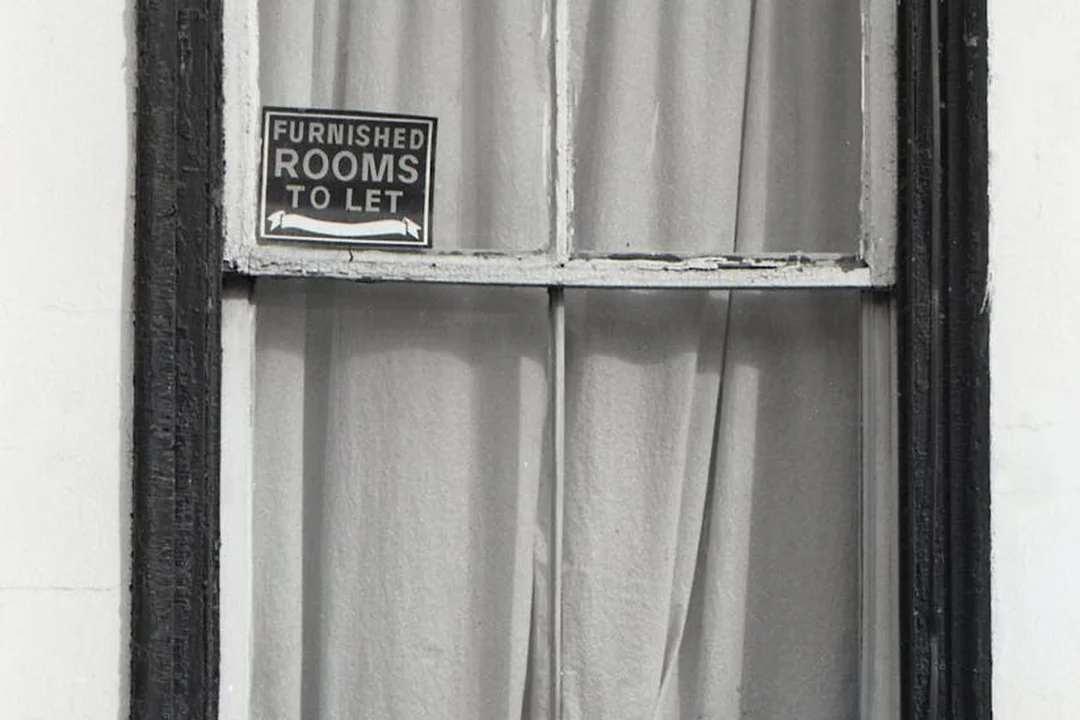
If Your HOA Has Existing Caps
- Review your HOA’s governing documents, including the CC&Rs and bylaws, for specific rental clauses. These papers outline the exact cap percentage and any grandfathering provisions.
- Submit a formal written request to the HOA board if you need a waiver due to hardship or unique circumstances. Provide supporting documents like financial statements or medical records to strengthen your case.
- Discuss your concerns at an open board meeting or request mediation if you disagree with the rules. You can also consult a real estate attorney to explore your legal options for appeal.
Changing or Challenging Rental Policies
- Gather support from fellow homeowners by discussing the issue and collecting signatures for a proposal
- Present your case at an annual meeting or special session with data on how changes could benefit the community
- Follow your HOA’s amendment process, which often requires a supermajority vote for approval
- Create a clear presentation showing how updated rental rules might increase property values
- Address common concerns about noise, parking, or maintenance with practical solutions
- Build a coalition by networking with neighbors who share your views on rental flexibility
- Approach the board with respect and a willingness to collaborate on compromises
- Bring examples from other HOAs that successfully modified their rental caps
- Seek legal advice early to understand your rights and avoid missteps in the process
The Pros and Cons of HOA Rental Caps

Rental caps are a major point of discussion in any community. Grasping both the benefits and the drawbacks helps you form a balanced perspective on this impactful policy.
Advantages of Implementing Rental Caps
- Stable Community Atmosphere: A lower number of rentals often means more long-term residents. This builds stronger neighborly bonds and a greater sense of shared responsibility.
- Reduced Transient Occupancy: Caps limit the constant coming and going of short-term tenants. You will likely see fewer issues with noise, parking, and trash that can accompany high tenant turnover.
- Property Value Protection: Many lenders and buyers view communities with high rental percentages as higher risk. A reasonable rental cap can make your neighborhood more attractive to potential owners, helping to maintain property values for everyone.
Disadvantages of Rental Caps
- Limits on Rental Income: For homeowners who rely on rental income, a cap can be a significant financial hurdle. If the cap is met, you may be placed on a waiting list, unable to rent your property when you need to.
- Potential Market Impact: A strict cap can reduce the pool of potential buyers to only those who plan to live in the home. This might slightly slow down sales in your community compared to unrestricted neighborhoods.
- Enforcement Costs: Monitoring compliance and pursuing violations requires HOA resources. These legal and administrative costs are ultimately paid for by all homeowners through their dues.
How Caps Affect Resale Values and HOA Dues
Caps can create a interesting dynamic for resale value. On one hand, they protect values by promoting stability. On the other, they can limit your buyer pool. Your home might appeal more to owner-occupants but less to real estate investors. Regarding HOA dues, the cost of enforcing the rental policy-from tracking rentals to legal fees-can lead to modest increases in everyone’s monthly payments.
Comparing Scenarios With and Without Restrictions
Imagine a community with no rental restrictions. You might see more investor activity and a higher rate of tenant occupancy. This can lead to a less consistent community feel but offers maximum flexibility for owners to rent.
Now, consider a community with a firm 25% rental cap. The neighborhood character is likely more stable and uniform. Owners have a clear, predictable framework, but they must plan ahead and potentially join a waitlist to rent their unit. The choice between these scenarios fundamentally shapes the living experience and financial landscape of your HOA.
FAQs
What is the HOA rental cap code in Duluth, GA?
Rental cap codes in Duluth, GA are specific to each community’s governing documents and any applicable local ordinances. You must review your HOA’s CC&Rs and consult Duluth’s municipal codes for precise limits, as they can vary by neighborhood.
How do HOA rental caps affect properties for sale in Duluth, GA?
HOA rental caps can make properties more attractive to buyers seeking stable, owner-occupied communities in Duluth, GA. However, they may reduce investor interest, potentially narrowing the buyer pool and influencing how quickly a home sells.
What do Reddit discussions commonly say about HOA rental caps in Duluth, GA?
On Reddit, Duluth, GA homeowners often share experiences about rental cap enforcement and waitlist challenges. Many users highlight frustrations with limited rental opportunities but also acknowledge the benefits of maintained property values.
What are the key pros and cons of HOA rental caps for homeowners?
Rental caps promote neighborhood stability and can help protect your investment by reducing transient occupancy. On the downside, they restrict rental income potential and may lead to higher HOA fees due to enforcement costs.
Moving Forward with Confidence on HOA Rental Rules
Always start by carefully examining your HOA’s governing documents to understand the specific rental caps and restrictions that apply to your property. When you prepare for an HOA meeting, keep a homeowners checklist handy to track rental requirements and questions. Open communication with your HOA board is your best tool for resolving uncertainties and ensuring you remain in good standing with the community.
Further Reading & Sources
- The Do’s and Don’ts of HOA Rental Restrictions – Homeowners Protection Bureau, LLC
- HOA rental restrictions: Everything you need to know
- HOA Rental Restrictions: All You Need to Know
- HOA Rental Restrictions: Can An HOA Restrict Rentals? | HOAM
Brandon has been on both ends of HOA, as part of it, he has helped build his community in Oregon, while also helping other homeowners deal with typical and atypical issues one might face. He has 8+ years of experience dealing with HOAs himself and on behalf of his friends and family, and he brings his extensive expertise and knowledge to make your HOA interaction seamless and smooth.
HOA Governing Documents