
The Ultimate Pre-Purchase HOA Due Diligence Checklist: 20 Items to Verify
Published on: March 7, 2026 | Last Updated: March 7, 2026
Written By: Brandon Chatham
Your pre-purchase HOA due diligence involves thoroughly reviewing the association’s financial health, legal documents, and rules before you commit to buying a home. This process goes beyond a basic home inspection to uncover any potential financial or lifestyle surprises waiting for you after you move in.
You might wonder if this step is truly necessary, especially if you love the property. Skipping HOA due diligence is a major financial risk. An underfunded reserve fund could lead to a surprise multi-thousand dollar special assessment for roof repairs. Restrictive rules might prevent you from parking your work van or getting the pet you’ve always wanted. This research protects your investment and ensures the community’s lifestyle aligns with your expectations.
Buying a home in an HOA is a partnership, and you need to know who you’re partnering with. This guide walks you through the 20 critical items you must verify. We cover how to get the documents, what red flags to look for in the finances, and which rules most commonly catch new owners off guard. Our detailed checklist empowers you to make a confident, informed purchase and avoid costly post-move-in regrets.
Gather the Governing Documents
Before you commit to a property, you must read the community’s rulebook. These documents legally define what you can and cannot do with your home, and they bind you financially to the association. Think of them as the constitution for your neighborhood, especially when buying a house in an HOA.
You need to request three core sets of documents from the HOA management company or the board of directors.
- Covenants, Conditions, and Restrictions (CC&Rs): These are the big rules covering property appearance, architectural standards, and permitted uses.
- Bylaws: This document outlines how the HOA operates, including board election procedures, meeting frequency, and voting rights.
- Rules and Regulations: These are the more specific, day-to-day policies on things like parking, pets, and trash disposal.
Do not just skim these documents. Pay close attention to any recorded amendments that may have changed the original rules. Ask for a history of rule enforcement to see if the board is strict or lenient about violations.
Look for rules that could directly impact your lifestyle, like rental restrictions or limits on holiday decorations. Finding out about a pet ban after you move in with your two large dogs is a nightmare you can easily avoid.
Conduct a Deep Financial Review
A beautiful community can hide serious financial problems. Your financial due diligence protects you from inheriting a money pit and facing sudden, massive special assessments. You need to see where the money comes from and where it goes.
The operating budget shows you the HOA’s planned income and expenses for the year.
- Regular Assessments (Dues): This is the monthly or quarterly fee all owners pay.
- Operating Expenses: These are the costs for daily operations like landscaping, utilities, management fees, and pool maintenance.
The reserve fund is your community’s savings account for major future repairs.
- Reserve Fund Purpose: It pays for big projects like roof replacements, repaving roads, or updating clubhouse facilities.
- Interpreting a Reserve Study: This professional report details the remaining life of common elements and how much money should be saved. A healthy HOA will be funded at or near 100% of its reserve study’s recommendations.
Analyze the financial statements for these specific red flags.
- Check the reserve fund balance. Is it less than 50% funded? This is a major warning sign.
- Look at the delinquency rate. If more than 5-10% of owners are not paying dues, it strains the budget.
- Review the history of special assessments. Frequent, unexpected charges indicate poor financial planning.
Always ask the HOA board or manager these direct questions.
- Are there any pending or planned special assessments?
- When was the last reserve study performed, and what was the funded percentage?
- Has the HOA had to defer any major maintenance due to cost?
Assess Legal and Insurance Standing
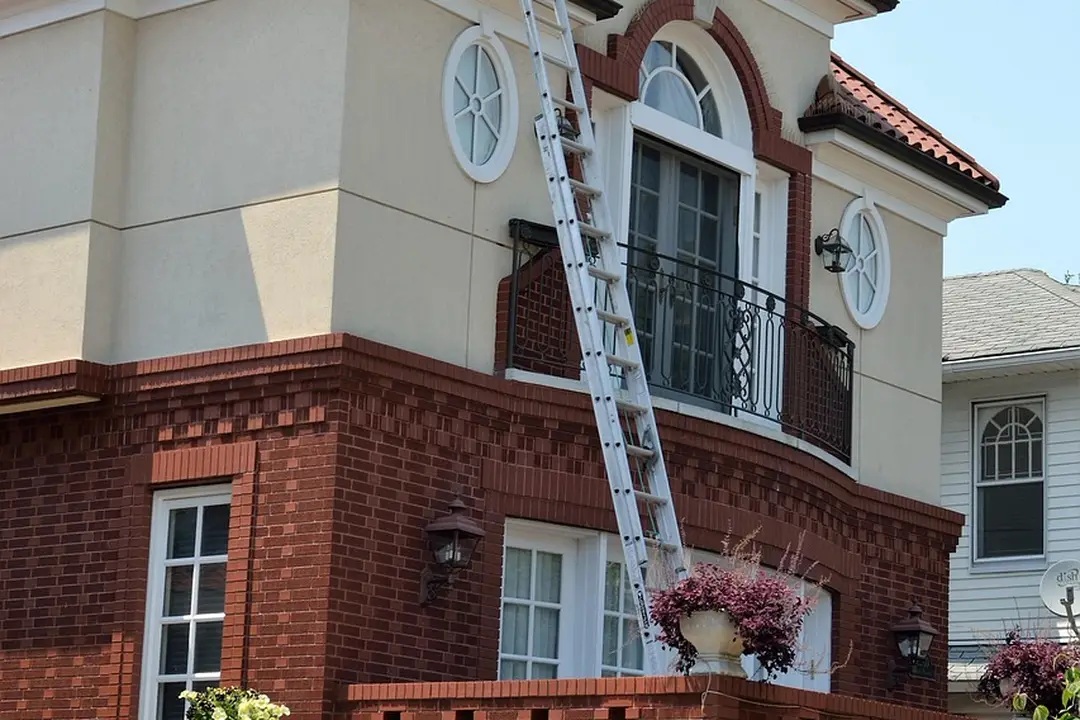
Legal troubles and inadequate insurance can sink an HOA fast, leaving you with the bill. If the HOA lapses its insurance, you could be personally liable for claims and costly repairs. You must verify the association is not entangled in costly lawsuits and is properly protected against disasters. This includes understanding the consequences of HOA insurance lapse, as this step is about risk management.
Significant litigation for an HOA usually involves construction defects, disputes with contractors, or major lawsuits between the association and homeowners. These issues are among the most common HOA legal disputes, reflecting core governance and contract enforcement tensions.
A healthy, well-managed HOA should carry several key types of insurance coverage.
- Master Property Insurance: Covers damage to common areas like buildings, pools, and clubhouses.
- General Liability Insurance: Protects the HOA if someone is injured in a common area.
- Directors and Officers (D&O) Insurance: Essential coverage that protects the board members from personal liability for their decisions.
- Fidelity Bond: This is insurance against theft or embezzlement of HOA funds.
To check for pending issues against the property itself, take these steps.
- Ask the seller directly if they have any outstanding HOA violations.
- Request a formal “estoppel certificate” from the HOA, which outlines any fees owed or violations open on the account.
Reviewing recent meeting minutes is one of the best ways to uncover ongoing problems that aren’t yet public knowledge. Scan the notes for discussions about insurance claims, attorney consultations, or homeowner disputes. You are looking for hints of future trouble that could affect your finances and peace of mind.
Understand Maintenance and Vendor Contracts
Knowing who fixes what saves you from unexpected bills and frustrating disputes down the line. Always confirm whether you or the HOA are responsible for items like windows, decks, patios, and even specific appliances. This division can vary wildly between communities. When water damage occurs, knowing who covers mitigation and repairs can prevent delays and extra costs. This is a practical example of navigating water damage issues and understanding how HOA vs homeowner responsibility is typically explained and applied.
Ask about upcoming major projects and their associated costs. Common capital expenditures often include roof replacements, parking lot repaving, elevator modernizations, and pool deck renovations. These projects directly impact your future HOA fees. Understanding how fees are calculated helps you anticipate changes. They are influenced by factors such as reserve fund levels, projected maintenance needs, and financing for large projects.
Request to review the current vendor contracts for services like landscaping, pest control, and trash collection. Scrutinize these agreements for the scope of work, service frequency, cost, and the contract’s expiration date to gauge value for money. A long-term contract with a poorly performing company is a major red flag.
Review Lifestyle and Property Use Rules

Your dream home can feel like a prison if the community rules don’t align with your lifestyle. Pay close attention to rental restrictions, which may include leasing caps, minimum lease terms, or a complete ban on rentals. Pet policies often specify weight limits, breed restrictions, and the number of animals allowed.
Before you even think about painting your house or building a fence, understand the architectural control process. You will likely need to submit a formal application detailing your project, including materials and colors, for approval by a committee. This process ensures community standards but can slow down your plans.
Don’t assume you have unlimited access to all the shiny amenities. Ask key questions about common areas: Are there guest policies or usage fees for the pool or clubhouse? Are there quiet hours for outdoor spaces? What are the operating hours for gyms and tennis courts? The answers define your daily living experience.
Verify Management and Governance Health

Before you buy, it’s vital to grasp who runs the show in your potential HOA. Knowing the difference between the board and a management company helps you pinpoint where decisions are made and how issues get resolved. The board consists of elected homeowners who set policies and approve budgets, much like a volunteer steering committee. A management company, if hired, handles daily tasks like collecting dues and coordinating repairs, acting as the operational arm. It’s also helpful to understand the distinct roles and powers of board members versus committee members within the HOA.
Clarifying these roles upfront prevents confusion over responsibility for common area upkeep or rule enforcement. Always confirm if the association is self-managed or uses a professional firm, as this impacts responsiveness and expertise.
To understand meeting schedules and your rights as a homeowner, follow these steps:
- Ask for the HOA’s annual meeting calendar to see how often the board convenes.
- Read the bylaws to learn if you can attend meetings, speak during open forums, or vote on certain matters.
- Check if meetings have open sessions for homeowner input and closed sessions for sensitive topics.
- Find the process for submitting agenda items or proposing changes to policies.
Reviewing these details ensures you won’t be caught off guard by limited participation opportunities.
When examining board minutes, look for these key governance and conflict indicators:
- Consistent meeting attendance and quorum records to gauge board engagement.
- Documentation of major financial decisions, like reserve fund usage or special assessments.
- Discussions or adoptions of conflict of interest policies to prevent self-dealing.
- Records of abstentions or recusals during votes where board members had personal stakes.
- Notes on ethical training or compliance reviews that promote transparent operations.
Spotting red flags in minutes early can save you from joining an association with governance issues.
Common Questions
What are the current dues or assessments and what do they cover?
Current dues are the regular fees you pay for the upkeep of shared community elements and services. These fees typically cover common area maintenance, utilities, insurance, and contributions to the reserve fund for future major repairs.
Are there any pending or anticipated special assessments?
A special assessment is an additional fee charged to all homeowners for an unexpected expense or a major project not covered by the reserve fund. Understanding how reserve funds are funded and when they’re projected to run low can help you anticipate potential assessments. Always ask the HOA board or manager directly about any pending or planned special assessments to avoid a surprise financial burden after you purchase.
What is the status and balance of the HOA reserve fund?
The reserve fund is the association’s savings account for major future repairs and replacements of common elements like roofs, roads, and pools. A low reserve fund balance, often defined as being less than 50% funded, is a major red flag that could lead to a special assessment. The consequences of an underfunded reserve can include sudden special assessments or borrowing costs borne by members. This means homeowners could face higher monthly dues or one-time charges to cover long-term repairs.
Where can I access the HOA governing documents (CC&Rs, Bylaws, Rules, and amendments)?
You can request these essential documents directly from the HOA’s board of directors or its management company. Thoroughly reviewing the CC&Rs, Bylaws, and Rules before you buy is crucial to ensure the community’s lifestyle and restrictions align with your expectations. Are HOA bylaws key requirements, and do they include the rules you must follow? They usually outline mandatory standards, approvals, and obligations, so knowing what they include helps you anticipate what you’ll need to comply with.
Your Key to a Confident Home Purchase
By thoroughly reviewing the HOA’s finances, rules, and meeting minutes, you uncover the true cost and character of your potential community. Before you buy, evaluate how the HOA’s fees, reserve funds, and governance affect your budget. This proactive effort protects your investment and ensures your new home is a place you’ll love for years to come.
Further Reading & Sources
- The Importance of Including HOAs in Your Due Diligence – REI INK
- Important Documents You Need When Buying in an HOA – PropLogix
- Buying a Home in a HOA | Division of Real Estate
- HOA Center Advisory: Conducting Due Diligence Before Signing a Contract to Buy Real Property | Division of Real Estate
Brandon has been on both ends of HOA, as part of it, he has helped build his community in Oregon, while also helping other homeowners deal with typical and atypical issues one might face. He has 8+ years of experience dealing with HOAs himself and on behalf of his friends and family, and he brings his extensive expertise and knowledge to make your HOA interaction seamless and smooth.
HOA Governing Documents