
A Buyer’s Guide to HOA Rules in New Construction Communities
Published on: February 13, 2026 | Last Updated: February 13, 2026
Written By: Brandon Chatham
When buying a new construction home, you must request and carefully review the HOA’s Covenants, Conditions, and Restrictions (CC&Rs) and rules before you finalize your purchase. This document is your blueprint for community living and outlines everything you can and cannot do with your new property.
You might wonder why these rules are such a big deal for a brand-new house. New construction communities often have unique, evolving rules that can directly impact your move-in plans, landscaping choices, and even your ability to park a moving truck. The developer initially sets these rules, and they can be surprisingly specific as the community is being built out.
This guide will walk you through the entire process. You’ll learn exactly where to find these critical documents, how to decode the legal language, and what specific rules often surprise new owners. We cover everything from architectural control to pet policies, helping you buy your dream home with your eyes wide open.
The Fundamentals of HOAs in New Construction
A homeowners association (HOA) is a legal entity that manages a community’s common areas and enforces a set of rules for all residents. In new construction, the developer initially controls the HOA, making all decisions until a certain number of homes are sold. This transition period is crucial because the rules and financial health are still being established by the builder. (Learn what an HOA is and how it works.)
Community guidelines in a brand-new neighborhood are often more detailed and restrictive than in older areas. Builders use these rules to create a specific aesthetic and protect property values from the very beginning, controlling everything from paint colors to fence styles. This ensures a uniform look while the community is being built out, which can be very different from an established neighborhood with mature landscaping and varied home styles.
An HOA’s responsibilities are wide-ranging and directly impact your daily living experience.
- Maintaining common areas like parks, pools, and clubhouses
- Landscaping for shared green spaces and entrances
- Trash and recycling services for the entire community
- Snow removal from common roads and sidewalks
- Managing security features like gates or patrols
- Enforcing the community’s rules to preserve standards
Key Documents You Must Review Before Buying
The Covenants, Conditions, and Restrictions are the legal backbone of the HOA. CC&Rs are legally binding documents that dictate what you can and cannot do with your property, covering everything from parking RVs to owning pets. You are contractually obligated to follow these rules the moment you become a homeowner, so understanding them is non-negotiable.
Architectural guidelines provide specific criteria for your home’s exterior appearance. Before you can change your home’s exterior-even something as simple as installing a new mailbox-you must submit an application and get approval from the architectural review committee. This process ensures any modifications align with the community’s overall design standards and protects the cohesive look the builder established.
Builder disclosures reveal critical information about the community’s current state and future plans.
- Formally request the HOA resale certificate or disclosure package from the builder or sales agent.
- Scrutinize the HOA’s budget and reserve fund study to check its financial health.
- Look for any pending litigation against the builder or the HOA itself.
- Review meeting minutes to understand current issues and builder responsiveness.
- Identify any known defects in common areas or upcoming special assessments.
Understanding HOA Fees and Financial Obligations

Your monthly HOA fee pays for the upkeep of shared amenities and common areas. Understanding how reserve funds and special assessments work can help you anticipate future costs and plan accordingly. Special assessments are extra fees charged to all homeowners for unexpected repairs or major projects not covered by the reserve fund. A healthy reserve fund, built from a portion of your monthly fees, is vital for planned future expenses like repaving roads or replacing a clubhouse roof.
| Fee Type | Typical Cost Range | Commonly Covers |
|---|---|---|
| Monthly HOA Dues | $200 – $500+ | Landscaping, pool maintenance, trash service, insurance for common areas |
| Special Assessment | Varies (can be thousands) | Emergency repairs, major replacements, unexpected legal fees |
| Capital Contribution | One-time fee at closing | Initial funding for the HOA’s reserve fund |
HOA fees directly impact your monthly housing budget and should be factored in alongside your mortgage payment. Consistently low fees can be a red flag, indicating the HOA may not be saving enough for future repairs, which often leads to a large special assessment down the road. To estimate long-term expenses, ask for the reserve study and look at the history of fee increases to gauge future costs accurately. Since lenders assess total monthly housing costs, HOA fees can impact the mortgage amount you qualify for. Higher ongoing dues can raise the monthly payment and reduce how much you can borrow.
Common Rules and How They’re Enforced
Living in a new construction community often means agreeing to a detailed set of rules designed to protect property values and ensure a harmonious environment. You will likely encounter specific restrictions covering everything from the color of your front door to how you use your own backyard.
Frequent Community Restrictions
While rules vary, several common themes appear in nearly every HOA’s governing documents.
- Rental Restrictions: Many HOAs limit the number or duration of rentals, require tenant screening, or impose a complete rental cap to maintain a owner-occupied community feel.
- Pet Regulations: Rules often specify the number, breed, and size of pets allowed. You may also find leash laws and waste cleanup policies for common areas.
- Common Area Use: Pools, clubhouses, and parks typically have posted hours, guest policies, and rules about reserving spaces for private events.
- Vehicle and Parking: Rules frequently prohibit parking RVs, boats, or commercial vehicles on the street or in driveways for extended periods.
- Landscaping and Exteriors: You might be required to maintain your lawn to a certain standard and get approval before removing or planting large trees.
Enforcement Procedures and Penalties
The HOA has a legal duty to enforce its rules uniformly. The enforcement process usually begins with a written courtesy notice, giving you a chance to correct the issue without a fine. If the violation continues, the process typically escalates. Understanding your due process rights during violation proceedings is important. You may have the right to a hearing or appeal if you disagree with the outcome.
- Violation Notice: You receive a formal letter detailing the specific rule broken and the required corrective action.
- Hearing Opportunity: You often have the right to request a hearing with the board to explain your situation before fines are levied.
- Fining: If unresolved, the HOA can impose recurring fines until compliance is achieved. These fines can accumulate quickly.
- Legal Action: For severe or persistent violations, the HOA may place a lien on your property or pursue other legal remedies.
Architectural Guidelines and Design Reviews
Want to build a deck, paint your house, or install a fence? You’ll need approval from the Architectural Review Committee (ARC). The ARC exists to ensure any modifications are aesthetically pleasing and comply with the community’s overall design standards.
To navigate this process smoothly, always submit a formal application with detailed plans, material samples, and a site plan. For example, a guideline might require all fences to be six-foot tall shadowbox style made of cedar or composite materials. Providing clear, complete information upfront significantly speeds up approval. Assume that any exterior change, no matter how small, requires a submitted request.
The Builder Transition and Your Rights

A unique aspect of buying a new home is the period where the developer, not the residents, controls the HOA. This transition period is a critical time that shapes the future of your community and your financial obligations.
The Handover of Control
The builder typically controls the HOA board until a certain percentage of homes are sold, often 75-90%. At this trigger point, the developer is legally obligated to transition control of the association to the homeowners. This means you and your neighbors will elect a resident-led board of directors to make all future decisions. The builder must also turn over all HOA financial records, contracts, and governing documents. This transition marks the HOA becoming self-managed by residents. The new board carries the legal responsibilities of governance, including fiduciary duties and compliance with state laws.
Your Voting Rights and Board Involvement
Even during the builder-control period, you have rights as a member of the association. You should receive meeting notices and have the right to attend board meetings, though you may not have a vote until the transition. As the community nears the turnover threshold, it’s wise to get involved.
- Introduce yourself to neighbors who might be interested in serving on the first resident board.
- Attend meetings to understand the community’s current financial health and ongoing issues.
- Volunteer for a transition committee to help review the documents the builder will provide.
Reviewing Builder Disclosures and Future Changes
The developer is required to provide a detailed disclosure packet about the HOA. Scrutinize this packet carefully, as it reveals the builder’s plans for future phases and potential changes to your fees and amenities. Pay close attention to a few key areas.
- Declarant Rights: This section outlines special powers the builder retains, like the right to build more homes or rent unsold units, which can impact your lifestyle.
- Future Phases and Amenities: Understand what amenities are promised but not yet built. Your HOA fees might be low initially but are almost guaranteed to increase once the builder leaves and the full cost of maintaining pools, parks, and roads falls to the residents.
- Reserve Study: A professional reserve study analyzes the HOA’s long-term repair and replacement costs. Ensure one is completed at turnover to plan for future special assessments.
Navigating HOA Governance and Participation
An HOA is run by a volunteer board of your fellow homeowners, typically elected by the community. Understanding this governance structure is your first step toward protecting your investment and your peace of mind. The board makes key decisions on budgets, rule enforcement, and community projects, usually during scheduled monthly or quarterly meetings. To ensure these decisions are consistent and transparent, boards should implement essential HOA operating procedures. These procedures cover governance, budgeting, enforcement, and record keeping.
Your Rights as a Homeowner
You are not just a subject of the rules; you have important rights within the association. You have the legal right to attend most board meetings, providing a window into how your community is managed. While executive sessions for sensitive topics like legal matters or delinquencies are often closed, general meetings are your opportunity to listen and learn.
- Vote on Amendments: Major changes to the community’s governing documents, like the Covenants, Conditions, and Restrictions (CC&Rs), typically require a homeowner vote. Your voice directly shapes the community’s future.
- Request Variances: If a rule creates a unique hardship, you can formally request a variance or exception. This is common for things like fence modifications for a pool or landscaping for drainage issues. Be prepared to present a clear, written case to the board.
- Run for the Board: The most direct way to influence decisions is to serve on the board yourself. This gives you a seat at the table for all major financial and operational choices.
Staying Engaged and Informed
Passive homeowners are often the ones surprised by new rules or special assessments. Create a dedicated folder for all HOA documents, from the initial rules to every newsletter and meeting minute you receive. This becomes your essential reference guide for any dispute or question.
Take an afternoon to actually read the bylaws and CC&Rs. Knowing the difference between the bylaws (how the HOA operates) and the CC&Rs (what you can and cannot do with your property) prevents countless misunderstandings. Set a calendar reminder for annual meetings and budget reviews so you never miss a critical update.
A Step-by-Step Due Diligence Checklist
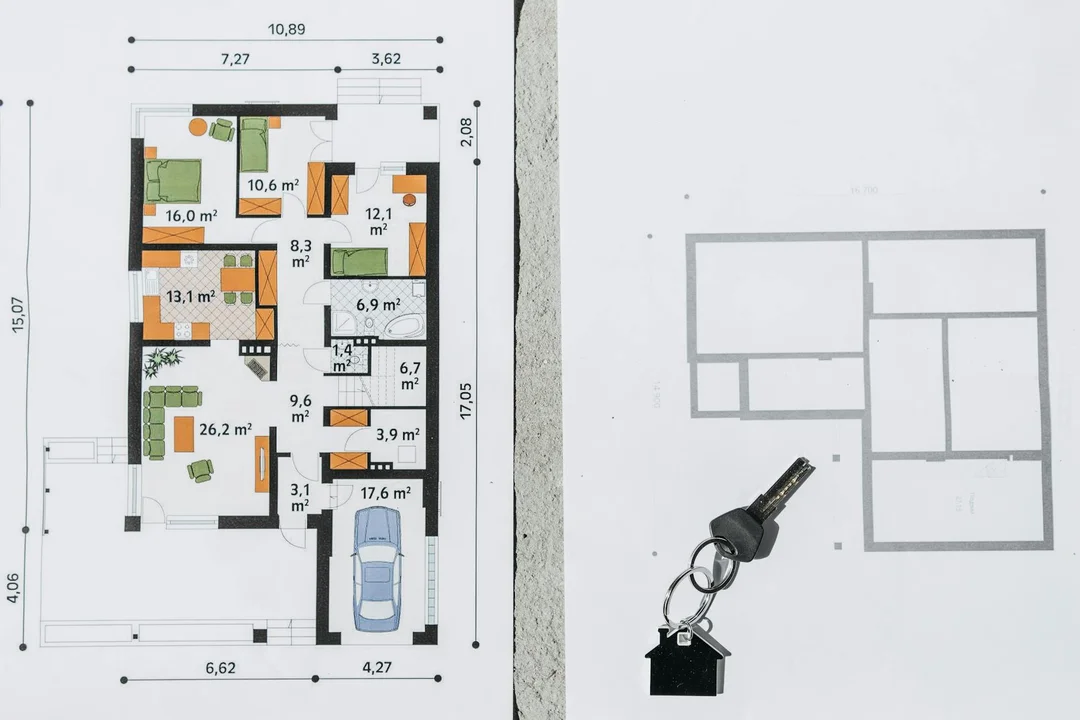
Before you sign on the dotted line, treat the HOA with the same scrutiny you would a home inspection. This checklist helps you uncover potential red flags and ensures the community’s rules align with your lifestyle. When evaluating your HOA before you buy a home, you’ll discover fees, restrictions, and architectural rules that could impact your day-to-day. Taking a few extra minutes now can prevent costly surprises after move-in.
-
Review all HOA documents, including CC&Rs and financial statements.
Scrutinize the Covenants, Conditions, and Restrictions (CC&Rs), bylaws, and rules. Pay close attention to the association’s financial health. A robust reserve fund for future repairs is a sign of good management.
-
Ask about current and projected HOA fees, assessments, and reserves.
Find out the exact monthly or quarterly fee and ask if increases are planned. Inquire about any recent special assessments and whether another one is likely for a major project like roof replacements or road repaving.
-
Check for any pending rules changes or enforcement issues.
Ask the board or property manager if there are any proposed amendments to the rules that are up for a vote. Also, see if there are any ongoing, widespread enforcement disputes, like a battle over satellite dishes or parking.
-
Verify amenities and common area policies to match your lifestyle.
If the community pool or clubhouse was a major selling point, confirm its operating hours, guest policies, and reservation process. Understand the rules for using any other shared spaces like parks or gyms.
-
Consult with a professional if needed to clarify complex terms.
If the documents are dense with legal jargon or the financials seem unclear, don’t hesitate to pay a real estate attorney for an hour of their time to review them. This small investment can save you from major financial headaches later.
FAQs
How do HOA rules in new construction communities impact my ability to customize my home?
New construction HOAs often enforce strict architectural guidelines that require approval for even minor exterior changes like paint colors or fence installations. This process ensures community-wide consistency but means you cannot make alterations without submitting a formal request to the architectural review committee. Throughout the process, you’ll need to identify all changes that require approval.
What should I expect for HOA fees in new construction homes in affordable markets like Houston under $300k?
Initial HOA fees in budget-friendly new construction areas might seem low, as they often cover only basic services like common area maintenance. However, fees typically rise after the builder transitions control to homeowners, as more amenities are completed and long-term upkeep costs are factored in. HOA fees are calculated from factors such as maintenance needs, reserve funds, and the scope of amenities. Understanding these factors helps buyers anticipate ongoing costs.
Are there specific HOA considerations for HVAC systems in new construction homes?
HOAs may regulate the placement and appearance of HVAC units to preserve the community’s uniform exterior look. You may need approval for any system replacements or modifications to ensure they meet design standards and do not disrupt the neighborhood’s aesthetic.
How do HOA rules vary for new construction homes in different states, such as New Jersey or Pennsylvania?
While core HOA rules are similar, state-specific laws can influence aspects like reserve fund requirements or disclosure timelines. For instance, some states mandate more detailed financial reports or stricter transition procedures, which can affect how rules are enforced and fees are structured.
Your Path to Confident HOA Homeownership
Thoroughly review the HOA’s governing documents and financial statements before you purchase to understand all rules and fees. This proactive step helps you avoid surprises and ensures your new home aligns with your lifestyle and budget. If you’re unsure how to access these records, follow our step-by-step guide to request and read the HOA’s financial statements. It will help you interpret the numbers and spot potential issues before you buy.
Further Reading & Sources
- What to Know About HOAs in New Construction
- New Construction And HOA Governance: A Basic Guide – BUILD Magazine
- Building a Custom Home: What to Know about Permits and HOAs
- Who says that all new construction must have HOA governance?
Brandon has been on both ends of HOA, as part of it, he has helped build his community in Oregon, while also helping other homeowners deal with typical and atypical issues one might face. He has 8+ years of experience dealing with HOAs himself and on behalf of his friends and family, and he brings his extensive expertise and knowledge to make your HOA interaction seamless and smooth.
HOA Governing Documents