
Can You Legally Avoid HOA Fees? The Honest Truth
Published on: March 25, 2026 | Last Updated: March 25, 2026
Written By: Brandon Chatham
The short answer is no, you cannot legally avoid paying your mandatory HOA fees. When you buy a property in a homeowners association, you enter a legal contract agreeing to pay these dues. They are not optional, and failing to pay them has serious financial and legal consequences.
You might now be wondering, what happens if I just stop paying? The association can quickly take action against you. They will typically start by charging late fees and interest on the overdue amount. If the debt remains unpaid, the HOA can place a lien on your property. This lien gives them a legal claim to your home, which can lead to foreclosure proceedings, ultimately forcing the sale of your house to recover the debt.
While you cannot simply skip payments, there are legitimate strategies to manage or even reduce this financial obligation. This article will guide you through the legal avenues available. We will cover how to challenge a fee increase you believe is unfair, explore potential payment plans for financial hardship, and explain the rare circumstances where fees might be waived. You will also learn the critical difference between mandatory and voluntary fees, and how to protect your biggest investment-your home.
The Legality of HOA Fee Obligations
When you purchase a home in a managed community, you enter a legal contract. The Covenants, Conditions, and Restrictions (CC&Rs) you agree to are legally binding documents that create your obligation to pay HOA fees. These aren’t suggestions; they are enforceable rules that run with the land, meaning they apply to all current and future owners. Do these communities have HOA fees? Most managed communities charge regular HOA dues to fund maintenance of common areas and amenities.
State laws, often found under planned community or condominium acts, further empower HOAs to levy these assessments. Your promise to pay is a core part of homeownership within the community’s framework. Trying to avoid these fees is not a simple matter of disagreement but a breach of a legal contract.
What Your HOA Fees Typically Cover
Your monthly or annual payment is pooled with your neighbors’ fees to fund shared expenses. This collective financial model is what maintains property values and community standards for everyone. Common uses for these funds include:
- Landscaping for common areas like parks, medians, and entrances.
- Maintenance for shared structures such as pools, clubhouses, and fences.
- Utilities for common areas, including lighting and water features.
- Trash collection and recycling services for the neighborhood.
- Insurance for common property and liability coverage.
- Reserves for future major repairs like repaving roads or replacing roofs.
How HOA Fee Amounts Are Determined
The HOA board doesn’t arbitrarily pick a number for your fees. Fee amounts are calculated based on a detailed annual budget that forecasts all community expenses. The board reviews this budget, and it is often subject to a vote or review by the membership. Your share is typically a simple division of the total budget by the number of units, or it may be based on your property’s square footage or type.
For large, unexpected repairs, the board may levy a special assessment. This is an additional, one-time fee that all homeowners must pay to cover the unbudgeted cost. The authority for both regular and special assessments is outlined in your community’s governing documents.
Legal Exemptions and Waivers from HOA Fees
Exemptions from paying HOA fees are exceptionally rare and are not available simply because you disagree with the board. You cannot legally opt out of fees because you don’t use the pool or live in the community year-round. However, in very specific and documented circumstances, temporary relief may be possible.
Rare Circumstances for Fee Exemptions
Some associations have provisions for temporary waivers or payment plans under extreme conditions. Always start by meticulously reviewing your own CC&Rs for any mention of fee deferrals or hardship clauses. Potential scenarios might include:
- Active military deployment, where state laws like the Servicemembers Civil Relief Act (SCRA) may offer protections.
- Formally declared financial hardship, often requiring proof of job loss, medical crisis, or disability.
- Major, undisclosed construction defects in the common areas that the HOA has failed to address.
The Process for Requesting a Fee Waiver
If you believe you qualify for relief, you must follow a formal process. Ignoring your bill will only lead to penalties; communication with the HOA board is your first and most critical step. You should prepare a written request that includes:
- A formal letter explaining your specific qualifying circumstance.
- Supporting documentation, such as deployment orders, termination notices, or medical bills.
- A proposed solution, like a temporary payment plan or a deferral of a portion of the fees.
The board will review your request and has the discretion to approve or deny it. Getting a waiver is never guaranteed and is entirely at the board’s discretion, based on the governing documents and state law.
Temporary Reductions in Fees
In some cases, a full waiver isn’t possible, but a reduction might be. If the HOA votes to temporarily shut down a major amenity, like a pool for an entire season, you might successfully argue for a small, temporary fee reduction. This is because the operating cost for that amenity is no longer in the budget. This action typically requires a vote and amendment to the budget, not just a single homeowner’s request.
Consequences of Non-Payment: From Penalties to Foreclosure
Choosing to stop paying your HOA fees triggers a serious and escalating series of consequences. The HOA has a fiduciary duty to collect dues from all homeowners to protect the financial health of the community. They will take action to recover the debt you owe. To challenge them effectively, it’s important to understand what the fees cover and which charges may be disputed. Knowing exactly what services and reserves your dues fund can help you assess your options before contesting them.
-
Step 1: Initial Late Fees and Interest Charges
After missing your payment due date, the HOA will typically add a late fee. Your account will also begin accruing interest on the overdue balance at a rate defined in your CC&Rs. You will receive notices and past-due statements, and your access to community amenities may be suspended immediately.
-
Step 2: Placement of a Lien on Your Property
If the debt remains unpaid, the HOA will file a formal lien against your property title. This lien is a public record that legally encumbers your home, making it very difficult to sell or refinance. The lien will include the past-due fees, along with all the accumulated late fees, interest, and any legal costs incurred by the HOA up to that point.
-
Step 3: Collection Actions, Lawsuits, or Foreclosure
The HOA can now pursue more aggressive collection methods. They may turn your account over to a collection agency, which will negatively impact your credit score. In most states, the HOA also has the legal right to sue you for the money judgment or, more severely, to initiate foreclosure proceedings to force the sale of your home to satisfy the debt.
-
Step 4: Impact on Credit and Ability to Sell
A lien and collection activity will be reported to credit bureaus, causing significant damage to your credit. You cannot sell your home with a clear title until the HOA lien is fully paid off, which often requires paying the debt at the closing table. This entire process creates immense financial and legal stress that is far more costly than the original fees. Before buying a home, review the HOA lien policies and current dues. Understanding how HOA assessments and liens affect ownership helps you avoid last-minute closing hurdles.
Disputing HOA Fees: Mediation, Arbitration, and Litigation
When you believe your HOA fees are unfair or incorrect, you have formal paths to challenge them. Choosing the right dispute resolution method can save you significant time, money, and stress. Disputes over maintenance decisions and the fees they generate are a common source of contention. Understanding your options can help you protect your interests.
Comparing Your Dispute Resolution Options
Each method offers a different level of formality and finality.
- Mediation: This is a voluntary and informal process. A neutral third-party mediator helps you and the HOA board talk through the issue to find a mutual agreement. The mediator does not impose a decision. It’s often the cheapest and fastest option, preserving neighborly relationships.
- Arbitration: This is a more formal, trial-like proceeding. An arbitrator listens to evidence and arguments from both sides and then issues a binding decision. Arbitration is typically faster and less expensive than a full court case, but you give up your right to appeal the outcome.
- Litigation: This means filing a lawsuit in civil court. It is the most expensive, time-consuming, and adversarial route. A judge (or jury) will make a legally binding ruling. Litigation is usually the last resort for the most serious, unresolvable conflicts.
Common Grounds for Fee Disputes
You need a valid legal reason to challenge your fees successfully. Common grounds include:
- Fee increases that violate the HOA’s governing documents or state laws.
- Charges for services or amenities you are not receiving (e.g., a closed pool, unmaintained common areas).
- Fees that are not applied uniformly to all homeowners, creating discrimination.
- Special assessments levied for projects that are not a legitimate common expense.
- Mathematical errors in the calculation of your individual share.
Steps to Formally Challenge Your Fees
Follow a structured approach to build a strong case.
- Thoroughly review your HOA’s Covenants, Conditions, and Restrictions (CC&Rs) and bylaws to understand the rules for fee calculations and increases.
- Gather all supporting evidence, such as payment records, correspondence with the board, photos of neglected amenities, and meeting minutes.
- Send a formal, written dispute letter to the HOA board detailing your specific grievance and the resolution you seek.
- Attend a board meeting to present your case directly and see if a simple conversation can resolve the issue.
- If internal resolution fails, file a formal complaint to initiate the mediation or arbitration process as outlined in your HOA’s governing documents. Your governing documents often specify which dispute resolution method you must try first before going to court.
Bankruptcy as a Remedy for HOA Fee Debt
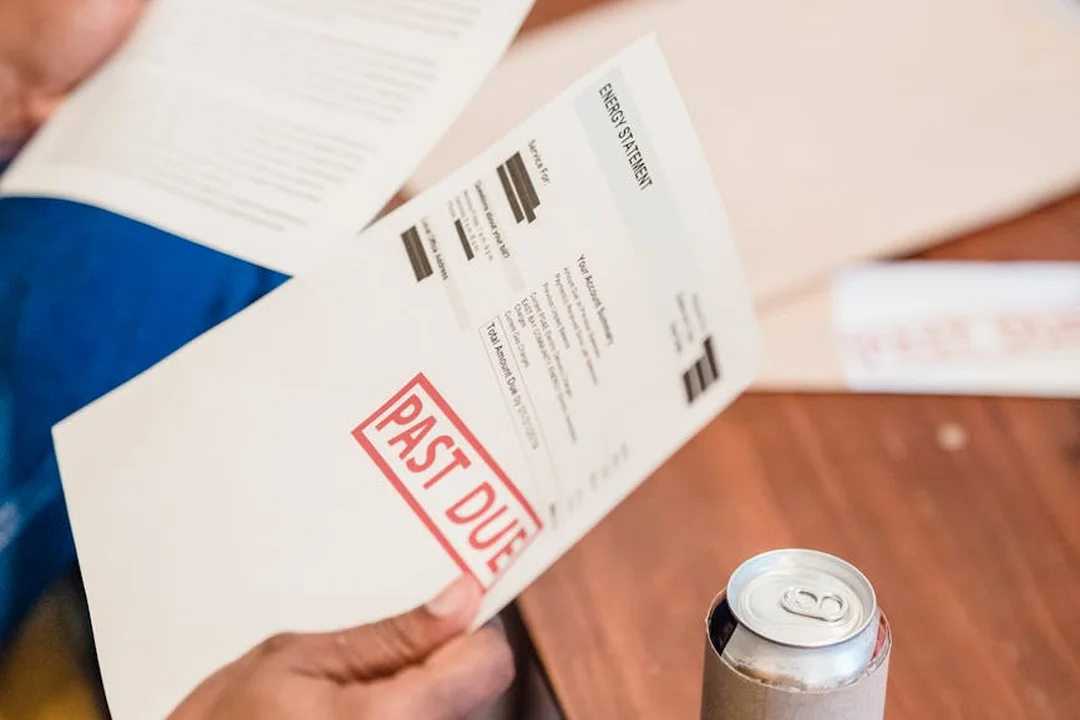
For homeowners drowning in overwhelming debt, bankruptcy can offer a legal path to manage or eliminate HOA fees. Bankruptcy provides a powerful, court-ordered tool to address unmanageable debt, but it comes with severe and lasting consequences.
How Chapter 7 and Chapter 13 Bankruptcy Affect HOA Fees
The type of bankruptcy you file determines the outcome for your HOA debt.
- Chapter 7 Bankruptcy (Liquidation): This process can discharge (wipe out) your personal obligation to pay past due HOA fees that accumulated before you filed. You are no longer personally liable for these pre-bankruptcy debts, preventing the HOA from suing you for them.
- Chapter 13 Bankruptcy (Reorganization): This sets up a 3- to 5-year court-approved repayment plan. Your past-due HOA fees are combined with other debts, and you pay back a portion of them through the plan. It allows you to catch up on arrears over time while keeping your home.
Discharged Fees vs. Secured Debts
Bankruptcy does not erase all your HOA obligations.
- Discharged (Eliminated) Debts: Fees that were due before you filed for bankruptcy are typically discharged. The HOA cannot pursue you for this money after your case is closed.
- Secured (Ongoing) Debts: Your obligation to pay future HOA fees that come due after you file for bankruptcy is not eliminated. If you wish to keep your home, you must stay current on all regular and special assessments that accrue after your bankruptcy filing date. The HOA’s lien on your property for these ongoing fees remains in force.
Long-Term Consequences on Homeownership and HOA Relations
Filing for bankruptcy has profound implications beyond just debt relief.
- It severely damages your credit score, making it difficult to obtain loans, credit cards, or even rent an apartment for years.
- While it can stop foreclosure temporarily, you must still pay all future fees on time to keep your home in the long run.
- The relationship with your HOA will likely become strictly transactional and potentially strained. Bankruptcy is a major financial step that should only be considered after consulting with a qualified bankruptcy attorney who understands HOA law.
Practical Steps to Legally Address HOA Fee Issues
-
Review your CCRs and fee statements to understand your obligations. Pull out your governing documents and look closely at sections about assessments, special fees, and payment deadlines. This foundational step helps you spot any discrepancies or unclear terms that could support your case. Check your fee statements for accuracy, ensuring no unauthorized charges are included.
-
Communicate with the HOA board to discuss payment plans or disputes. Reach out in writing to request a meeting, and calmly explain your situation or concerns. Many boards are willing to work with homeowners on flexible payment options if you approach them respectfully and proactively. Consider negotiating effectively to reach an agreement that’s fair for both parties. Propose a realistic plan, like spreading payments over several months, to show good faith.
-
Consult a real estate attorney for legal advice on exemptions or defenses. If your initial talks stall or involve complex issues, seek a professional who specializes in HOA law. An attorney can identify specific legal defenses, such as improper fee increases or violations of state statutes, that might apply to your case. They can also guide you on whether exemptions for seniors or disabilities are relevant in your state.
-
Document all interactions and keep records of payments and correspondence. Save emails, letters, and notes from conversations with dates and key points. Thorough documentation creates a paper trail that can protect you if the dispute leads to a hearing or court. Organize receipts and bank statements to prove your payment history and any agreements made.
Common Scenarios Where Homeowners Challenge Fees
-
Describe situations like deferred maintenance, unauthorized fee hikes, or breach of covenant by the HOA. For instance, if the HOA neglects pool repairs or landscaping despite collecting fees, homeowners may argue the services aren’t delivered. Unauthorized fee hikes occur when boards raise dues without proper notice or a vote, violating your CCRs or state laws. A breach of covenant might involve the HOA failing to enforce rules evenly, leading some to question fee fairness.
-
Include examples from community discussions, such as Reddit threads on avoiding fees. Online forums often feature stories where homeowners successfully contested fees after the HOA misused funds for non-essential projects. In one typical thread, a user shared how they challenged fees when the association added a sudden “capital improvement” charge without member approval. Others mention cases where fees were disputed due to poor communication or lack of transparency in budgeting.
-
Offer advice on when challenging fees is likely to succeed versus when it risks penalties. You have a stronger case if the HOA clearly broke its own rules or state regulations, like imposing fees beyond legal limits. Challenges often succeed when you can prove the HOA acted arbitrarily or failed to provide promised amenities. To dispute a specific HOA fee or fine successfully, gather all supporting documents, notices, and the governing documents, and follow the HOA’s dispute procedures. If needed, consider mediation or small-claims court as avenues for resolution. However, if you simply don’t want to pay without a valid reason, you risk late fees, liens, or even foreclosure, so weigh the consequences carefully.
FAQs
Is it possible to legally avoid HOA fees entirely?
No, you cannot legally avoid paying mandatory HOA fees as they are a binding contractual obligation. Attempting to skip payments will lead to enforcement actions like liens or foreclosure. Understanding the purpose of HOA fees helps explain why homeowners are required to pay. These funds cover maintenance of common areas, amenities, and reserve accounts that protect property values.
What are the immediate consequences of not paying HOA fees?
You will face late fees, interest charges, and potential suspension of amenity access. The HOA can quickly place a lien on your property, escalating to foreclosure if unpaid. Understanding the key differences between HOA fines, liens, foreclosure differences helps explain what happens at each stage. Each mechanism has its own triggers, timelines, and consequences.
How can I legally reduce my HOA fees?
You may qualify for a temporary waiver or payment plan due to financial hardship or military deployment. Always review your CC&Rs and communicate with the board to explore legitimate options.
What insights can I gain from Reddit about HOA fee disputes?
Reddit threads often share stories of homeowners challenging fees due to unauthorized hikes or poor maintenance. However, these discussions emphasize that outright avoidance is illegal and risky.
Your Path Forward with HOA Fees
Your best approach is to pursue legitimate options like payment plans or challenging invalid fees, not simply refusing to pay. Ignoring your HOA dues is a high-risk strategy that can lead to liens, foreclosure, and serious financial harm.
Further Reading & Sources
- How to Opt Out of an HOA – Experian
- How to get out of paying HOA dues
- r/fuckHOA on Reddit: Avoid paying for HOA?
- Waiving HOA Fees | Possibilities and Procedures | HOA Start
Brandon has been on both ends of HOA, as part of it, he has helped build his community in Oregon, while also helping other homeowners deal with typical and atypical issues one might face. He has 8+ years of experience dealing with HOAs himself and on behalf of his friends and family, and he brings his extensive expertise and knowledge to make your HOA interaction seamless and smooth.
Legal Resources