
Common HOA Bylaw Violations and How to Fix Them Fast
Published on: April 3, 2026 | Last Updated: April 3, 2026
Written By: Brandon Chatham
The most common HOA bylaw violations involve landscaping and property upkeep, unauthorized exterior changes, parking issues, and trash can visibility. Homeowners often receive violation notices for these everyday oversights without realizing they’ve broken a rule.
You might wonder what your very first step should be after getting that notice. Always read the violation letter carefully and check your official HOA documents to confirm the specific rule. This helps you understand if the violation is valid and what the correction timeline is.
Navigating an HOA violation can feel stressful and confusing. This guide walks you through the entire process, from identifying frequent violations to effectively resolving disputes. You will learn practical steps to communicate with your HOA board, understand your rights, and prevent future issues. Knowing how to handle these situations protects your peace of mind and your property value.
Understanding HOA Bylaw Violations and Governance
Your HOA’s governing documents are the rulebook for your community. These founding documents, which include the Covenants, Conditions, and Restrictions (CC&Rs), the bylaws, and the rules and regulations, form the legal framework that everyone agrees to follow. They also outline how the HOA is legally formed and authorized to govern the community. These founding documents establish the legal basis for the HOA’s creation and its enforcement powers. Think of them as the community’s constitution, designed to protect property values and ensure a harmonious living environment for all residents.
Violations occur when a homeowner’s actions, or the condition of their property, conflict with these established rules. Common areas of conflict often involve changes to your home’s exterior, how you maintain your yard, or where you park your vehicles. The board of directors, which is made up of elected volunteers from the community, is responsible for upholding these rules.
Key Governing Documents
- CC&Rs (Covenants, Conditions, and Restrictions): This is the most powerful document, detailing your obligations and the association’s responsibilities. It’s legally binding and recorded with the property.
- Bylaws: These outline how the HOA operates, including election procedures, meeting frequency, and the board’s powers.
- Rules and Regulations: These provide specific details on the day-to-day use of property and common areas, often addressing pets, parking, and noise.
| Document | Primary Focus | Example Rule |
|---|---|---|
| CC&Rs | Property use and maintenance | Home exteriors must be painted from an approved color palette. |
| Bylaws | HOA Administration | The board must hold an annual meeting every October. |
| Rules & Regulations | Common Area Use | Quiet hours in the pool area are from 10 PM to 8 AM. |
Most Frequent Types of HOA Bylaw Violations
Many violations happen simply because homeowners are unaware of a specific rule or forget to check the guidelines before starting a project. Landscaping and lawn maintenance consistently top the list of common violations across HOAs. An overgrown lawn, dead plants, or unapproved tree removal can quickly lead to a notice from the board. Don’t get fined—focus on avoiding the 12 common landscaping mistakes HOA homeowners make. By understanding these pitfalls, you can keep your yard compliant and your HOA satisfied.
Property Exterior and Landscaping
- Trash Can Visibility: Leaving trash or recycling bins on the curb outside of designated pickup days.
- Unapproved Exterior Changes: Installing a satellite dish, painting your front door a new color, or adding a fence without prior architectural committee approval.
- Poor Lawn Care: Failure to mow the lawn, remove weeds, or water landscaping, leading to a neglected appearance.
- Holiday Decorations: Leaving lights or decorations up long after the holiday has passed.
Vehicles and Parking
Parking rules are often a major point of contention. HOAs frequently regulate where you can park, for how long, and what types of vehicles are permitted. This can include restrictions on commercial vehicles, RVs, boats, or inoperable cars being stored in driveways or on the street.
Pets and Nuisances
- Pet Policies: Violating leash laws, not cleaning up after your pet, or exceeding the number or breed of pets allowed.
- Noise Complaints: Consistently loud parties, barking dogs, or early-morning lawn mowing that disturbs neighbors.
- Unapproved Rentals: Renting out your home or a room on a short-term basis (like Airbnb) if it’s prohibited by the CC&Rs.
How HOA Violations Are Discovered and Enforced

The enforcement process usually begins with a discovery. Violations are most often reported by neighbors or spotted during a routine inspection by the property manager or a board member. Many communities have a compliance committee dedicated to this task. The goal is not to punish but to achieve compliance and maintain community standards.
Once a potential violation is identified, the HOA will typically follow a multi-step process. Ignoring a violation notice is the worst thing you can do, as it almost always leads to escalating fines and potential legal action. Open communication is your most powerful tool for resolving the issue. If you receive a violation letter, following a step-by-step guide on how to respond can help you address it promptly. The guide covers what to include in your reply, documents to gather, and how to communicate with the HOA to resolve the issue.
The Standard Enforcement Procedure
- Violation Notice: You receive a formal, written letter or email describing the violation, referencing the specific rule, and requesting corrective action by a certain date.
- Hearing Opportunity: If the issue isn’t resolved, you may be invited to a hearing with the board to present your side of the story.
- Imposition of Fines: If you remain non-compliant after the hearing, the HOA may levy fines. These often accumulate daily or weekly until the problem is fixed.
- Legal Action: In severe or prolonged cases, the HOA may place a lien on your property or pursue other legal remedies.
If you receive a violation notice, your first step should be to review your governing documents to verify the rule. Always respond to the notice, even if it’s just to ask for a clarification or a short extension to remedy the situation. If you believe the violation was issued in error, gather your evidence and request a hearing to present your case calmly and respectfully.
Penalties and Consequences for Bylaw Violations
When a violation is confirmed, the HOA will impose penalties. The specific consequences are almost always detailed in your community’s governing documents, so your first step should be to review them. This knowledge prepares you for what could happen and helps you understand your rights. Understanding HOA due process and your rights during violation proceedings can help you navigate hearings and appeals. It also clarifies the timelines and notices you should expect.
Common Financial Penalties
Fines are the most frequent penalty. They can be structured in several ways.
- A one-time flat fee for the initial violation.
- Daily or weekly fines that accumulate until you fix the problem.
- Escalating fines for repeat offenses of the same rule.
You typically have a set number of days to pay these fines before additional late fees are added. Ignoring them does not make them disappear; it only deepens the financial hole.
Non-Financial Repercussions
Money is not the only tool an HOA can use. Other penalties can have a more direct impact on your daily life.
- Suspension of Privileges: The board may temporarily suspend your rights to use common amenities like the pool, gym, or clubhouse.
- Liens on Your Property: If unpaid fines pile up, the HOA can place a lien on your home. This lien must usually be paid off before you can sell or refinance your property, creating a significant roadblock.
- Legal Action: For severe or persistent violations, the association may file a lawsuit to compel compliance or to foreclose on the lien to collect the debt.
The Enforcement Process: Notices, Cure Periods, and Hearings
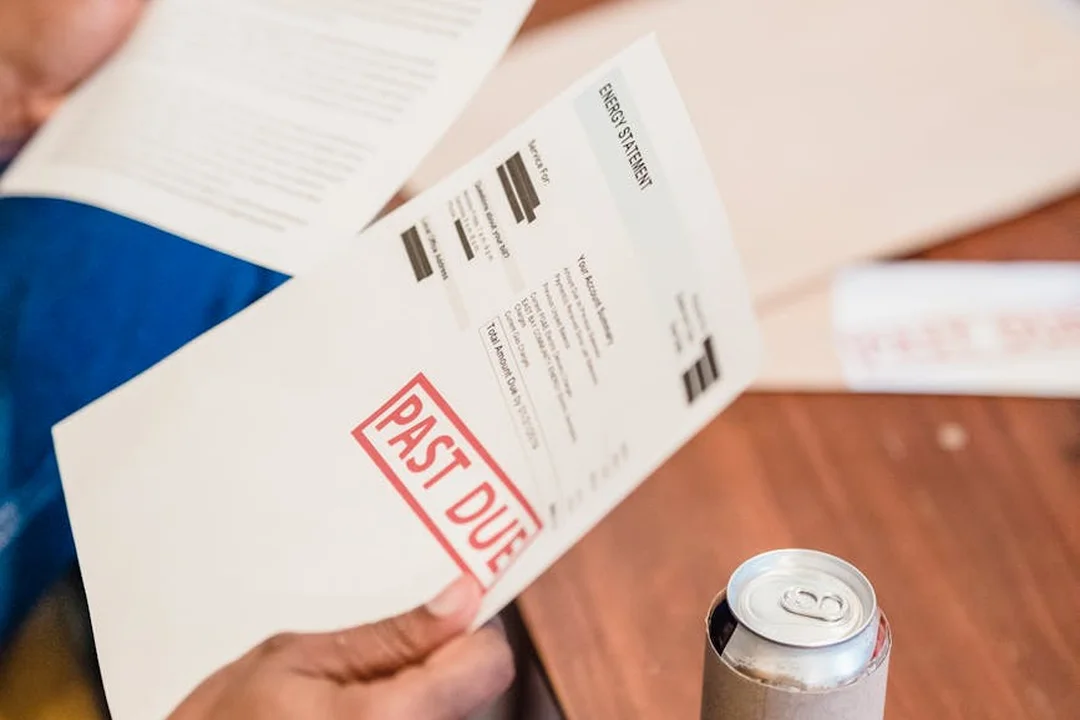
The HOA cannot simply impose a fine without following a defined procedure. A proper enforcement process protects homeowners from arbitrary or unfair actions by the board. Knowing these steps helps you respond appropriately at each stage.
Step 1: The Violation Notice
Your first official alert will be a written notice, often called a “cure or quit” notice.
- It clearly states the specific rule you have violated.
- It describes what you need to do to correct, or “cure,” the issue.
- It provides a deadline for you to complete the correction.
Do not ignore this letter, even if you believe it is a mistake. This is your best opportunity to resolve the matter quickly and without further penalty.
Step 2: The Cure Period
The cure period is the time you are given to fix the violation. The length of this period is often defined in your bylaws or state law.
- For a minor issue like a trash can left out, you might have 48 hours.
- For a larger project like repainting your house, you may have 30 days.
If you fix the problem within this cure period, the matter is usually closed, and no fine is levied. Communicate with the HOA manager or board if you need more time due to legitimate reasons like weather or contractor delays.
Step 3: The Hearing
If you do not cure the violation or wish to dispute the fine, you have a right to a hearing before the board.
- You will receive a formal notice with the date, time, and location.
- This is your chance to present your side of the story, provide evidence, and explain any extenuating circumstances.
Come to the hearing prepared, polite, and with any supporting documents like photos, emails, or receipts. The board will listen to your case and then make a final decision on whether to uphold, modify, or dismiss the violation and fine.
Dispute Resolution: Appeals, Mediation, and Arbitration
Disagreeing with a violation notice or a fine does not mean you are out of options. You have a clear path to challenge decisions you believe are unfair or incorrect. Knowing your rights in the dispute process is your first line of defense.
Formal Appeals Process
Most HOAs have a formal procedure for appealing a violation. This is your first official step.
- Submit a written appeal to the HOA board within the specified deadline, often 10-30 days.
- Clearly state your case and include any evidence, like photos or correspondence.
- Request a hearing before the board to present your side of the story in person.
Thorough preparation and a calm, factual presentation can significantly influence the board’s final decision.
Mediation: A Collaborative Solution
If the appeal fails, mediation is a powerful next step. This involves a neutral third party who helps facilitate a conversation.
- Mediation is typically voluntary and less expensive than legal action.
- The goal is to reach a mutually agreeable compromise.
- It preserves relationships and keeps the matter private.
Mediation succeeds because it shifts the focus from winning a fight to finding a practical solution for everyone.
Arbitration: A Binding Decision
When mediation isn’t an option or doesn’t work, arbitration is a more formal alternative. Think of it as a private courtroom. Unlike mediation, which seeks a negotiated settlement, arbitration yields a binding decision. The arbitrator’s ruling is typically final and enforceable.
- An arbitrator acts as a judge, reviews evidence, and makes a final, binding decision.
- The process is often faster and less costly than a traditional lawsuit.
- You may be required to use arbitration based on your HOA’s governing documents.
Arbitration provides a definitive ruling, but you give up your right to take the dispute to court. Always review the arbitrator’s decision carefully.
Homeowner Rights and Proactive Compliance Strategies

Living in an HOA community comes with responsibilities, but it also grants you specific rights. That balance raises a key question: are rights paired with responsibilities for HOA members? Understanding these rights empowers you to be a proactive and informed member of your community.
Your Fundamental Homeowner Rights
You are entitled to more than just a vote. Your core rights include:
- Access to Records: You can review the HOA’s financial records, meeting minutes, and governing documents.
- Proper Notice: You must receive advance notice of meetings, rule changes, and proposed special assessments.
- Due Process: You have the right to a fair hearing before receiving a fine or other disciplinary action.
- Equal Treatment: Rules and fines must be applied consistently to all homeowners.
Exercise your right to review documents regularly to ensure the board is operating transparently and within its authority.
Proactive Strategies to Avoid Violations
The best way to handle a violation is to prevent it from ever happening. A little foresight saves a lot of frustration.
Know Your Governing Documents
This is your community’s blueprint. Do not just file them away.
- Read the Covenants, Conditions, and Restrictions (CC&Rs), bylaws, and rules thoroughly.
- Highlight sections related to architectural changes, landscaping, and parking.
- Keep a digital copy on your phone for quick reference.
Familiarity with the rules prevents accidental violations and gives you confidence when dealing with the board.
Communicate and Get Approvals
Never assume a small project is okay. Always ask first.
- Before starting any exterior project, review the architectural guidelines.
- Submit a formal application to the architectural review committee.
- Get all approvals in writing before you spend any money or begin work.
Written approval protects you from being forced to undo costly work later.
Build a Positive Relationship
Being an engaged, friendly neighbor can work in your favor.
- Attend HOA meetings to stay informed and voice concerns constructively.
- Introduce yourself to board members and community managers.
- Participate in community events to build goodwill.
A positive reputation often leads to more cooperative problem-solving if an issue does arise.
FAQs
Can HOA bylaws be enforced against tenants?
Yes, HOA bylaws are typically enforceable against tenants, but the homeowner remains ultimately responsible. As the property owner, you are liable for any fines incurred due to your tenant’s actions. It is crucial to include all HOA rules in your lease agreement.
What is the process to appeal an HOA bylaw violation decision?
The appeal process usually begins with a formal written request to the HOA board for a hearing. During the hearing, you can present evidence and arguments to contest the violation. Be sure to review your governing documents for specific appeal deadlines and procedures.
Are there any state or local laws that limit HOA bylaw enforcement?
Yes, state and local laws can override or limit certain HOA rules. For example, many states have laws protecting flags, solar panels, or satellite dishes that may conflict with HOA bylaws. Your HOA cannot enforce a rule that violates these higher-level government statutes. When it comes to flags, flagpoles, and political signs, those protections often apply, so HOA rules in these areas must align with state law. Residents should check their state statutes to understand what is allowed.
What steps should a homeowner take to report an HOA bylaw violation?
Homeowners should first review the governing documents to confirm a violation has occurred. Then, submit a formal, written complaint to the HOA board or property manager, detailing the specific issue and its location. If the issue involves abuse or harassment by HOA staff or board members, report HOA abuse violations. Keep a record of all communications and responses for any necessary follow-up. Avoid making anonymous or informal complaints, as they may not be officially documented.
Moving Forward with HOA Rules
Prevent most violations by thoroughly knowing your HOA’s specific covenants and restrictions before making any changes. Also, check whether HOA approval is required for your proposed changes to avoid issues later. This helps you stay compliant and avoid penalties. If you receive a notice, respond quickly and work with the board to find a resolution, using formal appeals only when necessary.
Further Reading & Sources
- Blog HOALife | The Most Common HOA Violations (A Guide for HOA Boards)
- HOA Violation Enforcement: Enforcing Rules In The HOA | EMS
- 9 Common HOA Violations And How To Avoid Them | Bankrate
- What Are HOA Violations & How to Avoid Them
Brandon has been on both ends of HOA, as part of it, he has helped build his community in Oregon, while also helping other homeowners deal with typical and atypical issues one might face. He has 8+ years of experience dealing with HOAs himself and on behalf of his friends and family, and he brings his extensive expertise and knowledge to make your HOA interaction seamless and smooth.
Enforcement Procedures