
Does the HOA Own Your House and Land? Property Rights Explained
Published on: January 31, 2026 | Last Updated: January 31, 2026
Written By: Brandon Chatham
No, your Homeowners Association (HOA) does not own your house or the land it sits on. You hold the deed and the title to your property, making you the legal owner. The HOA is a governing body that manages the community and enforces rules to protect property values for everyone.
You might wonder, “If they don’t own it, how can they tell me what to do with my property?” This is a common and valid point of confusion. When you bought your home, you voluntarily entered into a legal contract with the HOA by agreeing to its Covenants, Conditions, and Restrictions (CC&Rs). This contract grants the association the authority to enforce community standards, which is very different from actual ownership.
Understanding this distinction is critical to protecting your investment and avoiding costly disputes. Keep reading to get a clear breakdown of your rights versus the HOA’s powers. We will cover how the HOA can legally enforce rules, what happens if you don’t pay dues, and the specific rights you retain as a property owner. This knowledge will help you navigate your HOA relationship with confidence.
Understanding HOA Property Rights and Ownership
Think of a Homeowners Association as a mini-government for your neighborhood, not a landlord. An HOA is a legal entity created to manage and maintain a community’s common areas and uphold a set of rules designed to preserve property values. It’s run by a board of directors, which is typically made up of your fellow homeowners who volunteer for the role.
Your ownership of your house and land is what’s known as “fee simple” ownership. This means you hold the title to your property, giving you the highest possible form of private property ownership recognized by law. You have the right to use, sell, or bequeath your home. The HOA’s role is one of governance, not possession; they enforce the community’s agreed-upon standards and have specific legal responsibilities to homeowners.
Getting familiar with a few key terms will help you understand the relationship.
- Fee Simple: Your full, complete ownership of both the land and the structures on it.
- Title Ownership: The legal proof that you are the recognized owner of the property.
- Master Deed (or Declaration): The core document that creates the HOA and lays out its legal authority.
- Covenants, Conditions, and Restrictions (CC&Rs): The specific rules you agree to follow when you buy a home in the community.
| HOA Rights and Responsibilities | Homeowner Rights and Responsibilities |
|---|---|
| Manage and maintain common areas (pools, parks, roads) | Exclusive use and enjoyment of your private property |
| Enforce the CC&Rs and community rules | Right to sell, lease, or transfer your property |
| Collect monthly or annual assessments (HOA fees) | Obligation to pay HOA fees and special assessments |
| Approve or deny architectural changes | Right to vote on HOA matters and run for the board |
Do HOAs Actually Own Your House and Land?
Let’s be perfectly clear: the HOA does not own your individual house or the plot of land it sits on. You are the legal titleholder, and your name is on the deed for your specific lot. The county records show you as the official owner, not the homeowners association. This fundamental fact is sometimes lost in the frustration of dealing with HOA rules, especially when you find out your property is in an HOA community.
Where the concept of HOA “ownership” comes into play is with shared, common property. The HOA legally owns and is responsible for maintaining all common areas and amenities for the benefit of the members. This can include swimming pools, clubhouses, parks, private roads, and greenbelts. These spaces belong to the HOA corporation, which you are a member of by virtue of owning your home.
Easements are another area where your property rights are shared. An easement gives the HOA a legal right to access a portion of your property for a specific purpose, like maintaining a utility line or a shared fence. While you still own the land, the HOA has a legal right to use it as defined in the community’s governing documents. This is not ownership, but it is a limitation on your exclusive use.
It’s easy to feel like the HOA owns your property when they exert significant control. Here are common scenarios that create this feeling.
- You must get HOA approval before you can paint your house or build a deck.
- The HOA can fine you for violations like an unkempt lawn or a parked RV.
- The association can place a lien on your home if you fail to pay your dues.
HOA Powers Over Your Property and Land Use

Your HOA derives its power from the governing documents you legally agreed to when you purchased your home. The primary authority comes from enforcing the CC&Rs, which are binding legal covenants that “run with the land.” This means the rules apply to the property itself, not just the current owner, and are passed on to every new owner.
The HOA board has several key rights that directly impact how you use your property.
- Architectural Control: They can require approval for any exterior modifications to ensure a uniform community appearance.
- Rule Enforcement: They can issue violations and levy fines for breaking community rules, from noise to landscaping.
- Financial Assessments: They have the power to collect regular fees and impose special assessments for major repairs.
Restrictive covenants and deed restrictions are the specific rules that dictate what you can and cannot do. These restrictions are legally recorded and can cover everything from the type of fence you install to the color of your front door. They are not suggestions; they are enforceable obligations designed to protect the character and value of the entire neighborhood.
A well-managed HOA directly impacts your financial investment. Consistent enforcement of standards helps maintain a visually appealing community, which in turn supports strong and stable property values for all homeowners. While the rules may feel restrictive at times, their ultimate purpose is to prevent one homeowner’s neglect from negatively affecting everyone else’s investment.
To fully understand the HOA’s power over your property, you must review its governing documents. Follow these steps to get informed. You should also verify that the HOA was legally formed and that its founding documents—such as the articles of incorporation and CC&Rs—are valid and properly filed.
- Request a complete set of documents from the HOA manager or board secretary.
- Carefully read the CC&Rs, focusing on sections about architectural control, leasing, and use restrictions.
- Review the Bylaws to understand how the board operates and makes decisions.
- Look over the most recent financial statements and meeting minutes for context.
Homeowner Rights and Responsibilities in an HOA
As a homeowner within an HOA, you retain significant rights over your private property. You maintain the fundamental right to privacy within your home, and the association cannot enter your property without proper notice or a valid emergency unless it falls under specific exceptions such as when an HOA has the right of entry. You also have the right to due process, meaning the HOA must provide you with notice and an opportunity to be heard before imposing fines or other penalties.
Your voice matters in the community’s direction. You hold the right to vote in board elections and on major community issues, such as changes to the governing documents or significant budget increases. You can also typically attend board meetings and review the HOA’s financial records and meeting minutes upon request.
Your Key Responsibilities
Owning a home in an HOA is a partnership that comes with clear duties. Your most critical financial responsibility is the timely payment of regular HOA assessments (dues) and any special assessments. These funds pay for shared services and amenities that benefit everyone.
- Pay your HOA fees and assessments on time.
- Maintain your property according to the community’s standards.
- Follow all rules outlined in the Covenants, Conditions, and Restrictions (CC&Rs).
- Submit requests for exterior modifications to the architectural review committee.
Using Common Areas and Liability
Common areas like pools, parks, and clubhouses are for the enjoyment of all residents. While you have the right to use these amenities, you are responsible for following their specific rules of use and ensuring your guests do the same. The HOA’s insurance typically covers the common areas, but your personal liability may come into play if you or a guest causes damage.
If a dispute arises with the HOA, it’s essential to act professionally. Always start by communicating directly and calmly with the HOA manager or board to seek a resolution. Put your concerns in writing and keep detailed records of all correspondence. Understanding the steps in the HOA dispute resolution process can help you navigate it more effectively. Below are typical steps you may encounter to resolve the issue.
- Review your governing documents to understand the rules and your rights.
- Request a formal hearing with the board to present your side of the story.
- Consider mediation as a less adversarial and costly option than litigation.
- Consult with a real estate attorney who specializes in HOA law for serious disputes.
Consequences of Not Following HOA Rules
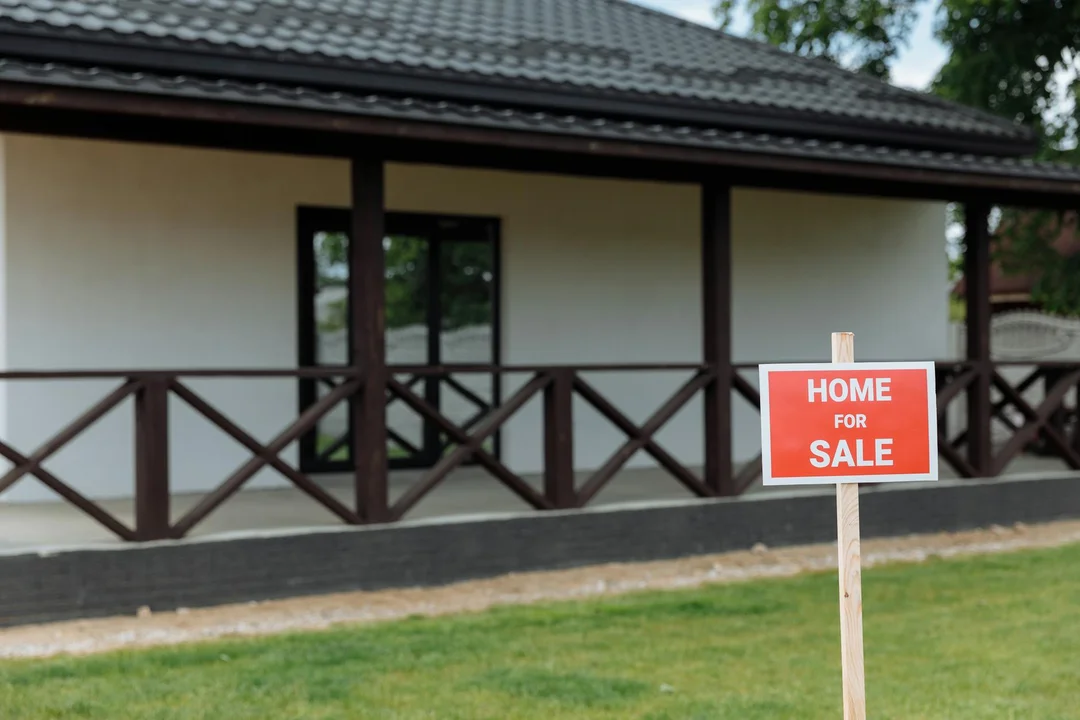
HOAs have the authority to enforce their rules to maintain community standards. Initial enforcement often begins with a written warning, giving you a chance to correct the violation. If the issue isn’t resolved, the association can escalate its actions.
- Formal written warnings and violation notices.
- Monetary fines or penalties that often increase for repeat offenses.
- Suspension of your privileges to use common areas like the pool or gym.
- Placing a lien on your property for unpaid fines or assessments.
How Unpaid Assessments Lead to Liens
When you fall behind on your HOA dues, the debt doesn’t just disappear. Unpaid assessments automatically become a debt attached to your property, and the HOA can file a formal lien to secure this debt. This lien becomes part of the public record and will show up during a title search.
A lien acts as a major obstacle if you try to sell or refinance your home. You will be unable to transfer a clear title to a new buyer until the lien and all associated late fees and interest are paid in full. The HOA has a legal claim that must be satisfied before any other creditors, except for your mortgage lender.
The Foreclosure Process in an HOA Context
While it is considered a last resort, an HOA can foreclose on a home for unpaid debts. Foreclosure is a legal process that allows the HOA to force the sale of your home to recover the money owed for assessments, fines, and legal fees. The specific process and timeline depend heavily on state law and your HOA’s governing documents.
- The HOA records a lien against your property for the delinquent amount.
- You receive formal notice of the lien and the intent to foreclose.
- A foreclosure lawsuit is filed, and you have a period to respond in court.
- If the HOA wins the lawsuit, your property can be sold at a public auction.
Foreclosure can happen even if you are current on your mortgage. It is critically important to understand that in some states, an HOA can foreclose for much smaller amounts of debt compared to a mortgage company.
Steps to Avoid Penalties and Resolve Issues
Proactive communication is your most powerful tool for avoiding severe consequences. If you receive a violation notice or fall behind on payments, contact the HOA immediately to discuss your options. Many boards are willing to work with homeowners who communicate openly.
- Open a dialogue with the HOA board or manager as soon as a problem arises.
- Propose a realistic payment plan if you are struggling financially.
- If you disagree with a fine, formally appeal the decision according to your HOA’s policy.
- Stay informed by reading all HOA communications and attending meetings when possible.
Resolving Disputes Over HOA Property Rights
Disagreements over property rights in an HOA can feel overwhelming, but taking structured steps often leads to fair solutions. Start by calmly assessing the situation to avoid escalating tensions unnecessarily. To handle the dispute effectively, outline your goals and gather relevant documents. Then consider mediation or the HOA’s dispute-resolution process to keep things fair.
Steps for Handling Conflicts
- Document the issue with photos, dates, and written notes. Detailed records provide clear evidence if you need to present your case later.
- Communicate with the HOA board through a polite letter or email. Expressing your concerns respectfully encourages cooperative problem-solving.
Mediation and Legal Options
If direct communication fails, consider mediation with a neutral third party. Mediation saves time and money compared to courtroom battles. For severe cases, legal action might be necessary, but explore all alternatives first.
When to Consult an Attorney
Seek legal advice if the dispute involves significant fines, property liens, or ambiguous covenants. In many HOAs, the most common disputes arise from enforcement of covenants, assessments, or architectural rules, often requiring formal legal resolution. For more information, you can refer to the most common HOA disputes. An attorney specializing in HOA law can protect your rights and clarify complex documents.
Tips for Working with the Board of Directors
- Attend HOA meetings regularly to stay informed and build relationships. Active participation helps you understand board perspectives and community priorities.
- Propose compromises that align with HOA goals. Collaborative suggestions often receive better responses than demands.
Broader Impacts of HOA Property Rights

HOA rules maintain neighborhood aesthetics and safety, which can boost property values over time. Consistent standards attract buyers willing to pay more for well-kept communities.
Enforced covenants prevent property neglect that might cause soil erosion or water runoff. Proactive maintenance reduces environmental risks and preserves local ecosystems.
Common Questions
How do my property rights interact with HOA rules?
Your property rights grant you ownership, while HOA rules are contractual obligations you agreed to. Your rights are exercised within the framework of the legally binding CC&Rs you accepted upon purchasing your home. After you purchase, the HOA may change rules by amending the CC&Rs, following notice and voting procedures. Stay informed about proposed changes to understand how they affect your rights.
Can strong property rights help me fight pollution within my HOA?
Yes, clear property rights empower you to address pollution originating from neighboring properties. You can enforce nuisance laws against neighbors or the HOA itself for activities that cause environmental harm to your land.
How can property rights protect my home from environmental damage in the community?
Well-defined property rights allow you to hold others accountable for contamination that crosses onto your land. This legal standing helps ensure the HOA and other homeowners maintain their properties in a way that does not pollute your soil, water, or air.
How do property rights laws in an HOA facilitate economic development?
Stable and predictable property rights reduce risk for homeowners and potential buyers, which supports property values. Clear CC&Rs and consistent enforcement create a secure environment that encourages investment in home maintenance and improvements.
Your Property Rights Made Clear
You hold the deed and full ownership of your house and land, not the HOA. If you’re buying a home within an HOA, it’s crucial to understand how ownership interacts with HOA rules and what it means for fees and restrictions. Protect your investment by thoroughly understanding your governing documents and engaging constructively with the association when questions arise.
Further Reading & Sources
- Homeowners Associations (HOAs) Explained: 5 Things to Know Before Buying
- Homeowner association – Wikipedia
- Understanding Homeowners Associations (HOAs): Rules, Fees, and Benefits
- Utah Homeowner Associations Registration
Brandon has been on both ends of HOA, as part of it, he has helped build his community in Oregon, while also helping other homeowners deal with typical and atypical issues one might face. He has 8+ years of experience dealing with HOAs himself and on behalf of his friends and family, and he brings his extensive expertise and knowledge to make your HOA interaction seamless and smooth.
Rights of Homeowners