
Green Initiatives for Your HOA: A Practical Guide to Sustainability
Published on: February 19, 2026 | Last Updated: February 19, 2026
Written By: Brandon Chatham
The quickest way to implement green initiatives in your HOA is to start with low-cost, high-impact projects like establishing a community recycling program, switching to LED lighting in common areas, and creating clear communication channels for eco-friendly updates. These foundational steps build momentum without requiring large budgets or complicated approvals.
Many board members wonder about the cost of going green. You might be pleasantly surprised that numerous sustainable upgrades actually save money over time. LED lighting cuts energy bills significantly, while water-efficient landscaping reduces maintenance costs. Smart investments pay for themselves while benefiting the environment.
This guide walks you through implementing sustainable practices from concept to completion. You will discover budget-friendly projects that make immediate impact, learn how to build community support for green initiatives, and explore long-term strategies that increase property values. We cover everything from simple recycling programs to solar energy options, giving you practical steps you can start implementing immediately.


Understanding HOA Green Initiatives and Their Core Benefits
HOA green initiatives are simply planned actions your community takes to reduce its environmental footprint. Think of sustainability as a long-term strategy for managing shared resources wisely, ensuring a healthier and more cost-effective community for years to come. In strategic planning, HOAs create a 5-year vision for HOAs that aligns green projects with budget and goals. This keeps projects focused and measurable over time.
The advantages of going green extend far beyond helping the planet. You will see direct, positive impacts on your community’s finances and lifestyle.
- Significant cost savings on utility bills for common areas.
- Increased property values as eco-friendly features become more desirable.
- A stronger, more attractive community appeal that sets your neighborhood apart.
Beyond the financial perks, these projects foster a wonderful sense of community pride and well-being.
- Enhanced resident satisfaction and quality of life.
- Creation of healthier outdoor spaces with cleaner air and less chemical use.
- Improved community resilience during extreme weather or utility price spikes.
- A powerful, positive reputation that makes your HOA a place people want to live.
Implementing Energy Efficiency and Renewable Energy Upgrades
Switching to LED Lighting and Energy-Efficient Systems
Upgrading your energy systems is one of the fastest ways to see a return on your green investment. Start by understanding your current consumption to make the most impactful changes first.
- Audit current energy use in common areas. Review past electricity and gas bills to identify the biggest expenses, often lighting, pool pumps, and clubhouse HVAC.
- Prioritize upgrades to LED lighting for streets and buildings. Replace old high-pressure sodium or fluorescent bulbs with LEDs, which use a fraction of the energy and last much longer.
- Explore smart thermostats and energy-efficient appliances. Install programmable thermostats in common buildings and consider ENERGY STAR rated appliances when old ones need replacement.
Integrating Solar Panels and Renewable Sources
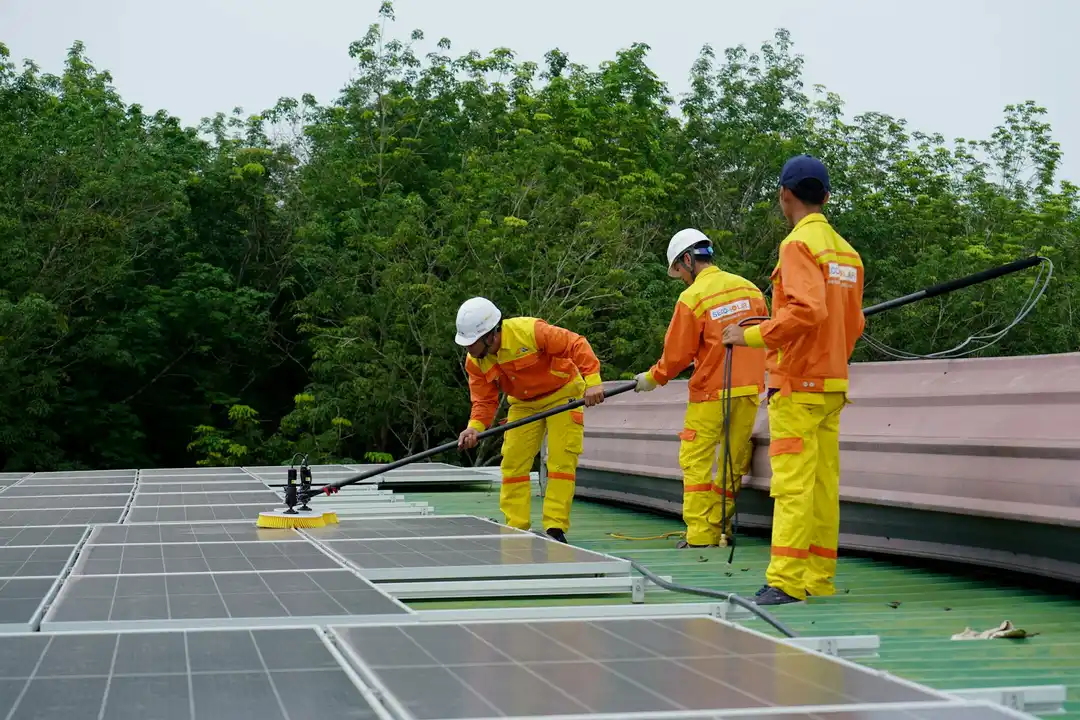
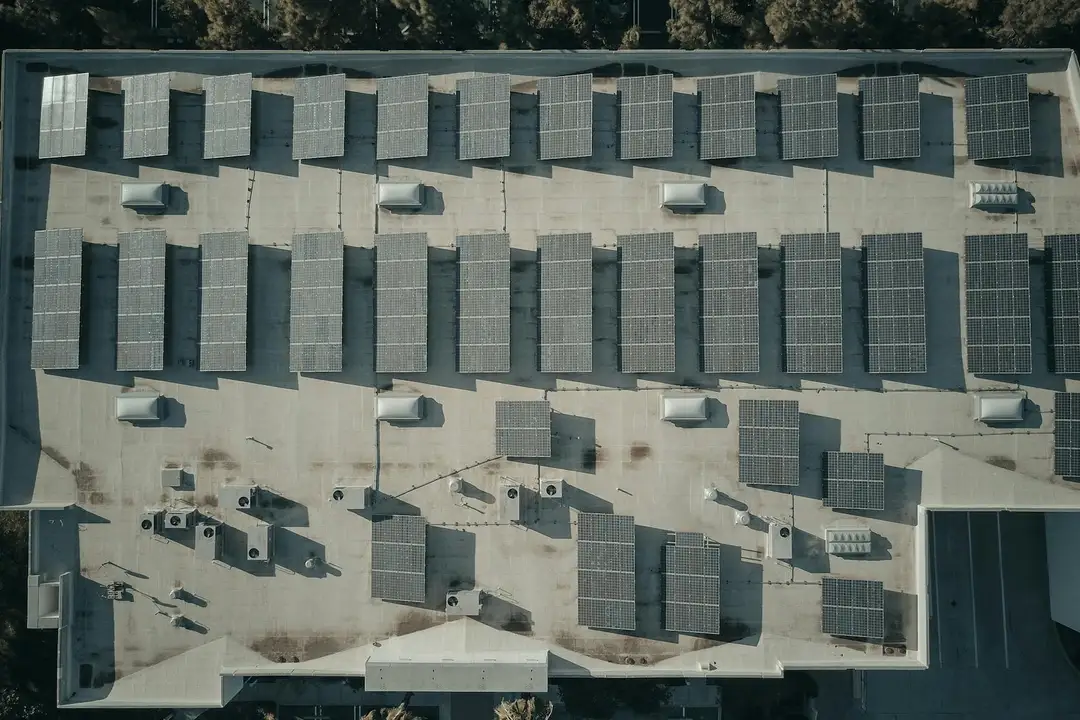
Harnessing the sun’s power can drastically cut common area electricity costs and even generate revenue. A professional solar feasibility study is your essential first step to determine if your roofs or land are suitable.

- Explain steps for assessing solar panel feasibility on HOA properties. A qualified installer will evaluate roof condition, sun exposure, and shading to estimate potential energy production and costs.
- Address common rules and homeowner considerations for installations. Your HOA may need to update its governing documents to clarify rules for both community-owned systems and individual homeowner installations.
- Detail how to manage shared costs and maintenance. For a community system, costs are typically covered through reserve funds or a special assessment, with maintenance handled by a professional service contract.
Enhancing Water Conservation with Smart Landscaping and Irrigation
Adopting Drought-Tolerant Landscaping and Xeriscaping
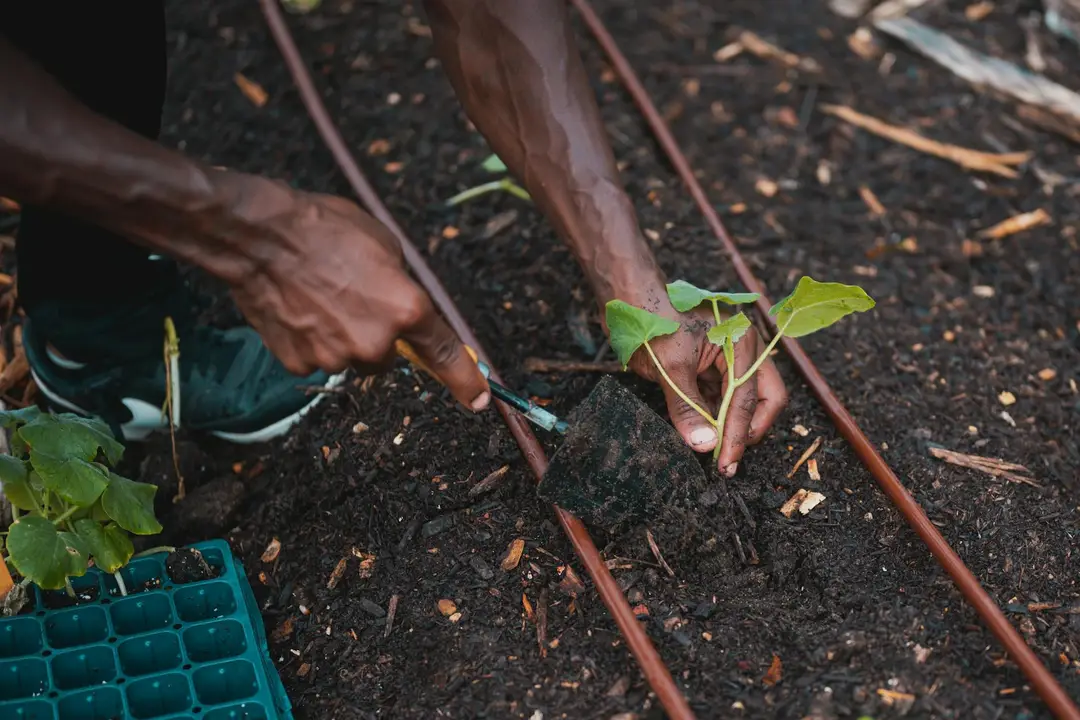
Transforming your community’s landscaping is a highly visible and effective green initiative. Xeriscaping is a landscaping method that uses slow-growing, drought-tolerant plants to create a beautiful, low-maintenance, and water-efficient yard. Water-wise landscaping rules often support reducing lawn areas and using drought-tolerant options, including artificial turf where appropriate. This approach helps conserve resources while keeping outdoor spaces attractive.
- Outline steps to transition to low-water plants and designs. Begin with a pilot area, like a traffic median, to showcase the new look. Gradually replace thirsty grass with native plants, succulents, and ornamental grasses.
- Include tips for maintaining aesthetic appeal while saving water. Use mulch to retain soil moisture and suppress weeds. Group plants with similar water needs together and incorporate hardscaping like rocks or pathways for visual interest.
Installing Rainwater Harvesting and Smart Irrigation Systems
Modern technology takes the guesswork out of watering, ensuring your landscape gets exactly what it needs without waste. A smart irrigation controller can adjust watering schedules based on local weather data, preventing overwatering after a rainstorm.
- Evaluate sites for rainwater collection systems. Identify downspouts on large clubhouse or maintenance building roofs that can feed into above-ground barrels or underground cisterns for irrigating nearby gardens.
- Upgrade to smart irrigation controllers for efficient water use. Replace old timers with Wi-Fi enabled controllers that automatically adjust schedules, saving thousands of gallons annually.
- Set guidelines for irrigation management to prevent waste. Establish watering windows (e.g., early morning) and regular system check-ups to fix broken sprinkler heads and leaks promptly.
Reducing Waste Through Recycling Programs and Composting
Effective waste management is one of the most visible and impactful green steps your HOA can take. A well-run program not only helps the planet but can also reduce your community’s trash collection costs. To create an effective HOA budget for your community, forecast waste-collection expenses and build them into the annual plan. This helps ensure the program remains financially sustainable while delivering ongoing environmental benefits.
Steps to Launch or Improve Community Recycling Programs
Begin by auditing your current waste stream to see what’s being thrown away. This initial assessment will show you exactly where improvements are needed and can justify the program to residents.
- Contact your local waste hauler to understand exactly what materials they accept for recycling.
- Purchase standardized, clearly labeled bins for recycling and place them next to every trash receptacle in common areas.
- Create a simple, one-page guide on what can and cannot be recycled and distribute it to every household.
- Appoint a volunteer “Recycling Captain” to monitor bins and answer neighbor questions.
- Track your recycling volume monthly and share the positive results in community newsletters.
How to Set Up Composting Stations for Organic Waste
Composting turns kitchen scraps and yard waste into nutrient-rich soil, dramatically cutting landfill use. Starting a community compost site fosters a hands-on connection to sustainability for all ages.

- Select a dry, shaded spot that’s easily accessible for residents but away from direct living areas.
- Invest in a three-bin compost system or several tumblers to manage different stages of decomposition.
- Establish clear rules on what can be composted-fruit and vegetable scraps, coffee grounds, leaves, and grass clippings are typically safe.
- Create a rotating schedule for residents to volunteer as “compost monitors” for a week to maintain the pile.
- Offer the finished compost for free to residents for their gardens, creating a direct reward for participation.
Educating Residents on Waste Reduction Practices
Knowledge is the key to long-term success in any green initiative. Consistent, friendly communication prevents contamination of recycling streams and boosts participation rates across the board.
- Host a “Zero Waste” workshop with a local expert, offering simple tips for reducing single-use plastics.
- Feature a “Green Family of the Month” in your HOA newsletter, highlighting their sustainable habits.
- Organize a community “swap meet” where residents can exchange items like books, toys, and tools instead of discarding them.
- Use clear, picture-based signs above all recycling and compost bins to minimize confusion.
- Send out quarterly email updates showing the total weight of waste diverted from landfills thanks to resident efforts.
Securing Funding and Navigating Incentives for Green Projects
Transforming your community requires a solid financial plan. Many green upgrades pay for themselves over time, but you need a clear strategy for the initial investment.
Identifying Costs and Funding Options
Understanding the financial landscape prevents surprises and builds homeowner trust. Always get multiple quotes for any project to ensure you are getting a fair price.
Typical costs can vary widely. A comprehensive recycling bin upgrade might cost a few thousand dollars, while a community-wide LED lighting conversion could run $10,000 to $30,000. A shared solar array or electric vehicle charging station infrastructure represents a larger investment, often starting at $50,000.
- HOA Reserves: Use reserve funds for projects that improve or replace existing common property, like energy-efficient lighting.
- Loans: Specialized green loans from local credit unions or banks often feature lower interest rates for eco-friendly projects.
- Special Assessments: For large, unbudgeted projects, a one-time fee can be levied on homeowners, but this requires a vote and clear communication about the long-term benefits.
Applying for Grants and Rebates
Free money and discounts are available if you know where to look. Dedicate a board member or committee to the ongoing task of hunting for these financial opportunities.
- Research local and utility incentives for energy efficiency or solar. Check your city and county government websites, and don’t forget to directly contact your gas and electric providers. They frequently offer rebates for LED lighting, HVAC upgrades, and solar installations.
- Use this checklist for a successful application:
- Confirm your HOA’s eligibility and note all deadlines.
- Prepare your HOA’s financial and legal documents in advance.
- Write a compelling narrative about your community’s commitment to sustainability.
- Gather multiple competitive bids for the project to include with your application.
- Follow up respectfully if you don’t hear back by the estimated decision date.
- Communicate savings and incentives to homeowners by presenting a clear cost-benefit analysis. Show the total project cost, subtract any grants and rebates, and then highlight the ongoing monthly savings on utility bills. This turns a large number into a manageable, smart investment.
Engaging Residents and Managing Legal Aspects
Encouraging Resident Participation and Proposals
-
Your residents can propose green initiatives through a dedicated online portal or a simple email address managed by the HOA board. Setting up a clear, accessible submission process encourages more homeowners to share their ideas without feeling overwhelmed. For those aiming to write an effective petition letter to your HOA, pair proposals with a concise petition that states the goal and expected benefits. Many communities find success with a standardized form that asks for the proposal details, potential benefits, and any cost estimates.
-
Hold quarterly “green idea” forums where residents can present suggestions in a supportive, open setting. These meetings foster a sense of community ownership and allow for real-time feedback and collaboration on sustainable projects. Always follow up with a summary email showing how each idea will be reviewed, which prevents proposals from getting lost.
-
Create a volunteer sustainability committee with diverse resident representation to evaluate and champion proposals. A committee spreads the workload and brings varied perspectives, making it easier to identify feasible, high-impact initiatives. Rotate members annually to keep fresh ideas flowing and engage more households over time.
-
Use multiple communication channels like community newsletters, social media groups, and bulletin boards to announce proposal deadlines and share progress. Consistent, transparent updates build trust and show residents that their input directly shapes community decisions. Highlight quick wins, like a successful recycling drive, to maintain momentum and inspire further participation. When you write and manage an effective HOA community newsletter, you can organize content for clarity and timely delivery. Keep issues concise, actionable, and resident-focused to maximize engagement.
-
Offer small incentives, such as recognition in communications or minor fee discounts, for residents who actively contribute. Incentives demonstrate that the HOA values participation and can significantly boost engagement rates across all age groups. Keep language simple and focus on how each suggestion benefits everyone, from lower utility bills to a healthier environment. For more strategies, check out this guide on boosting homeowner engagement.
Addressing Regulations and Legal Concerns
-
Your HOA’s authority to mandate green measures depends on the Covenants, Conditions, and Restrictions (CC&Rs) and bylaws. Review these documents carefully to confirm if they grant the board power to implement eco-friendly rules, such as requiring drought-tolerant landscaping or energy-efficient lighting. If the CC&Rs lack specific language, you may need a homeowner vote to amend them, which requires clear communication about the long-term advantages. In short, HOA rules are enforceable regulations that matter because they shape daily living, maintenance standards, and property values. Understanding their binding nature can help you participate more effectively in community decisions.
-
Common legal concerns include disputes over cost allocations, property use restrictions, and enforcement consistency. Avoid conflicts by phasing in new requirements gradually and providing options, like a rebate program for compliance, rather than immediate fines. Always document decisions and ensure uniform application of rules to prevent claims of selective enforcement.
-
Consult an attorney experienced in HOA law to review any major green initiative before implementation. Legal guidance helps identify potential liabilities and ensures that mandates align with state laws governing homeowner associations. Before moving forward, verify whether HOA approval is required for the project, including board consent or architectural review. This step is crucial for measures affecting private property, such as solar panel installations or water harvesting systems.
-
Ensure all green projects comply with local building codes, zoning ordinances, and environmental policies. For example, rainwater collection systems must meet health department standards, and solar arrays might require permits for structural safety. Work with contractors who are familiar with these regulations to streamline approvals and avoid costly revisions.
-
Address resident objections proactively by holding informational sessions and sharing data on benefits like increased property values. Transparent discussions about how sustainability measures align with governing documents can reduce resistance and foster broader support. Keep records of all communications and votes to defend the HOA’s actions if legal challenges arise. Additionally, establish a clear dispute-resolution process to handle disagreements with residents effectively. Outline timelines and escalation steps to keep disputes productive and transparent.
FAQs
How can HOAs measure the environmental impact of their initiatives?
HOAs can track metrics like energy consumption, water usage, and waste diversion rates before and after implementing changes. Using utility bills and waste hauling reports provides concrete data to quantify savings and environmental benefits. Sharing these metrics as part of regular financial reports reinforces best practices for HOA financial reporting transparency. Presenting such data alongside budgets and reserve analyses helps homeowners understand the financial implications of sustainability initiatives.
What are the best practices for maintaining green spaces in HOAs?
Regularly aerate soil and use organic fertilizers to promote healthy turf without harmful chemicals. Implementing integrated pest management reduces the need for pesticides while keeping landscapes vibrant and sustainable.
How can HOAs encourage energy efficiency in individual units?
Offer rebates or incentives for homeowners who upgrade to ENERGY STAR appliances or install smart thermostats. Providing free energy audits helps residents identify cost-saving opportunities in their own homes.
What are the long-term ROI of green initiatives for HOAs?
Sustainable upgrades often pay for themselves through reduced utility bills and lower maintenance costs over time. Investments like LED lighting and water-efficient landscaping typically have a payback period of 2-5 years, leading to ongoing savings.
Your Sustainable HOA Journey Starts Now
Begin with a clear assessment of your community’s environmental impact to pinpoint the most effective green upgrades. Collaborating with residents from the start fosters shared ownership and drives lasting change for your neighborhood.
Further Reading & Sources
- Green HOA Practices To Apply For An Eco-Friendly Community
- 5 Green Landscaping Initiatives Your HOA Should Consider (To Save $$$)
- Sustainable Living: Implementing Green Practices in Your HOA Community | National Property Management Group
- Go Green This Earth Day: How To Improve Your HOA’s Sustainability
Brandon has been on both ends of HOA, as part of it, he has helped build his community in Oregon, while also helping other homeowners deal with typical and atypical issues one might face. He has 8+ years of experience dealing with HOAs himself and on behalf of his friends and family, and he brings his extensive expertise and knowledge to make your HOA interaction seamless and smooth.
Landscaping Regulations