
HOA Rules for Electric Vehicle Charging Stations
Published on: February 25, 2026 | Last Updated: February 25, 2026
Written By: Brandon Chatham
Most HOAs cannot unreasonably deny your request to install an EV charging station at your home, thanks to growing legal protections. Your ability to install one often depends on your state’s laws and your community’s specific governing documents.
You might wonder if your HOA can legally say no. While HOAs have authority over property modifications, many states now have laws preventing them from issuing blanket bans. They can, however, set reasonable rules about the installation process, appearance, and safety.
Navigating this new landscape can feel confusing. This guide breaks down everything you need to know. We’ll cover how to check your HOA’s specific rules, outline the steps for a smooth approval, and explain your rights. You’ll also learn about potential cost-sharing programs and how to handle a dispute if one arises.
Understanding HOA Approval for EV Chargers
Who Approves EV Charger Installation?
Getting a green light for your EV charger typically involves your HOA’s Architectural Review Committee (ARC) or a similar governing board. Your first official step should always be to submit a formal application to this committee, detailing your proposed installation plan. These volunteers are tasked with ensuring any property modification aligns with the community’s governing documents and aesthetic standards.
In some communities, the property manager might handle initial reviews before passing recommendations to the board. When you’re preparing for an HOA meeting, keep a homeowners checklist to map out who to contact and what documents to gather. This helps ensure your request moves through the right channels and on schedule. Understanding this chain of command from the start prevents your request from getting lost in bureaucratic limbo. Check your HOA’s specific rules to identify the exact person or committee you need to approach with your plans.
Common Approval Hurdles and How to Overcome Them
Homeowners often face predictable obstacles when proposing an EV charger installation.
- Vague or Outdated CC&Rs: Many governing documents simply don’t mention electric vehicle charging.
- Aesthetic Concerns: Boards may worry about visible conduit or a cluttered look.
- Perceived Liability: Fear of electrical fires or installation faults can cause hesitation.
- Infrastructure Worries: Some boards express concern about grid strain on older properties.
You can proactively address these concerns with a well-prepared submission packet. Include photos of sleek, discreet charger models and propose routing conduit through a garage or along discreet building lines. Provide a letter from a licensed, insured electrician confirming the installation will meet all national and local electrical codes. For infrastructure questions, share information about dedicated circuits and how they operate without overloading shared systems.
Legal Rights and Protections for EV Charging
State-Specific EV Charging Laws
A growing number of states have enacted “Right to Charge” laws that limit an HOA’s ability to unreasonably deny your installation request. These laws generally prohibit outright bans but still allow associations to enforce reasonable rules concerning safety and aesthetics. The specific provisions vary dramatically from one state to another, often leading to questions about when an HOA can deny or refuse your request.
For example, California’s Civil Code prohibits HOAs from denying installation if you comply with specific engineering and safety standards. Florida and Colorado have similar statutes that streamline the approval process for homeowners in single-family residences. These protections are part of the homeowners bill of rights every HOA member should know. Knowing them helps you protect your property and participate in HOA decisions more confidently. Your most powerful tool is knowing your own state’s legislation, so a quick online search for “[Your State] right to charge law” is an essential first move.
Federal Fair Housing and Discrimination Concerns
While no federal law explicitly protects EV ownership, the Fair Housing Act (FHA) provides a broader framework against discrimination. An HOA enforcing rules in a way that disproportionately impacts residents with disabilities could face a valid FHA complaint. For instance, if a resident needs an EV for medical transportation and the HOA denies a reasonable accommodation for a charger, this could be deemed discriminatory. For HOA boards, navigating FHA compliance is a central element of an essential guide to governance. Clear policies on EV charging and accommodations help ensure fair treatment for all residents.
The key term here is “reasonable accommodation.” If you have a documented disability that necessitates an EV, you can formally request an accommodation for charger installation under the FHA. The association is then legally obligated to engage in an interactive process and cannot deny the request without a compelling, non-discriminatory reason.
Key HOA Rules and Guidelines for Installation
Architectural and Aesthetic Restrictions
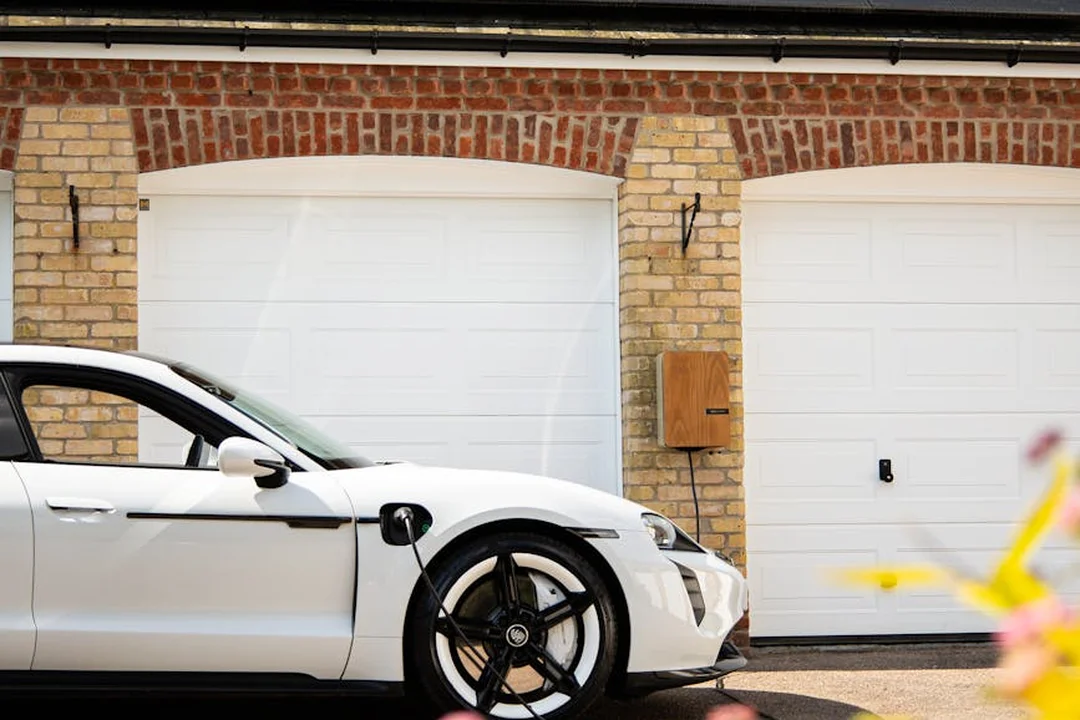
Even with legal protections, HOAs retain significant authority to ensure installations are tidy and unobtrusive. Expect guidelines on the charger’s physical location, color, and how the wiring is run to maintain community curb appeal. The goal is a seamless integration that doesn’t detract from the property’s appearance.
Common aesthetic rules you might encounter include:
- Requiring the charger to be installed in a garage or on a side wall not visible from the street.
- Mandating a specific color for the charging unit or conduit to match the building’s trim.
- Prohibiting any exposed wiring, requiring it to be run through walls or in conduit painted to blend in.
- Limiting the size and type of the charging station hardware itself.
Safety Standards and Electrical Codes
This is the non-negotiable part of the installation process for everyone’s protection. Your HOA will almost certainly require proof that a licensed and insured electrician performed the work according to all applicable codes. This isn’t just red tape; it’s a critical measure to prevent electrical fires and ensure system reliability.
The installation must comply with:
- The National Electrical Code (NEC), especially Article 625 covering EV supply equipment.
- All local municipal building and electrical codes.
- Specific community rules about outdoor electrical fixtures and load calculations.
You will likely need to submit the electrician’s license and proof of insurance with your application. Many boards also require a final inspection certificate from the local building authority to close out the project file officially. Following these steps demonstrates your commitment to safety and makes the board’s approval decision much easier.
The Step-by-Step Installation Process
Submitting Your EV Charging Request
Begin by formally notifying your HOA of your intent to install an EV charger. A well-prepared application package prevents delays and demonstrates your commitment to a safe, professional installation. You will likely need to submit a detailed project proposal alongside the standard architectural modification form.
Your request packet should be comprehensive and include several key documents.
- A site plan showing the proposed location of the charging station and the routing path for any conduit.
- Technical specifications for the specific EV charging equipment you plan to install.
- A detailed scope of work from a licensed and insured electrical contractor.
- Proof of your contractor’s license, bond, and insurance coverage.
Many states have “Right to Charge” laws that limit an HOA’s ability to deny these requests outright. Your HOA can still enforce reasonable restrictions on the installation’s location, appearance, and safety standards. Beyond these limits, homeowners also have legal protections against HOA harassment and retaliation. If you experience harassment or retaliation for making a request, consider consulting a local attorney or your state’s housing or consumer protection agency. They might require the charger to be in a rear driveway instead of a front-facing garage, for example. Submit everything at once and be prepared for a review period that could last several weeks.
Permitting and Inspections
Your licensed electrician will typically handle pulling the required electrical permit from your local city or county building department. Never proceed with an EV charger installation without the proper permits, as this voids warranties and creates serious safety hazards. The permitting process ensures the work meets the National Electrical Code and local amendments.
Once the installation is complete, a municipal inspector will visit to verify the work.
- The inspector checks that the electrical load calculations are correct for your home’s panel.
- They verify all wiring, conduit, and the charging unit itself are installed to code.
- The inspection ensures proper grounding and the installation of a dedicated circuit.
You must provide a copy of the passed inspection report to your HOA to close out your application. This final step provides legal protection for both you and the HOA by certifying the installation is safe and compliant. Keep all permits and inspection documents with your important home records. Make sure you’ve gotten approval from your HOA first, as it’s required for many projects. Know what you need HOA approval for.
Responsibilities: Homeowner and HOA Duties
Cost Responsibilities and Metering
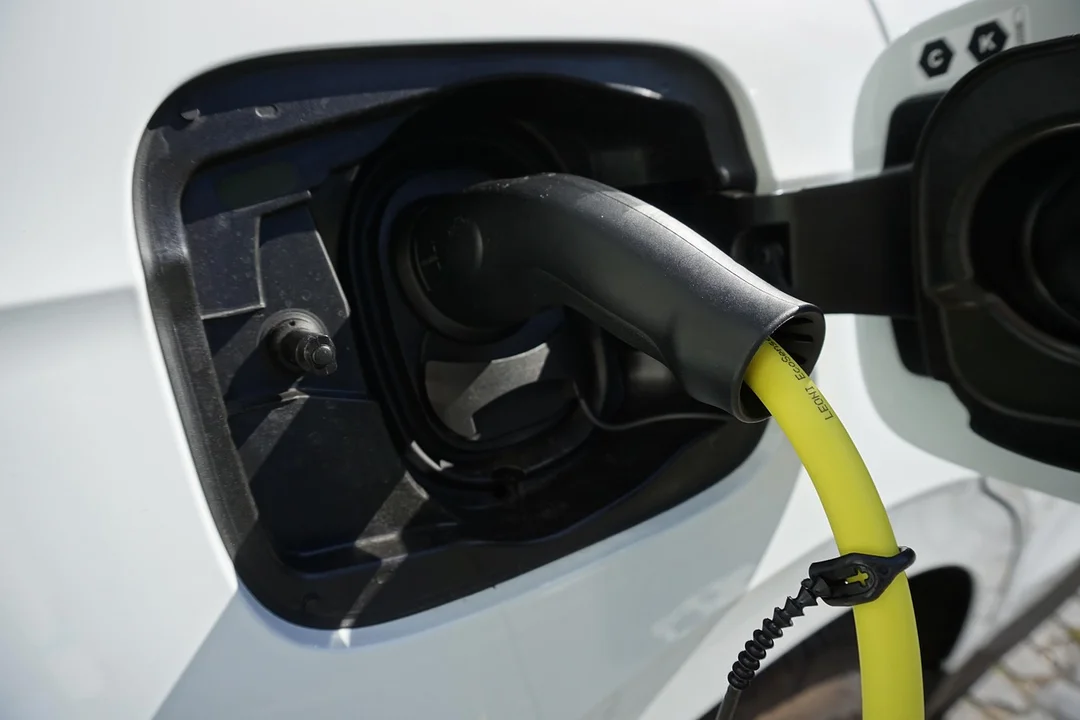
The homeowner is almost always responsible for the full cost of purchasing and installing their EV charging station. This includes the charger hardware, electrical upgrades, permitting fees, and any cosmetic repairs to common areas like stucco or siding. The financial burden of the installation and its ongoing operation falls squarely on the resident who benefits from it.
You have a couple of primary options for managing the electricity usage.
- Dedicated Meter: The gold standard. A separate utility meter is installed solely for the EV charger, so you pay the utility company directly for every kilowatt-hour used.
- Submeter: A device measures your charger’s consumption, and a third-party service bills you separately, often with a small administrative fee.
- Existing Home Meter: The charger is wired to your home’s main electrical panel, adding the cost to your standard monthly electricity bill.
HOAs are generally not responsible for subsidizing the electricity costs for personal vehicle charging. The association’s duty is to ensure the chosen metering method is accurate, transparent, and does not inadvertently shift costs to other homeowners. In many communities, utilities are not included in HOA fees, and charging costs are billed separately or through individual meters.
Liability and Insurance Considerations
As the homeowner, you are liable for any damage or injury caused by your EV charging station. You must notify your homeowner’s insurance provider about the new installation to ensure you maintain adequate coverage. Failure to do so could result in a denied claim if the charger is involved in a fire or accident.
Your HOA will require proof of insurance and may ask to be named as an “additional insured” on your policy for the installation period. The HOA’s master policy typically does not extend coverage to fixtures or appliances you install, even if they are attached to a common wall. So, does the HOA master policy coverage extend to your new fixtures? Generally no—the master policy covers common areas and liability, not your personal installations. The association’s responsibility is to ensure that the installation, as a whole, does not create a liability for the common property or violate the community’s master insurance policy.
You are also responsible for all maintenance, repairs, and eventual removal of the charging equipment. Create a clear maintenance plan for your charger to prevent future disputes and ensure its long-term, safe operation. Document all communications with your HOA and keep your insurance agent in the loop throughout the process.
Electrical Upgrades and Load Management
Managing Community Electrical Load
When multiple residents want to charge EVs simultaneously, the building’s electrical system can become overwhelmed. An outdated panel can’t handle the new demand, leading to potential brownouts or safety hazards for the entire community. This is the single biggest technical challenge an HOA must address before approving installations.
You have several practical options for managing this load effectively:
- Load Sharing Systems: These smart systems allow multiple chargers to communicate and dynamically distribute available power. If one car finishes charging, power is automatically diverted to other vehicles still charging.
- Scheduled Charging: The HOA can set policies for off-peak charging hours, such as overnight. This reduces strain on the grid during high-demand periods and can lower electricity costs for everyone.
- Electrical Panel Upgrade: For older buildings, a full panel or service upgrade might be necessary. This is a significant capital expense but future-proofs the property for widespread EV adoption.
- Dedicated Metering: Installing a separate meter for each EV charger ensures the cost of charging is billed directly to the resident using it, preventing disputes over shared electricity costs.
Costs, Metering, and Financial Considerations

Metering Options and Pricing Models
Determining who pays for the electricity is a critical decision. Choosing the right metering and pricing model prevents financial strain on the HOA and ensures fairness among all residents. The wrong choice can lead to resentment and conflict.
Here are the most common metering and pricing setups:
- Submetering: A secondary meter is installed for each charger, tracking individual usage. The HOA receives one master utility bill and then bills each user for their exact consumption, often adding a small administrative fee.
- Utility-Grade Separate Meter: The EV charger gets its own direct meter from the local utility company. The resident gets a separate bill, completely removing the HOA from the billing process.
- Flat Fee Membership: The HOA charges a fixed monthly fee for unlimited charging access. This is simple but can be seen as unfair if usage varies greatly between residents.
- Pay-Per-Use Kiosk: For common area chargers, residents use a credit card or app to pay for each charging session. The system handles all transactions automatically.
Incentives and Rebates for EV Charging
Numerous financial incentives can dramatically reduce the upfront cost of installing EV charging infrastructure. Your HOA could save thousands of dollars by taking advantage of federal, state, and local programs designed to encourage EV adoption. These programs change frequently, so it’s wise to conduct a new search annually.
Look into these specific types of assistance:
- Federal Tax Credits: The Alternative Fuel Vehicle Refueling Property Credit can cover up to 30% of the cost of equipment and installation, with a significant cap for commercial properties, which often includes condo common areas.
- State-Specific Rebates: Many state energy offices and public utility commissions offer rebates for purchasing and installing qualified EV charging stations. Check your state’s energy website for details.
- Utility Company Programs: Your local electric utility may offer substantial rebates for installing EV chargers. They may also provide special, lower-cost electricity rates for EV charging during off-peak hours.
- Grant Programs: Some municipalities and non-profits offer grants to multi-family properties for installing EV charging infrastructure, especially in disadvantaged communities.
FAQs
Can my HOA prohibit me from installing an EV charger in California?
No, California law generally prevents HOAs from unreasonably denying such requests. You have a protected “Right to Charge” as long as your installation complies with state safety and engineering standards.
What should I know about installing an EV charger in my Nevada home?
Check if Nevada has a specific “Right to Charge” law, as regulations vary by state. You must still follow your HOA’s reasonable rules for safety, aesthetics, and the approval process.
What are the HOA rules for EV chargers in Texas?
Texas HOAs can enforce reasonable guidelines on installation location, appearance, and safety. Always review your community’s governing documents and any applicable state laws before proceeding.
Who pays for the installation of an EV charger in an HOA?
The homeowner is responsible for all costs, including the charger, electrical work, and permits. You are also liable for any damage or maintenance related to your personal charging station.
Your Path to EV Charging at Home
Your most powerful step is to review your governing documents and communicate openly with your HOA board before making any purchases. By approaching the process collaboratively and professionally, you can often find a mutually agreeable solution that respects community standards while enabling you to power your vehicle. To negotiate your HOA board effectively, come prepared with clear requests and supporting details, and be ready to discuss compromises. Keep the conversation respectful and focused on solutions that benefit the community as a whole.
Further Reading & Sources
- Alternative Fuels Data Center: Electric Vehicle (EV) Charging Station Policies for Associations
- Everything HOAs Need to Know About EV Charging Stations
- HOA Electric Vehicle Charging: Can Stations Be Installed In HOA Communities? – HOA Management Company Charlotte NC
- Electric Vehicle Charging Stations | FindHOALaw
Brandon has been on both ends of HOA, as part of it, he has helped build his community in Oregon, while also helping other homeowners deal with typical and atypical issues one might face. He has 8+ years of experience dealing with HOAs himself and on behalf of his friends and family, and he brings his extensive expertise and knowledge to make your HOA interaction seamless and smooth.
Design Standards