
Appeal a Denied HOA Architectural Request: A Clear Path Forward
Published on: January 5, 2026 | Last Updated: January 5, 2026
Written By: Brandon Chatham
If your HOA architectural request was denied, you can appeal the decision by submitting a formal, written appeal to the HOA board or architectural review committee, clearly addressing the reasons for denial and providing supporting evidence. Taking this structured approach demonstrates your commitment and can significantly improve your chances of approval.
Homeowners often ask what specific steps to take first after a denial. Immediately review the denial letter to pinpoint the exact violations or concerns, then check your HOA’s governing documents for the official appeal procedure and deadlines. This prevents missed opportunities and ensures you follow the correct process from the start.
Navigating an HOA appeal can feel daunting, but you don’t have to face it unprepared. This article breaks down the entire appeal process into manageable steps, offering practical advice on gathering evidence, writing a compelling appeal letter, and preparing for a board hearing. You’ll also learn common reasons for denials and how to avoid them in the future, empowering you to advocate effectively for your home improvement goals.
Understanding Why Your HOA Architectural Request Was Denied
Your first step is to carefully examine the official denial notice from the HOA. This document holds the key to your appeal strategy, as it should outline the specific rules or guidelines your project allegedly violates. Do not make assumptions about the reasons. To connect this to the next step, use a step-by-step guide for responding to HOA violation letters. This guide helps you organize your reply, address each cited issue, and present supporting evidence clearly.
- Review the specific reasons for denial from the HOA notice. Look for exact references to covenant or bylaw numbers.
- Identify any violations of CC&Rs, bylaws, or architectural guidelines. Cross-reference the cited rule with your project plans to see if the concern is valid.
- Compare your request with approved similar projects in the community. If your neighbor has a nearly identical shed or fence, that is powerful evidence for your appeal.
- Check for missing documentation or incomplete application details. A denial can sometimes be a simple administrative issue, like a missing property survey or material sample.
Preparing to File Your HOA Appeal
Gather Essential Documents and Evidence
Think of your appeal packet as your case file. A well-organized collection of evidence demonstrates your seriousness and strengthens your position significantly. Leave no stone unturned when compiling your materials.
- Collect the original architectural request and the formal denial letter. These are the foundational documents for your appeal.
- Compile photos, detailed plans, and any code compliance reports from your city or county. This shows you have done your homework.
- Obtain written statements from neighbors or experts if applicable. Support from your community or a professional can be very persuasive.
- Review HOA appeal procedures and deadlines. Missing a filing deadline can automatically disqualify your appeal, so act promptly.
Analyze the HOA’s Architectural Review Process
You must understand the machine you are appealing to. Scrutinizing the process itself can sometimes reveal procedural errors that work in your favor. The committee must follow its own rules.
- Understand the roles of the architectural review committee and board of directors. Know who has the final say and who you need to convince.
- Note any inconsistencies in the approval process. Did some homes get approved for similar projects under different committee members?
- Verify that the HOA followed its own due process requirements. Check your governing documents for required response times and meeting notifications.
Writing a Compelling HOA Appeal Letter

Your appeal letter is your direct voice to the decision-makers. This document must be professional, factual, and solution-oriented to have the best chance of success. Avoid emotional language and focus on logic.
- Address the letter to the appropriate HOA board or committee. Use the formal title found in your governing documents.
- Clearly state the purpose of your appeal and reference the denial. Include the date of the denial and your original application number.
- Present factual evidence supporting your request. Use your gathered documents to build a clear, point-by-point case.
- Explain how your project complies with HOA rules. If a rule is ambiguous, explain your reasonable interpretation.
- Request a specific outcome or reconsideration. Do not be vague; ask for exactly what you want, such as a full approval or a modified approval.
Including Supporting Materials
The attachments to your letter provide the proof for your claims. Visual aids and third-party documentation make your argument tangible and harder to dismiss. They move the discussion from opinion to fact.
- Attach photos, drawings, or samples that clarify your project. A picture is worth a thousand words, especially for aesthetic concerns.
- Provide documentation of similar approved requests. Photos of existing structures in the community are excellent for demonstrating inconsistent enforcement.
- Include any relevant legal opinions or expert assessments. A letter from a contractor or engineer can address technical concerns about safety or design.
Navigating the HOA Appeal Hearing
Successfully navigating an HOA appeal hearing hinges on thorough preparation and a composed approach during the proceedings. From my experience, homeowners who methodically plan each step often see better outcomes, even when facing initial rejections. Understanding how a warning letter vs hearing fits into the HOA’s enforcement ladder—often progressing to a hearing and potentially fines—clarifies your options. This awareness can guide when to request a hearing and how to present your case.
Before the Hearing
Investing time in pre-hearing preparations can dramatically improve your appeal’s effectiveness.
-
Confirm the date, time, and format of the hearing to prevent any last-minute surprises. Reach out to the HOA manager for written confirmation, especially if it’s a virtual meeting where technical glitches could disrupt your presentation. Familiarize yourself with the HOA’s hearing rights procedures, including deadlines for submitting evidence and speaking, so you can prepare effectively. Being aware of these procedures helps ensure your presentation adheres to the rules.
-
Prepare a concise presentation of your case by focusing on three to five key points that align with HOA guidelines. Use visual aids like photos or diagrams to illustrate how your project meets community standards, and keep your talk under five minutes for maximum impact.
-
Rehearse answers to potential questions from the board to build poise and clarity. Practice with a friend acting as a skeptical board member, refining responses about safety, aesthetics, or rule compliance until they feel natural and confident.
During the Hearing
Your conduct in the hearing room can sway the board’s perception as much as your arguments.
-
Stay calm and professional while presenting your appeal to foster a respectful dialogue. Speak at a moderate pace, use positive body language, and pause briefly if you feel frustrated-this demonstrates maturity and keeps the focus on facts.
-
Stick to the facts and avoid emotional arguments by referencing specific sections of the HOA covenants. For example, if your request involves a fence, highlight how its materials and design mirror already-approved projects in the neighborhood to show consistency.
-
Listen carefully to board feedback and respond respectfully to show you value their input. Take notes on their concerns, ask clarifying questions like “Can you elaborate on that point?”, and acknowledge valid issues to build rapport and find common ground.
Exploring Further Action if Your Appeal is Denied
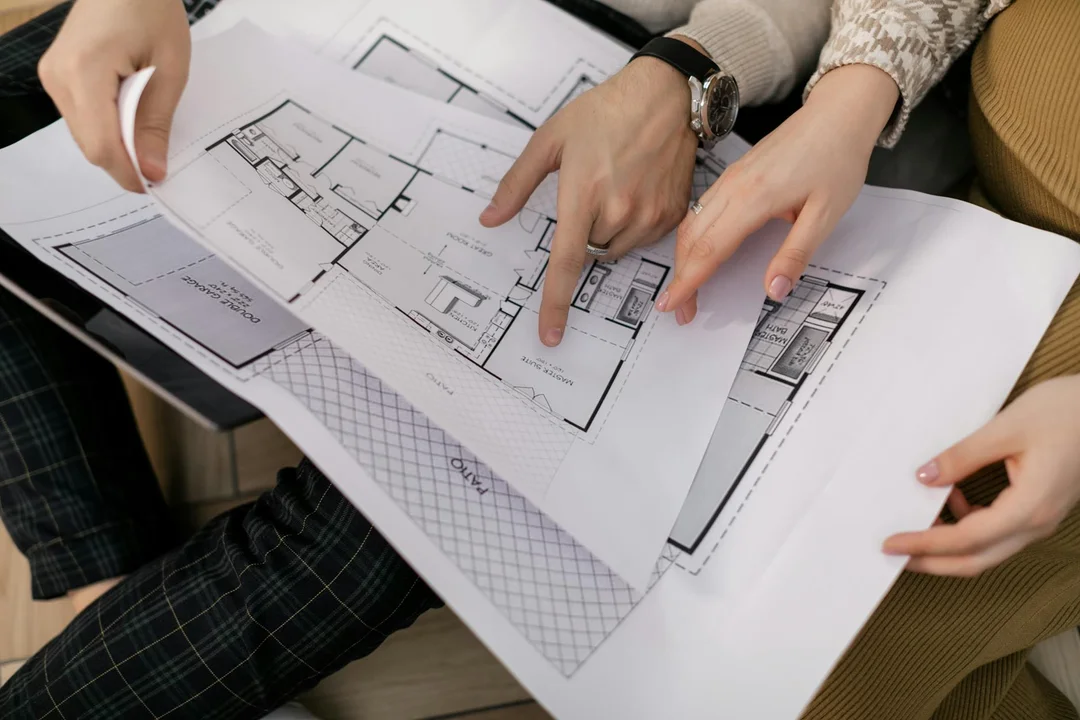
Facing a second denial can be disheartening, but multiple avenues remain to address the issue constructively. I’ve seen homeowners pivot to these options and achieve resolutions that seemed impossible at first.
Internal Conflict Resolution Options
Exhaust all internal HOA pathways before considering external steps, as they are often faster and less costly.
-
Request mediation or arbitration through the HOA to introduce a neutral third party into the discussion. Mediation focuses on facilitated negotiation, while arbitration may lead to a binding decision; review your HOA’s policies to see which is available and covered by association fees. The key difference is that mediation seeks a voluntary, collaborative agreement, whereas arbitration results in a decision that is binding on both sides. Knowing this distinction can help you choose the approach that best fits your needs.
-
Seek a review by a higher authority within the homeowners association, such as a supervisory committee or the full board of directors. Check your governing documents for appellate procedures, and submit a formal request with new evidence, like updated plans or expert opinions, to bolster your case. This is a practical step in navigating property disputes with your HOA. It helps you pursue a formal, fair resolution through the proper channels.
-
Check if a second appeal is permitted under HOA bylaws for another opportunity to present your request. Some bylaws allow reappeals after a waiting period or with significant modifications; document any changes you’ve made to address previous objections clearly and concisely.
Legal Rights and External Options
If internal methods fail, understanding your legal rights can empower you to take informed next steps.
-
Consult with an attorney specializing in HOA law to assess the strength of your position. They can identify violations like due process errors or discriminatory practices, and many provide low-cost initial consultations to outline potential strategies. They can also explain common HOA bylaw violations and how to address them, helping you navigate enforcement actions and protect your rights. This overview can guide you on practical steps to handle such violations effectively.
-
Evaluate grounds for legal action based on due process violations, such as the board ignoring its own hearing procedures. Gather all records-emails, decisions, and meeting minutes-to prove inconsistencies or arbitrary behavior that might support a lawsuit or settlement.
-
Consider filing a complaint with state or local housing authorities if you suspect legal breaches, like fair housing violations. These agencies can investigate and mediate disputes, often resolving issues without court involvement, but be prepared to provide detailed documentation and timelines.
Preventing Future HOA Architectural Request Denials

Learning from a past denial helps you avoid repeating the same mistakes. Taking preventive measures now can streamline your next application and reduce the risk of rejection.
- Submit complete applications with all required documentation
- Communicate with the architectural review committee early in the process
- Follow HOA guidelines precisely and seek pre-approval for ambiguous items
- Keep records of all interactions and approvals
Here’s how to apply each strategy effectively based on common HOA scenarios.
Submit Complete Applications with All Required Documentation
Incomplete submissions are a top reason for delays and denials. Gather every item on your HOA’s checklist, such as site plans, material samples, and contractor details, before you send anything. I’ve seen homeowners skip a single form and face weeks of back-and-forth, so review the requirements twice.
Communicate with the Architectural Review Committee Early in the Process
Reach out as soon as you have a rough idea for your project. Early conversations help you align your plans with the committee’s expectations and catch potential issues before they become problems. For instance, send a friendly email summarizing your intent-this builds rapport and shows you respect their role.
Follow HOA Guidelines Precisely and Seek Pre-approval for Ambiguous Items
Straying from the rules, even slightly, often leads to automatic rejections. Adhere to the written standards for dimensions, colors, and materials, and request written pre-approval for anything open to interpretation. If the guidelines mention “earth-tone paints,” ask for a specific color list to eliminate guesswork.
Keep Records of All Interactions and Approvals
Save emails, meeting notes, and approval letters in a dedicated folder. Thorough documentation serves as your evidence if disputes arise later and demonstrates your commitment to following procedures. Many residents I’ve worked with avoided conflicts simply by producing a dated email chain that confirmed earlier agreements.
FAQs
How long does the HOA appeal process usually take?
The appeal process duration varies by HOA, but it typically ranges from a few weeks to a couple of months. When it comes to the initial HOA approval, the timeline can also be lengthy, often taking several weeks to months depending on the association. Always check your HOA’s governing documents for specific timelines to avoid unnecessary delays.
Should I hire a professional to help with my appeal?
Hiring a professional, such as an HOA attorney or architect, can be beneficial for complex cases or legal concerns. Their expertise can strengthen your appeal by ensuring all procedural and substantive requirements are met. HOA attorneys specialize in community association law and can provide crucial guidance.
What should I do if I think the denial was based on a misunderstanding?
If you suspect a misunderstanding, clarify the issue in your appeal by providing clear, factual evidence and referencing specific HOA rules. This approach helps correct any misperceptions and reinforces your compliance with guidelines. To handle disputes with your HOA effectively, keep documentation organized and communicate respectfully throughout the process.
Are there any fees associated with filing an appeal?
Some HOAs may charge a fee for filing an appeal, while others do not impose any costs. Review your HOA’s policies or contact the board directly to confirm fee details and budget accordingly.
Your Path to a Successful Appeal
Begin by thoroughly understanding your HOA’s specific denial reasons and governing documents to identify any missteps or misunderstandings. Familiarize yourself with the step-by-step HOA dispute resolution process. Sticking to those steps helps ensure your appeal is complete and timely. Proceed with a well-organized, respectful appeal that directly addresses the board’s concerns and strictly follows the outlined procedures to strengthen your case.
Further Reading & Sources
- What to do if your HOA denies your architectural plans | Sheppard, Uziel & Hendrickson Law Firm
- Denied by Your California HOA? How to Challenge or Appeal Architectural Decisions Denied by Your California HOA? How to Challenge or Appeal Architectural Decisions
- When Is Legal Action Appropriate Against an HOA Over Architectural Requests? | Wilmington Personal Injury Lawyer Law Office of Bradley Coxe
- ARC Request Denied: What Steps Can Homeowners Take | CSM
Brandon has been on both ends of HOA, as part of it, he has helped build his community in Oregon, while also helping other homeowners deal with typical and atypical issues one might face. He has 8+ years of experience dealing with HOAs himself and on behalf of his friends and family, and he brings his extensive expertise and knowledge to make your HOA interaction seamless and smooth.
Approval Process