
How to Assess HOA Amenity Quality on a Property Tour
Published on: February 12, 2026 | Last Updated: February 12, 2026
Written By: Brandon Chatham
The quickest way to assess HOA amenity quality is to personally inspect them with a critical eye, looking for signs of maintenance, asking about usage fees and rules, and reviewing the HOA’s financial reserves for future repairs. Do not just glance at a sparkling pool; check the equipment, read the posted rules, and understand the long-term costs.
You might wonder how you can tell if an amenity is truly well-maintained or just superficially clean. A fresh coat of paint can hide a lot, but you should look for operational details. Check if gym equipment is modern and functional, see if tennis court nets are intact and fences are secure, and note if the clubhouse furniture is worn or updated. These small details reveal the HOA’s commitment to ongoing care, not just last-minute tidying for a showing.
Choosing a home with a great HOA can dramatically improve your quality of life, while a poorly managed one can become a constant source of frustration and unexpected costs. This guide walks you through a practical, step-by-step assessment during your property tour. You will learn the key questions to ask, the specific areas to inspect, and how to interpret the HOA’s financial documents. We cover everything from pools and parks to budgets and bylaws, giving you the confidence to make an informed decision.
Inspecting Key Amenities for Function and Condition
Don’t just glance at amenities-interact with them. Your goal is to determine if these shared spaces are genuinely functional or just decorative features for the sales brochure. A well-maintained amenity speaks volumes about the HOA’s management and financial health.
Swimming Pools and Recreational Water Features
Look beyond the sparkling water. Check for visible cracks in the pool deck, cloudy water, or missing safety equipment like life rings and shepherd’s hooks. A clean, fully-stocked pump room is a telltale sign of diligent, professional maintenance. Peek inside to see if it’s organized and free of leaks.
- Inspect the filtration system for unusual noises or warning lights.
- Check posted safety rules and the certification of the last health department inspection.
- Feel the gate latch; it should self-close and latch securely for child safety.
Fitness Centers and Gym Facilities
Test the equipment. Turn on a treadmill and listen for strange sounds. Check the weight stacks on cable machines for smooth operation. Outdated, broken, or poorly maintained gym equipment is a red flag for deferred maintenance in other areas.
- Look for a posted cleaning schedule and sanitizing wipes.
- Check the condition of flooring for tears or excessive wear.
- Note the variety and age of equipment-does it meet your fitness needs?
Clubhouses and Common Event Spaces
Open cabinets in the kitchenette. Test the faucets and flush a toilet in the restroom. Functional details like these reveal whether the space is truly ready for resident use or just for show.
- Examine the furniture for stains, tears, or broken legs.
- Check the walls and ceilings for water stains or peeling paint.
- Ask about the reservation process and any associated fees for use.
Playgrounds and Outdoor Recreation Areas
Give the play structures a gentle shake. They should feel solid and secure in the ground. Look for a deep, soft layer of safety mulch or rubber matting beneath all play equipment to cushion falls.
- Check for rust, splintering wood, or hot metal surfaces on a sunny day.
- Look for loose bolts, sharp edges, or exposed concrete footings.
- Ensure equipment is age-appropriate for your children’s needs.
Sports Courts and Dog Parks
Walk the perimeter of the tennis or basketball court. Look for cracks in the asphalt, sagging nets, or faded lines. For dog parks, a double-gated entry is a non-negotiable safety feature that prevents escapes.
- Check for working water fountains for both people and pets.
- Look for provided waste bags and empty trash receptacles.
- Inspect fencing for holes, rust, or weak spots at the base.
Assessing Maintenance and Cleanliness Standards
The overall cleanliness of common areas is a direct reflection of the HOA’s operational standards. You can learn more about an HOA’s priorities from a dirty pool bathroom than from a dozen pages of its governing documents.
Signs of Proper Upkeep in Common Areas
Pay attention to the small stuff. Are light bulbs burnt out in hallways? Is trash overflowing from bins? Consistent attention to minor details typically indicates a proactive, well-funded maintenance plan.
- Check for burned-out bulbs in street lamps and building entryways.
- Look for fresh paint on curbs, fences, and trim without drips or overspray.
- Notice if stairwells and elevators are free of dirt, grime, and lingering odors.
Evaluating Landscaping and Grounds Care
Healthy, well-manicured landscaping requires a consistent and funded maintenance schedule. Brown patches in the grass, overgrown shrubs, and wilting flowers often point to budget cuts or neglect.
- Look for defined edges along sidewalks and flower beds.
- Check that mulch is fresh and adequately deep to suppress weeds.
- Observe irrigation systems for broken sprinkler heads that flood sidewalks or miss their target areas.
Asking Critical Questions About Amenity Use and Rules
Inquiring About Amenity Schedules and Access
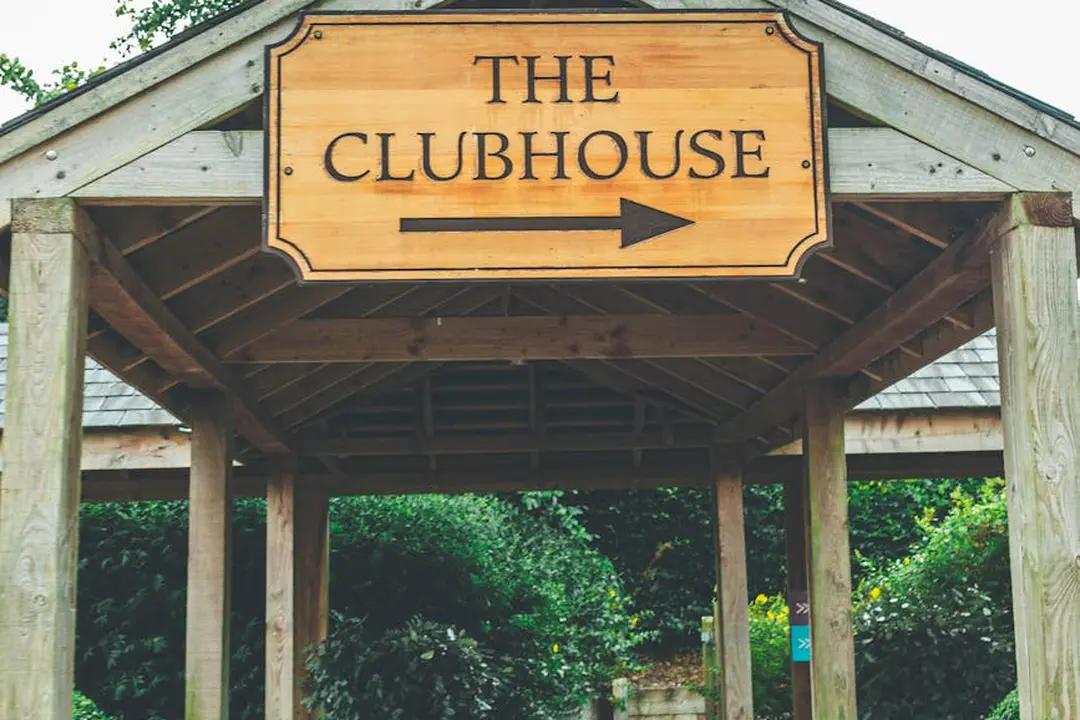
You need to know exactly when you can use the amenities you are paying for. A beautiful pool is useless if it closes at 6 PM and you work until 7. Ask about seasonal hours, especially for pools and clubhouses. Confirm whether access is 24/7 with a key fob or if there are strict closing times enforced, especially for pools in the area, as they often have specific rules, regulations, and schedules. This directly impacts your lifestyle and the value you get from your HOA fees.
Always ask about guest policies. Can you bring a few friends to the pool on a weekend? Is there a limit on how many guests you can host at the clubhouse? Unclear guest rules can lead to awkward situations and potential fines, so get the specifics upfront. You want to enjoy your home without constant worry about rule-breaking.
Find out about reservation systems for common areas like party rooms, tennis courts, or barbecue pits. Ask how far in advance you can book them and if there are any associated rental fees for residents. A first-come, first-served system might create conflict, while a structured booking process offers fairness.
Discussing HOA Rules and Fee Structures
Directly ask about the cost of amenities. Your monthly HOA fee covers general upkeep, but some communities charge extra for certain services. Clarify if there are separate fees for amenities like a golf course, marina slips, or premium fitness classes. These add-ons can significantly increase your annual housing costs beyond the base HOA payment. In many communities, the breadth of services and quality of amenities is what typically justifies higher HOA fees. Knowing what’s included helps you evaluate value and whether the premium aligns with your needs.
Inquire about the history of HOA fee increases. A stable fee suggests good financial management. Be sure to ask how often HOA fees have increased in recent years and by how much. A history of frequent, large special assessments for amenity repairs is a major red flag for poor financial planning. You are investing in a community, not a money pit with constant financial surprises.
Understand the rules governing amenity use. Are there age restrictions for the gym? Are glass containers banned at the poolside? Knowing the specific conduct rules helps you gauge if the community’s lifestyle matches your expectations. Strict rules aren’t always bad, but you need to be aware of them before you buy.
Reviewing HOA Documents for Amenity Insights
1. Reserve Studies and Financial Statements
The reserve study is your most important document for assessing amenity quality. It is a professional report detailing the condition of common assets. A well-funded reserve means the HOA has saved money for future pool resurfacing, clubhouse roof replacement, or tennis court repairs. This prevents massive special assessments that hit your wallet unexpectedly.
Look for the funded percentage in the reserve study. This number shows how much money the HOA has saved versus how much it should have saved. A funded percentage below 70% often signals financial trouble and a high risk of special assessments for amenity repairs. You want a community that plans ahead, not one that reacts to crises. So, how much reserve funds should your HOA have? A common target is to aim for at least 70% funded, with higher levels (80–100%) preferred for major amenities.
Review the current financial statements and annual budget. Check what percentage of the budget is allocated to amenity maintenance and operations. A low allocation might mean the board is deferring necessary upkeep, which leads to shabby, declining facilities over time.
2. Meeting Minutes and Maintenance Logs
Read the last 12 months of HOA board meeting minutes. This is where residents voice their concerns. Look for recurring complaints about broken gym equipment, a consistently dirty pool, or recurring closures of popular amenities. A pattern of issues indicates deeper management or maintenance problems. You can also learn how to voice your concerns effectively at an HOA meeting.
Minutes often reveal upcoming projects and their associated costs. You might discover plans for a large-scale amenity renovation funded by a special assessment that hasn’t been announced to the general public yet. This inside information is crucial for your buying decision and financial planning.
Ask to see maintenance logs or schedules for major amenities. A documented, proactive maintenance plan for pools, HVAC systems, and fitness equipment shows the HOA is serious about preserving your investment. A lack of records suggests a reactive, disorganized approach that will cost you more in the long run. In a residents guide, include a clear section on how to submit maintenance requests and how work orders are tracked and resolved. This helps ensure accountability and timely repairs from the HOA.
Identifying Red Flags and Safety Concerns
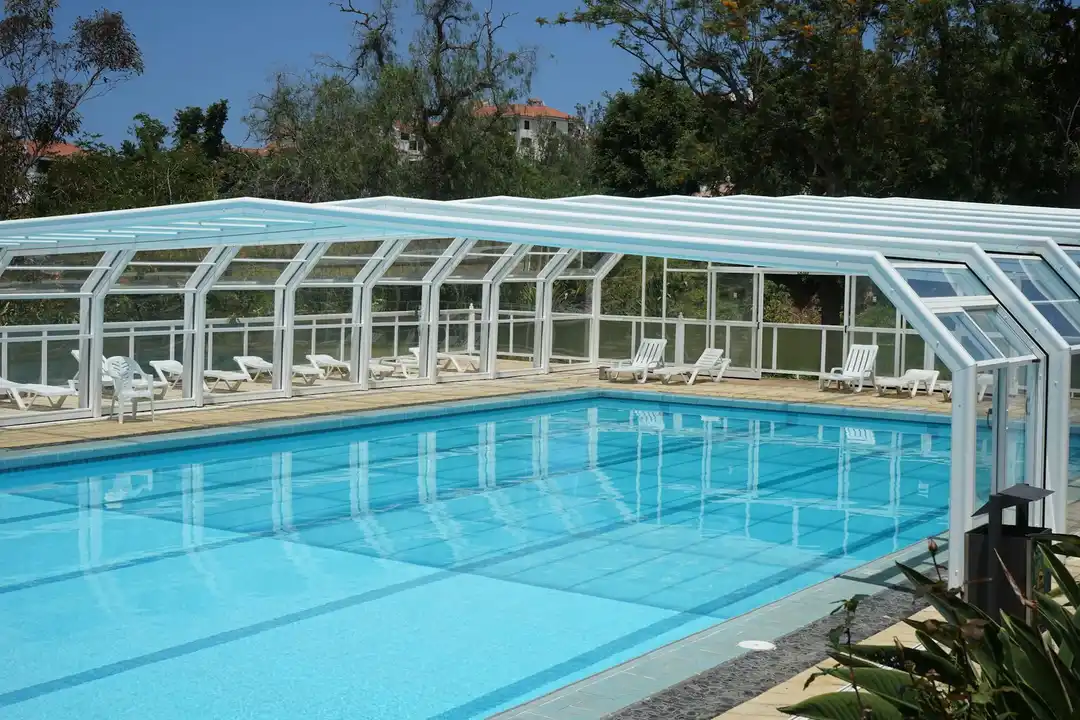
While amenities are a major perk, their condition tells the true story of how an HOA operates. You can spot major issues before you buy by looking past the surface appeal and checking for underlying problems. A poorly maintained pool or clubhouse is more than an eyesore; it signals potential financial and safety troubles for the entire community.
Common Safety and Code Violations
Keep a sharp eye out for these warning signs during your tour. They often point to deferred maintenance and lax oversight.
- Pool Area Hazards: Check for cracked or missing drain covers, slippery decks without proper texture, and non-functional safety equipment like shepherd’s hooks or life rings. Fences with broken latches or gaps are a major red flag.
- Playground Dangers: Look for cracked plastic, rusted metal components, and loose bolts on equipment. The ground surface should be a soft, impact-absorbing material like wood chips or rubber mulch, not hard-packed dirt or grass.
- Fitness Center Neglect: Inspect gym equipment for frayed cables, broken safety pins, and malfunctioning electronic displays. A disorganized space with broken mirrors or poor lighting suggests a lack of routine care.
- General Common Area Issues: Be wary of cracked sidewalks that pose a tripping hazard, burned-out lighting in parking garages or walkways, and overgrown landscaping that blocks visibility at intersections.
These violations are not just about immediate danger; they reveal a pattern of how the HOA board manages its responsibilities and funds. If you see multiple issues, it’s a strong indicator that the association may be cutting corners. When you encounter common HOA bylaw violations, knowing how to document and escalate them helps you handle them effectively. Familiarizing yourself with the proper complaint channels and remedies can drive timely resolutions.
Impact of Neglect on Community Value
Deferred maintenance on amenities has a direct and powerful effect on your financial investment in the community.
- Predicts Future Special Assessments: A crumbling clubhouse roof or an aging pool filter system will eventually need replacement. Neglect today almost guarantees a large, unexpected bill for all homeowners tomorrow.
- Lowers Property Values: Buyers are attracted to well-kept, vibrant communities. Shabby amenities make the entire neighborhood less desirable, which can suppress the selling prices of all homes, including yours.
- Indicates Underfunded Reserves: An HOA that cannot afford basic upkeep is likely not setting aside enough money for major repairs. This financial weakness can lead to bank lending issues for future buyers.
- Creates a Culture of Apathy: When residents see that standards are not enforced, they may become less inclined to maintain their own properties, leading to a general decline in the community’s curb appeal.
Your home’s value is intrinsically linked to the health and appearance of the shared spaces you help pay for. Spotting neglect early can save you from a poor investment.
Using Amenity Assessments in Your Home Buying Decision
Your observations about the amenities should directly influence your offer and your peace of mind. This isn’t just about liking the pool; it’s about trusting the organization you’re joining.
Use your findings to ask targeted questions during the buying process. Don’t be shy about requesting specific information from the seller or HOA management.
- Review the HOA’s Reserve Study: This report details the expected lifespan and replacement cost of major common elements, including amenities. Check if the HOA’s savings align with the upcoming needs you observed.
- Ask About Recent or Planned Assessments: Inquire if there have been any recent special assessments for amenity repairs or if one is being discussed for the near future.
- Read Recent Meeting Minutes: The minutes often contain discussions about maintenance issues, safety concerns, and budget approvals for repairs related to the pool, gym, or other facilities.
Factor the cost of future repairs into your offer price if you notice significant deferred maintenance. If you know the clubhouse needs a new $50,000 roof and the reserves are low, your offer should reflect that potential financial burden.
Finally, trust your gut. A community that takes pride in its shared spaces is typically well-managed and a more enjoyable place to live. If the amenities feel neglected, it often reflects a deeper issue with the association’s health and your future quality of life.
FAQs
What are the biggest red flags for poor HOA management during an amenity tour?
Consistent minor issues like burnt-out light bulbs, overflowing trash, and wilting landscaping often indicate a reactive, underfunded maintenance plan. Broken or outdated equipment and visible safety hazards are major warnings of deferred maintenance and potential financial trouble.
How can I tell if the HOA has enough money to maintain the amenities long-term?
You must review the reserve study, which details the HOA’s savings for future major repairs. A funded percentage below 70% is a significant red flag for underfunding and a high risk of special assessments. Understanding how reserve funds are structured helps you anticipate possible charges and plan accordingly. The reserve study is a key tool for homeowners to understand when and why special assessments may be needed.
What specific questions should I ask about amenity access and guest policies?
Always confirm the operating hours, whether 24/7 access is available, and the process for reserving spaces like the clubhouse. You should explicitly ask about guest limits and any associated fees to avoid unexpected fines and conflicts.
Are there often hidden costs associated with HOA amenities?
Yes, some communities charge extra fees for premium services like golf courses or marina slips on top of your regular dues. A history of frequent special assessments for amenity repairs is a clear sign of poor financial planning and hidden future costs.
Make Your HOA Amenity Assessment Count
Carefully inspect each amenity for upkeep and functionality to avoid future surprises. Take time to evaluate your HOA before buying a home to ensure it aligns with your budget and lifestyle. Verify the HOA’s financial stability and rule compliance to protect your investment and lifestyle. Also check for past or upcoming assessments that could affect your costs.
Further Reading & Sources
- HOA Assessments: Are They a Homeowner’s Obligation? | Ardent Residential – Condo Association & HOA Management
- What Does Association Amenities Mean? | HOA Start
- r/RealEstate on Reddit: HOA Special Assessments
- HOA Special Assessment: What Is It And Is It Required? | VMG
Brandon has been on both ends of HOA, as part of it, he has helped build his community in Oregon, while also helping other homeowners deal with typical and atypical issues one might face. He has 8+ years of experience dealing with HOAs himself and on behalf of his friends and family, and he brings his extensive expertise and knowledge to make your HOA interaction seamless and smooth.
Common Areas