
How to Challenge an HOA Rule That’s Lowering Your Property Value
Published on: February 2, 2026 | Last Updated: February 2, 2026
Written By: Brandon Chatham
You can challenge an HOA rule that’s lowering your property value by first reviewing your governing documents, gathering evidence of the financial impact, and then formally presenting your case to the board. This process requires a strategic approach focused on facts and community benefit, not just personal complaint.
Many homeowners wonder if they can actually win this kind of dispute. The answer is a resounding yes, but your success hinges on your preparation. Boards are far more receptive to a well-researched argument that demonstrates a rule is harming the collective property values of the community, not just your own individual home.
Fighting an HOA rule can feel daunting, but you don’t have to navigate it alone. This guide walks you through the entire process, from the initial research to formal appeals. You will learn how to build an undeniable case, communicate effectively with the board, and understand all your options if the initial request is denied. Let’s get started on protecting your largest investment.
How HOA Rules Can Lower Your Home’s Value
HOA rules can directly shrink your property’s market appeal by limiting features buyers want today. Strict bans on modern upgrades like solar panels often turn away eco-conscious purchasers, instantly dropping your home’s competitive edge.
Outdated aesthetic controls, such as prohibiting certain fence styles or paint colors, make your house look less inviting compared to neighboring communities. These visual restrictions can cause appraisers to assign a lower value based on reduced curb appeal.
Common rules that frequently lead to valuation issues include:
- Prohibitions on solar panel installations
- Height limits on privacy fences
- Bans on parking recreational vehicles or boats
- Rigid landscaping requirements that raise maintenance costs
- Rental restrictions that limit buyer pools
Identifying Rules That Affect Appraisal Numbers
Spot rules that hurt functionality by noting any HOA guideline that stops you from adding popular home features. Check if your appraisal mentions HOA restrictions as a reason for a lower valuation-this is a clear red flag.
Review recent sales data for similar homes in areas without those rules to see price differences. Comparing sale prices in unrestricted neighborhoods gives you solid proof of value loss.
Look for rules that impact daily living, like parking limits that inconvenience families with multiple cars. Appraisers often mark down homes with impractical rules that affect livability.
Understanding Your Homeowner Rights and HOA Documents
You have specific rights as a homeowner, including access to HOA records and fair treatment in rule disputes. Familiarizing yourself with your governing documents is the first step to a successful challenge, as outlined in the Homeowners Bill of Rights.
Key documents like CC&Rs (Covenants, Conditions, and Restrictions) outline what you can and cannot do with your property. Your bylaws explain how the HOA operates, including procedures for changing rules. To navigate changes to HOA bylaws and covenants, residents should understand the amendment process and how votes are conducted. Being informed helps you participate effectively in shaping the community rules.
Follow these steps to properly review your HOA documents:
- Obtain a current copy of the CC&Rs and bylaws from your HOA manager or website.
- Read each section carefully, highlighting rules related to your concern.
- Note any deadlines or processes for filing challenges mentioned in the documents.
What CC&Rs and Bylaws Mean for Your Challenge
CC&Rs are legally binding agreements that dictate property use, while bylaws cover board elections and meetings. Understanding both helps you identify if a rule conflicts with state laws or your basic homeowner rights.
Search for loopholes by looking for vague language or rules that haven’t been enforced consistently. Inconsistent enforcement can be a powerful argument for having the rule amended or removed.
Check for conflicts between different sections of the documents that might invalidate the rule. Finding contradictions gives you leverage in negotiations with the HOA board.
How to Request HOA Records and Meeting Minutes
Requesting records is your right, and it provides evidence of how rules were decided and enforced. Transparency in HOA operations is often required by state law, so use this to your advantage.
Follow this step-by-step process to submit a record request:
- Draft a written request specifying the documents you need, like meeting minutes or financial reports.
- Send it via certified mail or email to the HOA secretary or management company for proof of delivery.
- Follow up within the timeframe stated in your bylaws, typically 10-30 days, if you don’t receive a response.
Keep copies of all correspondence in case you need to escalate your request. Proper documentation shows the board you’re serious and prepared.
A Step-by-Step Plan to Challenge the HOA Rule

A structured approach increases your chances of overturning a harmful rule without unnecessary conflict. Starting with solid evidence and neighbor support makes your case stronger from the beginning.
Step 1: Document the Rule’s Impact on Your Property Value
Gather concrete proof like photos showing how the rule makes your property less attractive compared to others. Before-and-after images or examples from nearby homes can visually demonstrate the value drop.
Collect recent appraisals that cite the rule as a negative factor, or get a professional appraisal focused on this issue. An expert’s written opinion carries significant weight in HOA discussions.
Compile market data showing sale prices for similar properties without the restrictive rule. Hard numbers from real estate listings or agents provide undeniable evidence of financial harm.
Step 2: Build Support with Other Homeowners
Talk to neighbors who might also be affected by the rule to create a united front. Multiple homeowners voicing the same concern are harder for the board to ignore.
Host a casual meeting or use social media groups to discuss strategies and share experiences. Group input often reveals additional examples of how the rule hurts property values.
Create a petition outlining the issue and gather signatures to present to the HOA board. A signed petition shows widespread agreement and adds credibility to your request. To maximize impact, pair your petition with a concise, well-crafted letter to the HOA that clearly states the issue, proposed solution, and the action you are requesting.
Step 3: Present Your Case at an HOA Meeting
Prepare a concise presentation with your evidence, focusing on how the rule lowers community property values. Practice explaining your points clearly and calmly to avoid emotional reactions.
Bring copies of your documentation for each board member and arrive early to sign up for speaking time. Being organized and respectful increases the likelihood that the board will listen carefully.
Address specific committees, like the architectural review board, if they oversee the rule. Directing your argument to the right people streamlines the decision-making process.
Step 4: Follow Formal Complaint Procedures
Submit a formal demand letter or petition for reconsideration as outlined in your HOA’s bylaws. Using the official channel ensures your challenge is recorded and must be addressed. This is the first step in the HOA dispute resolution process. Following these steps helps ensure your case moves through the process efficiently.
Include all supporting documents and reference specific sections of the governing documents that support your case. A well-researched letter demonstrates your commitment and knowledge.
Adhere to any deadlines for responses or appeals to keep the process moving forward. Timely follow-ups prevent your complaint from being dismissed on technicalities.
Exploring Legal Avenues and Dispute Resolution
You might feel stuck when informal talks with your HOA board go nowhere, but several formal paths can help you push back against rules that hurt your property’s worth. Escalating to mediation, arbitration, or litigation often depends on how stubborn the HOA is and how much financial risk you can handle. Some disputes are among the most common HOA legal issues, like fines, architectural rules, use restrictions, and assessment questions. Recognizing these typical types can help you choose the most effective formal path.
- Mediation involves a neutral third party who helps you and the HOA find a mutual agreement without forcing a decision.
- Arbitration is more like a private trial where an arbitrator hears both sides and makes a binding ruling.
- Litigation means taking the HOA to court, which can be lengthy and expensive but sometimes necessary for justice.
Compare these options based on your situation. Mediation typically costs less and wraps up faster, with high success rates for resolving disputes amicably. Arbitration might take a few months and cost a moderate amount, while litigation can drag on for years and drain your savings. Understanding the difference between mediation and arbitration can help you decide which path fits your needs. Mediation is a voluntary, nonbinding process aimed at reaching a mutual agreement, while arbitration involves a neutral decision that is typically binding. Hire a lawyer who specializes in HOA law if the rule involves complex legal issues or large financial stakes.
When Mediation or Arbitration Makes Sense
Alternative dispute resolution works by bringing in an unbiased facilitator to guide discussions toward a compromise. This approach shines when both you and the HOA are open to negotiation but need help bridging gaps, especially through mediation.
- Use mediation for rules about aesthetic changes, like paint colors or fence heights, where flexibility exists.
- Choose arbitration if the HOA has a history of ignoring homeowner concerns and you want a definitive outcome.
- Opt for these methods when state laws encourage or require them before going to court.
Mediation and arbitration are most effective when emotions run high but the financial impact is manageable. They save you time and preserve neighborly relationships better than a courtroom battle.
Considering Litigation as a Last Resort
Suing your HOA starts with filing a lawsuit in civil court, followed by evidence exchange, hearings, and a potential trial. This route carries risks like high legal fees, possible countersuits, and strained community ties. To handle disputes with your HOA effectively, try mediation or the HOA’s dispute resolution process first. Document everything and communicate clearly before pursuing legal action.
You might face retaliation or increased HOA fees if you lose the case. Always consult an attorney experienced in HOA law to review your chances and prepare a solid strategy. They can spot weaknesses in the HOA’s rules and leverage state statutes to your advantage. Litigation makes sense only if the property value loss is significant and other options have failed. Understanding the limits of an HOA’s legal powers under state law and the governing documents matters. These limits shape what rules the HOA can enforce and what remedies are available to you.
Case Study: Challenging Solar Panel Restrictions in Kansas
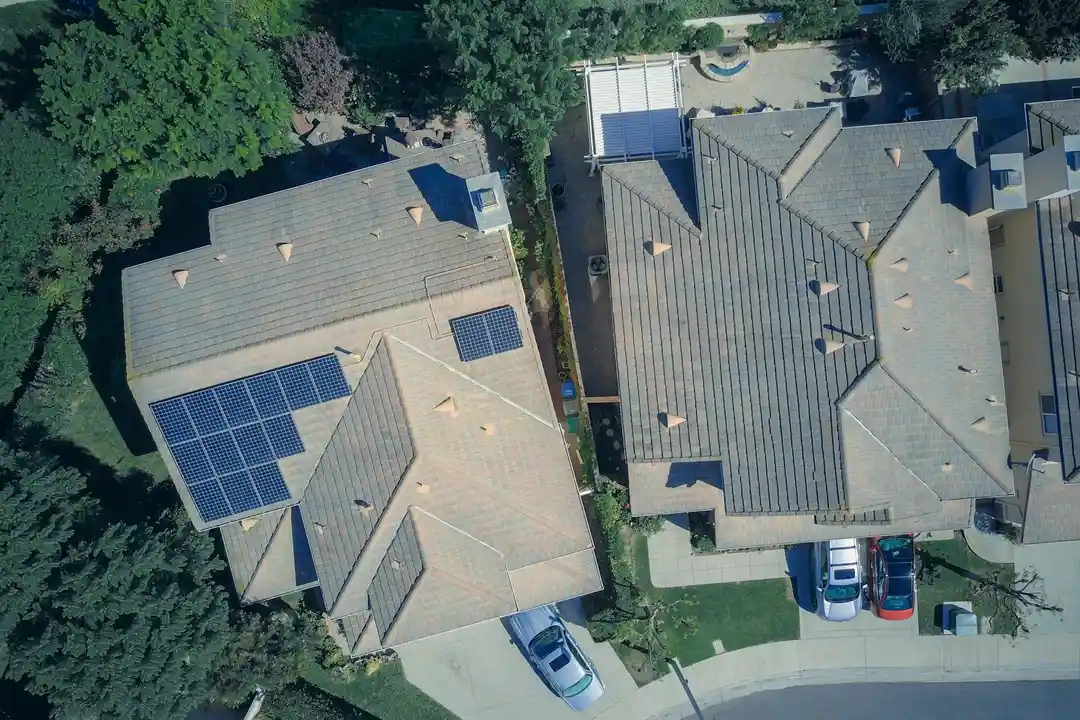
Imagine your HOA bans solar panels, claiming they look unattractive and could lower neighborhood appeal. In Kansas, state law Title 68 § 2868.7 specifically prevents HOAs from imposing unreasonable restrictions on solar energy devices. This statute overrides many HOA rules, protecting your right to invest in green upgrades that boost home value.
How Kansas Law Protects Homeowner Rights
Kansas law Title 68 § 2868.7 states that HOAs cannot prohibit solar panels outright but can set reasonable guidelines for placement and safety. This means your HOA must allow installations that meet basic standards, preventing arbitrary bans that dent your property’s marketability. By ensuring access to energy-efficient features, the law helps maintain or increase home values in a competitive real estate environment. However, HOAs might have more control over other installations like air conditioners and ADUs.
Applying This Strategy to Your Solar Panel Dispute
If you face a similar ban, follow these steps to challenge it effectively. Start by gathering legal citations from your state’s statutes to build a compelling case.
- Research your state’s solar access laws-many have versions similar to Kansas’s statute.
- Document how the restriction lowers your property value with appraisals or market data.
- Mobilize local support by talking to neighbors who also want solar panels.
- Present your findings to the HOA board in writing, citing the specific law.
- If the board resists, escalate to mediation or legal action with an attorney’s help.
This approach turns a personal grievance into a collective effort backed by law. You strengthen your position by showing how the rule harms multiple homeowners and violates state protections.
FAQs
Can I challenge an HOA rule that bans solar panels in Kansas?
Yes, you can challenge such a rule by citing Kansas law Title 68 § 2868.7, which prohibits unreasonable restrictions on solar energy devices. This statute ensures your right to install solar panels, helping protect your property value from arbitrary bans.
Were there any updates to Kansas solar panel laws for HOAs in 2020?
No significant changes occurred in 2020, as the Kansas solar access law has remained stable. Always verify current statutes and local amendments to build a strong case against value-lowering rules.
How do I challenge solar panel rules in Kansas City specifically?
Start by reviewing both state laws and any Kansas City municipal codes that may offer additional protections for solar installations. Local ordinances can provide extra leverage when arguing that a rule unfairly reduces property values.
What Reddit advice is useful for challenging HOA rules on solar panels?
Reddit communities often recommend connecting with other affected homeowners and compiling evidence of financial impact. They stress using state law references and collective action to persuade the HOA board effectively.
Your Path to a Fair HOA Resolution
Begin by thoroughly documenting how the rule impacts your property value and formally presenting your findings to the board. Adhering to your HOA’s procedures and maintaining clear communication are your most powerful tools for achieving a positive outcome.
Further Reading & Sources
- 10 Unenforceable HOA Rules – How To Challenge Them and Win! – Get A Site Plan
- HOAworks | How to Legally Challenge an HOA Rule or Fine
- HOA Rule Enforceability in Florida | LS Carlson Law
- 14 Unenforceable HOA Rules-and How to Fight Them – Bob Vila
Brandon has been on both ends of HOA, as part of it, he has helped build his community in Oregon, while also helping other homeowners deal with typical and atypical issues one might face. He has 8+ years of experience dealing with HOAs himself and on behalf of his friends and family, and he brings his extensive expertise and knowledge to make your HOA interaction seamless and smooth.
Changes to Rules and Bylaws