
How to Recall Your Entire HOA Board of Directors
Published on: February 8, 2026 | Last Updated: February 8, 2026
Written By: Brandon Chatham
A full HOA board recall requires homeowners to follow the specific legal steps outlined in your governing documents and state law, typically involving a petition, a special meeting, and a membership vote. This process is your legal right when a board is not fulfilling its duties.
You might wonder what happens immediately after a successful recall. The HOA does not dissolve; instead, the remaining homeowner members must promptly appoint or elect a new interim board to assume control and ensure the community’s operations continue without interruption. This prevents a leadership vacuum.
Navigating a full board recall is a serious but sometimes necessary step to protect your community’s finances and quality of life. The process is detailed and must be handled precisely to be legally valid. This guide will walk you through each critical stage, from reviewing your bylaws and building homeowner support to conducting the vote and managing the transition to new leadership.
Understanding the Basics of an HOA Board Recall
-
A board recall in a homeowners association is a formal process where members vote to remove directors before their terms end. This action empowers you to address leadership issues and restore proper management when the board fails to meet expectations.
-
Fiduciary duty requires board members to prioritize the HOA’s financial health and operational needs above personal interests. Governance covers how rules are enforced and decisions are made, while a membership vote gives all homeowners a direct say in major changes like recalls. Board members also have legal responsibilities to follow the governing documents and applicable state laws. Homeowners can seek remedies if these duties are breached.
-
Recalls typically arise from disputes over spending, communication breakdowns, or neglect of duties, which can create tension among neighbors. Successfully navigating a recall often leads to improved transparency and stronger community bonds.
Valid Reasons for Initiating a Board Recall
-
Breach of fiduciary duty, such as misusing association funds or ignoring financial audits, is a common ground for recall. Financial mismanagement might involve unexplained budget shortfalls or unauthorized expenditures that put your community at risk.
-
State statutes and your HOA’s governing documents, like bylaws and CC&Rs, define what qualifies as a valid reason for removal. These rules vary by location, so always verify that your concerns align with legal and contractual standards before proceeding.
-
Examples include failure to maintain common areas, resulting in unsafe conditions, or violating CC&Rs by approving projects that break community rules. Such actions can lower property values and erode trust in the board’s ability to lead.
Step-by-Step Process for Homeowners to Recall the Board
-
Review your HOA bylaws and state laws to confirm the exact recall procedures and requirements. This prevents legal challenges and ensures your efforts follow the correct framework from the start. By reading and understanding your HOA bylaws—the key sections explained—you’ll know exactly where to start and what steps to take for a compliant recall.
-
Organize supporters by discussing concerns with neighbors and building a coalition to rally behind the recall. A united group increases your chances of gathering the needed support and signatures efficiently.
-
Draft and circulate a recall petition that clearly states the reasons for removal and the desired outcome. Keep the language straightforward to help homeowners understand the issues and feel confident in signing.
-
Schedule a special meeting and provide proper notice to all members, as outlined in your HOA’s rules. Timely and clear communication ensures everyone has a fair opportunity to participate in the vote. This is part of a step-by-step guide to running an HOA meeting effectively.
-
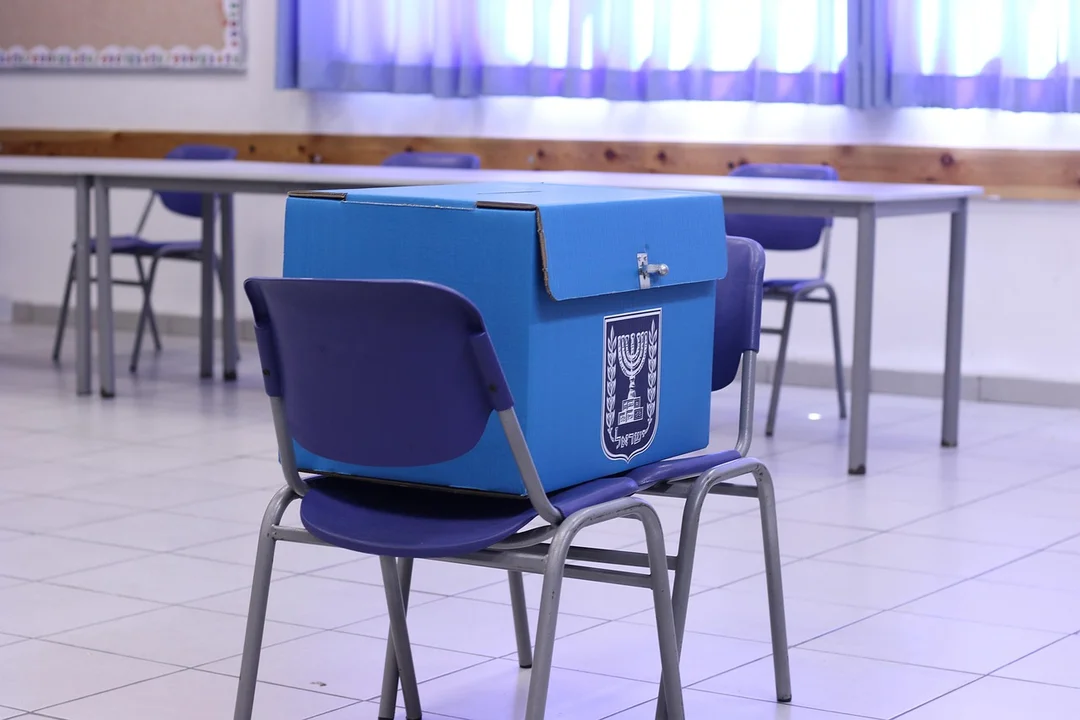
Conduct the membership vote and work to achieve the required quorum, which is the minimum number of voters needed for validity. Encourage high turnout through reminders and easy voting options to make the results decisive.
-
Certify the results through an official count and handle the removal of board members, possibly by installing interim leaders. Follow through with documentation and transitions to maintain stability in your community.
How Board Members Should Respond to a Recall Effort
Facing a recall can feel overwhelming, but your response sets the tone for the entire process. Handling this situation with poise demonstrates leadership and can influence homeowner perceptions positively. Let’s walk through the key steps to manage this challenge effectively.
-
Stay calm and avoid personal reactions to the recall petition.
Initial emotions might include shock or frustration, but reacting defensively can escalate tensions. Taking a step back allows you to assess the situation objectively and respond rather than react. From my experience, boards that maintain composure often find smoother paths to resolution.
-
Consult legal counsel to understand rights and obligations.
Reach out to an attorney specializing in HOA law immediately after learning of the recall. Legal experts provide clarity on your specific duties and help shield you from potential personal liability. They can outline what you must do, what you cannot do, and how to protect yourself during the proceedings. Understanding HOA due process and your rights during violation proceedings is crucial. This knowledge helps you respond appropriately to notices, hearings, and potential penalties.
-
Communicate openly with homeowners to address concerns.
Hold a special meeting or send a clear, factual message to the community explaining the board’s position. Transparent communication can dispel rumors and show that you take homeowner feedback seriously. I’ve seen many recalls de-escalate when boards actively listen and acknowledge valid issues raised by residents.
-
Review governing documents for recall rules and timelines.
Your HOA’s CC&Rs, bylaws, and other documents contain the blueprint for a recall. These documents often specify vote percentages, notification periods, and procedural steps that must be followed precisely. Missteps here can derail the entire process, so double-check every requirement.
-
Prepare for potential outcomes, including resignation or mediation.
Consider all scenarios, from the recall succeeding to finding a compromise. Exploring options like voluntary resignation or professional mediation can sometimes resolve conflicts without a full board removal. Having a plan ready reduces uncertainty and helps you make informed decisions under pressure.
Navigating Legal Requirements and State Statutes

Legal frameworks governing HOA recalls vary significantly, and missteps can lead to invalid outcomes or lawsuits. Understanding the interplay between your documents and state law is critical for a lawful recall process. Here’s what you need to focus on.
-
Highlight the role of CC&Rs, articles of incorporation, and bylaws.
Your governing documents act as the HOA’s constitution, detailing how recalls should be initiated and executed. CC&Rs typically outline member voting rights, while bylaws may cover meeting protocols and officer removal steps. Always cross-reference these with state statutes to avoid conflicts. In addition, every board should implement essential HOA operating procedures to ensure transparent, consistent governance. Regularly review and document processes for meetings, voting, recordkeeping, and dispute resolution.
-
Discuss variations in recall procedures by state, such as California or Florida.
State laws add another layer of complexity to recall rules. California’s Davis-Stirling Common Interest Development Act mandates specific timelines and voting methods, whereas Florida’s statutes might require different homeowner participation thresholds. Familiarize yourself with your state’s unique requirements to ensure compliance.
-
Emphasize the importance of following state statutes to avoid legal challenges.
Ignoring state-specific procedures can result in the recall being overturned in court. Strict adherence to statutory guidelines validates the process and minimizes the risk of costly legal battles for the HOA. I’ve advised associations where skipping a single notice requirement led to months of litigation.
-
Include tips on working with legal counsel for compliance.
Select an attorney with proven HOA experience to guide you through the recall. They can help draft legally sound communications, verify procedural steps, and represent the board if disputes arise. They can also advise on handling recall petitions and removal attempts against board members, ensuring due process and lawful responses. This partnership ensures that every action aligns with both your documents and state law, protecting everyone involved.
Conducting the Recall Meeting and Voting Process
-
Plan the special meeting with clear agendas and voting instructions
You must schedule the special meeting at a time and place accessible to most homeowners, often a community clubhouse or online via video conference. Send a formal notice to every homeowner that includes the specific meeting agenda, which should state the sole purpose is to vote on the recall of the board. The notice must also contain crystal-clear voting instructions, explaining whether votes will be cast by secret ballot, show of hands, or another method defined in your bylaws.
-
Ensure transparency in ballot distribution and vote counting
If using physical ballots, appoint a neutral, non-voting party, like a community manager or a respected homeowner, to distribute and collect them. For a process everyone can trust, consider forming an impartial committee of volunteers to oversee the counting of votes in an open setting. This committee should sign a document verifying the final tally, preventing any accusations of foul play or mismanagement.
-
Meet quorum requirements and handle proxy votes if allowed
Before any vote can happen, you must first establish a quorum. Check your governing documents to confirm the required quorum percentage for official HOA business, as this is a non-negotiable first step. If your bylaws permit proxy voting, provide a simple, official proxy form with the meeting notice so absent owners can assign their voting power to another homeowner, helping you reach that critical quorum number.
-
Announce results promptly and document everything for records
Once the votes are counted and verified, announce the outcome to all homeowners present at the meeting immediately. Follow up within 24 hours with a written notice to the entire community, detailing the final vote count and the official result of the recall. Keep meticulous records of the meeting minutes, all ballots, proxy forms, and the tally sheet, as these documents are your legal protection if the results are later challenged.
After the Recall: Transition and Governance Steps
-
Outline how to form an interim board and assign roles
The first order of business is to establish a temporary leadership structure. Homeowners should nominate and vote for an interim board from the floor of the recall meeting itself, selecting individuals who are willing to serve and have the community’s trust. This new group must quickly assign core roles like President, Treasurer, and Secretary to ensure there is always a point of contact and someone responsible for financial decisions.
-
Develop a transition plan for handing over duties and finances
Organize a formal meeting between the outgoing and interim boards, if possible, to transfer all essential documents. Your interim board’s most critical task is to gain immediate access to all HOA bank accounts, financial records, contracts, and the official seal. Create a checklist of items to transfer, including vendor contracts, insurance policies, and keys to common area facilities, to prevent anything from being overlooked.
-
Focus on restoring community trust through open communication
The new interim board must operate with radical transparency to heal the community. Commit to sending out regular updates via email or a community newsletter, openly sharing the HOA’s current financial status and any ongoing issues. Hold monthly “town hall” meetings where homeowners can ask questions and voice concerns directly, demonstrating that the new leadership is accountable and listening.
-
Address any immediate issues like ongoing projects or legal matters
Review all active contracts and projects to understand their status and deadlines. Immediately consult with the HOA’s attorney to understand any pending lawsuits or legal threats the association is facing. In parallel, establish a clear dispute-resolution process. Keep thorough records of all communications to handle disputes with homeowners and vendors effectively. Prioritize urgent matters like essential maintenance, upcoming vendor payments, and unresolved homeowner violations that require immediate attention to keep the community functioning smoothly.
Common Misconceptions About HOA Board Recalls

Many homeowners approach a board recall with preconceived notions that can lead to frustration or failure. Clearing up these misunderstandings from the start is vital for a smooth and legitimate process.
-
Debunk myths such as recalls always hurting property values
Homeowners often fear that a recall will signal chaos and cause property values to plummet. A properly executed recall that follows governing documents and state law demonstrates a healthy, engaged community. Stagnation or poor management from an ineffective board is often the real threat to your investment.
-
Clarify that recalls require adherence to strict procedures, not just member dissatisfaction
You cannot remove a board simply because you disagree with their decisions. A successful recall is a procedural marathon, not a popularity contest based on discontent. You must follow every step in your bylaws and state statutes precisely, from petition requirements to proper notification and voting protocols.
-
Explain that legal help is often necessary, contrary to some beliefs
Some believe they can navigate a recall alone to save money. An experienced HOA attorney helps you avoid costly missteps that could invalidate the entire recall effort. They ensure your petition is legally sound, meetings are properly noticed, and the voting process is beyond reproach.
-
Note that recalls can be complex and vary by location, like Michigan or Florida
The rules are not the same everywhere. For example, Michigan law may have different signature thresholds and notice periods than Florida’s statutes for condominiums or planned communities. Assuming a one-size-fits-all approach is a surefire way to have your recall challenged and overturned.
Common Questions
What is the general process for recalling an HOA board member?
The process involves reviewing your governing documents, gathering homeowner support, and following specific legal steps for a membership vote. A successful recall requires strict adherence to the procedures outlined in your HOA’s bylaws and state law to be legally valid. It’s equally important to be well-prepared for the meeting where the recall vote will take place. Check out how to prepare for an HOA meeting to ensure you’re ready to present your case effectively.
How does a board recall in California differ from one in Florida?
California’s process is governed by the Davis-Stirling Act, which has specific timelines, while Florida’s statutes have different homeowner participation thresholds. You must always consult your state’s specific statutes to ensure your recall effort is compliant and enforceable.
Can recalling the HOA board affect our property values?
A poorly managed recall can create uncertainty, but a successful one that restores proper governance often leads to improved community stability. A properly executed recall that follows the rules demonstrates a healthy, engaged community and can protect or even enhance property values.
Are there unique considerations for a board recall in a state like Michigan?
Yes, Michigan law has its own unique requirements for signature thresholds and notice periods that differ from other states. Assuming a one-size-fits-all approach is a surefire way to have your recall challenged, so always verify your state’s specific statutes.
Navigating Your HOA Board Recall Successfully
To manage a full board recall, always begin by thoroughly understanding your governing documents and uniting homeowner support. Sticking to the outlined procedures protects everyone’s rights and paves the way for a stable, effective new leadership team.
Further Reading & Sources
- HOA Board Recall: What Does This Mean? | Cedar Management
- Removal & Recall of Directors | FindHOALaw
- Responding to a Recall Petition – Educational Community for Homeowners (ECHO)
- Court Steps in to Force Recalled HOA Board to Step Down
Brandon has been on both ends of HOA, as part of it, he has helped build his community in Oregon, while also helping other homeowners deal with typical and atypical issues one might face. He has 8+ years of experience dealing with HOAs himself and on behalf of his friends and family, and he brings his extensive expertise and knowledge to make your HOA interaction seamless and smooth.
Board of Directors