
How to Pay Your HOA Fees: Online and Offline Methods
Published on: March 26, 2026 | Last Updated: March 26, 2026
Written By: Brandon Chatham
The fastest way to pay your HOA fees is typically through your association’s online payment portal, but you can also use traditional methods like checks, money orders, or bank bill pay. Most associations now offer multiple payment channels to fit different homeowner preferences and needs.
You might be wondering which method is truly the easiest. For most people, setting up automatic payments through an online portal is the ultimate convenience. This approach ensures your payment is never late, helping you avoid potential late fees and maintain a good standing with your HOA.
Managing HOA dues doesn’t have to be a monthly hassle. This guide walks you through every payment option available, from digital wallets to good old-fashioned mail. We’ll cover setup steps for online systems, explain how to handle offline payments correctly, and discuss important details like processing times and potential fees. Understanding your choices makes staying current with your HOA obligations simple and stress-free.
Getting Ready to Pay Your HOA Fees
Before you send any money, a little preparation prevents payment problems. Always check your most recent HOA statement for the exact amount due and your specific account number. Paying the wrong amount or forgetting your identifier can cause frustrating delays.
Gather your payment tools in one place. This includes your checkbook, HOA account number, and a copy of the coupon from your statement if required. Having everything at your fingertips makes the process smooth and fast.
Mark your calendar with the payment due date, not just the late date. Setting a reminder a few days before the deadline gives you a comfortable buffer for any processing time. Life gets busy, and a simple alert can save you from a late fee.
Paying HOA Fees Online: A Step-by-Step Guide
Finding and Using Your HOA Payment Portal
Your first stop is locating your association’s dedicated payment website. Look for a web address or login instructions on your latest HOA invoice or a welcome letter from the management company. You can also check the community’s official website or member newsletter. If you’re unsure where to find these details, check how to find your HOA’s website and contact information.
Once you find the portal, you will create a secure login. You will typically need your account number and possibly your property address to register for the first time. Keep your login credentials in a safe place for future payments.
After logging in, navigate to the “Make a Payment” or “Pay My Dues” section. The system will display your current balance and any past-due amounts, allowing you to confirm what you owe. Double-check these figures against your paper statement for accuracy.
Choosing Your Online Payment Method
Online portals offer several ways to pay, each with different processing times and potential fees.
- Electronic Check (eCheck): This method uses your bank routing and account numbers. It’s often the cheapest option, sometimes free, but can take 3-5 business days to clear.
- Credit Card: Paying with a credit card is instant but usually includes a convenience fee. This fee can be a percentage of your payment, so it adds up on large HOA bills.
- Debit Card: This also processes instantly and may have a lower fee than a credit card, but you should confirm the cost with your HOA’s payment processor.
Review all options before selecting one. Weigh the speed of a card payment against the potential savings of using an eCheck to find the best fit for your budget.
Setting Up Automatic Recurring Payments
Forgetfulness is the biggest cause of late fees, and autopay is the perfect solution. Setting up automatic payments ensures your HOA fees are always paid on time, every time. It provides incredible peace of mind.
To enroll, log into your payment portal and find the “AutoPay” or “Recurring Payments” tab. You will choose your payment method, amount, and the date you want the payment to process each month. Always select a date a few days before the actual due date.
Remember to keep the payment method you use for autopay funded and active. Monitor your bank or credit card statements to confirm the payments go through successfully each cycle. This helps you catch any issues immediately.
Paying HOA Fees Offline: Traditional Payment Options

Mailing Your HOA Payment
If you prefer to pay by check through the mail, timing is everything. You must mail your payment well in advance of the due date to account for postal delivery delays. Sending it a week early is a safe practice.
Use the remittance envelope provided with your statement. Always write your HOA account number on the memo line of your check so the payment is applied correctly. Without it, your payment could get lost in the system.
For security and proof of mailing, consider sending your payment via certified mail. This gives you a tracking number and confirmation that the HOA management company received your envelope. It’s worth the small extra cost for important payments.
In-Person and Drop-Box Payments
Some associations or their management companies have a physical office where you can pay. Call ahead to confirm office hours and accepted payment methods, as some may only take checks or money orders. An unexpected trip is a waste of time.
Many communities also provide a secure drop box on-site. If using a drop box, be sure to place your check in a sealed envelope with your account information clearly written. Avoid dropping cash into these boxes, as it cannot be traced.
Always get a receipt for in-person payments. A stamped receipt or a carbon copy from a money order is your best proof of payment if any questions arise later. Keep this receipt with your important household documents.
Ensuring Secure and Private HOA Payments
Protecting your financial information during HOA transactions is non-negotiable. Always verify that any online payment portal uses a secure HTTPS connection, indicated by a lock icon in your browser’s address bar. This encryption scrambles your data, making it unreadable to potential interceptors.
Security for Online Portals
Your HOA’s management software should have robust security features. Look for platforms that offer multi-factor authentication (MFA). Multi-factor authentication adds a critical extra step, like a code sent to your phone, to confirm your identity before granting account access. This simple step blocks most unauthorized login attempts.
- Create a unique, complex password for your HOA portal that you don’t use elsewhere.
- Regularly monitor your bank and HOA accounts for any unfamiliar transactions.
- Confirm the HOA or management company’s official contact details before sending any payment information.
- Avoid making payments over public Wi-Fi networks; use a secure, private connection.
Safeguarding Offline Payments
Physical payments require a different kind of vigilance. Never leave a check or cash payment in an unsecured, public drop box where it can be easily seen or stolen. If you must use a drop slot, ensure it leads directly to a locked, secure interior container.
When mailing a check, take it directly inside the post office. Using the blue USPS collection boxes on the street can make you a target for mail theft, a rapidly growing problem. For high-value payments, consider sending it via certified mail with a return receipt requested.
Handling Common HOA Payment Issues

Even with the best intentions, payment problems can arise. Addressing them quickly and correctly protects you from escalating fines and potential legal action.
Disputing a Late Fee or Fine
If you believe a late fee or fine was applied to your account in error, act promptly. Gather all your evidence, such as bank statements showing the cleared payment or email payment confirmations, before you contact the HOA. A well-documented case is much harder to dismiss. Presenting your evidence clearly can help you dispute HOA fees successfully. A concise, well-argued case often leads to a favorable resolution.
- Politely contact the HOA manager or board treasurer in writing to state your case.
- Clearly present your evidence and reference the specific charge you are disputing.
- Request a formal review and a written response detailing their decision.
What to Do If a Payment Is Rejected
A rejected electronic payment can be alarming. Your first call should be to your bank or credit card company to understand why the transaction was declined-common reasons include insufficient funds or a fraud alert. Then, immediately notify your HOA.
- Inform the HOA manager of the issue and your plan to resolve it.
- Ask if they can waive the late fee as a one-time courtesy given the circumstances.
- Make the payment using an alternative, guaranteed method, like a cashier’s check, as soon as possible.
Facing Financial Hardship
Struggling to make your HOA payment is a stressful situation. Proactive, honest communication with your HOA board is the single most important step you can take if you’re facing financial hardship. Boards are often more willing to work with homeowners who come forward early.
Many associations have policies for payment plans. Formally request a temporary payment plan in writing, outlining a realistic proposal for catching up on your dues. Ignoring the problem will only lead to mounting debt, liens, and worse. Check your governing documents to understand the association’s specific policies on late payments and hardship arrangements.
Understanding Payment Deadlines and Consequences
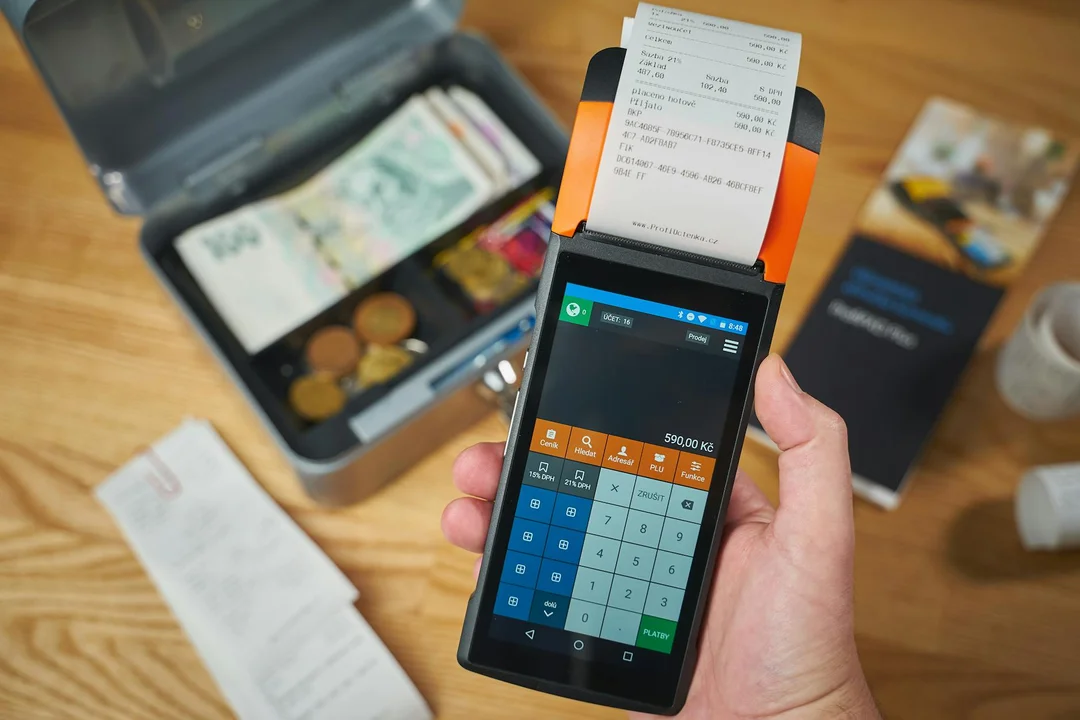
Your HOA payment deadline is not a suggestion. Missing this date, even by a single day, can trigger a series of financial penalties that add up quickly. Most associations operate on a strict calendar to manage their budgets for community upkeep. It’s important to understand your HOA’s payment schedules to avoid any late fees.
Typical Payment Schedules and Grace Periods
Payment schedules are outlined in your Covenants, Conditions, and Restrictions (CC&Rs).
- Monthly: The most common schedule, often due on the 1st of each month.
- Quarterly: Payments are due every three months.
- Annually: One large payment for the entire year.
Many HOAs offer a grace period, usually 10 to 15 days after the due date. This grace period is a courtesy, not an extension of the due date, and late fees are often still applied from the original due date. Always check your specific governing documents, especially regarding fee increases.
The True Cost of Late Payments
Paying late does more than just disrupt the HOA’s budget. It directly impacts your wallet.
- Late Fees: A fixed charge applied immediately after the due date or grace period ends. This can range from $25 to $50 or more.
- Interest Charges: The unpaid balance may accrue daily or monthly interest at a rate defined in your CC&Rs.
- Suspension of Privileges: The board may suspend your access to community amenities like the pool, gym, or clubhouse until your account is current.
These combined fees can turn a modest HOA bill into a significant financial burden within a single billing cycle. Determining how much HOA fees are considered too high can help you assess whether this financial burden is justified.
What Happens If You Don’t Pay?
Ignoring HOA dues leads to serious escalation. The association has legal tools to collect what is owed.
- Formal Demand Letter: You will receive an official notice detailing the overdue amount, plus all accrued fees and interest.
- Liens: If the debt remains unpaid, the HOA can place a lien on your property. A lien acts as a legal claim against your home, making it impossible to sell or refinance without first clearing the debt.
- Foreclosure: In many states, the HOA has the power to foreclose on your home to satisfy the unpaid dues and legal costs, regardless of your mortgage status.
An HOA lien can take priority over other debts, putting your most significant asset—your home—at direct risk. If the debt isn’t paid, the HOA may pursue foreclosure in some states, potentially leading to the sale of your home. This can also complicate selling or refinancing and may affect your credit.
How to Avoid Missing a Payment
Staying current is the best way to avoid headaches and protect your finances.
- Set up automatic payments through your bank or the HOA’s online portal.
- Mark your calendar with reminders a few days before the due date.
- If you anticipate difficulty paying, contact the HOA board or management company immediately to discuss a payment plan.
Proactive communication is always better than dealing with the consequences of silence. Boards are often willing to work with homeowners who are upfront about financial hardships.
FAQs
How do I pay my HOA fees online?
You can pay through your HOA’s official online payment portal by logging in with your account details. Always use the secure link provided in your HOA communications to avoid fraud. If you want to pay with a credit card, check whether the portal accepts cards and be mindful of any processing fees. For convenience and budgeting, consider setting up autopay or using a rewards card.
Is it free to pay HOA fees online?
Some methods like eCheck are often free, while credit or debit cards may include a convenience fee. Review the payment options in your portal to select a cost-effective method.
What should I know about paying HOA fees online in California?
California HOAs follow state laws, but online payment processes are generally similar to other regions. Verify with your association if there are any unique state requirements or free payment options available.
Can I use an online store to pay my HOA fees?
HOA fees are not typically paid through general online stores like retail sites. Stick to your HOA’s dedicated payment platform to ensure timely and secure processing, especially since HOA fees are not always included in mortgage payments.
Choose Your Payment Path
You can manage your HOA dues through convenient online portals or traditional offline methods like checks. Setting up autopay for online transactions ensures you never miss a due date, while keeping a record of any offline payment protects you from potential disputes.
Further Reading & Sources
- HOA Fee Payment Methods | Options for Homeowners | HOA Start
- HOA Fee Payment Methods | Options for Homeowners
- HOA Online Payment Options for Dues & Fees | Enumerate
- What is the Best Way to Pay HOA Fees | HOA Start
Brandon has been on both ends of HOA, as part of it, he has helped build his community in Oregon, while also helping other homeowners deal with typical and atypical issues one might face. He has 8+ years of experience dealing with HOAs himself and on behalf of his friends and family, and he brings his extensive expertise and knowledge to make your HOA interaction seamless and smooth.
Budgeting and Assessments