
How to Start a Community Garden in Your HOA
Published on: February 23, 2026 | Last Updated: February 23, 2026
Written By: Brandon Chatham
To get a community garden approved, you must formally present a detailed proposal to your HOA board that addresses location, rules, funding, and liability. This transforms a personal idea into a credible, shared community asset the board can confidently support.
Your very first step is to create a small team of supportive neighbors. A solo mission is far harder than a group effort. This team helps you research, build a proposal, and demonstrate there is genuine interest from other homeowners, which is crucial for getting a “yes.”
Ready to turn that empty lot into a thriving neighborhood hub? This guide walks you through the entire process, from building initial support to drafting watertight rules. You will learn how to present your plan, manage common objections, and create a sustainable garden that benefits everyone.
Understanding HOA Garden Policies and Bylaws
Your first official step is to become an expert on your own community’s rules. Governing documents like the Covenants, Conditions, and Restrictions (CC&Rs) and bylaws contain the specific rules you must follow. You can usually request digital copies from your HOA manager or find them on your community’s portal. HOA bylaws often detail these key requirements.
Look for keywords related to land use, alterations, and aesthetics. Common CC&R clauses that can impact a garden plan often cover land use amendments, architectural control, and nuisance provisions. The board will use these rules as the primary basis for their decision.
- Land Use: Rules may designate common areas as “for aesthetic enjoyment only” or prohibit any structure or activity not explicitly permitted.
- Aesthetics: Clauses often require all exterior changes to maintain a uniform, neat appearance for the entire community.
- Structures: Even simple garden sheds, compost bins, or tall trellises might be classified as structures needing separate approval.
- Nuisance: Rules prohibiting “odors,” “attracting pests,” or “unsightly conditions” may be cited as potential concerns.
You will almost certainly interact with the Architectural Review Committee (ARC) or a similar group. The ARC’s role is to ensure any new addition complies with the community’s aesthetic and structural standards. They review your plans for materials, dimensions, and overall visual impact on the neighborhood. Understanding your HOA’s architectural guidelines, including CCRs, will help you prepare a compliant submission and avoid common pitfalls.
Building a Strong Proposal for HOA Board Approval
A well-prepared proposal demonstrates you have considered every angle and reduces the board’s perceived risk. Follow this step-by-step process to create a document that is difficult for the board to refuse. Your thoroughness builds trust and shows you respect the board’s responsibility to the entire community.
- Gauge resident interest and build a support group. Create a simple survey to measure how many families would actively use a garden. Recruit a small team of committed volunteers to help with planning and presentation duties. A project with visible community backing is far more compelling.
- Draft a document outlining benefits, design, and maintenance. Your proposal should be a self-contained packet. Clearly articulate the garden’s benefits, from boosting property values to fostering neighborly connections. Include a preliminary design sketch and a robust plan for long-term upkeep.
- Address potential board concerns like liability and costs upfront. This is the most critical part of your proposal. Proactively suggest solutions for big worries, such as adding the garden to the HOA’s master insurance policy. Create a realistic budget showing how gardeners’ fees or donations will cover all water, soil, and material costs with no financial impact on the HOA.
- Present the proposal clearly and professionally at a board meeting. Request a place on the meeting agenda in advance. Practice a concise, confident presentation that highlights your research and addresses the board’s key priorities. Bring your core team and a few extra supporters to show unity.
Designing Your HOA Community Garden for Success
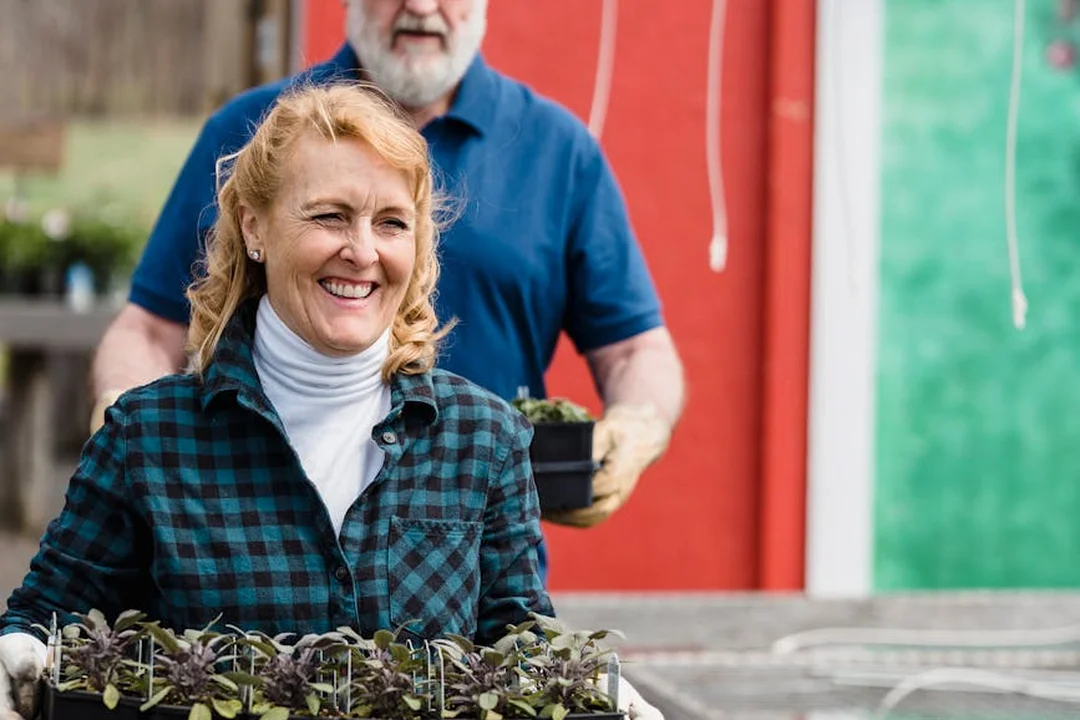
A thoughtful design prevents future problems and makes the garden enjoyable for everyone. Focus on creating a practical, low-maintenance, and beautiful shared space that becomes a neighborhood asset. Good planning now saves countless hours of frustration later.
Choose between raised beds and in-ground plots based on your community’s needs. Raised beds offer better soil control, easier access for seniors, and a more organized appearance that HOAs often prefer. In-ground plots are less expensive to install but require more initial work to amend native soil.
Plan your essential infrastructure carefully from the start. Reliable water access is the non-negotiable foundation of any successful community garden. Work with the board to identify the nearest spigot and plan for a simple, timer-based drip irrigation system to conserve water.
- Water Access & Irrigation: Drip systems deliver water directly to plant roots, reducing waste and preventing fungal diseases from overhead watering.
- Soil Quality: Invest in a professional soil test and fill raised beds with a high-quality triple-mix of topsoil, compost, and sand or peat.
- Sun Exposure: Observe the proposed site throughout the day to ensure it receives a minimum of six to eight hours of full sunlight.
An inclusive garden welcomes gardeners of all ages and abilities. Incorporate wide, firm pathways that accommodate wheelchairs and walkers, making every plot easy to reach. Establish clear safety rules for tool storage and use, especially if children will be present.
Navigating Logistics: Zoning, Permits, and Liability
Your HOA board’s approval is a major victory, but it’s just the first step in a larger process. You must now navigate the legal and administrative requirements set by your local city or county government to ensure your project is fully compliant, especially considering the legal powers and limitations of an HOA in your area. Skipping this phase can lead to fines or even having to dismantle your beautiful new garden.
Checking Local Zoning and Securing Permits
Before you break ground, contact your local planning or zoning department. Ask specifically about regulations for community gardens on residential property. You may need a simple land-use permit or a special use permit to operate legally, especially if you plan to install structures like sheds or fences. Some municipalities have specific, and surprisingly supportive, ordinances for community gardens.
- Explain your project clearly: a non-commercial, resident-run garden for personal use.
- Confirm rules about compost piles, rainwater collection barrels, and garden bed height.
- Inquire if there are any grants or programs that support community greening projects.
Addressing Insurance and Liability
This is the topic that makes most HOA boards most nervous, and for good reason. You must work with the HOA’s insurance agent to review the master policy and determine if the garden is covered or if a separate rider is needed. The goal is to protect the HOA from lawsuits if a gardener slips, falls, or has another accident on the garden site. This is where the does our HOA have adequate insurance checklist for board members comes into play. It helps ensure all coverage gaps are identified and addressed.
- Structuring the garden as a formal HOA amenity, like a pool or playground, often provides the clearest coverage under the existing policy.
- Some HOAs require gardeners to form a separate non-profit or club and carry their own liability insurance.
- Limit liability further by ensuring clear pathways, secure tool storage, and safe water spigots.
Creating a Gardener Participation Agreement
A well-drafted waiver or agreement is your best friend. This document should clearly outline the rules, responsibilities, and assumption of risk for every person who receives a garden plot. Have each participant sign it before they are assigned a space.
- Include a “hold harmless” clause where gardeners agree not to sue the HOA for garden-related injuries.
- List specific rules (e.g., organic practices only, no unattended weeds, watering schedules).
- Detail the consequences for breaking the rules, including plot revocation.
Creating a Sustainable Maintenance and Governance Plan

A community garden can fail quickly without a clear plan for its ongoing care. The key to long-term success is distributing the work so no single person burns out, and the garden can run smoothly even if key volunteers move away. A proactive plan shows your HOA that you’ve thought beyond the initial excitement. This is the kind of strategic planning that underpins a 5-year vision for your community. It helps the HOA align budgets, projects, and volunteers toward long-term goals.
Step 1: Establish a Simple Governance Structure
You don’t need a complex bureaucracy, but you do need leadership. Form a small garden committee with a volunteer coordinator who can manage plot assignments, organize workdays, and serve as the main contact. This prevents confusion and ensures someone is always accountable for the garden’s well-being.
Step 2: Develop a Clear Maintenance Schedule
Divide garden chores into common area tasks and individual plot responsibilities. Create a shared calendar for weeding pathways, turning compost, and maintaining shared tools, and assign these duties to all gardeners on a rotating basis. This shared responsibility builds community and keeps the entire space looking great.
Step 3: Create a Basic Conflict Resolution Process
Disagreements over plot boundaries, pest control, or messy neighbors are inevitable. Board members can act as neutral mediators in neighbor disputes, following a concise mediation guide. This approach helps ensure fairness and consistency in resolution. Establish a simple, fair process for resolving disputes, starting with a direct conversation between gardeners and escalating to the garden committee if needed. This prevents minor issues from festering and creating a toxic environment.
Step 4: Outline a Simple Budget and Fundraising
Gardens have ongoing costs for water, soil amendments, mulch, and tool replacement. Start by creating a basic annual budget, then decide how to cover these costs, whether through small annual plot fees, HOA funding, or community fundraising events. A plant sale or garden tour can be a fun way to raise money and engage the wider neighborhood.
Fostering Community Support and Volunteer Coordination
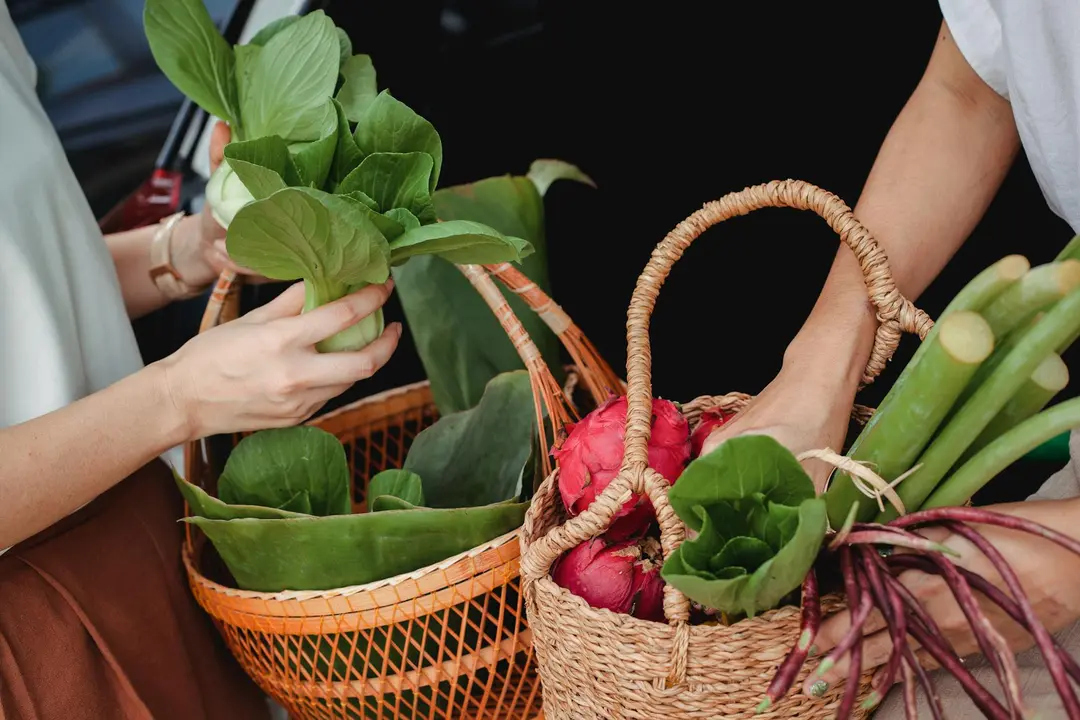
Building a strong base of support transforms your garden from a personal project into a true community asset. Your first goal is to demonstrate clear interest and gather a team of dedicated volunteers who will share the workload.
Strategies for Getting Neighbors Involved
Start by identifying your potential gardeners and advocates. A broad, inclusive approach ensures you don’t miss anyone who might be interested.
- Distribute a brief interest survey through the HOA’s communication channels, like an email blast or community newsletter.
- Create a simple visual proposal or flyer with a basic garden layout to help neighbors envision the final result.
- Attend an HOA board meeting to formally present your plan and show you’ve done your homework.
- Set up a table with informational handouts and a sign-up sheet during a community event, like a pool opening or holiday party.
Finding just five to ten committed families is often enough to launch a successful and manageable garden project.
Hosting Kick-Off Events and Workdays
Shared work builds camaraderie and turns abstract plans into tangible progress. These events are the heartbeat of your project’s early stages.
- Organize a “Garden Vision Potluck” where people can share ideas over a meal.
- Schedule weekend workdays for specific, achievable tasks like building raised beds or turning soil.
- Provide all necessary tools, gloves, and refreshments like water and snacks to make participation easy.
- Assign a “Welcome Crew” to greet new volunteers and quickly integrate them into the work.
Clearly defined tasks and a cheerful, organized atmosphere encourage people to return for future workdays.
Methods for Clear Communication and Scheduling
Poor communication is the fastest way to lose volunteer steam. Establish simple, reliable systems from the very beginning.
- Create a dedicated email group or a private social media group for all garden volunteers.
- Use a free, shared online calendar to mark workdays, watering schedules, and meetings.
- Assign a “Garden Coordinator” for each month to oversee communication and task reminders.
- Post a physical, weather-protected bulletin board at the garden site for important updates.
A shared digital calendar prevents scheduling conflicts and ensures everyone knows what’s happening and when.
Sharing the Harvest and Celebrating Success
Maintaining long-term engagement requires recognizing contributions and enjoying the fruits of your collective labor. Celebration reinforces the community spirit.
- Host an annual “Harvest Festival” with a potluck featuring dishes made from garden produce.
- Set up a “Share Table” where gardeners can leave excess vegetables for others to enjoy.
- Donate a portion of the harvest to a local food bank and share that story with the HOA.
- Publicly thank volunteers by name in HOA communications and recognize “Gardener of the Month.”
Seeing their work benefit the wider neighborhood gives volunteers a powerful sense of pride and purpose. This is the kind of impact you can replicate with our 10 proven ideas for building a stronger sense of community in your neighborhood. Try a few and watch your community come together.
FAQs
What is an HOA community garden?
An HOA community garden is a shared green space within the homeowners association where residents collectively grow plants, such as vegetables and flowers. It serves as a collaborative amenity that enhances neighborhood bonds and promotes sustainable living. Some residents also pursue backyard farming—personal vegetable plots or even keeping chickens—though many HOAs restrict or ban such activities. Knowing these rules helps neighbors plan compliant outdoor spaces.
What are HOA community garden rules?
HOA community garden rules are specific guidelines set by the board to ensure the garden operates safely and maintains community standards. These often cover plot assignments, maintenance duties, and restrictions on structures or plants to prevent nuisances. Such rules are part of the broader HOA regulations that help maintain property values and community harmony.
How do community gardens help food deserts?
Community gardens help address food deserts by increasing access to fresh, affordable produce in underserved neighborhoods. They empower residents to grow nutritious food locally, reducing barriers to healthy eating and fostering food security.
How does a community garden work?
A community garden functions through a structured system where residents manage individual plots while sharing common resources like water and tools. It relies on volunteer coordination, clear governance, and regular upkeep to remain an active and inclusive space for all gardeners.
Grow Your Dream Garden Together
Begin by thoroughly understanding your HOA’s rules and building strong neighbor support for your project. Submitting a well-researched proposal that clearly addresses maintenance and budget concerns will pave the way for a smooth approval process. Consider accompanying your proposal with a concise petition letter to help rally support from fellow residents. A well-written petition letter can clarify benefits and next steps, boosting your chances of a favorable review.
Further Reading & Sources
- Why And How To Set Up An HOA Community Garden | HOA Management
- r/HOA on Reddit: Does anyone have any experience with an HOA Community Garden?
- Creating a Community Garden: A Step-by-Step Guide for HOAs
- Gardening Within the Rules of Your HOA | Bonnie Plants
Brandon has been on both ends of HOA, as part of it, he has helped build his community in Oregon, while also helping other homeowners deal with typical and atypical issues one might face. He has 8+ years of experience dealing with HOAs himself and on behalf of his friends and family, and he brings his extensive expertise and knowledge to make your HOA interaction seamless and smooth.
Approval Process