HOA Board Guide: Welcoming New Residents Effectively
Published on: February 26, 2026 | Last Updated: February 26, 2026
Written By: Brandon Chatham
The board’s role in welcoming new residents involves creating structured onboarding that introduces community guidelines, establishes positive relationships, and helps newcomers feel valued from day one. A thoughtful welcome process reduces future conflicts, encourages rule compliance, and builds a stronger community foundation.
You might wonder why a simple welcome matters beyond basic courtesy. A proper introduction directly impacts how quickly new residents understand and follow community rules. People who feel welcomed are more likely to participate in community events, serve on committees, and become invested neighbors. Effective welcoming transforms newcomers from passive residents into active community contributors.
This guide covers practical strategies your board can implement immediately. You’ll discover how to create welcome packets that people actually read, establish communication channels that work, and handle common new resident challenges. We’ll explore real examples of successful welcome programs and simple steps to adapt them for your community.
Why Welcoming New Residents is Essential for Your Community
A warm welcome does more than just feel nice-it builds the foundation for a cooperative and harmonious neighborhood. When new residents feel valued from day one, they are far more likely to become engaged, rule-abiding members of the community. This initial positive contact sets the tone for all future interactions and can be greatly enhanced by properly introducing yourself to new neighbors.
Ignoring new arrivals can lead to confusion and frustration. New neighbors who don’t understand the rules are more likely to accidentally violate them, creating unnecessary conflicts and enforcement headaches for the board. A simple welcome can prevent a multitude of problems down the line.
Think of your community’s culture as a living entity that needs nurturing. Proactive hospitality actively shapes a positive community culture, transforming a collection of houses into a connected neighborhood. This sense of belonging increases property values and makes everyone’s daily life more pleasant. The Good Neighbor: 10 Essential Tips for Positive Relations provides practical steps to keep this momentum going.
The Board’s Fundamental Responsibilities in New Resident Onboarding
The board’s role is to lead the welcoming process, ensuring it’s consistent and effective for every new household. Your primary duty is to create a seamless transition that officially integrates new owners and tenants into the community’s fabric. This isn’t a passive task; it requires a clear and deliberate strategy. Board leadership also has legal responsibilities toward homeowners, including fair enforcement of covenants and transparent financial management. Understanding these duties helps ensure compliance with governing documents and applicable laws.
Developing and Implementing Welcoming Policies
A successful welcome starts with a written policy. Draft a formal New Resident Welcome Policy that outlines every step, from who makes first contact to what materials are provided. This document ensures no one falls through the cracks and that every volunteer or board member follows the same protocol.
Your policy should clearly define roles and timelines. Consider these key elements:
- Designate a Welcome Liaison: Appoint a specific board member or volunteer to be the primary point of contact.
- Set a Contact Deadline: Mandate that initial contact must be made within 48 hours of a new resident’s move-in date.
- Standardize Communication: Create template emails and letters to ensure a consistent and professional message.
- Include Renters: Ensure your policy explicitly includes tenants, who are equally important to community harmony.
Pair this policy with a new renters guide HOA community first week checklist to support onboarding. The checklist highlights first-week tasks for renters and guides the Welcome Liaison’s outreach.
Budgeting for Hospitality and Outreach Programs
A welcoming program doesn’t have to be expensive, but it does need funding. Dedicate a specific line item in your annual budget for new resident outreach and community hospitality events. Even a small amount demonstrates a serious commitment to fostering connections.
Get creative with your budget to maximize its impact. Here are some cost-effective ideas to help you create an effective HOA budget for your community:
Creating an Impactful Welcome Packet and Orientation Program
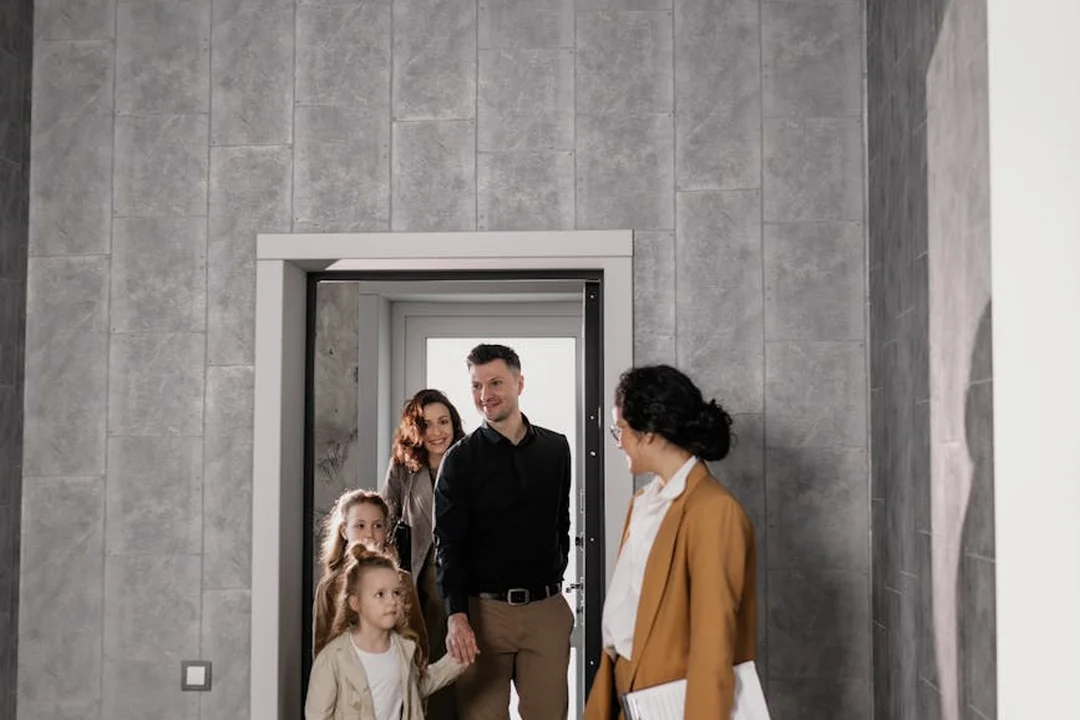
A well-crafted welcome packet is your most powerful tool for information and integration. This packet serves as the go-to resource that answers questions before they are even asked, reducing calls to property managers and board members. It should be comprehensive yet easy to navigate.
Essential Components of an HOA Welcome Packet
Your welcome packet must be a blend of rules and warmth. Always lead with a friendly, personalized cover letter from the board president or welcome committee, expressing genuine excitement about their move. This human touch makes the governing documents that follow feel less intimidating.
Beyond the letter, ensure your packet includes these critical items:
- CC&Rs, Bylaws, and Rules: Provide the complete governing documents, with a summarized “cheat sheet” of the most common rules.
- Architectural Request Forms: Include all necessary forms for exterior modifications with clear submission instructions.
- Contact Directory: List board members, the property manager, emergency contacts, and useful local services.
- Trash & Recycling Schedule: Provide a clear calendar and guidelines for waste disposal.
- Amenity Information: Detail how to reserve common areas like the clubhouse or pool, including any access codes or fees.
Structuring an Engaging New Resident Orientation
An orientation doesn’t have to be a formal meeting. The most effective orientations are low-pressure, social events that facilitate natural connections between new and established residents. The goal is to build relationships, not just recite rules.
Offer a variety of formats to accommodate different schedules and comfort levels. Consider these options:
- The “Welcome Walk”: A board member and a veteran resident take a short walk with the new neighbor, pointing out amenities and introducing them to others along the way.
- Quarterly Coffee & Conversation: Host a casual meet-up at a common area for all new residents who have moved in over the last few months.
- Virtual Q&A Session: Offer an online video call for residents who prefer digital interaction or have difficult schedules.
- Buddy System: Pair each new household with a willing established resident who can be a resource for informal questions.
These formats can be integrated into an HOA meeting to run it effectively with a step-by-step guide. They help structure discussion, encourage participation, and clarify action items.
Organizing Welcome Events and Fostering Community Engagement
Moving beyond a simple welcome packet, events create the personal connections that turn a house into a home. Face-to-face interactions build the trust and familiarity that makes residents more likely to participate positively in community life.
Low-Cost and High-Impact Welcome Event Ideas
You do not need a lavish budget to make newcomers feel included. The goal is simplicity and opportunity.
- Quarterly Coffee & Donuts Social: Host a casual one-hour meet-up on a Saturday morning in a common area. The informal setting encourages relaxed conversation.
- Community Potluck Picnic: Invite everyone to bring a dish to share at the clubhouse or pool area. This shared meal fosters a wonderful sense of belonging.
- “Walk & Talk” with the Board: Announce a time for board members to walk a loop around the neighborhood. New residents can join in to ask questions in a low-pressure setting.
- Welcome Wagon Visit: A small team of two volunteers can deliver a small, donated plant or baked good. This personal touch shows the community cares.
Consistency matters more than extravagance; a simple, recurring event is far more effective than one grand party a year.
Building a Volunteer Team for Newcomer Outreach
A successful welcoming program cannot run on board member energy alone. A dedicated volunteer team spreads the workload and brings diverse perspectives.
- Define Clear Roles: Create specific, manageable jobs. Examples include the “Welcome Packet Coordinator,” “Event Planner,” and “Neighborhood Buddy” who makes introductory calls.
- Recruit from Diverse Groups: Actively seek volunteers from different parts of the neighborhood and from various resident types (renters, owners, long-term, new).
- Provide Easy Onboarding: Give volunteers a simple checklist and a contact list. Make sure they feel prepared and supported, not overwhelmed.
- Recognize Their Efforts: Publicly thank volunteers in newsletters and at meetings. A little recognition goes a long way in sustaining their enthusiasm.
A strong volunteer team acts as the community’s ambassadors, creating a welcoming atmosphere that feels genuine and widespread.
Allocating Resources and Managing the Welcoming Budget

A thoughtful welcoming program is an investment, not an expense. Proper planning ensures these efforts are sustainable and effective year after year.
Identifying and Justifying Welcoming Program Costs
Be transparent about where the money goes. This helps the entire community see the value in the program.
- Welcome Packets: This includes printing costs for directories, rule summaries, and contact sheets. Consider using a portion of annual dues to fund this essential item.
- Event Supplies: Budget for coffee, paper goods, and minor decorations for social events. These are often low-cost but have a high perceived value.
- Small Welcome Gifts: A branded keychain, a native plant seedling, or a coupon from a local business creates a lasting positive impression.
- Communication Tools: Allocate funds for updating the community website or sending postcard reminders about welcome events.
Frame these costs as proactive measures that reduce future expenses related to rule enforcement and neighbor disputes. A resident who feels connected from day one is more likely to comply with guidelines willingly.
When presenting the budget to the community, highlight the return on investment. A well-welcomed resident is an engaged resident, which strengthens property values and community harmony for everyone.
Measuring Success and Continuously Improving Welcoming Efforts

A great welcome program is never truly finished. You can refine your process over time by actively measuring what works and what doesn’t for your unique community. This turns a good intention into a truly effective program that fosters long-term satisfaction.
Define Clear, Measurable Goals
Start by deciding what “success” looks like for your welcoming committee. Vague goals are hard to track and even harder to achieve. Set specific, tangible targets from the beginning. When forming your goals, consider consulting a guide to creating and managing effective HOA committees to ensure they align with community standards and expectations.
- Track the percentage of new households that receive a welcome packet or visit within their first 30 days.
- Monitor attendance numbers at new resident social events or “meet the board” coffee hours.
- Aim for a reduction in the number of violation warnings issued to residents during their first six months.
- Set a goal for increasing participation in community-wide events from new residents.
Gather Feedback Directly from New Residents
The most valuable information comes straight from the source. Create simple, low-pressure opportunities for new residents to share their moving-in experience and initial impressions. This feedback is pure gold for improvement.
Consider these methods for collecting input:
- Send a brief, anonymous digital survey three months after move-in.
- Include a few feedback questions in your regular community newsletter.
- Informally ask new faces at community events what would have made their transition smoother.
Implement Changes Based on Your Findings
Collecting data is pointless if you don’t act on it. Review the feedback and metrics with your board at least once a year to identify clear patterns and opportunities. This turns insights into action.
Your review might lead to practical changes like these:
- If residents report confusion about trash days, redesign that section of the welcome packet with icons and a bold schedule.
- If survey results show people want more social connections, launch a quarterly “Welcome Wagon” breakfast.
- If the packet delivery rate is low, assign a specific board member to track new moves and delegate visits.
Treat your welcoming process as a living document. A commitment to continuous improvement shows residents that the board is responsive, caring, and dedicated to enhancing community life for everyone. This builds trust from day one.
FAQs
Who should be involved in the welcoming process besides the board members?
The board should actively recruit and train a team of community volunteers to assist with welcoming tasks. Engaging residents as volunteers spreads the workload and makes newcomers feel welcomed by peers, not just authority figures.
What if a new resident does not respond to our initial welcome contact?
Politely follow up with alternative methods, such as leaving a door hanger or sending a reminder email with essential information. Consistent, non-intrusive efforts ensure all residents receive critical guidelines, even if they are initially unresponsive.
Are there any legal considerations we should keep in mind during the welcoming process?
Always ensure that all welcome communications and materials are consistent with fair housing laws and avoid any discriminatory language or practices. Sticking to factual, community-wide information helps prevent potential legal issues and promotes inclusivity. When rule changes occur, communicate them clearly to all homeowners in a timely, accessible way. Provide plain-language summaries of the changes and any actions required.
How can we tailor our welcome approach for different types of residents, such as renters versus owners?
Provide renters with the same comprehensive welcome materials as owners, but also include specific details for tenants, like contact information for their landlord if needed. Treating all residents equally from the start fosters a sense of fairness and reduces confusion about community expectations. Renter rights in HOA communities include privacy protections and fair enforcement processes. Tenants should know how to exercise those rights and where to seek help.
Your Welcoming Journey Starts Now
Actively reaching out with a friendly welcome packet and personal introduction sets a positive tone for every new neighbor. This is one of the 10 proven ideas for building a stronger sense of community in your neighborhood. Small, welcoming gestures like a personal note can foster lasting connections. This consistent, proactive effort builds a stronger, more cohesive community where residents feel informed and valued from the very beginning.
Further Reading & Sources
- How To Create An HOA Welcome Packet For New Residents | HOAM
- HOA Welcome Committees: Everything You Need to Know | Associa
- What Is An Example Of An HOA Welcome Letter | Tips & Advice
- HOA Welcoming Committee Ideas | HOA Management
Brandon has been on both ends of HOA, as part of it, he has helped build his community in Oregon, while also helping other homeowners deal with typical and atypical issues one might face. He has 8+ years of experience dealing with HOAs himself and on behalf of his friends and family, and he brings his extensive expertise and knowledge to make your HOA interaction seamless and smooth.
Meetings and Communication