
What Is an HOA’s Right to Cure? Understanding Your Legal Notice
Published on: February 17, 2026 | Last Updated: February 17, 2026
Written By: Brandon Chatham
An HOA’s ‘Right to Cure’ is a formal notice giving you a final opportunity to fix a violation or pay overdue fees before the association files a lawsuit against you. This legal provision acts as a warning system, designed to resolve disputes without immediate court action.
You might wonder why your HOA doesn’t just sue you right away. Most states have laws requiring HOAs to provide this notice period, which protects homeowners from sudden legal action for minor or fixable issues. It also saves the association time and money by encouraging a faster resolution.
Receiving this notice can feel stressful, but knowing how to respond is your greatest advantage. This article explains exactly what to do when you get a cure notice, how to verify its validity, and the steps to resolve the problem effectively. You will learn your rights, common deadlines, and how to communicate with the HOA board to protect your home and finances.
Defining the HOA’s Right to Cure
Think of the “Right to Cure” as a formal second chance. This legal provision gives you a specific window of time to fix a violation before the association escalates the matter to court. It is not an immediate punishment but a structured opportunity for resolution.
This right is typically detailed in your community’s Covenants, Conditions, and Restrictions (CC&Rs) or bylaws. The fundamental purpose is to resolve disputes efficiently and avoid costly litigation for everyone involved. The HOA board uses this process to enforce community standards while giving homeowners a fair opportunity to comply. For more information on what homeowners can expect, understand the rights and responsibilities of HOA members.
Common issues that trigger a right to cure include unapproved exterior paint colors, persistent lawn maintenance problems, unauthorized structural changes like fences or sheds, and long-term parking violations. Essentially, any breach of the governing documents you agreed to when you bought your home can lead to this process.
How HOAs Initiate the Cure Process
The process begins when the HOA board or its property manager identifies a violation and decides to take formal action. This formal action always starts with sending you an official document known as a “Cure Notice” or “Notice of Violation.” This is a critical step that moves the issue beyond informal reminders.
Here is the typical sequence of events:
- The HOA documents the violation, often with photos or other evidence.
- The board or manager drafts the official Cure Notice.
- They send the notice to you via a method required by your governing documents or state law, such as certified mail.
- The official cure period begins once you receive this notice.
Essential Components of a Cure Notice
A legally sound cure notice must provide you with clear and specific information. Without these key elements, the notice may be invalid and unable to support further legal action. When you receive one, check immediately for these details.
- A Clear Statement of the Violation: It should precisely describe what rule you broke, such as “Installing a satellite dish on the front roof fascia” instead of a vague “Exterior alteration violation.”
- Reference to the Governing Document: The notice must cite the specific article and section of the CC&Rs or rules that you have violated.
- The Required Remedial Action: It must explicitly state what you need to do to cure the violation, like “Repaint the shed to match the approved community color palette” or “Remove the unauthorized storage shed from the backyard.”
- The Cure Deadline: This is the most critical date. The notice must provide a specific date by which you must complete the corrective action.
- Consequences of Non-Compliance: The notice will outline what will happen if you fail to cure the violation by the deadline, such as the HOA filing a lawsuit or imposing fines.
Understanding Your Cure Period and Deadline
The cure period is the amount of time the HOA gives you to fix the problem. This timeframe is not arbitrary; it is usually defined by your state’s laws or your own HOA governing documents. Common timeframes range from 10 to 30 days, but it can vary.
You must pay close attention to the exact deadline stated in the notice. Mark this date on your calendar, as it is the absolute last day you have to resolve the issue without facing more severe penalties. The clock starts ticking from the moment you are considered to have received the notice, which is often the date of mailing or delivery.
If the violation is something that genuinely cannot be fixed within the given timeframe, like a complex construction project, you do have options. Your best move is to immediately contact the HOA board or manager in writing to request a reasonable extension before the deadline passes. Provide a clear explanation and a proposed new timeline for compliance.
Failing to act by the deadline gives the HOA the legal green light to proceed with next steps. Once the cure period expires, the association can typically file a lawsuit against you to seek a court order for compliance, levy fines, or even place a lien on your property. Taking the cure notice seriously from day one is the most effective way to protect yourself and your home.
Responding to an HOA Cure Notice
When your HOA sends a cure notice, your first move sets the tone for everything that follows. Taking prompt action shows you respect the process and want to find a solution.
Start by carefully reviewing the notice for specific details about the violation and the deadline to fix it. Mark the cure period on your calendar so you do not miss this critical window.
- Confirm the exact nature of the violation described in the notice.
- Check your HOA governing documents for rules about cure procedures.
- Gather any photos, receipts, or records that relate to the issue.
If anything in the notice seems unclear, reach out to the HOA manager or board for clarification. Asking questions early can prevent misunderstandings and help you address the real problem.
Crafting a Effective Response
Your written reply to the HOA should be clear, courteous, and direct. A professional response demonstrates your willingness to cooperate and can often de-escalate potential conflicts.
Begin by acknowledging receipt of the cure notice and restating the violation in your own words. This confirms you understand what needs to be corrected and shows you are taking it seriously.
- State your plan to cure the violation, including specific steps you will take.
- Provide a realistic timeline for when you expect to complete each action.
- Politely request an extension if you need more time, explaining why it is necessary.
- Offer to provide updates or evidence once the cure is finished.
Keep a copy of your response for your records and send it through a method that provides proof of delivery. Documenting your communication creates a paper trail that protects you if disputes arise later.
Consequences of Failing to Cure the Violation
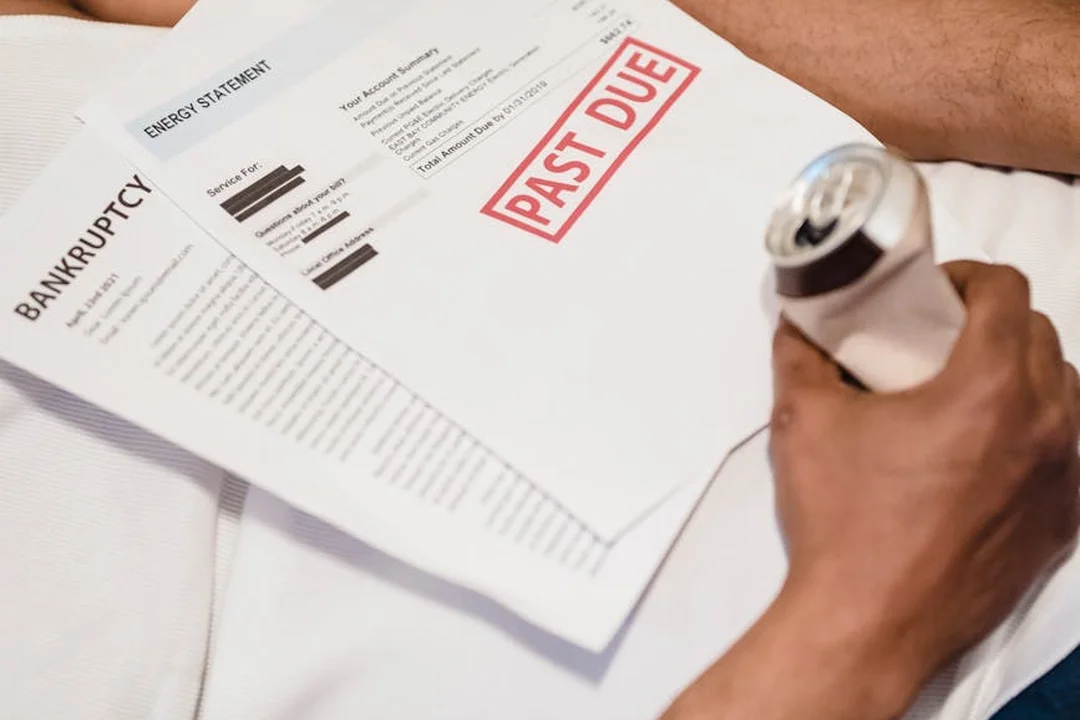
Ignoring a cure notice or missing the deadline can trigger a series of escalating actions from your HOA. What starts as a simple violation can quickly become a financial and legal burden.
HOAs often impose daily fines that accumulate until you resolve the issue. These fines can strain your budget and make the original problem much more expensive to fix. Understanding how much fines can add up helps you gauge the total cost of violations.
- Accruing monetary penalties that add up over time.
- Facing a lien placed on your property, which can affect your ability to sell or refinance.
- Dealing with a lawsuit filed by the HOA to force compliance through the court.
- Suspension of community amenities like pool or gym access.
In severe cases, the HOA might pursue foreclosure if fines and liens remain unpaid. Understanding the key differences between HOA fines, liens, and foreclosure can help you navigate your options. Fines are penalties, liens place a claim on your property, and foreclosure is the legal sale to satisfy the debt. Legal proceedings can damage your credit and create long-term headaches for your homeownership.
Acting within the cure period helps you avoid these outcomes and maintain a positive relationship with your association. Addressing violations promptly keeps small issues from turning into major crises.
Special Cases and Limitations of the Right to Cure
While the right to cure offers a valuable safety net, it is not an absolute shield that applies to every single violation.
Certain situations are so serious that they bypass this procedural step entirely, allowing the HOA to proceed directly with legal action or other severe remedies. Understanding HOA due process and your rights during violation proceedings helps you know what to expect, what notices you must receive, and how you can respond or appeal. This knowledge can protect you from missteps and ensure fair treatment throughout the process.
Common Exceptions to the Rule
You should not assume you will get a cure period if your violation falls into one of these categories.
Immediate Health or Safety Hazards
Anything that poses a direct threat to people or property typically has no cure period.
- A large, dead tree branch hanging precariously over a sidewalk.
- Exposed electrical wiring on the exterior of your home.
- Blocking a fire lane or a designated emergency vehicle access route.
- Hoarding conditions that create a severe fire risk or pest infestation.
HOAs have a duty to protect the community and will act swiftly to eliminate clear and present dangers.
Repeated, Chronic Violations
If you have a history of committing the same violation, the HOA may revoke your right to cure.
- You have received three notices for an unapproved shed in your backyard.
- Your dog is repeatedly reported for being off-leash, despite multiple warnings.
- You consistently park your commercial vehicle in the community after being told it’s prohibited.
The association will argue that you have already had multiple opportunities to correct your behavior and have chosen not to comply.
Violations That Cannot Be “Cured”
Some actions are simply irreversible, making a cure period meaningless.
- You cut down a protected, mature tree that was a defining feature of the community landscape.
- You painted your house a bright, non-conforming color without approval.
- You completed a major structural renovation that was never submitted to the architectural review committee.
In these cases, the damage is done, and the HOA will likely seek fines or a legal order for you to restore the property to its original condition, which can be incredibly costly. Lately, some neighbors have built structures without HOA approval, and that’s happening now in many communities. This can complicate enforcement and impact how quickly remedies are pursued.
Non-Payment of Fines
The right to cure often applies to the initial violation, not the failure to pay the resulting fine.
- You properly cured a violation for a broken fence but then refused to pay the $100 fine levied for the initial infraction.
- The HOA may be able to place a lien on your home or pursue a lawsuit for the unpaid fines without offering another cure period.
Always check your governing documents, as the specific rules on fines and subsequent actions can vary widely.
When to Seek Legal Assistance
Navigating HOA disputes can feel like walking through a legal minefield.
Knowing when to call a qualified attorney can save you from significant financial loss and immense stress.
You Receive a Formal Lawsuit or Lis Pendens
If the dispute has escalated to the point where you are being sued or the HOA has filed a “lis pendens” (a formal notice of a pending lawsuit against your property), you must get a lawyer. Understanding the HOA lawsuit time limits is crucial, because it sets the deadline to sue or respond, and that deadline varies by state. A lawyer can help you determine the applicable time limits and how they affect your case.
This is no longer a simple warning letter; it is a serious legal proceeding that can affect your ownership of the home.
The Violation Notice or Cure Period is Unclear
If the notice you receive is vague, doesn’t specify the exact violation, or provides an unreasonable cure period, legal counsel can help you respond appropriately.
- The notice says “violation of landscaping standards” but doesn’t say what is wrong.
- They give you 24 hours to fix a complex architectural issue.
- The fine amounts seem arbitrary or exceed the limits in your governing documents.
A lawyer can help you challenge a defective notice and protect your due process rights.
You Believe You Are Being Targeted or Treated Unfairly
If you have evidence of selective enforcement—where the HOA enforces a rule against you but ignores the same violation by others—you may have a valid legal claim. Battling selective enforcement often hinges on proving that the HOA is unfairly targeting you rather than applying rules uniformly. To succeed, you may need to document a pattern of enforcement against you that isn’t mirrored for other residents.
- Your patio furniture is flagged, but three of your neighbors have identical setups with no issue.
- You are fined for a political sign, but other signs are visible throughout the community.
An attorney can help you gather evidence and build a case for discriminatory enforcement.
The Dispute Involves a Significant Amount of Money
When the potential fines, the cost of compliance, or the threat of a lien becomes substantial, the cost of a lawyer is a wise investment.
- The HOA demands you completely re-side your home due to a minor color variance.
- They are threatening a lien for thousands of dollars in accumulated fines.
- They require a costly repair you believe is the association’s responsibility.
Legal expertise is crucial to navigate these high-stakes financial conflicts and negotiate a fair outcome.
You Are Considering Selling Your Home
An unresolved HOA violation or dispute can derail a home sale.
Potential buyers will discover these issues during the title search, and the HOA may refuse to provide the necessary clearance documents.
A real estate attorney with HOA experience can help resolve the issue quickly or negotiate with the association to ensure a clean transfer of ownership.
FAQs
What notice must be provided before invoking the right to cure?
A valid cure notice must include a clear description of the violation, the specific rule broken, the required corrective action, and a firm deadline. Without these essential details, the notice may be legally invalid and unenforceable in court.
Can the HOA enforce a right to cure for recurring violations?
For chronic or repeated violations, the HOA may bypass the right to cure and proceed directly to fines or legal action. This is because multiple prior warnings mean you have already had opportunities to correct the behavior. In some HOAs, a fine can be imposed without further proof or a fresh warning once the violation pattern is clear. This leads to a hoa fine without proof warning scenario that can catch homeowners off guard.
What happens if the owner fails to cure within the cure period?
Failure to comply by the deadline allows the HOA to impose escalating fines, place a lien on your property, or file a lawsuit. These actions can lead to significant financial strain and legal complications for the homeowner, especially when an HOA puts a lien on your house.
Does the right to cure apply to all types of HOA violations?
No, the right to cure does not apply to immediate safety hazards, irreversible changes, or in some cases, non-payment of fines. Serious violations may allow the HOA to take immediate action without offering a cure period.
Your Action Plan for the Right to Cure
Always address a “Right to Cure” notice immediately to resolve issues before they escalate to court. Familiarize yourself with your HOA’s specific rules and maintain open communication to protect your home and rights. If you receive a violation letter, follow a clear, step-by-step guide for responding to HOA violations to ensure your rights are preserved. This guide will help you draft timely, compliant responses and document your actions.
Further Reading & Sources
- HOA violations: notice → hearing → cure – RunHOA
- News for California Homeowners: New Cap on HOA Fines & Violations
- AB 130 California HOA Fines: Protections & Limitations in 2025
- Non-Compliance, Fines & Violations – HOA Collections LLC
Brandon has been on both ends of HOA, as part of it, he has helped build his community in Oregon, while also helping other homeowners deal with typical and atypical issues one might face. He has 8+ years of experience dealing with HOAs himself and on behalf of his friends and family, and he brings his extensive expertise and knowledge to make your HOA interaction seamless and smooth.
Enforcement Procedures