
What Happens If You Break HOA Rules? Understanding the Real Consequences
Published on: April 1, 2026 | Last Updated: April 1, 2026
Written By: Brandon Chatham
Ignoring your HOA bylaws can lead to a cascade of problems starting with fines, escalating to legal action, and potentially resulting in liens against your property or even foreclosure in extreme cases. Homeowners associations enforce their rules to maintain community standards and protect property values for everyone.
You might wonder what happens with that very first violation notice. Most associations follow a progressive enforcement system. They typically send a written warning first, giving you a chance to correct the issue. If the problem continues, fines begin accumulating. These charges can range from modest amounts to hundreds of dollars per month for ongoing violations.
Beyond initial penalties, consistent rule-breaking creates much larger headaches. This article breaks down the full spectrum of consequences you could face, from minor fines to major legal trouble. You’ll learn practical steps to resolve violations, how to appeal decisions you disagree with, and smart strategies to prevent issues before they start. Understanding these processes helps protect your home investment and maintain peaceful community relationships.
Initial Financial Penalties: Fines and Fees
Your first sign of trouble usually arrives as a fine. HOAs issue financial penalties to enforce compliance and maintain community standards for everyone. This initial step is meant to be a corrective measure, not a punishment.
Types of Monetary Penalties
Fines are not one-size-fits-all. The specific penalties you face will be detailed in your HOA’s governing documents, often in a fine schedule. Common financial penalties include:
- Fixed Fines: A set amount for a specific violation, like $50 for an unapproved paint color or $100 for a garbage can left on the curb.
- Daily Fines: A recurring charge that accumulates every day the violation remains uncorrected, such as $25 per day for a persistent noise complaint.
- Late Fees: Additional charges applied if you fail to pay your regular HOA dues or an initial fine by the due date.
- Administrative Fees: Charges to cover the HOA’s costs for sending violation letters, processing paperwork, or conducting follow-up inspections.
Accumulation of Debt
Ignoring a fine is the worst thing you can do. Unpaid fines and fees quickly snowball into a significant debt owed to the association. This debt is treated just like unpaid monthly dues. The HOA will typically add interest to the outstanding balance, making the total you owe grow faster. This accumulating debt becomes a legal claim against your property, setting the stage for much more severe action.
Legal Escalation: Liens and Foreclosure Risks
When financial penalties go unpaid, the HOA’s response becomes far more serious. HOAs have powerful legal tools to collect the money you owe them, directly impacting your ownership rights. This process protects the financial interests of the entire community.
How Liens Affect Your Property
An HOA lien is a legal claim filed against your property title. Placing a lien on your home is a public record that signals you have a debt obligation to the association. This single action has immediate consequences. Specifically, when an HOA puts a lien on your house, it creates a public encumbrance on your title that must be cleared before you can transfer ownership. You cannot sell or refinance your home without first satisfying the debt and having the lien removed. A lien essentially freezes your ability to transact on your property until the HOA is paid in full. Potential buyers and lenders will discover the lien during title searches and will almost always back out.
Foreclosure as a Last Resort
If a lien does not prompt payment, the HOA may pursue foreclosure. Foreclosure is a legal process where the HOA can force the sale of your home to recover the unpaid debts. This is not a step associations take lightly, but it is a real risk in many states. The process and timeline vary, but the outcome can be the loss of your home. An HOA foreclosure can happen even if you are current on your mortgage, as the lien for unpaid dues is separate from your bank’s loan. If you’re trying to stop an HOA foreclosure, understanding possible defenses and their timelines is crucial. This overview explains common defenses and the deadlines for responding or pausing the process.
Non-Financial Consequences: Loss of Privileges

Not all consequences are purely financial. HOAs can enforce rules by temporarily suspending your access to community amenities and services. This tactic aims to encourage compliance by restricting the very benefits you pay for.
Suspension of Community Benefits
Your right to use common areas is a privilege tied to being in good standing. The board can revoke your access to pools, gyms, clubhouses, and parking facilities until you resolve your violation. Imagine paying for a community pool all year but being barred from using it because of an unresolved landscaping issue. This suspension directly impacts your quality of life and serves as a constant, inconvenient reminder of the unresolved problem.
Restrictions on Homeowner Rights
Your rights within the community can also be limited. The association may suspend your voting rights on community matters during annual meetings or special elections. This means you lose your say in important decisions like budget approvals or electing board members. In some cases, you could even be prohibited from serving on a committee or the board itself until the violation is corrected. This isolates you from the community’s governance and decision-making processes.
Impact on Property Value and Personal Finances
Ignoring HOA rules can quickly erode the financial stability you’ve built in your home. Unresolved violations create a public record of non-compliance that can scare away potential buyers and their lenders. Your largest investment suddenly becomes a high-risk liability in the eyes of the market.
Resale Challenges and Disclosure
When you decide to sell, you must legally disclose any ongoing HOA disputes or unpaid fines. This disclosure often triggers a deal-killing request for you to settle all outstanding issues before closing. Buyers see unresolved violations as a giant red flag about the community’s management and their future quality of life.
You might face several specific hurdles:
- Difficulty obtaining essential HOA transfer documents and estoppel certificates
- Mandatory escrow holds where a large portion of your sale proceeds are held back
- Buyers demanding significant price reductions to account for the risk and hassle
- Last-minute cancellation of contracts during the inspection period
Properties with clean HOA records consistently sell faster and for closer to their asking price. A history of violations makes your home a less attractive investment compared to identical units in the same community.
Credit and Insurance Implications
Your HOA has powerful tools to collect unpaid fines that can reach far beyond the community gates. Many homeowners are shocked to learn that an unpaid fine can eventually become a lien against their property. This lien gives the HOA a legal claim to your home’s value, similar to a mortgage or tax lien. Understanding the distinctions between HOA fines, liens, and foreclosures is crucial for homeowners.
The financial consequences can escalate quickly:
- Accumulating late fees on top of the original fine amount
- Placement of a lien that blocks refinancing or sale
- Initiation of foreclosure proceedings in states that allow it for HOA debts
- Reporting of the debt to credit bureaus, damaging your credit score
Your homeowners insurance might also be affected by certain violations. Installing unauthorized structures or making unpermitted electrical modifications could void aspects of your coverage. Insurance companies can deny claims if they determine a violation contributed to the damage.
Responding to Violations: Steps to Resolution
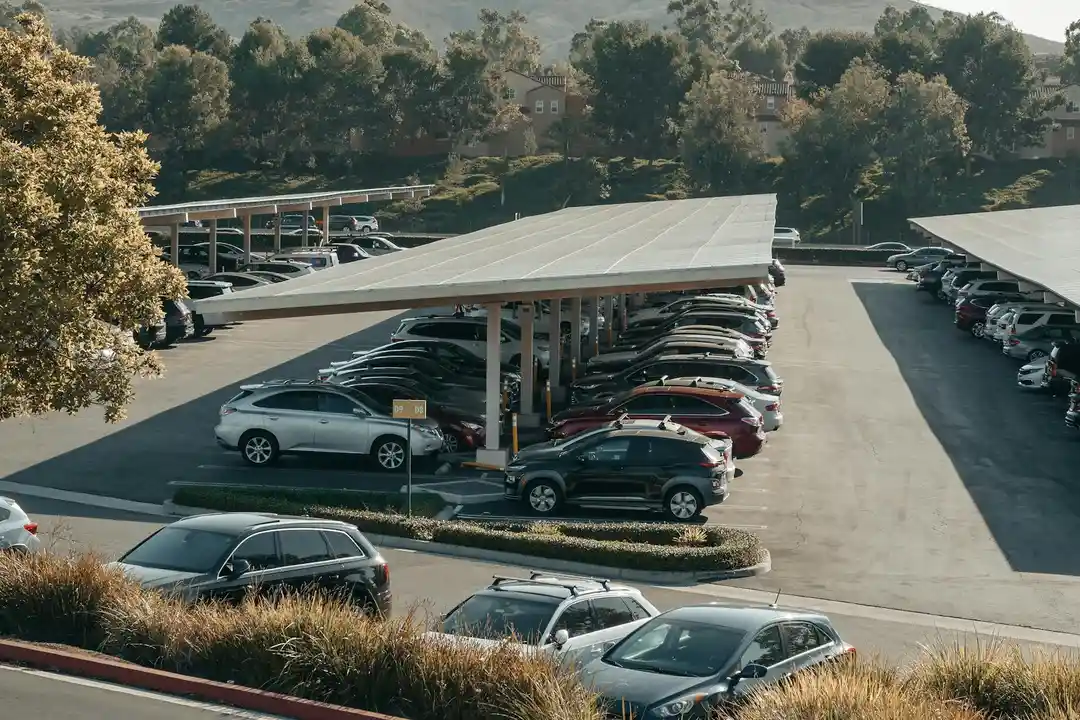
Receiving a violation notice can feel stressful, but a calm, systematic approach leads to the best outcome. Your first action should always be to read the notice thoroughly and note the response deadline. Ignoring the clock is the fastest way to turn a small issue into a major financial problem.
Fixing Common Violations
Many violations have simple, straightforward solutions if addressed promptly. Proactive correction demonstrates good faith and often leads to reduced or waived fines. Take photos before and after you fix the issue to create a clear record of your compliance.
Common fixes include:
- Trimming overgrown hedges or trees violating height restrictions
- Removing unauthorized outdoor decorations or political signs
- Repainting your front door back to an approved color
- Storing trash cans out of sight except on collection days
- Registering your pet with the HOA and paying any required fees
Always communicate your progress to the HOA manager or board in writing. Documenting your compliance creates a paper trail that protects you if administrative errors occur. Ask for written confirmation that the violation has been closed.
Contesting Fines and Decisions
If you believe you received a violation in error, you have the right to a fair hearing. The appeals process is your opportunity to present evidence and tell your side of the story. Most association governing documents outline specific procedures for contesting violations.
Follow these steps to build a strong case:
- Gather photographic evidence, emails, and any relevant documents
- Review your governing documents to understand the specific rule in question
- Request a hearing with the architectural committee or full board
- Prepare a concise, factual presentation of your position
- Propose a reasonable compromise if appropriate
During your hearing, maintain a respectful tone and focus on the facts. Demonstrating that you’ve read the rules and are acting in good faith can influence the board’s decision. If the board rules against you, ask for the specific reasoning behind their decision in writing.
For particularly complex or high-stakes disputes, consulting with an attorney who specializes in HOA law might be worthwhile. Legal professionals can help you understand whether the board is properly interpreting and applying its own governing documents. They can also advise you on potential next steps if you believe the board has acted outside its authority.
Homeowner Rights and HOA Enforcement Limits
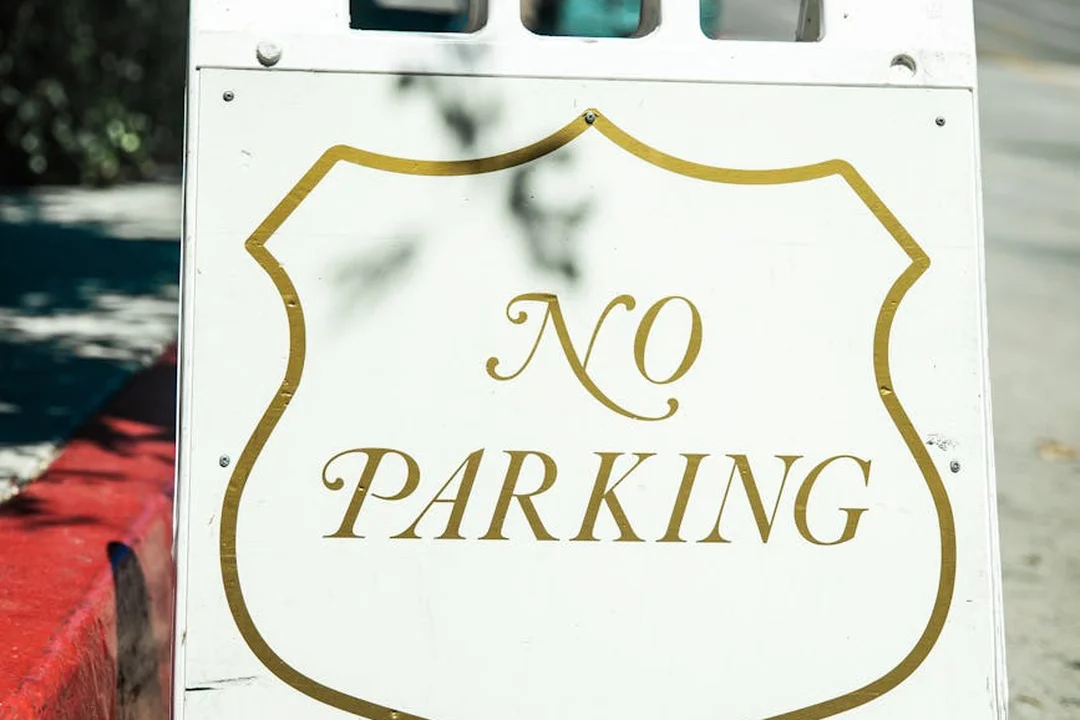
Your homeowners association holds authority, but that power is not absolute. State laws create a critical framework that defines and limits what your HOA can legally do to you. Knowing these boundaries is your first line of defense against potential overreach. If you ever feel harassed or unfairly targeted by HOA actions, you have legal protections and remedies you can pursue to address the situation.
Understanding State-Specific Regulations
Every state has its own set of laws governing HOAs, often called the Planned Community Act or Condominium Act. These statutes are the ultimate rulebook, and your HOA’s governing documents cannot legally violate them. They also define the boundaries of an HOA’s powers, so they may not overreach. The specific protections available to you depend entirely on where you live.
- Many states, like California and Florida, have strict limits on daily or total fine amounts for a single violation.
- Some states require the HOA to provide you with a hearing before imposing a fine.
- Regulations often dictate how much notice you must receive for meetings or violations.
- State law usually outlines the exact process an HOA must follow to place a lien on your property for unpaid fines.
Always start by researching your state’s specific HOA laws to understand your foundational rights. This knowledge empowers you to recognize when an HOA action might be stepping outside its legal boundaries.
Enforcement Fairness and Appeals
An HOA must enforce its rules consistently and fairly across all members. Selective enforcement, where the board penalizes you but ignores the same violation by your neighbor, is a common and often successful defense. If you believe you are being singled out, you have recourse. To battle this, you may need to prove selective enforcement by showing inconsistent application of rules across similarly situated residents. Gather records, dates, photos, and board communications to document potential targeting, and consider consulting an attorney experienced with HOA matters.
Most HOAs have a built-in appeals process for disputing fines or violations. Your first step is always to formally appeal the decision directly with the HOA board or a designated committee. Understanding the steps in the HOA dispute resolution process can help you prepare. Follow these steps to build a strong case.
- Gather all your evidence, including photos, emails, and copies of the governing documents.
- Write a clear, factual letter explaining why the fine is mistaken or the enforcement is unfair.
- Submit your appeal by the deadline stated in your HOA’s policies.
- Prepare to present your case calmly and professionally at a hearing.
Document everything meticulously, as a paper trail is your most powerful tool in any dispute. If the internal appeal fails, you may have the option to pursue mediation or arbitration, as required by your state or your community’s covenants.
FAQs
How quickly can HOA fines add up if ignored?
Fines can accumulate daily or monthly, depending on the violation, leading to a substantial debt over time. Ignoring fines allows them to snowball, often with added interest and late fees that increase the total owed rapidly.
What are the steps to remove an HOA lien?
To remove a lien, you must pay all outstanding debts, including fines, fees, and interest, in full to the HOA. If you believe a fee or fine was wrongly assessed, you can dispute it with the HOA and pursue a resolution. A successful dispute may reduce the amount you owe, making it easier to pay. Once paid, the HOA is legally required to release the lien, which then allows you to proceed with property transactions like selling or refinancing.
Can an HOA fine me for a violation that was previously allowed?
If a violation was tolerated in the past, the HOA may still enforce the rule moving forward, but not retroactively for prior periods. However, they must apply the rules consistently to avoid claims of selective enforcement, so address any new notices promptly.
What happens if I can’t afford to pay HOA fines?
If you’re unable to pay, contact the HOA immediately to discuss possible payment plans or hardship arrangements. Ignoring the debt can lead to escalated actions like liens or foreclosure, so proactive communication is key to finding a resolution.
Protect Your Home and Community
To maintain harmony and property values, your best path is to understand your HOA’s rules and communicate openly with the board if issues arise. Are HOA bylaws key requirements you must follow? Do they include what you can and can’t do in the community? Ignoring bylaws, however, can lead to fines, legal action, and strained relationships with your neighbors.
Further Reading & Sources
- 16 HOA Rules and Regulations You Need to Know + Real Examples – WildApricot
- What Are HOA Rules and Regulations? | Associa
- HOA rules and regulations: Everything you need to know
- 9 Common HOA Violations And How To Avoid Them | Bankrate
Brandon has been on both ends of HOA, as part of it, he has helped build his community in Oregon, while also helping other homeowners deal with typical and atypical issues one might face. He has 8+ years of experience dealing with HOAs himself and on behalf of his friends and family, and he brings his extensive expertise and knowledge to make your HOA interaction seamless and smooth.
Violation Consequences