
What Are the Key Skills of a Good Mediator?
Published on: January 10, 2026 | Last Updated: January 10, 2026
Written By: Brandon Chatham
A good mediator’s key skills are active listening, neutrality, patience, problem-solving, and clear communication. These core abilities allow them to guide conflicting parties toward a mutually agreeable solution without taking sides.
You might wonder why these particular skills are non-negotiable. Without this specific combination, a mediator risks becoming just another voice in the argument rather than a guide toward resolution. True neutrality, for instance, is not just about being fair; it’s about actively building trust so that everyone feels safe enough to be honest.
Mastering these skills transforms difficult conversations into productive ones. In this article, you will learn exactly how each skill works in practice and why they are so powerful when used together. We will break down the subtle techniques behind active listening and reveal how the best mediators reframe problems to find common ground. Get ready to understand what truly makes mediation effective.
Why Mediation Matters for Homeowners Associations
When neighbors disagree, the formal processes of an HOA can sometimes make a small problem feel much bigger. Mediation provides a structured but informal setting where homeowners and the board can talk through issues with a neutral third party guiding the conversation. This approach is often faster, less expensive, and far less damaging to community relationships than jumping straight to fines or legal action.
You will find mediation particularly effective for common HOA conflicts like disputes over noisy neighbors, parking violations, property appearance standards, and pet-related issues. It outperforms adversarial methods because it focuses on finding a mutually agreeable solution rather than determining who is right or wrong. When deciding between mediation and arbitration for HOA disputes, consider which approach aligns with your community’s goals. Mediation emphasizes mutual agreement and voluntary compliance, while arbitration can provide a binding resolution if consensus can’t be reached. Consider mediation for these specific scenarios:
- Disagreements over architectural change approvals or denials.
- Disputes about shared maintenance responsibilities for fences or driveways.
- Challenges involving alleged violations of HOA rules and the resulting fines.
- Conflicts stemming from personal disagreements that spill over into community life.
Essential Communication and Listening Skills
A mediator’s primary tools are their ears and their voice. The ability to facilitate a clear and productive dialogue is what separates a successful mediation from a failed meeting. Core communication skills form the foundation of this process, ensuring all parties feel heard and understood.
These foundational abilities include:
- Active Listening: Fully concentrating on what is being said, not just passively hearing the words.
- Reflective Listening: Mirroring back the speaker’s message to confirm understanding and show empathy.
- Summarization: Periodically recapping the key points from the discussion to ensure everyone is on the same page.
Effective questioning is another critical skill for uncovering the real issues. Follow these steps to get beyond surface-level complaints and identify underlying interests:
- Start with open-ended questions that cannot be answered with a simple “yes” or “no.”
- Use probing questions to explore the details and consequences of the situation.
- Ask clarifying questions to eliminate ambiguity and prevent misunderstandings.
- Finish with reflective questions that encourage the speaker to consider the other party’s perspective.
Mastering Active Listening
Active listening is the engine of trust in any HOA mediation. When homeowners believe the mediator is genuinely engaged, they are more likely to open up and move toward a compromise. This skill involves much more than just waiting for your turn to talk; it’s an active process of engagement. Addressing apathy starts with inviting input and showing you care in your HOA. When homeowners feel heard, engagement in your HOA rises and participation improves.
Key components of active listening include:
- Paraphrasing: Restating the speaker’s message in your own words to confirm accuracy.
- Clarifying: Asking for examples or more information to fully grasp the concern.
- Providing Feedback: Offering brief, neutral summaries that show you are tracking the conversation.
- Withholding Judgment: Creating a safe space by avoiding immediate reactions or opinions.
Understanding Nonverbal Cues
What remains unsspoken often carries the most weight in a tense discussion. In HOA settings, a person’s body language and tone can reveal their true feelings about a rule or a neighbor’s complaint. A skilled mediator reads these signals to gauge emotional temperature and guide the conversation accordingly.
For instance, a homeowner discussing a fine might say they understand the rule, but their crossed arms and clenched jaw signal deep frustration. Noticing this disconnect allows the mediator to address the underlying emotion directly, asking, “It seems like this penalty feels unfair to you. Can you tell me more about that?” This approach validates their experience and moves the talk toward resolution.
Emotional Intelligence and Empathy in Action

HOA disputes are rarely just about the facts; they are deeply personal because they involve someone’s home. Emotional intelligence allows a mediator to recognize these feelings in the room and use empathy to de-escalate rising tensions. This skill is about managing your own emotions while helping others navigate theirs. Understanding the steps in the HOA dispute resolution process can help you anticipate how conversations should unfold. In many communities, disputes proceed from documentation of the issue to mediation and, if needed, a board review.
Building rapport and managing high emotions requires a deliberate approach. Follow these steps to maintain a constructive atmosphere even in heated HOA disputes: These steps also lay the groundwork for creating an effective HOA communication strategy from scratch. They help set expectations, establish channels, and ensure consistent messaging across the board and residents.
- Acknowledge the emotion you observe without judgment, such as, “I can see this is a very frustrating situation for you.”
- Validate their perspective by showing you understand why they might feel that way, even if you don’t agree.
- Reframe negative statements into neutral or positive needs, turning a complaint into a shared problem to solve.
- Guide the focus from past grievances to future solutions, asking what a good outcome would look like for everyone.
- Take a short break if emotions become too intense, allowing everyone a moment to reset before continuing.
Problem-Solving and Negotiation Strategies
A good HOA mediator acts like a skilled guide, helping neighbors navigate from conflict to common ground. Your primary role involves facilitating a structured conversation where everyone feels heard and respected. This requires sharp critical thinking to identify the root cause of a dispute, which is often hidden beneath surface-level complaints, especially when members don’t express their concerns clearly.
Applying Conflict Resolution Techniques
Interest-based bargaining is a powerful technique for HOA disagreements. This method shifts the focus from rigid positions to the underlying needs and concerns of each homeowner. When you apply this to negotiating with the HOA board, you frame proposals around shared interests rather than opposing demands. That helps you negotiate more effectively and reach workable compromises. Instead of arguing over a single solution, you explore the ‘why’ behind each person’s stance to find a new, creative path forward.
Here are practical ways to guide parties toward a mutual agreement:
- Identify Shared Interests: Help homeowners discover common goals, like preserving property values or maintaining a peaceful community.
- Generate Options: Brainstorm multiple solutions together without judgment, encouraging collaborative problem-solving.
- Use Objective Criteria: Rely on the HOA’s governing documents, expert opinions, or market standards to evaluate proposals fairly.
- Reality-Test Ideas: Ask questions like, “How would that solution work in practice for everyone involved?” to ground the discussion.
Different situations call for different negotiation styles. The table below compares common techniques, with a strong emphasis on collaboration for lasting HOA peace.
| Technique | Focus | Best for HOA Situations Like… | Likely Outcome |
|---|---|---|---|
| Collaborative | Finding a win-win solution that satisfies all parties’ core interests. | Disagreements over common area use or long-term architectural changes. | High satisfaction and durable agreements. |
| Compromising | Each side gives up something to reach a middle ground. | Budget disputes or minor bylaw infractions where a quick resolution is needed. | Moderate satisfaction, but may not address the root problem. |
| Accommodating | One party yields to the other’s concerns to maintain harmony. | A homeowner’s one-time, minor request that doesn’t violate core rules. | Preserves relationships but can set an unwanted precedent. |
Upholding Neutrality and Ethical Standards
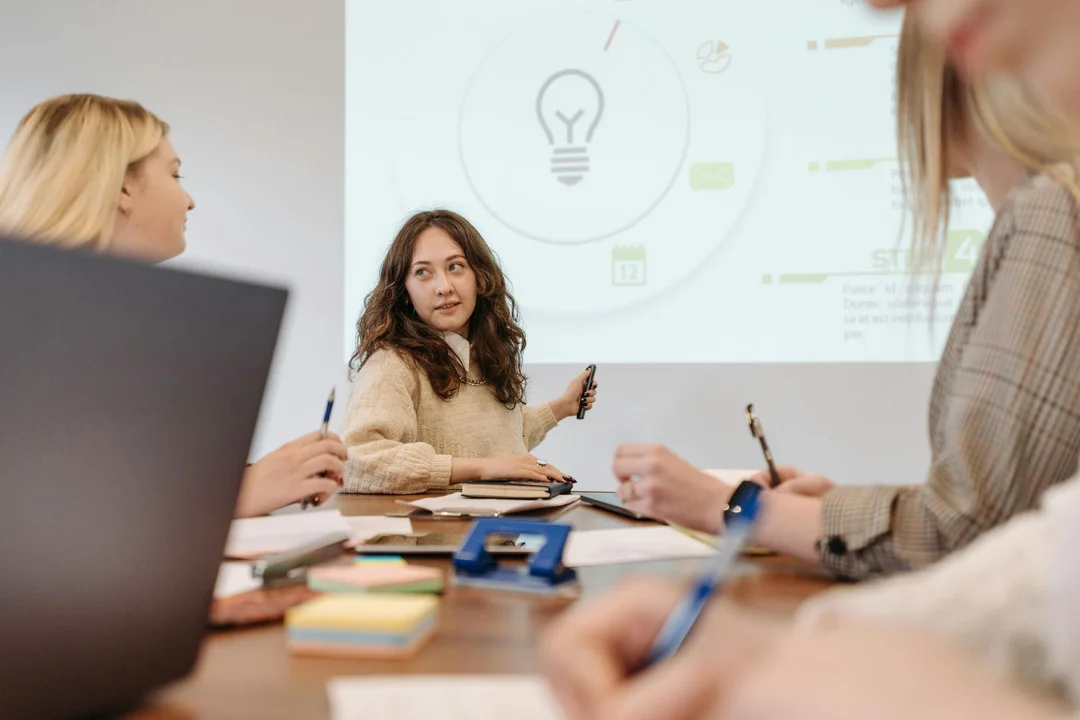
Your credibility as a mediator hinges entirely on your impartiality. Even the appearance of favoritism can destroy trust and derail the entire mediation process. Homeowners must believe you are a fair and neutral party, not an advocate for the board or any individual.
Maintaining this objectivity requires conscious effort, especially when you might personally know the people involved.
Adhere to these key practices to ensure you remain ethically grounded:
- Disclose Potential Conflicts Early: Be upfront about any personal or professional relationships that could be perceived as a bias.
- Practice Balanced Communication: Give each party equal time to speak and ensure your body language and tone remain neutral.
- Avoid Giving Personal Opinions: Your role is to facilitate, not to judge who is right or wrong in a rule enforcement debate.
- Stay Focused on the Process: Guide the conversation based on the HOA’s guidelines, not your own interpretation of fairness.
- Manage Your Own Biases: Continuously self-reflect to prevent preconceived notions from influencing how you hear information.
Confidentiality is another cornerstone of ethical mediation. What is said in the mediation room must stay there, unless all parties agree otherwise. This promise of privacy allows homeowners to speak openly and work toward a genuine resolution without fear of public scrutiny.
When to Use Mediation in HOA Disputes

Mediation is your most powerful tool for resolving neighborhood conflicts without the lasting damage of a formal hearing. It works best when neighbors want to preserve their relationship but need a structured, neutral process to find common ground.
You should strongly consider mediation for these common HOA situations:
- Architectural review disagreements, like a denied request for a fence or an approved paint color a neighbor objects to.
- Persistent noise complaints between residents that written warnings have failed to resolve.
- Disputes over property maintenance standards, such as an overgrown lawn or unkempt landscaping.
- Parking violations and debates over assigned spots or guest parking rules.
- Pet-related issues, including noise, waste cleanup, or alleged leash rule violations.
- Disagreements over the interpretation of a specific bylaw that affects multiple homeowners.
Look for these clear signs that it’s time to move from informal complaints to formal mediation.
- Direct conversations between the involved parties have completely broken down.
- You are receiving a constant stream of the same complaint from one or more homeowners.
- Emotions are running high, and the conflict is starting to affect the broader community atmosphere.
- The issue involves a matter of personal interpretation or perception, not a clear-cut rule violation.
- Both sides express a desire for a solution but cannot agree on the terms themselves.
- The board wants to avoid the high cost, time, and adversarial nature of a formal hearing or legal action.
Choosing mediation at this stage demonstrates a commitment to a fair and collaborative community, not just enforcing rules.
FAQs
How do I ensure the mediator remains impartial during HOA mediation?
Look for a mediator who discloses any potential conflicts of interest upfront and maintains balanced communication with all parties. A truly impartial mediator will avoid giving personal opinions and focus solely on facilitating a fair process based on HOA guidelines. This helps build trust and ensures a neutral environment for resolution. For HOA boards, they should likewise disclose any conflicts of interest and recuse themselves when appropriate to maintain fairness and integrity.
What should homeowners expect during their first mediation session?
Homeowners can expect the mediator to set ground rules for respectful dialogue and allow each person to share their perspective without interruption. The initial session focuses on identifying the core issues and establishing a safe space for open discussion, especially when it comes to disputes involving neighbors. This structured approach helps move from conflict toward collaborative problem-solving.
Is mediation effective for disputes over HOA fee increases?
Yes, mediation can effectively address fee-related conflicts by exploring the underlying reasons for the increase and finding mutually acceptable solutions. It allows homeowners to voice concerns and work with the board on transparency and budget compromises. This process often prevents escalation to more adversarial methods like legal action.
How can a mediator help rebuild trust between neighbors after a conflict?
A mediator uses empathy and reframing techniques to help neighbors understand each other’s viewpoints and acknowledge shared community goals. By guiding parties toward small, agreed-upon actions, the mediator fosters a sense of cooperation and gradual trust restoration. This approach turns past grievances into opportunities for positive change.
Apply These Mediator Skills in Your HOA
A great HOA mediator remains completely neutral and listens intently to uncover the real issues behind any dispute. Use clear communication and creative problem-solving to find solutions that respect both individual concerns and community rules, ensuring lasting peace in your neighborhood. To handle disputes with your HOA effectively, document concerns, adhere to established procedures, and pursue timely, fair resolutions. These steps help prevent escalation and keep the community functioning smoothly.
Further Reading & Sources
- What Are Mediator Skills? Definition and Examples | Indeed.com
- The Path to Become a Mediator: Key Skills and Training | National Association of Certified Mediators
- Mediator Skills – The Mediation Group
- 7 Key Skills Every Mediator Should Possess for Effective Dispute Resolution | National Association of Certified Mediators
Brandon has been on both ends of HOA, as part of it, he has helped build his community in Oregon, while also helping other homeowners deal with typical and atypical issues one might face. He has 8+ years of experience dealing with HOAs himself and on behalf of his friends and family, and he brings his extensive expertise and knowledge to make your HOA interaction seamless and smooth.
Mediation Processes