What Happens If Your HOA Doesn’t Do Its Maintenance?
Published on: January 21, 2026 | Last Updated: January 21, 2026
Written By: Brandon Chatham
When an HOA fails to perform required maintenance, you are often left living with safety hazards, property damage, and declining home values, but you have specific legal rights to demand action. The responsibility for repairing common areas like roofs, siding, and pools typically falls on the association, and their neglect can create serious problems for the entire community.
You might wonder, “What can I actually do if my HOA ignores my requests?” Your first step is to document everything and send a formal, written demand letter to the HOA board. If that fails, you may need to explore options like mediation, filing a complaint with a state agency, or, in extreme cases, pursuing a lawsuit for breach of their governing documents.
Navigating a dispute with your HOA can feel overwhelming. This guide breaks down your rights and provides a clear action plan. You will learn how to formally request repairs, understand the potential for withholding dues, and discover the legal strategies that can protect your largest investment. We cover the steps to resolve this frustrating situation effectively.
Understanding HOA Maintenance Obligations
Your HOA’s responsibilities are not just suggestions. They are legally binding duties defined by two primary sources: your community’s Covenants, Conditions, and Restrictions (CC&Rs) and your state’s laws governing common interest communities. These documents form the contract between you and the association.
Defining HOA Duties
The CC&Rs are your community’s constitution. They explicitly list what the association must maintain, repair, and replace. State laws, often called Planned Community or Condominium Acts, provide a legal backstop. These laws mandate that the HOA act in good faith and uphold its governing documents, making maintenance neglect a serious matter.
Common Maintenance Responsibilities
While every community differs, HOA duties typically cover shared spaces and structural elements. This often includes:
- Landscaping, parks, and swimming pools
- Parking lots, private roads, and sidewalks
- Exterior building walls and roofing systems
- Lobbies, hallways, and other common interior spaces
- Security gates, fencing, and shared lighting
Board Duties and Reserve Funds
The HOA board has a fiduciary duty to manage the association’s finances responsibly. A well-funded reserve account is crucial for handling major, predictable repairs like roof replacement or pavement resurfacing. The board is obligated to conduct reserve studies and fund these accounts adequately. Using reserve funds for non-designated purposes or failing to fund them can be a breach of their duty.
Legal Consequences of HOA Maintenance Failure
When an HOA ignores its responsibilities, it opens itself up to significant legal and financial risk. Homeowners have the right to expect the association to uphold its end of the bargain, and failure to do so can lead to formal legal action, especially when the HOA fails to follow its own bylaws.
Two primary legal claims arise from maintenance neglect: breach of contract and negligence. The CC&Rs are a contract, and not performing maintenance is a direct breach. Negligence occurs when the HOA’s failure to act causes damage or creates an unsafe condition.
Potential Lawsuits, Fines, and Liability
The consequences for an HOA can be severe and multifaceted. An association could face lawsuits from individual homeowners or the entire community as a class action. They may also incur fines from local municipal code enforcement for violations like overgrown weeds or unsafe structures.
Common consequences include:
- Property Devaluation: Poorly maintained common areas directly drag down property values for every homeowner in the community.
- Personal Injury Liability: If a resident or guest is injured due to poor maintenance-like a fall on a broken sidewalk-the HOA can be held liable for medical costs and damages.
- Special Assessments: The board may be forced to levy a large, unexpected fee on all homeowners to cover emergency repairs or legal judgments.
- Increased Insurance Premiums: Lawsuits and claims can cause the HOA’s master insurance policy to become much more expensive.
These factors can affect your property value appraisal. Appraisers and lenders often consider the HOA’s financial health and level of maintenance when determining your home’s value, so HOA issues can influence the appraisal.
Homeowner Remedies for HOA Neglect
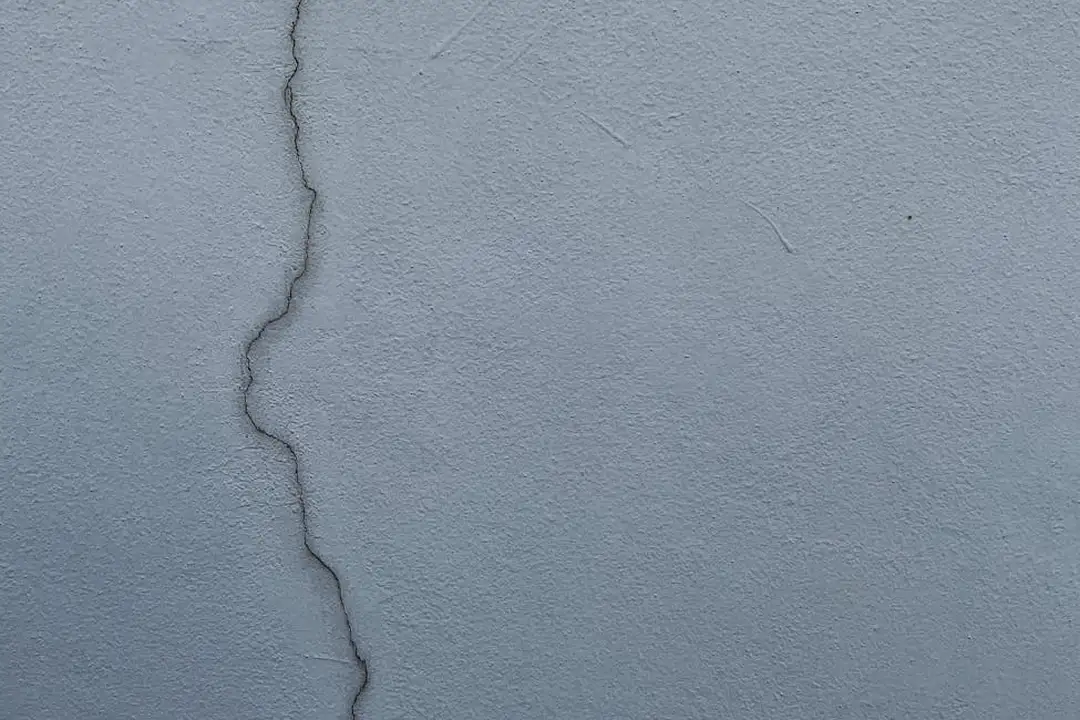
If your HOA is not performing required maintenance, you are not powerless. Taking measured, documented steps can often resolve the issue without immediate legal escalation. Follow this progression to protect your rights and your investment.
-
Send a Formal Demand Letter
Start by putting your complaint in writing. Address a formal letter to the HOA board and property manager, citing the specific CC&R clauses that are being violated and the maintenance that is lacking. Send it via certified mail to create a paper trail and request a written response by a specific date.
-
Engage in Board Meetings and Community Petitions
Attend the next open HOA board meeting and calmly state your concerns during the homeowner forum. If other neighbors are affected, gather signatures on a petition to demonstrate that the issue is a widespread concern, not just an individual complaint. A united front is far more powerful.
-
Pursue Mediation or Arbitration
Many CC&Rs require alternative dispute resolution before a lawsuit can be filed. Mediation involves a neutral third party who helps facilitate a compromise, while an arbitrator makes a binding decision. This process is typically faster and less expensive than going to court.
-
Consider Legal Actions Like Lawsuits or Injunctions
If all else fails, consulting with an attorney who specializes in HOA law is your final recourse. You may file a lawsuit for breach of contract or seek an injunction—a court order that forces the HOA to perform the required maintenance immediately. This is often used to prevent further damage or safety hazards. Disputes over maintenance decisions and related fees are common. A lawyer can help you challenge improper decisions or fee calculations in court.
Enforcing Maintenance Through Legal Channels
When communication breaks down and your property is at risk, legal action becomes a necessary path. Formal legal proceedings are often the final, but most powerful, tool you have to compel your HOA to act responsibly.
Steps for Filing a Lawsuit
Taking your HOA to court is a serious step that requires careful preparation.
- Send a final, formal demand letter via certified mail, outlining the specific maintenance failure and giving a final deadline for action.
- Consult with an attorney who specializes in community association law to review your governing documents and assess your case’s strength.
- Determine the correct venue. For smaller amounts, small claims court is a faster, more affordable option where you can often represent yourself.
- File your complaint with the court, paying close attention to properly naming the HOA corporation as the defendant.
- Serve the HOA board with the official court paperwork, following your state’s specific rules for service of process.
Small claims court is ideal for recovering specific financial losses, like the cost of a roof repair you had to pay for yourself. For more complex issues involving property damage or injunctions, civil court with an attorney is the recommended route.
Injunctive Relief and When to Use It
An injunction is a court order that commands someone to do something or to stop doing something.
- Use a temporary restraining order (TRO) for immediate, irreparable harm, like a collapsing retaining wall that threatens your home’s foundation.
- A preliminary injunction can maintain the status quo while the full lawsuit proceeds, preventing the HOA from ignoring a critical repair.
- A permanent injunction is the final court order issued after a trial, forcing the HOA to complete the required maintenance.
Injunctive relief is your best legal tool when the HOA’s inaction is causing ongoing or imminent damage that money alone cannot fix.
Liability and Negligence Standards
HOAs have a legal duty to maintain common areas and uphold their governing documents.
- Negligence occurs when the HOA fails to use reasonable care, and that failure causes damage or injury. A known pothole in the parking lot that causes a trip-and-fall is a classic example.
- Breach of Fiduciary Duty happens when the board members knowingly ignore their responsibilities, like refusing to fix a known structural defect.
- Nuisance applies when the lack of maintenance substantially interferes with your use and enjoyment of your property, such as a broken sewer line creating persistent odors.
To prove negligence, you must show the HOA knew or should have known about the hazard and failed to address it within a reasonable time. Your own documentation becomes critical evidence here.
Practical Steps for Homeowners
Before escalating to a lawsuit, exhaust all internal and community-based options. A united front of homeowners is often the most effective catalyst for change within a reluctant HOA.
Documenting Issues and Communicating with the Board
Thorough documentation creates an undeniable record of the problem and your attempts to resolve it.
- Take timestamped photos and videos of the maintenance issue from multiple angles over time.
- Keep a detailed log of every communication, including dates, names of board members spoken to, and summaries of what was discussed.
- Send all serious requests in writing, either by email or certified mail, to create a formal paper trail.
- Quote specific sections of your CC&Rs or bylaws that mandate the maintenance in your communications.
Formal, written correspondence forces the board to officially acknowledge your request and creates evidence if you need to prove they were negligent.
Using Reserve Funds or Special Assessments
Funding is often the board’s primary excuse for deferring maintenance.
- Reserve Funds: Review the HOA’s reserve study, a long-term budget for major repairs. If the needed maintenance is listed, the board is legally obligated to use reserve funds for that purpose.
- Special Assessments: If reserves are insufficient, the board can levy a one-time fee on all homeowners. While unpopular, this is a legitimate tool for funding urgent, unbudgeted repairs.
- Attend budget meetings to understand the HOA’s financial health and advocate for proper funding of maintenance projects.
You can formally request a review of the HOA’s financial records to verify if a lack of funds is the true reason for the delay.
Organizing Community Action or Recalls
A single homeowner can be ignored, but a group is a powerful force.
- Talk to your neighbors. Share your documentation and explain how the issue affects their property values and safety.
- Circulate a petition that clearly states the problem and demands specific action from the board by a certain date.
- Present your unified front at the next open board meeting, with multiple homeowners speaking on the agenda item.
- If the board remains unresponsive, your governing documents outline the process for recalling and replacing negligent board members.
Organizing a recall campaign is a major undertaking, but it is a direct democratic tool for installing a board that will uphold its maintenance duties.
HOA Liability and Dispute Resolution
When an HOA neglects its duties, the first question is often about legal responsibility. The board of directors holds a fiduciary duty to act in the best interest of the community and uphold the governing documents. This means they can be held personally liable for gross negligence or actions taken in bad faith.
Board Liability and Your Homeowner Rights
Your rights are primarily defined by your community’s Covenants, Conditions, and Restrictions (CC&Rs) and bylaws. These documents form a binding contract between you and the association.
- Review your governing documents to identify the HOA’s specific maintenance obligations for common areas like roofs, siding, pools, and structural elements.
- Homeowners have the right to a safe and well-maintained community, and the HOA has a corresponding duty to use collected dues responsibly to provide that.
- If the HOA’s failure to maintain property causes damage to your unit or creates a safety hazard, the board may be found in breach of contract.
Documenting every communication and the visible effects of the neglected maintenance is your most powerful tool for establishing a case. Take dated photos, save all emails, and keep notes from phone calls.
Exploring Alternative Dispute Resolution
Before considering a lawsuit, most governing documents require homeowners to pursue alternative dispute resolution (ADR). These methods are designed to be faster, less expensive, and less adversarial than going to court. They provide a structured path to resolve your issue without immediate legal confrontation.
Mediation: A Guided Negotiation
Mediation involves a neutral third party who helps facilitate a conversation between you and the HOA board. The mediator does not make a decision but works to help both sides reach a voluntary agreement. Mediation can be an effective way to resolve disputes.
- This process is confidential and non-binding until an agreement is signed.
- It is often successful because it allows both parties to express their concerns and collaboratively find a solution, such as a repair schedule.
- Mediation preserves community relationships far better than a lawsuit.
Choosing mediation shows a good-faith effort to resolve the issue amicably, which can be favorable if the dispute escalates later.
Arbitration: A Private Judgment
Arbitration is a more formal process where a neutral arbitrator acts like a judge, hearing evidence from both sides before issuing a decision. This decision is usually binding, meaning you give up your right to take the matter to court.
- Both parties present their case, including contracts, photos, and witness statements.
- The arbitrator reviews the evidence and renders a decision based on the governing documents and state law.
- The outcome is legally enforceable, similar to a court order.
Arbitration is typically faster than litigation, but you have less control over the final outcome once the process begins. Always check your CC&Rs to see if arbitration is a required step.
FAQs
Can I perform the maintenance myself and seek reimbursement from the HOA?
Generally, you should not undertake repairs on common areas without prior written approval from the HOA board. Unauthorized work could result in fines or denial of reimbursement, so always follow the proper channels first.
How does HOA maintenance neglect impact my homeowner’s insurance?
Neglected maintenance may lead to higher premiums or denied claims if damage occurs due to the HOA’s inaction. Your insurer might pursue the HOA for costs if their failure directly caused the loss, affecting your coverage. Understanding the difference between HOA maintenance and condo association maintenance can help you know who is responsible for what. That distinction can also influence your insurance coverage and where claims responsibility lies.
What steps should I take if the HOA board is completely unresponsive?
If the board ignores your requests, organize with other homeowners to present a united front and escalate to mediation as required. Document all communications and timelines to support your case. This helps you handle disputes with your HOA more effectively. For persistent issues, consulting an HOA law attorney can help you explore legal remedies like injunctions or lawsuits.
Are there any government agencies I can report HOA maintenance failures to?
Yes, you can report safety or code violations to local municipal code enforcement, which may issue citations. Some states have agencies that oversee HOAs and accept complaints for serious breaches of duty.
Your Path Forward with HOA Maintenance Issues
Always document maintenance problems in detail and communicate your concerns to the HOA board in writing. If the board does not act, use your governing documents as a guide and be ready to escalate the matter through mediation or legal channels to resolve the situation. For a step-by-step approach to contacting your HOA board members, see our complete guide.
Further Reading & Sources
- What repairs are HOAs responsible for?
- The 3 Rs of HOA Maintenance: Responsibilities, Risks…
- A Guide To HOA Maintenance Responsibilities | PPM
- HOA Maintenance Duties and Homeowner Property Damage: Legal Recourses and Remedies – Volpe Law LLC
Brandon has been on both ends of HOA, as part of it, he has helped build his community in Oregon, while also helping other homeowners deal with typical and atypical issues one might face. He has 8+ years of experience dealing with HOAs himself and on behalf of his friends and family, and he brings his extensive expertise and knowledge to make your HOA interaction seamless and smooth.
Maintenance Responsibilities