
What Maintenance Tasks Are Always the Homeowner’s Responsibility?
Published on: January 22, 2026 | Last Updated: January 22, 2026
Written By: Brandon Chatham
Homeowners are always responsible for maintaining everything within their property lines that isn’t specifically governed by their HOA’s covenants. This includes the interior of your home, personal outdoor items, and major structural components unless your governing documents state otherwise.
Wondering how to spot what your HOA covers? The fastest way is to review your community’s governing documents, particularly the Declaration of Covenants, Conditions, and Restrictions (CC&Rs). These rules explicitly list shared amenities and common elements the association maintains, like community pools or clubhouse roofs.
Knowing exactly where your duties begin and end prevents costly disputes and surprise repair bills. We’ll break down the specific maintenance categories that always fall to you, from plumbing and electrical systems to fences and personal landscaping. You’ll also learn how to handle grey areas and work effectively with your HOA to keep your property in top shape.
Understanding HOA vs Homeowner Maintenance Duties
In any HOA community, knowing who handles which maintenance tasks avoids confusion and keeps your neighborhood looking great. Understanding your HOA’s maintenance responsibilities and its Covenants, Conditions, and Restrictions (CC&Rs) will help you know exactly what the association covers versus what falls on you.
- HOA-covered areas usually include shared spaces like pools, clubhouses, and common landscaping, while you’re responsible for your own home’s interior and certain exterior elements.
- Always check your CC&Rs first for specific rules, as responsibilities can differ based on your community’s guidelines.
- Typical homeowner duties involve interior systems such as HVAC, plumbing, and electrical, plus personal outdoor areas like patios, decks, and fenced yards.
Essential Annual Maintenance Tasks for Homeowners
Completing these yearly checks helps you catch small issues before they become big problems. Set a reminder for these tasks to stay proactive about your home’s upkeep. For self-managed HOA boards, a 15-point annual health check checklist can guide your reviews. It helps keep the board aligned and ensures nothing is overlooked.
- Roof inspection: Examine shingles for damage or wear and check for leaks in the attic.
- Gutter cleaning: Remove leaves and debris to ensure proper water flow away from your home.
- Downspout clearing: Make sure downspouts direct water at least five feet from the foundation.
- Window sealing: Check for drafts and re-caulk around windows to improve energy efficiency.
- Weatherstripping: Replace worn strips on doors and windows to keep conditioned air inside.
- Attic insulation checks: Look for compression or moisture that reduces effectiveness.
- Foundation inspection: Walk around your home’s perimeter to spot cracks or settling.
- Exterior painting touch-ups: Address peeling or fading paint to protect surfaces from the elements.
Seasonal Maintenance Checklists to Follow
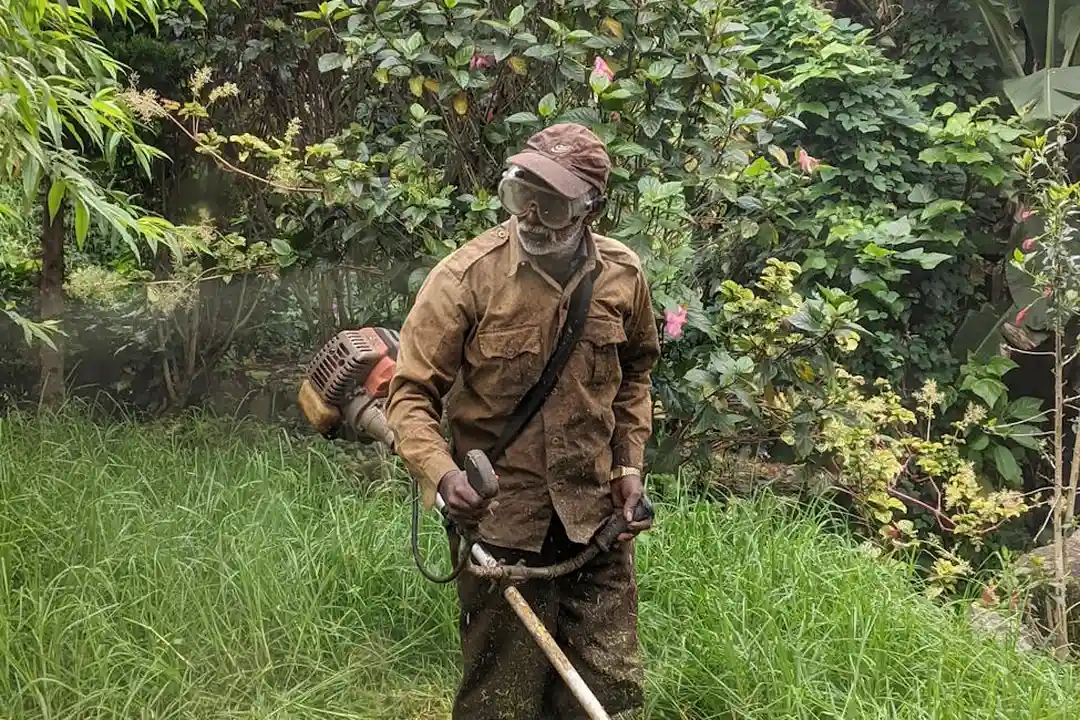
Breaking tasks into seasons makes home care manageable and timely. Adjust your routine based on local climate to keep your property in top shape year-round, especially if you are an HOA president responsible for overseeing community maintenance.
Spring
- Lawn care: Aerate soil, overseed grass, and apply fertilizer for healthy growth.
- Landscaping drainage: Clear yard drains and grade soil to prevent water pooling.
- Deck maintenance: Inspect for rot, clean surfaces, and reseal if needed.
Summer
- Pest control measures: Seal entry points and trim vegetation away from the house.
- Sump pump testing: Pour water into the pit to confirm it activates and drains properly.
- Seasonal HVAC filter replacement: Swap out filters to maintain air quality and system efficiency.
Fall
- Gutter cleaning: Remove fallen leaves to prepare for winter rains and snow.
- Thermostat adjustments: Program settings for cooler weather to save on energy costs.
- Window and door checks: Ensure seals are tight to keep heat from escaping.
Winter
- Pipe insulation: Wrap exposed pipes in unheated areas to prevent freezing.
- Walkway safety: Keep paths clear of ice and snow to avoid slips and falls.
- HVAC system review: Schedule a professional check to ensure heating works efficiently.
Maintaining Critical Home Systems
HVAC System Upkeep
Your HVAC system is the lungs of your home, and its care falls squarely on your shoulders.Changing your air filter every one to three months is the single most effective thing you can do to keep your system running efficiently.
- Find the filter slot on your furnace or air handler, note the filter size, and slide the new one in with the arrows pointing toward the blower motor.
- Schedule professional servicing twice a year-once for your air conditioner in the spring and once for your furnace in the fall.
- Flush your water heater annually to remove sediment buildup that can cause corrosion and reduce heating efficiency.
- Test your thermostat by adjusting the temperature a few degrees to ensure your system kicks on and off correctly.
Plumbing and Leak Prevention
A small, hidden leak can cause massive damage before you ever see it.Regularly check your water meter; if the small leak indicator triangle is spinning when all water is off, you have a leak.
- Inspect under sinks for moisture and feel pipes for condensation.
- Listen for running water in toilets and add a few drops of food coloring to the tank to check for silent flapper leaks.
- Replace worn faucet washers and O-rings to stop drips that waste water and money.
- Use a plunger or a drain snake for minor clogs, avoiding harsh chemical drain cleaners that can damage pipes.
Electrical Safety Checks
Electrical issues are a leading cause of home fires, making routine checks a vital responsibility.Test all smoke and carbon monoxide detectors monthly by pressing the “test” button and replace batteries at least once a year.
- Replace any detectors that are more than ten years old, as their sensors degrade over time.
- Open your electrical panel to ensure no breakers are tripped and that the area around it is clear and dry.
- Check the cords on your appliances for fraying or cracking and ensure plugs fit snugly into outlets.
- Inspect outlets and switch plates for discoloration, which can indicate dangerous overheating.
Budgeting and Prioritizing Maintenance Tasks
Smart maintenance requires a plan for your time and money. A good rule of thumb is to set aside 1% of your home’s value each year for maintenance and repairs. If you belong to an HOA, read and understand your HOA’s CCR maintenance guidelines to know what upkeep is required and what aligns with the association’s rules. Following these guidelines helps you budget effectively and avoid conflicts with the HOA.
- Separate your budget into two categories: urgent repairs that affect safety or could cause major damage, and routine upkeep that prevents future problems.
- Fund the urgent category first, then allocate the remainder to routine tasks like gutter cleaning or painting.
Use this simple method to decide what to tackle first.
- List all potential maintenance tasks for the year.
- Categorize each one as a safety issue, a preventative measure, or a cosmetic improvement.
- Rank safety issues as your top priority, followed by preventative tasks that save money long-term.
- Address cosmetic improvements last, only if the budget allows.
Balancing do-it-yourself projects with professional help keeps costs manageable.Reserve professional services for complex jobs involving gas, electricity, or structural elements where mistakes are costly. You can handle many tasks like painting, basic landscaping, and minor caulking yourself with minimal investment in tools. For any task, always weigh the cost of a potential DIY error against the guaranteed cost of a professional.
DIY vs Professional Maintenance Guidance
Knowing which tasks you can handle yourself and which require a pro saves you money and prevents safety hazards. Your skill level and the project’s complexity are the biggest factors in this decision.
Homeowner-Friendly DIY Tasks
Many routine jobs are perfect for a weekend project. These typically don’t require special tools or licenses.
- Cleaning gutters and downspouts
- Testing and replacing smoke detector batteries
- Caulking around windows and doors
- Changing HVAC air filters
- Minor landscape pruning and weeding
- Cleaning minor mold or mildew with appropriate cleaners
When to Call a Professional
Some projects carry significant risk or require certified expertise. Hiring a professional is an investment in your safety and your home’s integrity. Vet candidates carefully, then hire and actively manage contractors and vendors, coordinating with your HOA. This helps avoid delays and maintain compliance.
- Any electrical work beyond replacing a light fixture or outlet
- Roof repairs or inspections
- HVAC system servicing and repairs
- Plumbing work involving the main line or re-piping
- Foundation crack assessment and repair
- Tree removal near structures or power lines
- Asbestos or lead paint abatement
Electrical and roof work demand extreme caution due to the risks of electrocution and falls. A licensed electrician ensures your wiring is up to code and safe. Roofers have the proper equipment and training to navigate steep pitches safely. For complex systems like your HVAC, a certified technician can spot small issues before they become catastrophic failures. Foundation problems are a clear sign to bring in a structural engineer or specialized contractor immediately.
Documenting Maintenance for Compliance and Resale
Keeping detailed records of your home’s upkeep is just as important as the maintenance itself. A well-organized maintenance log is your best defense in an HOA dispute and a powerful tool for maximizing resale value. When disputes arise over HOA maintenance decisions or the fees charged, those records help prove what work was needed and approved. They also provide a clear trail that can challenge improper or inflated charges.
Start a simple filing system, either digital or physical. Create a folder for each major home system and all your exterior improvements. Pair your filing system with essential HOA management software to track maintenance schedules, budgets, and approvals. This helps you stay organized when self-managing an HOA.
What to Log in Your Records
Be thorough with your documentation. This creates a clear history for anyone who needs to verify your work.
- Dates of all service and repairs
- Itemized receipts and invoices
- Full contractor names, license numbers, and contact information
- Copies of permits pulled for the work
- Manufacturer warranty information and manuals
- Before-and-after photos of projects
The Power of Good Record-Keeping
Your maintenance file serves multiple critical purposes throughout your homeownership journey.
| Situation | How Records Help |
|---|---|
| HOA Rule Compliance | Prove you used approved materials or colors for exterior projects. Show timely repairs to meet community standards. |
| Home Appraisal & Resale | Demonstrate a well-maintained property, which can justify a higher asking price and reassure potential buyers. |
| Insurance Claims | Provide evidence of your home’s condition and the quality of repairs before a damaging event occurred. |
| Future Repairs | Give new contractors a complete history of what’s been done, helping them diagnose issues faster and more accurately. |
This documentation directly connects to HOA rule adherence by providing verifiable proof that you’ve maintained your property responsibly. It shows you are a conscientious neighbor who respects community standards. For residents, following the HOA maintenance requests guide and submitting timely work orders create a clear, auditable trail that complements this documentation. It aligns your records with formal HOA processes, making maintenance history easy to reference in the future. When it’s time to sell, a complete maintenance history is a tangible asset that sets your home apart. Buyers pay a premium for peace of mind, and nothing provides that better than a folder full of receipts and service records.
FAQs
How can I create a home maintenance calendar?
Begin by listing all recurring tasks from your HOA guidelines and personal checks, then assign them to specific months or seasons. Using a digital calendar with automated reminders ensures you never miss critical upkeep deadlines, especially when preparing for events like the annual HOA meeting.
What preventive maintenance can reduce energy costs?
Regularly seal windows and doors to prevent drafts and add insulation in attics and walls to improve efficiency. Servicing your HVAC system annually and using a programmable thermostat can lead to significant savings on your energy bills.
What safety precautions should I follow during maintenance tasks?
Always shut off electricity and water supplies before starting repairs and wear appropriate safety gear like gloves and eyewear. Avoid DIY projects involving gas lines or structural changes, as these require professional expertise to prevent hazards.
What signs indicate I should repair or replace appliances soon?
Watch for unusual noises, frequent malfunctions, or spikes in energy usage that suggest declining performance. If the repair cost exceeds 50% of a new appliance’s price, replacement is often more cost-effective and reliable.
Final Thoughts on Your Home Maintenance Duties
You are responsible for maintaining the interior of your home and any personal property or appliances within it. Always refer to your specific HOA governing documents to confirm your exact responsibilities and prevent potential conflicts. When water damage occurs, understanding the HOA vs homeowner duties can help you navigate repairs and insurance. This distinction is explained in your HOA guidelines to help you act quickly and correctly.
Further Reading & Sources
- The Homeowner’s Guide to Home Maintenance – My Home by Freddie Mac
- Homeowner’s Maintenance Checklist | A Maintenance and Home Renovation Timeline
- Home Maintenance Checklist for Homeowners & Tenants | Matterport
- Home Maintenance Checklist for Homeowners | Homebuyer.com
Brandon has been on both ends of HOA, as part of it, he has helped build his community in Oregon, while also helping other homeowners deal with typical and atypical issues one might face. He has 8+ years of experience dealing with HOAs himself and on behalf of his friends and family, and he brings his extensive expertise and knowledge to make your HOA interaction seamless and smooth.
Maintenance Responsibilities