
What To Do If Your HOA’s Master Insurance Claim is Denied
Published on: February 7, 2026 | Last Updated: February 7, 2026
Written By: Brandon Chatham
If your HOA’s master insurance claim is denied, your immediate action should be to carefully review the denial letter, contact the insurance company for a detailed explanation, and promptly file a formal appeal. Do not assume the decision is final; most denials can be contested successfully with the right approach.
You might be wondering what your first concrete step should be after opening that denial letter. Your absolute priority is to obtain the insurer’s full claim file and a point-by-point explanation for the denial. This documentation is the foundation for building your appeal and understanding the specific policy clauses or evidence the adjuster is citing.
Navigating a denied claim can feel overwhelming, but you have clear paths forward. This guide will walk you through the entire process, from decoding the fine print in your denial letter to launching a powerful appeal. We will cover how to gather compelling evidence, when to involve a public adjuster or attorney, and strategies for preventing future claim disputes. Understanding your options empowers you to protect your community’s financial health.
Understanding Your HOA Master Insurance Policy
Your HOA’s master insurance policy is designed to protect shared property and common areas that all homeowners collectively own and use. This coverage typically includes structures like building exteriors, roofs, lobbies, elevators, swimming pools, and clubhouses, ensuring that damage to these spaces doesn’t fall solely on individual owners. Policies often extend to liability protection if someone gets injured in a common area, but the specifics can vary widely based on your HOA’s governing documents and the insurance carrier. Understanding what an HOA master insurance policy covers is crucial for homeowners to know the extent of protection and their own responsibilities.
- Typical policy exclusions might involve earthquakes, floods, or mold, unless you purchase additional endorsements. Coverage gaps frequently arise from wear and tear, intentional acts, or insufficient limits that don’t match repair costs after a major incident. Endorsements can bridge some gaps-for example, adding sewer backup coverage-but they come at an extra cost and require board approval.
- The HOA board holds a fiduciary duty to manage insurance matters responsibly, meaning they must act in the community’s best financial interests. This includes regularly reviewing policy terms, ensuring adequate coverage, and promptly addressing claims to avoid legal pitfalls or personal liability for board members. Neglecting this duty could lead to uncovered losses and strained homeowner relations.
Common Reasons for HOA Insurance Claim Denials
Insurance denials often stem from misunderstandings about what the policy actually covers, leaving HOAs scrambling to fund repairs. Frequent causes include policy exclusions for specific perils, negligence in maintenance, or events that simply aren’t covered under the basic plan. For instance, if a storm causes roof damage but the policy excludes wind-driven rain, the claim might be rejected outright. These misunderstandings feed the myths about HOA insurance coverage. The article ‘8 biggest myths about HOA insurance coverage exposed’ breaks down the realities behind those myths and what boards should verify in their policies.
- Weather-related issues, like hurricane damage in a policy that only covers fire, illustrate how exclusions play out. Owner-related incidents, such as a resident’s plumbing leak that goes unreported and causes mold, can be denied if the HOA failed to enforce maintenance rules. Other examples include vandalism by a homeowner or wear-and-tear damage that’s considered preventable.
- Insufficient documentation or proof of loss is a major hurdle-insurance companies need detailed evidence to validate claims. Without photos, repair estimates, or incident reports, adjusters may view the claim as unsubstantiated and deny it, even if the damage is legitimate. This underscores the importance of thorough record-keeping from the moment an issue arises.
Immediate Steps to Take After a Claim Denial

- Carefully review the denial letter to pinpoint the insurer’s specific reasons for rejection. Look for keywords like “exclusion,” “negligence,” or “insufficient evidence” to understand where the breakdown occurred and plan your next move. This step helps you avoid repeating mistakes and strengthens your appeal.
- Contact the insurance adjuster directly to seek clarification and additional details on the denial. Ask questions like, “What documentation would have made this claim acceptable?” to gather insights for a potential rebuttal or revised submission. Keep the conversation professional and focused on resolving the issue.
- Document all communications, including emails, phone calls, and notes, while gathering initial evidence like photos, witness statements, or inspection reports. This creates a paper trail that can support an appeal or legal action if needed, ensuring you have a clear record of every interaction. Store these materials in a secure, accessible location.
- Notify the HOA board immediately to discuss the denial and assess any urgent mitigation costs or repairs. Quick action can prevent further damage and demonstrate the board’s commitment to protecting community assets, which aligns with their fiduciary responsibilities. Consider consulting a professional, like a public adjuster, if the situation seems complex.
How to Appeal an HOA Insurance Claim Denial
Receiving a denial letter is frustrating, but it is rarely the final word. A formal, well-documented appeal is your most powerful tool to challenge the insurer’s decision and get your HOA the funds it needs.
-
File a Formal Appeal with the Insurance Company
Your first step is to formally dispute the denial with the insurance carrier. Request their specific appeal procedure in writing. Meticulously follow every step of their outlined process, as missing a deadline or form can result in an automatic dismissal of your appeal. Your appeal package must include a detailed cover letter that references your policy number, the date of loss, and a point-by-point rebuttal of the denial reasons. Crucially, include any new evidence you have uncovered that supports your claim.
-
Gather Additional Documentation
This is where you build an undeniable case. Go beyond the initial claim submission. Collect multiple, detailed repair estimates from licensed and reputable contractors to validate the scope and cost of the necessary work. If the denial hinges on the cause of the damage, secure a report from a qualified expert, like a structural engineer or a licensed roofer, whose professional opinion contradicts the insurer’s assessment. This expert witness statement can be a game-changer.
-
Consider Escalation Options
If the appeal is unsuccessful, you have further paths for dispute resolution. Mediation involves a neutral third party who helps both sides negotiate a settlement. For disputes over the dollar value of a covered loss, the appraisal clause in your policy can be invoked, where independent appraisers determine the final settlement amount. This process is often binding and can break a stalemate over repair costs.
-
Prepare for Settlement Negotiation
Be ready to negotiate a final settlement figure. Know your absolute bottom line based on your contractor estimates. Simultaneously, be aware of “bad faith” insurance practices, such as an unreasonable delay in investigation or a refusal to pay a claim without a valid explanation. If you suspect bad faith, document every interaction and consult with an attorney who specializes in insurance law, as this can significantly strengthen your negotiating position.
Gathering Documentation and Evidence for Your Claim
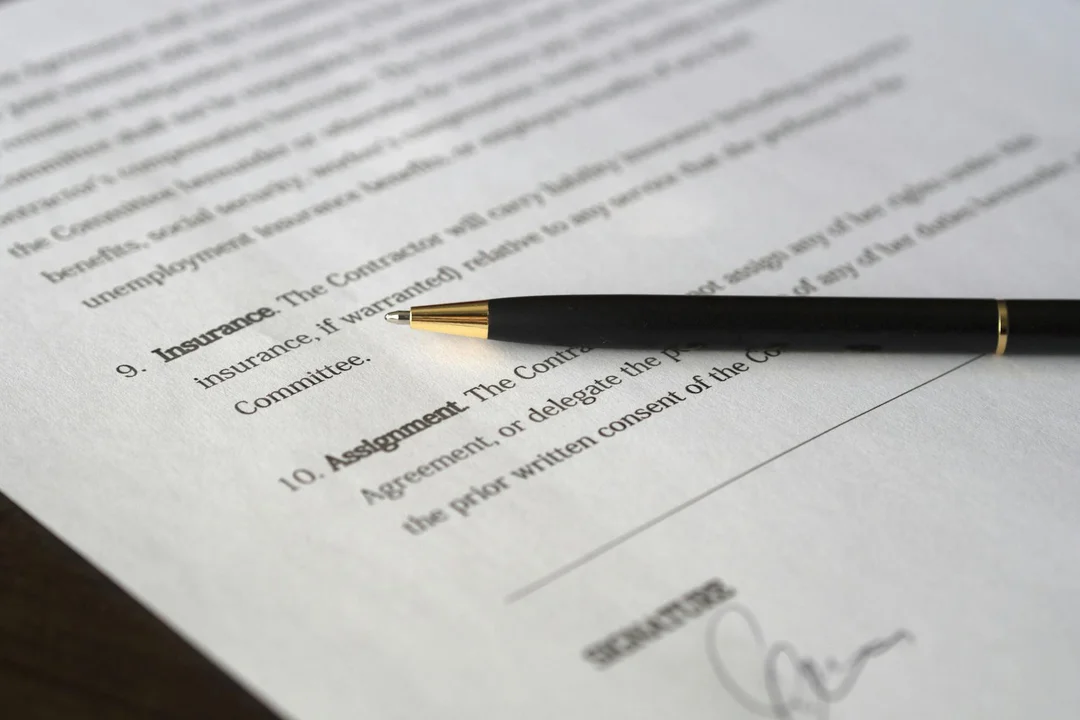
A strong claim is built on a mountain of evidence. The burden of proof is on the HOA to show the damage is covered. Thorough documentation turns your narrative into a factual, indisputable record that is difficult for an adjuster to ignore.
-
List Essential Items
Start with the non-negotiable basics. This includes clear, time-stamped photos and videos of the damage from multiple angles, both wide shots for context and close-ups for detail. You must also provide complete maintenance records, which prove the HOA upheld its responsibility to care for the property, countering claims of neglect. In water-damage cases, understanding the split of duties between the HOA and homeowner is essential to navigate claims and remedies. This clarity helps prevent delays and disputes. Finally, ensure the “proof of loss” form is filled out accurately and in full, as this is your official sworn statement of the damages incurred.
-
Demonstrate Causation and Avoid Gaps
Insurance companies often deny claims by arguing the damage was caused by an excluded event or long-term wear and tear. Your documentation must create a clear timeline that directly links the damage to a single, covered peril, like a specific windstorm or a sudden pipe burst. Bridge any potential coverage gaps by providing weather reports, police reports, or plumber’s invoices that pinpoint the exact moment and cause of the covered event.
-
Use Expert Opinions
When the cause or cost of damage is complex, an expert opinion is invaluable. A professional report from an engineer, architect, or restoration specialist provides a credible, third-party assessment that carries significant weight during the appeals process. This expert analysis can definitively state that the foundation crack was due to a sudden seismic event, not soil settlement, or that the roof damage was caused by hail, not simple aging.
Seeking Professional Help for a Denied Claim
When your HOA’s master insurance claim gets denied, it can feel like hitting a wall, but bringing in expert help often changes the game. Hiring a professional becomes crucial if the denial seems unclear, involves a large sum, or if the insurance company’s reasoning doesn’t align with your policy details. Learning to read and understand your HOA’s Certificate of Insurance (COI) can illuminate coverage gaps. That clarity helps you and your advisors evaluate whether the master policy truly fits your needs. You don’t have to navigate this maze alone—experienced advisors can spot issues you might miss.
- Consider legal counsel if the dispute involves complex policy language or potential bad faith by the insurer.
- Engage a public adjuster early on for high-value claims, as they specialize in maximizing payouts and handling negotiations.
- Turn to professionals when internal appeals have failed, and you need formal escalation tactics.
These experts dig deep into your policy to uncover exclusions or inconsistencies that led to the denial. A skilled public adjuster or attorney can identify if the insurer omitted key facts or applied exclusions incorrectly, which might constitute bad faith. They review every clause and compare it to the damage evidence, ensuring nothing is overlooked.
Professionals also guide you through refiling or escalating the claim with precision. They assist in gathering new evidence, drafting compelling rebuttals, and filing appeals with state insurance departments if needed. This support can streamline the process, reduce stress on your board, and improve the odds of a favorable outcome.
Alternatives and Next Steps if the Denial Is Upheld

If the insurance denial stands after professional help, your HOA still has several paths to consider for covering repair costs. You might also wonder if HOA reserve funds cover foundation repairs. In general, reserves cover long-term major repairs as outlined in the reserve study, and whether foundation work qualifies depends on your HOA’s study and board decisions. Refiling the claim with fresh evidence, such as updated damage assessments or expert reports, can sometimes reverse the decision. Explore all options before dipping into other funds to protect your community’s financial health.
- Submit a revised claim with additional documentation like photos, contractor estimates, or witness statements.
- Use reserve funds for urgent repairs, but ensure this aligns with your HOA’s financial policies and state laws.
- Approval for a special assessment to spread costs among homeowners, though this requires clear communication and a vote.
A upheld denial directly affects residents through potential fee increases or delayed maintenance. Homeowners may face higher dues or special assessments, which can strain budgets and lead to disputes within the community. The board must weigh repair priorities against available funds, making transparent decisions to maintain trust.
Long-term, this experience should prompt a thorough review of your HOA’s insurance coverage and risk management. Schedule a policy audit to identify gaps, update coverage limits, and consider adding endorsements for common exclusions. Common gaps in HOA coverage often include director and officer liability, fidelity coverage, and protection for legal defense costs. Identifying these during a policy audit can help guide targeted endorsements to close the most critical gaps. If bad faith is suspected, legal action against the insurer could recover costs, but consult an attorney to evaluate the feasibility.
Quick Answers
How long does the HOA insurance denial process take?
The timeline for resolving a denial can vary significantly based on the complexity of the claim and the insurer’s responsiveness. An initial appeal can take several weeks to a few months, while more formal processes like appraisal or litigation can extend the timeline to over a year.
Can I obtain HOA insurance after a denial?
Yes, it is possible to obtain new HOA insurance after a denial, but it may be more challenging and expensive. You will likely need to shop for coverage in the surplus lines market and may have to accept higher premiums or specific exclusions related to the previous claim. If the HOA lapses its insurance policy, there could be a protection gap for residents and the HOA itself. In that situation, securing coverage quickly becomes even more critical to avoid uninsured risks and potential special assessments.
Who can help with an HOA insurance denial?
Your HOA board should immediately consult with professionals who specialize in insurance disputes. A public adjuster can help maximize your claim value, while an attorney specializing in insurance law is crucial for navigating bad faith practices or complex policy language. An HOA attorney can also represent the association in disputes with insurers. Before hiring, clarify who the attorney will represent—the HOA as a whole or individual owners—to align expectations.
Does a denial affect residents or only the HOA board?
A denied claim ultimately affects all residents, not just the HOA board. To ensure the HOA has adequate coverage, the board should follow an insurance adequacy checklist during regular reviews. Homeowners may face special assessments or increased dues to cover the repair costs that the insurance policy was supposed to pay.
Your Path Forward After a Denial
When your HOA’s master insurance claim gets denied, your immediate plan should be to thoroughly review the denial letter and formally appeal the decision. For long-term protection, meticulously document all communications and consider seeking professional guidance from a public adjuster or attorney to ensure your association’s interests are fully represented. This can be especially crucial when dealing with disputes within the HOA.
Further Reading & Sources
- Homeowners Can Use Their HOA’s Insurance – Robinson and Henry
- r/RealEstate on Reddit: (US-CO) Is an HOA allowed to refuse to file an insurance claim for damage they are responsible for?
- When Can My Homeowner’s Association File An Insurance Claim in FL?
- How Condo Associations & HOAs Cause Insurance Claim Denials | ClaimsMate
Brandon has been on both ends of HOA, as part of it, he has helped build his community in Oregon, while also helping other homeowners deal with typical and atypical issues one might face. He has 8+ years of experience dealing with HOAs himself and on behalf of his friends and family, and he brings his extensive expertise and knowledge to make your HOA interaction seamless and smooth.
Legal Resources