
Your First 30 Days in an HOA: The New Homeowner’s Survival Guide
Published on: December 16, 2025 | Last Updated: December 16, 2025
Written By: Brandon Chatham
Your first 30 days in an HOA should be spent reviewing all governing documents, introducing yourself to the board, and understanding the community’s rules and financial health. This proactive approach helps you avoid costly mistakes and sets you up for a positive living experience from day one.
You might be wondering, why is this initial period so critical? Many new residents assume they can learn the rules as they go, but most associations have a very short grace period for new owners. Violations can lead to fines starting immediately, and some communities have specific requirements you must fulfill within your first month. Your initial weeks establish your reputation within the community and determine whether you’ll face constant friction or smooth sailing ahead.
Moving into an HOA-governed community brings unique challenges that catch many homeowners off guard. This guide walks you through exactly what to prioritize during those crucial first weeks. You’ll learn how to decode complex HOA documents, identify potential red flags in community finances, build positive relationships with board members, and navigate common pitfalls that frustrate new residents. We cover everything from architectural change requests to handling neighbor disputes, giving you the confidence to thrive in your new community.


Step 1: Understand Your HOA’s Role and Structure
What an HOA Does for Your Community
Your Homeowners Association is a legal entity created to manage and maintain the common areas and uphold community standards. Think of your HOA as the collective management system for your neighborhood’s shared assets and its rulebook. This includes everything from landscaping and pool upkeep to trash collection and streetlight repairs. Learn more about what an HOA is and how it works.
Their primary goal is to protect and enhance property values for everyone. By enforcing community standards, the HOA prevents individual actions that could negatively impact your neighborhood’s appeal and market worth. They handle the big picture items that individual homeowners cannot manage alone. Does an HOA affect your property value appraisal? Generally, a well-run HOA helps preserve value by keeping amenities and common areas well maintained.
The association also provides a framework for resolving disputes between neighbors. This structure offers a clear path for addressing issues like noise complaints or property boundary disagreements before they escalate. It creates a more predictable and harmonious living environment for all residents.
Meet Your HOA Board and Leadership
The HOA board is a group of volunteer homeowners elected to make decisions on behalf of the community. Your first action should be to identify your board members, especially the president and the community manager if you have one. This information is typically available on your HOA’s website or in a welcome packet. To take the next step, note their preferred contact methods and reach out with your questions or concerns. For a straightforward, step-by-step approach, see our complete guide on how to contact your HOA board members.
Attend a board meeting during your first month to see how things operate. Observing a meeting is the fastest way to understand community priorities, ongoing projects, and the personalities involved in leadership. You will see firsthand how decisions are debated and made.
Do not be shy about introducing yourself to a board member you see in the neighborhood. A friendly, in-person introduction can build a positive relationship that makes future communication much smoother. Remember, they are your neighbors who have volunteered for a often thankless job.
Step 2: Decode HOA Finances and Fees
How HOA Assessments Work
Your regular HOA fee, often called an assessment, is your share of the costs for operating the community. These fees are not arbitrary; they are calculated based on a detailed annual budget that covers all projected community expenses. Several factors—such as unit size, the scope of amenities, and projected maintenance and reserve costs—affect how HOA fees are calculated. Your share is typically a fixed amount or a percentage based on your property type. These factors can cause fees to change from year to year as budgets and needs evolve.
The money you pay funds two primary areas: the operating fund and the reserve fund. The operating fund pays for day-to-day expenses like landscaping, utilities for common areas, and insurance. Think of this as the community’s checking account for regular bills.
The reserve fund is for major future repairs and replacements. This fund acts as the community’s savings account for big-ticket items like repaving roads, replacing pool equipment, or repairing clubhouse roofs. A well-funded reserve is a sign of a financially healthy HOA.
Managing Payments and Financial Health
Set up automatic payments for your HOA dues immediately to avoid late fees. Missed payments can quickly lead to penalties, interest charges, and even a lien on your property, so treat this bill with high priority. Understand the specific payment methods your HOA accepts, whether it’s online, by mail, or through a specific portal.
Request a copy of the most recent financial statements and annual budget. Reviewing these documents will show you exactly where your money is going and reveal the financial stability of your association. Look for a line-item budget to see the cost of each service.
Pay close attention to the reserve fund study and funding levels. A poorly funded reserve often signals a future special assessment is likely, which is an extra, unbudgeted charge to all homeowners for a major repair. Asking about the reserve fund’s health is one of the smartest financial questions a new homeowner can pose.
Step 3: Master the Governing Documents
Key Documents: CC&Rs, Bylaws, and Rules
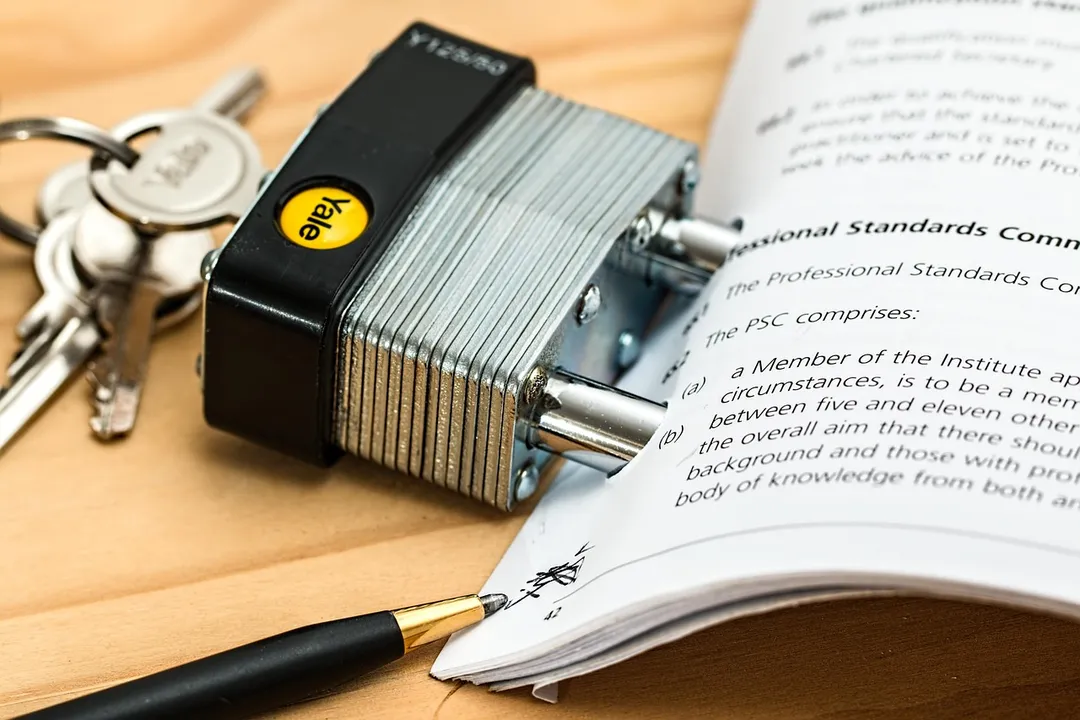
The Covenants, Conditions, and Restrictions (CC&Rs) are the supreme governing documents of your HOA. These are legally binding rules you agreed to when you purchased your home, and they outline what you can and cannot do with your property. They cover architectural standards, property use, and maintenance obligations. Understanding the CC&Rs is key to navigating your rights and responsibilities as a homeowner. A clear grasp of these CCRs helps you avoid violations and participate in HOA decisions.
The Bylaws define the internal governance of the HOA itself. This document explains how the HOA operates, including board election procedures, meeting requirements, and the duties of each officer. It’s the rulebook for how the rule-makers function.
The Rules and Regulations provide specific details on daily living. These are typically easier to amend than the CC&Rs and cover immediate concerns like parking rules, pet policies, and noise ordinances. You will likely reference this document most frequently in your daily life.
Common Rules on Property and Behavior
Architectural control is a major area of regulation. You will almost always need written approval from an architectural review committee before making external changes like painting your house, adding a fence, or installing a satellite dish. Never assume a small project is okay without checking first.
Rules often address vehicle parking and storage. Many HOAs prohibit parking RVs, boats, or commercial vehicles in driveways or on the street overnight to maintain a uniform community appearance. Check where guests can park to avoid them receiving violation notices.
Pay special attention to rules about pets, trash cans, and holiday decorations. Common restrictions include leash laws, limits on the number of pets, rules on when trash bins can be at the curb, and time limits for holiday lighting. These are the rules most commonly broken by new residents simply out of habit.
Step 4: Engage with HOA Meetings and Communication
Active participation is your most powerful tool for a smooth HOA experience. Getting involved early helps you understand the community’s dynamics and protects your investment. You move from being a passive resident to an informed, influential homeowner.
Preparing for Your First Board Meeting
Your first board meeting can feel intimidating, but walking in prepared makes all the difference. Think of it as a crash course in how your community operates and makes decisions. You are there to learn the process, not to challenge it on day one.
Start by reviewing the meeting’s agenda, which is usually posted a few days in advance. Familiarizing yourself with the topics helps you follow the discussion and identify issues that matter to you. If you have questions, jot them down so you remember them later.
- Read the previous meeting’s minutes to understand ongoing projects and past decisions.
- Arrive a few minutes early to find a seat and observe the board members interacting.
- Dress in neat, casual attire to show respect for the formal proceedings.
- Bring a notepad to write down unfamiliar terms or important points.
During the meeting, your primary role is to listen and observe. Pay close attention to how discussions unfold and how homeowners participate during open forum segments. You will quickly learn who the key voices are and how to effectively present a concern.
Building Positive Neighbor Relations
Your relationship with the HOA is not just with the board; it’s with your entire community. Strong connections with your neighbors create a supportive network and can prevent minor issues from escalating. A friendly wave can solve problems before they ever need a formal rule.
Make a point to introduce yourself to those living next door and across the street. A simple hello and a brief chat while getting the mail builds a foundation of mutual respect. Let them know you’re new and eager to be a good neighbor.
Be especially mindful of common courtesy rules that might be strictly observed. Always ask before borrowing anything, and be prompt about returning items you borrow from neighbors. This small act builds immense trust.
- Keep noise levels reasonable, especially during early mornings and late evenings.
- Park only in your designated spots and never block shared driveways or roads.
- Maintain your property’s appearance, which shows pride in the community.
- Offer a helping hand when you see a neighbor struggling with groceries or yard work.
If a disagreement arises, speak to your neighbor directly and courteously before filing a complaint. Most conflicts resolve easily with a calm, face-to-face conversation focused on finding a solution. Assume good intentions and work together to keep the community harmonious.
Step 5: Navigate Compliance and Approvals

Living in an HOA means agreeing to a shared set of rules designed to protect property values and community harmony. Getting familiar with the approval processes now will save you from headaches and potential fines later.
Architectural Review Process
Before you pick up a paintbrush or plant a new tree, you need to understand the Architectural Review Committee (ARC). This group reviews all proposed exterior changes to ensure they meet community standards. Think of the ARC as your partner in maintaining a beautiful neighborhood, not as an obstacle.
Common projects requiring approval include:
- Painting your house or front door a new color
- Installing a fence, shed, or patio
- Replacing your roof or windows
- Adding major landscaping features
- Installing solar panels or satellite dishes
The key to a smooth ARC process is preparation. Always submit a formal request. Providing detailed plans, material samples, and color swatches dramatically increases your chances of a quick approval. Never assume a small project is exempt. Check your guidelines first.
Handling Violations and Enforcement
Finding a violation notice in your mailbox can feel stressful, but it’s usually a straightforward fix. HOAs typically enforce rules through a progressive system. Your first step should always be to read the notice carefully and confirm the specific rule you’ve violated.
If you receive a notice, follow these steps:
- Remain calm and do not take it personally.
- Review the governing documents to understand the rule.
- Contact the HOA manager or board for clarification if needed.
- Correct the issue by the given deadline.
- Notify the HOA that the violation has been resolved.
Common violations are often simple oversights. Proactive communication with the HOA manager can often lead to an extension if you need more time to comply. If you believe the notice was a mistake, you usually have the right to appeal the decision at a board meeting.
| Common Violation | Typical Resolution |
|---|---|
| Trash cans left visible on non-collection days | Move bins to an approved storage area. |
| Overgrown lawn or unkempt landscaping | Mow the lawn and trim hedges. |
| Unauthorized exterior change (e.g., paint color) | Submit a retroactive ARC application or revert the change. |
| Parking a recreational vehicle on the street | Move the vehicle to an off-site storage location. |
Consistent rule enforcement benefits everyone by keeping the community looking its best. Viewing compliance as a shared responsibility makes the entire neighborhood a more pleasant place to live.
Step 6: Plan for Insurance and Dispute Resolution

Insurance Coverage in an HOA
Your homeowner’s insurance policy does not cover everything when you live in an HOA. The association carries a master policy for common areas and building structures, but your personal unit and belongings are your responsibility. This division of coverage is a common point of confusion for new residents. To learn more about what the association’s insurance covers, visit this guide on HOA master insurance policies.
You need a specific type of policy, often called an HO-6 policy, designed for condo or townhome living. This policy covers your personal property, interior walls, and any upgrades you make. It also provides crucial liability protection if someone is injured inside your home. Failing to secure an HO-6 policy leaves you financially vulnerable for repairs inside your front door.
Review your HOA’s governing documents to understand what the master policy covers. This is called the “walls-in” or “walls-out” definition. Here is a typical breakdown of responsibilities:
| HOA Master Policy Typically Covers | Your HO-6 Policy Typically Covers |
|---|---|
| Building roof, siding, and foundation | Personal belongings like furniture and clothing |
| Common areas like lobbies, pools, and gyms | Interior drywall, flooring, and cabinets |
| Shared liability for injuries in common areas | Liability for incidents inside your unit |
| Exterior landscaping and fencing | Any kitchen or bathroom upgrades you install |
Always get a copy of the HOA’s master policy declaration page and share it with your insurance agent. Your agent can then recommend the right amount of coverage to fill any gaps, ensuring you are never underinsured. This simple step provides immense peace of mind by helping you identify common gaps in HOA insurance coverage.
Resolving Conflicts and Finding Help
Disagreements in an HOA are normal, but how you handle them defines your experience. A neighbor’s loud music, a dispute over a parking spot, or a disagreement about an architectural request can all create friction. The most effective approach is always to start with a calm, direct, and polite conversation. Many issues stem from simple misunderstandings. To handle disputes with your HOA effectively, review the governing documents and the official dispute-resolution process. If needed, consider mediation to keep things productive.
If a friendly chat does not resolve the problem, follow the official channels. Do not let frustration build. Your community likely has a structured process for handling complaints. Here are the typical steps to take:
- Submit a formal written complaint to the property manager or HOA board.
- Attend a board meeting to present your case calmly and with any supporting evidence.
- Request a hearing with the board if the issue is complex or involves a potential violation on your part.
For serious disputes that remain unresolved, you have several paths forward. Mediation is an excellent, low-cost option where a neutral third party helps you and the board reach a voluntary agreement. This process is less adversarial and often preserves neighborly relationships.
Know where to find professional help. These resources can provide guidance and support:
- Community Associations Institute (CAI): A national organization with resources, education, and find-a-directory for managers and attorneys specializing in HOA law.
- State Ombudsman Office: Some states have a dedicated office to help homeowners understand their rights and navigate disputes with their HOA.
- HOA Attorney: For legal matters involving fines, covenants, or major disputes, consult an attorney who specializes in community association law.
Keeping records of all communications, including emails, letters, and meeting minutes, is vital. Good documentation creates a clear timeline and strengthens your position if you need to escalate a matter. Approach every interaction with the goal of finding a solution, not winning a battle.
FAQs
How are HOA boards elected and who can run for a position?
HOA board elections typically occur annually during a scheduled meeting where homeowners can vote. Any homeowner in good standing, such as being current on dues and not in major violation of rules, is usually eligible to run for a position as outlined in the bylaws. Those interested in becoming a board member go through the complete election process, including nominations, candidate statements, and the vote at the annual meeting. The election concludes with the installation of new board members.
What privacy rights and access rules apply within an HOA community?
Homeowners retain privacy inside their homes, but HOAs may enforce rules for common areas and conduct exterior inspections. The association must typically provide notice before accessing your property for maintenance or violation checks, as specified in the governing documents.
How do HOA rules apply to rental properties and tenants?
HOA rules apply to all residents, including tenants, and landlords are responsible for ensuring compliance. You must provide tenants with the HOA guidelines and may be held liable for any violations or fines they incur.
What are common scams or predatory practices related to HOAs to watch out for?
Be cautious of fraudulent invoices for dues or services and phishing emails impersonating the HOA. Always verify unexpected payment requests or communications directly with the board or official channels to avoid falling victim to scams.
Your Path to HOA Success
Your first month sets the stage for a positive experience, so start by thoroughly reading your governing documents and introducing yourself to your board and neighbors. Building these connections and understanding the rules from day one transforms you from a resident into an engaged, informed community member.
Further Reading & Sources
- HOA Welcome Packet Guide | Goodwin & Company
- Homeowners Associations (HOAs) Explained: 5 Things to Know Before Buying
- Featured Ebook: The Essential Guide to HOAs for New Homeowners
- General Information – Property Owners’ Associations – Guides at Texas State Law Library
Brandon has been on both ends of HOA, as part of it, he has helped build his community in Oregon, while also helping other homeowners deal with typical and atypical issues one might face. He has 8+ years of experience dealing with HOAs himself and on behalf of his friends and family, and he brings his extensive expertise and knowledge to make your HOA interaction seamless and smooth.
HOA Governing Documents