
Can an HOA Restrict Solar Panels, Air Conditioners, and ADUs?
Published on: May 2, 2026 | Last Updated: May 2, 2026
Written By: Brandon Chatham
Yes, an HOA can often restrict solar panels, air conditioners, and accessory dwelling units (ADUs), but their power is not absolute and varies significantly by state law. They typically regulate these items through architectural guidelines and covenants focused on aesthetics, safety, and property values.
You might wonder, if they can restrict them, can they ban them completely? For solar panels, the answer is frequently no. Many states have “solar rights” laws that prevent HOAs from outright prohibiting solar energy devices, though they can still impose reasonable rules on their placement and appearance. The rules for AC units and ADUs, however, are usually much more flexible for the HOA to control.
Navigating these restrictions can feel overwhelming. This guide breaks down your rights in plain language. We will explore the specific legal protections for solar installations, explain the common aesthetic rules for air conditioner units, and demystify the complex approval process for building an ADU. You will learn how to approach your HOA effectively and what to do if you face an unreasonable denial.
Understanding HOA Authority Over Home Modifications
Your Homeowners Association’s power to regulate your property stems from a legally binding document you agreed to when you purchased your home.
The Covenants, Conditions, and Restrictions, or CC&Rs, form the foundational rulebook for the community. This document outlines what you can and cannot do with your property to preserve a uniform aesthetic and protect property values for everyone.
Architectural guidelines are the specific tools used to enforce the CC&Rs’ broader vision.
These guidelines detail the standards for any exterior change, from paint colors to fence heights. A volunteer architectural review committee typically uses these rules to approve or deny your proposed projects.
Common restrictions you might encounter cover a wide range of property alterations.
- Changes to your home’s exterior paint color or materials.
- Installation of fences, sheds, or other outbuildings.
- Major landscaping projects or tree removals.
- Additions of decks, patios, or pools.
- Visible items like satellite dishes, clotheslines, or play structures.
HOA Restrictions on Solar Panels and Solar Energy Systems
Common Solar Panel Limitations in HOAs
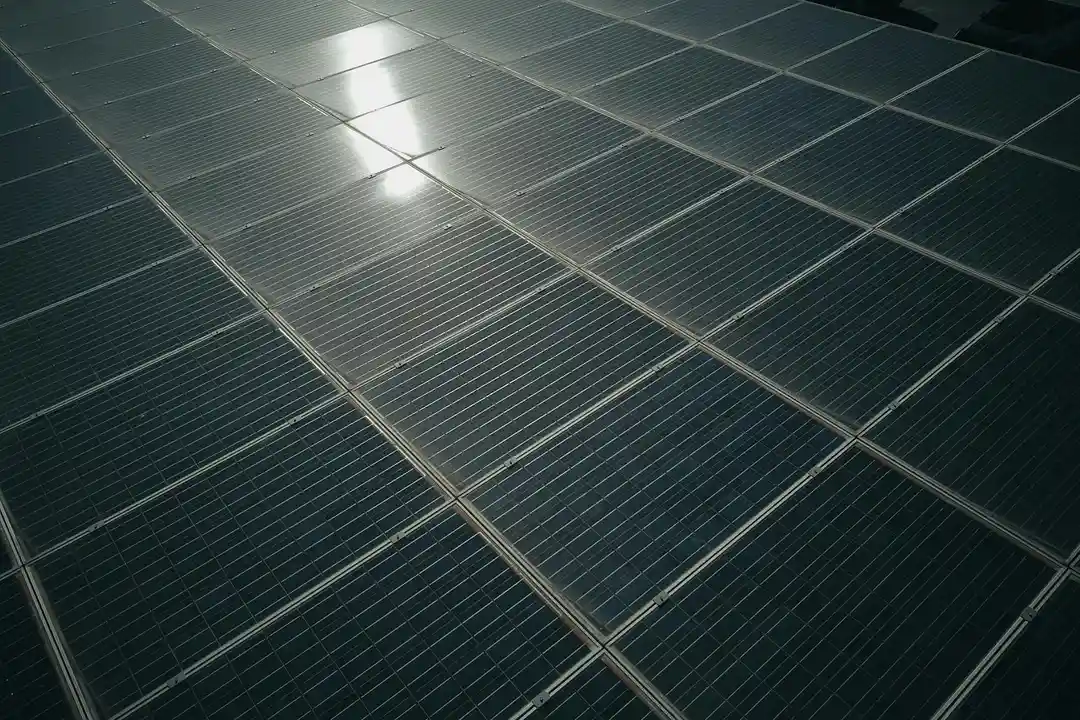
HOAs often focus on how solar installations look from the street and their impact on the community’s visual harmony.
Typical rules govern where panels can be placed to minimize their visibility. You might face restrictions against installing panels on the front roof slope or any section that faces a main road.
Setback requirements are another common hurdle, dictating how far panels must be from the roof’s edge.
Some associations have rules about roof penetrations, fearing potential leaks or structural damage. They may also regulate the color of the framing and backing sheets to ensure they blend with your roof.
- Placement rules that limit panels to rear-facing or low-visibility roof areas.
- Size limitations to prevent systems from dominating the roofline.
- Bans on ground-mounted systems in front or side yards.
- Requirements for specific, non-reflective materials and neutral colors.
State Laws and Solar Rights Provisions
Many states have passed laws to protect your right to use solar energy, even within an HOA.
These solar access laws specifically limit an HOA’s ability to prohibit solar installations. They often prevent outright bans but may allow for “reasonable” restrictions concerning placement and safety. It’s essential to understand what limits exist on HOA architectural control to know how far they can regulate your solar panels.
The legal concept of a solar easement ensures your access to sunlight isn’t blocked by a neighbor’s new construction or growing trees.
States like California, Arizona, and Texas have some of the strongest solar rights protections for homeowners. These laws recognize the public benefit of renewable energy and often supersede strict HOA covenants.
Steps to Gain HOA Approval for Solar Panels
- Review your HOA’s architectural guidelines and CC&Rs thoroughly before you get quotes.
- Submit a complete application with detailed plans, specifications, and a site diagram from your installer.
- Address any aesthetic concerns proactively by suggesting colors or placements that blend better.
- Appeal denials using the HOA’s formal due process procedures, citing your state’s solar rights law if applicable.
HOA Rules for Air Conditioners and HVAC Units

Typical AC Restrictions and Aesthetic Standards
HVAC units are frequent targets for HOA rules due to their size, noise, and visual impact.
Rules often dictate exactly where the condenser unit can be placed, typically in a side or rear yard. Associations usually require these units to be screened from view with landscaping, latticework, or specialty enclosures.
Noise level concerns are also common, with rules limiting decibel output to prevent disturbances.
HOAs are generally much stricter about window units because they disrupt the building’s uniform appearance. Many communities ban them entirely or restrict their use to specific, less-visible windows.
- Mandatory screening with approved materials like shrubs or fencing.
- Placement rules that keep units away from property lines and neighboring windows.
- Specific noise ordinances that your new unit must comply with.
- Outright bans on window-mounted air conditioning units.
Navigating HOA Compliance for HVAC Installations
- Check your CC&Rs for specific HVAC regulations before you purchase a new system.
- Obtain formal approval from the architectural review committee, even for a like-for-like replacement.
- Explore alternative placements with your HVAC contractor to find a spot that meets both technical and HOA guidelines.
- Understand the enforcement procedures and potential fines for installing a non-compliant unit.
HOA Guidelines for Accessory Dwelling Units (ADUs)
How HOAs Regulate ADU Development
Homeowners associations often have detailed covenants regulating the addition of new structures, and ADUs are no exception. These rules typically focus on preserving the community’s visual harmony and managing the impact of increased density.
- Common restrictions include strict limits on the total square footage of the ADU relative to the main house, requirements for matching exterior materials and roof pitches, and prohibitions on separate utility meters.
- Many HOAs also enforce occupancy rules, such as restricting ADU tenants to family members or caregivers, or outright banning short-term rentals like Airbnb to maintain a residential atmosphere.
Your HOA’s authority is not absolute and exists within a framework of local law. You must understand how your local government’s zoning ordinances and state ADU laws interact with your HOA’s covenants. In many cases, newer state laws designed to promote housing density can override older, more restrictive HOA rules. Additionally, run a quick HOA fair housing compliance checklist to verify your HOA’s compliance with state and federal fair housing laws to prevent discriminatory practices. Regular audits can catch issues early.
- Parking is a major point of contention, with HOAs often requiring additional dedicated parking spaces for the ADU, which can be difficult on smaller lots.
- Setback requirements from property lines might be more stringent in the HOA rules than in the city code, effectively limiting where you can build.
- Rental limitations are extremely common, with HOAs using them to control neighborhood turnover and perceived noise levels.
Strategies for ADU Approval in HOAs
Getting your ADU project approved requires a blend of research, diplomacy, and smart planning. A proactive approach significantly increases your chances of success.
- Thoroughly research state and local ADU laws first. Many states, including California, Oregon, and Washington, have passed laws that explicitly prevent HOAs from banning ADUs altogether. Arming yourself with this knowledge gives you a powerful foundation for your request.
- When you present your plans to the architectural review committee, go beyond the basic blueprints. Include detailed renderings, samples of exterior finishes, and landscape plans that show how the ADU will blend seamlessly with your existing home and the neighborhood.
- Anticipate your neighbors’ concerns about construction noise, parking congestion, and privacy. Address these issues head-on in your proposal by outlining a construction management plan, explaining your parking solution, and showing privacy screens or fencing.
- If your CC&Rs are outdated and prohibit ADUs entirely, you can campaign to amend them. This involves building consensus among your neighbors and following the official process for a homeowner vote, which can modernize the rules for everyone’s benefit.
Homeowner Rights and Legal Recourses
Understanding Your Protections Against HOA Restrictions
As a homeowner, you have specific rights that protect you from arbitrary or unfair enforcement of HOA rules. Knowing these rights is your first line of defense. It’s important to familiarize yourself with the Homeowner’s Bill of Rights.
- You have due process rights, which means the HOA must provide you with proper written notice of any violation and a fair opportunity to be heard, often in front of the board, before imposing fines or other penalties.
- Fair housing laws can come into play if an HOA restriction disproportionately impacts individuals with disabilities. For example, denying a reasonable accommodation request for an ADU to house a live-in caregiver could be a violation of federal law.
- Many states have enacted statutes that specifically limit HOA power over certain homeowner activities. These “right to dry” laws for clotheslines or solar access acts for panels are prime examples, and similar protections are increasingly being extended to ADUs.
When HOA Rules Conflict with Local Ordinances
HOA covenants are powerful, but they are not superior to applicable local, state, or federal laws. A conflict arises when your HOA’s rules are more restrictive than the government’s, which brings into question the legal powers and limitations of an HOA.
- Local laws generally trump HOA covenants when there is a direct conflict. Think of it this way: your city’s building code sets the minimum safety standard, and your HOA’s rules are an added layer of aesthetic control. The HOA cannot force you to violate the building code to comply with its covenants.
- For example, if your local fire code requires a specific width for a driveway and the HOA’s rule demands a narrower one, the fire code wins. Similarly, if a state law grants you the right to build an ADU, an HOA covenant that completely bans them is likely unenforceable.
- To document a conflict, gather copies of the specific HOA rule and the conflicting government statute or ordinance. Present this documentation in writing to your HOA board. If they refuse to acknowledge the conflict, your next step may be to file a complaint with the relevant local government agency or seek legal counsel.
Practical Steps to Address HOA Restrictions

How to Challenge Unreasonable HOA Rules
- Document all communications and decisions carefully
Start a dedicated folder for every email, letter, and meeting minute related to your request. Keeping a detailed, time-stamped record creates a powerful paper trail if you need to escalate your case. This includes noting phone call dates, who you spoke with, and what was discussed.
- Request formal hearings and appeal processes
Your HOA’s governing documents outline specific procedures for challenging decisions. Formally requesting a hearing with the board puts your issue on the official record and forces a direct response. Do not let your request get lost in informal conversations; insist on using the established channels. To prepare, review your HOA’s hearing rights procedures. Gather any required documents and note deadlines.
- Gather homeowner support for rule changes
You are likely not the only one affected by an outdated rule. Building a coalition of fellow homeowners gives your position significantly more weight and shows the board this is a community-wide concern. Circulate a petition, talk to neighbors, and present a united front at board meetings. Do communicate rule changes effectively to all homeowners, using clear language and multiple channels. Share a plain-English summary of what will change and why it matters.
- Consult with attorneys specializing in HOA law
If the board remains unyielding on a restriction that may violate state law, get professional advice. An attorney who knows HOA law can provide a definitive opinion on your rights and the most effective path forward, which may include mediation or a legal challenge. Many offer initial consultations to review your documents.
Working Within the System for Approval
- Study architectural review committee criteria
Before you submit anything, get a copy of the ARC guidelines and application. Understanding the specific aesthetic and placement criteria they use to judge applications prevents immediate rejection for minor technicalities. Look for approved projects similar to yours as a model.
- Propose compromise solutions that address HOA concerns
Think about the board’s perspective-they want to maintain property values and community harmony. Offering a compromise, like using a specific color for solar panel frames or screening for an AC unit, shows you are a reasonable partner. This collaborative approach is often more successful than a rigid demand.
- Follow all submission and compliance procedures exactly
Do not skip steps or submit incomplete forms. Precision in your application demonstrates respect for the process and makes it easier for the committee to approve your project without extra work on their end. Include all required site plans, product brochures, and neighbor notifications.
- Maintain professional communication throughout the process
Even if you feel frustrated, keep all interactions polite and businesslike. Professional communication builds goodwill and keeps the focus on the merits of your request, not on personal conflicts. A respectful dialogue can turn board members from adversaries into allies for your project.
FAQs
Can my HOA completely ban solar panels?
No, in many states, HOAs cannot outright prohibit solar panel installations due to solar rights laws. These laws often prevent bans but allow reasonable restrictions on placement and appearance.
What common restrictions do HOAs impose on solar panels?
HOAs frequently limit solar panels to rear-facing roofs and require specific colors to blend with your home. They may also enforce setback rules or ban ground-mounted systems in visible areas.
How do state laws protect my right to install solar panels in an HOA?
Many states have solar access laws that override HOA covenants to support renewable energy use. These provisions ensure HOAs cannot unreasonably deny solar installations, though they can regulate for safety and aesthetics. This is especially important given how HOA rules and regulations can affect various aspects of community living.
What should I do if my HOA denies my solar panel request?
First, appeal the decision formally through your HOA’s process and provide detailed plans addressing their concerns. If the denial seems unreasonable, reference your state’s solar rights law or consult an HOA attorney for guidance.
Your Action Plan for HOA Requests
Always begin by carefully reviewing your HOA’s specific governing documents to understand any stated limitations. Being prepared helps you handle disputes with your HOA more effectively. This groundwork also strengthens your negotiation with the board. For disputed items like solar panels, research your state’s laws, as many provide protections that can help you successfully make your case to the board.
Further Reading & Sources
- HOA Restrictions & Guidelines for Solar Panels
- State Regulations of Homeowners Associations’ Abilities to Restrict Solar Panels
- Solar Access Laws by State: Can Your HOA Stop Your Solar Panels?
- Solar panels and HOAs: Know your rights
Brandon has been on both ends of HOA, as part of it, he has helped build his community in Oregon, while also helping other homeowners deal with typical and atypical issues one might face. He has 8+ years of experience dealing with HOAs himself and on behalf of his friends and family, and he brings his extensive expertise and knowledge to make your HOA interaction seamless and smooth.
HOA Governing Documents