
Do HOAs File Tax Returns? Understanding Form 1120-H
Yes, most Homeowners Associations must file a federal tax return, typically using Form 1120-H. While your HOA is a non-profit organization, the IRS still requires it to report its income. This special form is designed specifically for HOAs and can offer significant tax advantages.
You might wonder why a non-profit HOA needs to file taxes at all. Even though your association isn’t designed to make a profit, it still generates income from dues, fees, and sometimes community facilities. The IRS views this as taxable income unless it’s reported correctly. Filing the proper return keeps your HOA compliant and in good standing.
Navigating HOA taxes can feel complex, but getting it right protects your community’s finances. This guide breaks down everything you need to know. We will explore the critical differences between Form 1120-H and the standard corporate return, Form 1120. You’ll learn about the specific exemptions available and how to qualify for them. We also provide clear steps to ensure your HOA files correctly and avoids common, costly mistakes. Understanding these rules is key to sound financial management.
What Is Form 1120-H and Why Do HOAs Use It?
Form 1120-H is the specific income tax return created by the IRS for homeowners associations. This special form treats your HOA as a social and recreational organization, not a standard corporation, which fundamentally changes how its income is taxed. It operates under section 528 of the U.S. tax code, a provision designed specifically for the unique financial structure of community associations, like homeowners associations.
Most HOAs are organized as non-profit corporations, but that doesn’t automatically mean they are tax-exempt. Filing with Form 1120-H is an annual election you make, and it’s often the most advantageous path for an active community. It simplifies your tax life by offering a clear framework for reporting.
- Simplified Reporting: The form is less complex than the standard corporate Form 1120, requiring fewer schedules and calculations.
- Lower Tax Rates: Exempt Function Income, like member dues, is taxed at a flat 30% rate on the net amount after allowable deductions.
- Deduction Clarity: It provides clear, specific deductions for essential HOA expenses like maintenance, management fees, and reserves.
Who Must File Form 1120-H? Eligibility and Requirements
Not every community group needs to file this form. Your HOA must meet three core tests to be eligible to use Form 1120-H: organizational, operational, and election. The organizational test requires that your governing documents restrict your property to residential use and grant membership to all property owners. These founding documents—such as articles of incorporation and bylaws—establish how the HOA is legally formed and what powers it has. They also define who is a member and how governance works.
The operational test demands that at least 60% of your HOA’s gross income comes from member dues, fees, and assessments. You must also spend at least 90% of your annual expenses on property acquisition, maintenance, and community operations. If you meet these, you can elect to file using Form 1120-H. In villages, these HOA fees requirements dictate how much residents contribute and how funds are allocated to common areas. Keeping dues transparent and aligned with these rules helps ensure ongoing compliance.
- Mandatory Filing: An HOA with gross income of $1,500 or more annually must file some version of a corporate tax return.
- Exemption Option: Some HOAs pursue 501(c)(4) social welfare organization status for full tax exemption, but this requires that no net earnings benefit any private individual and activities are exclusively for community welfare.
- Income Thresholds: Even if your income is below $1,500, you may still need to file a return to report your activity and maintain good standing.
Understanding HOA Income: Exempt vs. Nonexempt Function Income
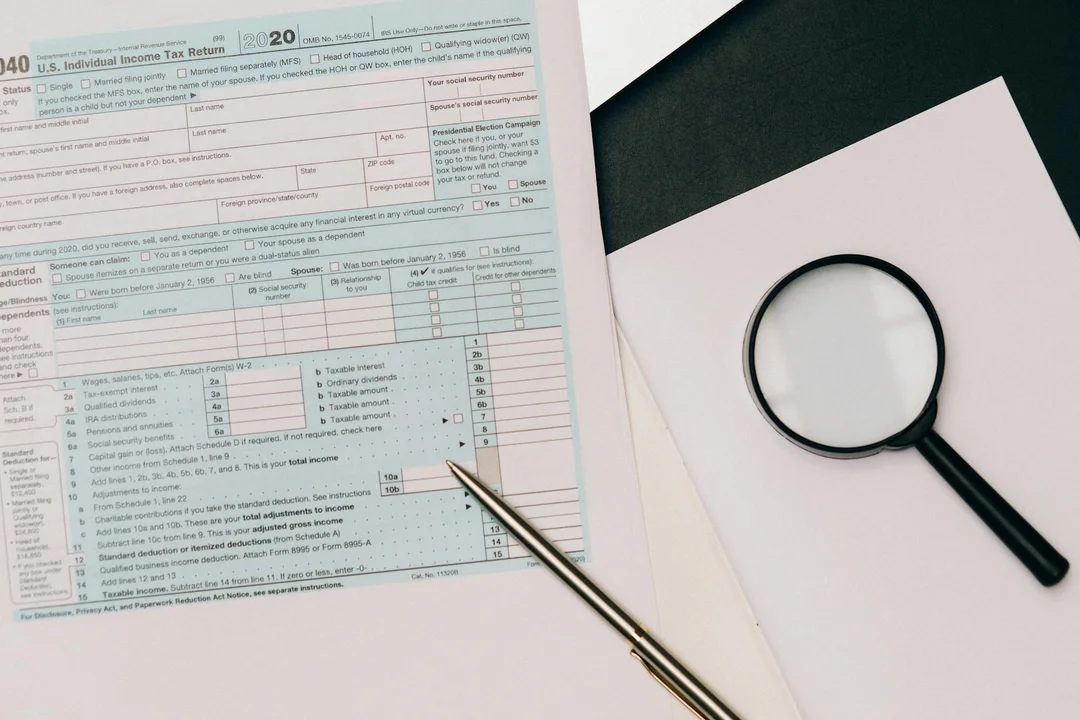
The entire tax calculation on Form 1120-H hinges on how you classify your HOA’s revenue. Exempt Function Income (EFI) is the money you receive from homeowners for the direct purpose of running the community. This is your core operational funding and is taxed at a lower, preferential rate.
In contrast, Nonexempt Function Income (NEFI) is revenue from sources outside your primary mission. This type of income is taxed at the standard corporate income tax rates, which can be significantly higher. Correctly separating these two streams is the most critical step in preparing your HOA’s taxes.
- Exempt Function Income (EFI) Examples: Regular member dues and assessments, special assessments for capital projects, fees for using common facilities like a pool or clubhouse.
- Nonexempt Function Income (NEFI) Examples: Income from renting out a community room to an outside party, revenue from vending machines, interest income from reserve accounts over $100, and fees from non-members using amenities.
Follow these steps to classify your income correctly. First, review all revenue sources from your profit and loss statement for the fiscal year. Identify each stream’s origin and purpose.
- Categorize all income collected from members for the maintenance and management of common areas as EFI.
- Isolate any income earned from commercial activities or from non-members and label it as NEFI.
- Consult with a tax professional experienced in HOA accounting to verify your classifications, especially for complex or borderline cases.
Tax Treatment and Deductions on Form 1120-H
Your HOA’s income falls into two distinct categories for tax purposes, and understanding this split is fundamental.
Exempt Function Income (EFI) is the money you collect from members for regular operational purposes, like dues, fees, and special assessments for maintenance. This type of income is generally tax-exempt on Form 1120-H.
Non-Exempt Function Income (NEFI), however, is the revenue your HOA generates from non-members or from activities not central to your core purpose. This income is taxed at a flat 30% corporate rate. Common examples include:
- Income from renting your community hall to an outside party.
- Interest earned on your HOA’s reserve savings accounts.
- Fees collected from non-residents using your pool or tennis courts.
You can deduct many of your regular operating expenses against your NEFI to lower your taxable income.
Deductible operating expenses are the day-to-day costs of running your association and keeping the property in good condition. These are fully deductible. Common deductible expenses include:
- Landscaping and pool maintenance services.
- Insurance premiums for the common areas.
- Management fees and professional services (like legal and accounting).
- Utilities for common areas like streetlights and clubhouses.
- Office supplies and administrative costs.
Calculating your final tax bill involves subtracting your deductible expenses from your NEFI.
To calculate your tax, you apply the 30% corporate tax rate to your net NEFI, which is your gross non-exempt income minus all allowable deductions. The form itself walks you through this calculation step-by-step.
Be particularly careful with unrelated business income (UBI), which is a specific type of NEFI.
Unrelated business income is revenue from a trade or business that is regularly carried on and is not substantially related to your HOA’s exempt function. An example would be regularly selling merchandise to the public from a dedicated HOA-run store. This income must be reported and is subject to tax.
Filing Process: Deadlines, Methods, and Penalties

The IRS operates on a strict schedule, and your HOA must adhere to it to stay in good standing.
The filing deadline for Form 1120-H is the 15th day of the fourth month following the close of your tax year. For most HOAs using the calendar year, this means the return is due by April 15th.
If you need more time, you can file for an automatic extension.
You can receive an automatic 6-month extension by filing IRS Form 7004 by your original due date, moving your deadline to October 15th for calendar-year filers. Remember, an extension to file is not an extension to pay any tax you might owe.
The IRS strongly encourages electronic filing for speed, accuracy, and confirmation of receipt.
Electronic filing options are available through most tax professionals or IRS-approved software providers, which is the fastest and most secure submission method. You can also still mail a paper return if necessary, but processing times will be significantly longer.
Failing to meet your obligations can lead to costly consequences.
Penalties for late filing are steep, starting at 5% of the unpaid tax for each month or part of a month the return is late, up to a maximum of 25%. There is also a separate penalty for late payment of any tax due.
Accuracy is just as critical as timeliness.
Errors on your return, especially those that underreport income, can trigger accuracy-related penalties of 20% of the underpayment. Keeping meticulous financial records throughout the year is your best defense against these mistakes.
The most severe penalties are reserved for complete non-compliance.
Non-compliance, such as consistently failing to file, can lead to the IRS assessing taxes under the higher corporate rates of Form 1120 and potentially revoking your HOA’s tax-favored status. This would create a significant financial burden for the entire association. Additionally, not following HOA bylaws can trigger fines, enforcement actions, or legal remedies that affect all members and the governance of the community. These governance-related consequences can compound the financial strains already described.
Record-Keeping and Compliance Best Practices
Maintaining meticulous records is your strongest defense against tax headaches and potential audits. Proper documentation transforms a stressful tax season into a straightforward administrative task. You will need to track every financial transaction your HOA handles throughout the year, which is one of the key responsibilities of the HOA treasurer.
Essential Records to Maintain
Create a dedicated system, whether digital or physical, for these critical documents. Your financial paper trail should be so clear that any board member could understand it at a glance. Keep these records for at least seven years to satisfy IRS requirements.
- Detailed logs of all member assessments (dues) received.
- Invoices and receipts for every single operating expense.
- Bank and investment account statements with all transactions.
- Documentation for reserve fund contributions and expenditures.
- Records of any non-member income, like clubhouse rental fees.
- Minutes from board meetings where financial decisions were made.
- Copies of filed tax returns and related supporting paperwork.
Steps for Accurate Reporting and Avoiding Audits
Accuracy starts long before you fill out any tax forms. Implementing a consistent monthly closing procedure is the single most effective way to ensure accuracy. Follow these steps to build a bulletproof process.
- Reconcile all bank accounts by the 10th of each following month.
- Categorize every expense correctly as either operational or for the reserve fund.
- Review the income ledger to ensure all member payments are accounted for.
- Set a deadline for your tax preparer that is at least one month before the actual filing date.
- Conduct a preliminary year-end financial review in December to identify any discrepancies early.
HOA Governance Tips for Tax Compliance
Good governance and tax compliance go hand in hand. A well-run HOA board naturally creates the documentation needed for seamless tax filing. Transparent financial reporting is a hallmark of best practices in HOA management, ensuring homeowners see where funds are going. Regularly publishing summaries and maintaining accessible records builds trust. Your governing policies should explicitly support your financial reporting duties.
- Form a finance committee to provide oversight on all monetary matters.
- Adopt a clear chart of accounts that aligns with the categories on Form 1120-H.
- Require two board members to sign off on any major expenditure.
- Schedule an annual review of your tax filing status with your CPA.
- Ensure your governing documents reflect your current tax-filing practices.
Resources for Form 1120-H and Professional Guidance

You do not have to navigate HOA taxation alone. A wealth of official resources exists to help you understand your obligations and options. The IRS provides specific guidance tailored to organizations like yours. When you search online, look for official government pages and reputable HOA resources to ensure you’re finding accurate information. These sources are among the best online resources for HOA guidance and tax details.
IRS Resources
Bookmark these essential tools directly from the source. The IRS website is your most reliable repository for the latest forms, instructions, and updates. These documents are updated annually, so always confirm you have the correct year’s version.
- IRS Form 1120-H and its accompanying instructions booklet.
- Publication 557, Tax-Exempt Status for Your Organization.
- The IRS Life Cycle of an Exempt Organization interactive tool.
- Instructions for Form 1120, for comparison if considering the corporate return.
- The IRS online search tool for tax-exempt organizations.
When to Consult a Tax Professional
Some situations demand expert intervention. Hiring a qualified CPA familiar with community associations is an investment in peace of mind. Their expertise can save you from costly mistakes and penalties.
- You receive an IRS notice or audit inquiry.
- Your HOA engages in significant non-member income activities.
- You are considering a change in your tax filing status (e.g., from 1120-H to 1120).
- Your association has complex financial dealings, like taking out a large loan.
- There is uncertainty about how to classify a major capital improvement project.
Tools for Ongoing HOA Tax Management
Leverage technology to simplify your financial oversight. Modern HOA management software can automate much of the data collection required for tax preparation. The right tools integrate record-keeping directly into your daily operations. For self-managed associations, these essential tools streamline vendor payments, compliance tracking, and member communications. Choosing the right software bundle is key to staying organized and compliant.
- Specialized HOA accounting software (e.g., Caliber, CINC, AppFolio).
- Cloud-based document storage systems like Google Drive or Dropbox for secure record retention.
- Digital payment platforms that automatically log member income.
- Shared calendar systems to track important tax deadlines for the board.
- Expense tracking apps that sync with your association’s bank accounts.
FAQs
What is exempt function income (EFI)?
Exempt Function Income (EFI) is revenue your HOA earns from members for essential community operations, such as dues and assessments. This income is generally not subject to federal income tax when reported on Form 1120-H.
What is nonexempt function income (NEFI)?
Nonexempt Function Income (NEFI) includes earnings from activities not central to your HOA’s purpose, like renting facilities to non-members or interest on reserves. NEFI is taxed at a flat 30% rate on the net amount after allowable deductions.
When is Form 1120-H due?
Form 1120-H must be filed by the 15th day of the fourth month after your HOA’s tax year ends. For calendar-year associations, this deadline is typically April 15th. Beyond tax deadlines, you may wonder how long HOA approvals take. Timelines vary by board and project, but many approvals run from a few weeks to a couple of months.
What penalties apply for late filing or errors on Form 1120-H?
Late filing incurs a penalty of 5% of unpaid tax per month, up to 25%, while errors can lead to a 20% accuracy-related penalty. Consistent non-compliance may result in higher taxes or loss of tax-favored status.
Your HOA Tax Filing Checklist
Your HOA must file an annual tax return, typically using IRS Form 1120-H to report its financial activity. If you’re looking to understand how to read and interpret those financials, follow our step-by-step guide on how to request and read HOA financial statements. This will help you prepare for tax time and financial reviews. Consulting with a tax professional familiar with HOA regulations ensures you correctly apply any available exemptions and avoid costly penalties.
Further Reading & Sources
- About Form 1120-H, U.S. Income Tax Return for Homeowners Associations | Internal Revenue Service
- Form 1120-H Instructions: Tips & Tricks to Stay Out of Trouble »
- Instructions for Form 1120-H (2024) | Internal Revenue Service
- Form 1120-H – Filing for Homeowners Association
Brandon has been on both ends of HOA, as part of it, he has helped build his community in Oregon, while also helping other homeowners deal with typical and atypical issues one might face. He has 8+ years of experience dealing with HOAs himself and on behalf of his friends and family, and he brings his extensive expertise and knowledge to make your HOA interaction seamless and smooth.
Legal Resources