
Public vs. Private Streets: Can an HOA Enforce Traffic Rules on Public Roads?
Generally, an HOA cannot enforce its own traffic rules on public roads. Public streets are owned and regulated by local government entities like your city or county. Your HOA’s authority typically ends at the property line of your community’s private streets and common areas.
You might wonder if posting HOA speed limit signs on a public road changes anything. It does not. Even with signs, your HOA lacks the legal power to issue fines or penalties for traffic violations occurring on a public street. Only official law enforcement can enforce traffic laws in these areas.
This distinction between public and private property creates many practical challenges for communities. We will explore how to identify who owns your streets and what your HOA can realistically do about speeders and other traffic concerns. You will learn effective strategies for collaboration with local authorities and discover the legal limits of HOA power. Understanding these boundaries is the first step toward creating a safer neighborhood for everyone.
Defining Public and Private Streets in Your Community
Knowing who owns the road in front of your house is the first step to understanding the rules. This distinction between public and private directly determines what authority your HOA actually holds. The type of street dictates everything from who fixes potholes to who can issue a speeding ticket.
Public Streets
Public streets are owned and maintained by a local government entity, like your city or county. Your tax dollars fund their upkeep and repairs.
- They are dedicated to public use.
- Local police enforce traffic laws here.
- The public works department handles maintenance like resurfacing and snow plowing.
Private Streets
Private streets are owned and maintained by the homeowners association or a specific group of residents. The financial responsibility for all maintenance falls entirely on the homeowners within the community. This is a critical difference that often affects HOA fees.
- The HOA is responsible for paving, lighting, and repairs.
- These roads are typically within a gated community or a specific subdivision.
- Access may be restricted to residents and their guests.
HOA Jurisdiction Over Traffic Rules on Roadways
Your HOA’s power to control traffic depends almost entirely on the street’s classification. Their authority does not magically extend beyond the community’s private property.
On private streets, your HOA has broad authority to create and enforce traffic rules. Since the association owns the road, it can set regulations to promote safety and preserve property values. You will often find these rules detailed in the Covenants, Conditions, and Restrictions (CC&Rs) or HOA bylaws.
Common HOA Traffic Rules on Private Roads:
- Establishing speed limits and installing speed bumps.
- Prohibiting street parking or requiring parking permits.
- Banning commercial vehicles or boat trailers from parking on the street.
- Regulating the use of golf carts or other low-speed vehicles.
On public streets, the situation changes dramatically. Your HOA cannot directly enforce moving violations like speeding or stop sign infractions on a public road. That power belongs solely to local law enforcement. An HOA cannot issue a ticket that goes on your driving record or that you pay to the city. HOA violations are different from city code violations, which carry legal penalties.
Legal Limits to HOA Enforcement on Public Streets
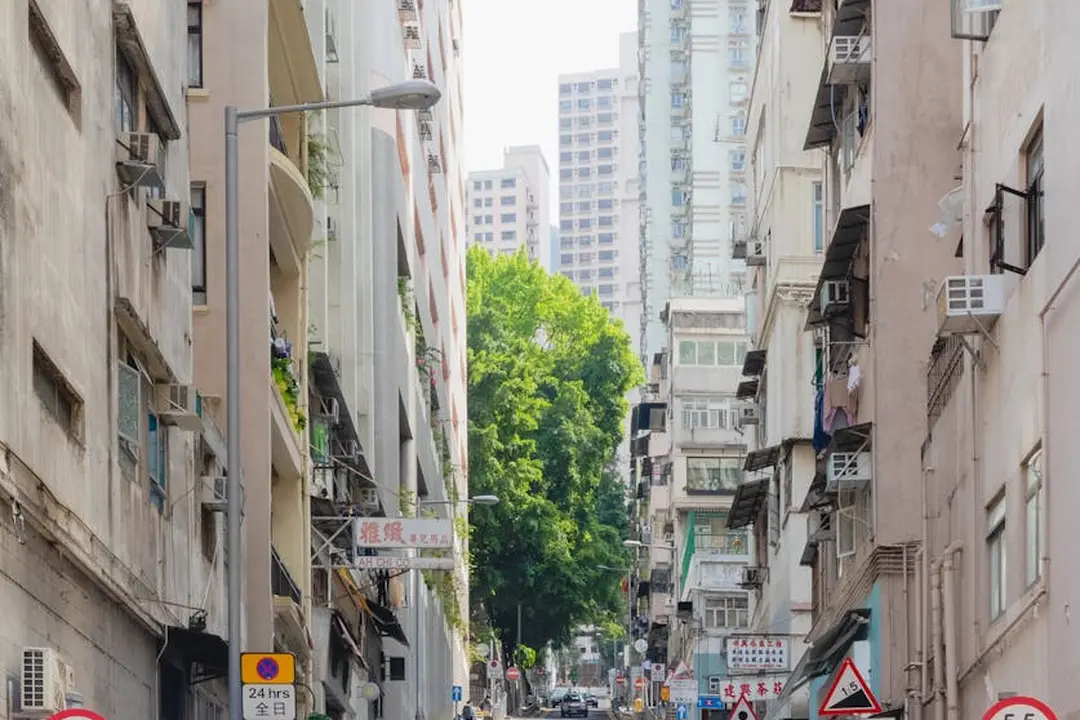
HOAs often run into legal barriers when their rules touch public property. Understanding these limits protects you from overreach and helps the association avoid costly legal disputes. Knowing the legal boundaries of HOAs is essential for effective governance.
An HOA’s governing documents only bind the properties and residents within the community, not public land. This is a fundamental legal principle. They do not own public streets or land, so any rule that attempts to regulate activity exclusively on a public street is likely unenforceable.
Where HOAs Cross the Line:
- Issuing fines for speeding on a city-owned road.
- Ticketing a non-resident’s car parked legally on a public street.
- Placing unauthorized “Stop” or “Speed Limit” signs on public infrastructure.
However, HOAs are not completely powerless regarding public road issues. They can work as a liaison with local government to request official traffic studies, additional police patrols, or new signage. This collaborative approach is often the most effective way to address genuine safety concerns.
Another gray area involves rules that start on your private property and extend to public view. An HOA can often prohibit parking an RV on your own driveway if it’s visible from the street, as this rule governs your property. But they typically cannot ban you from parking that same RV on the public street in front of your house, as that is public domain. Understanding these nuances helps you avoid common parking mistakes that can trigger fines or towing by your HOA.
Effective Alternatives for Managing Traffic Safety
Your HOA cannot issue tickets or make arrests on public streets, but you can adopt powerful, community-focused strategies to enhance safety. Proactive measures like installing speed display signs or organizing neighborhood watch programs often lead to noticeable reductions in reckless driving.
Proven Safety Measures Your HOA Can Implement
- Request radar speed signs from your local public works department that flash vehicle speeds.
- Organize a “Slow Down” campaign with yard signs and community pledges.
- Partner with local police for occasional speed enforcement or radar trailers.
- Improve visibility by trimming public right-of-way vegetation obstructing views.
- Fund additional street lighting through municipal agreements for better nighttime safety.
Many communities find that visible, educational approaches create lasting change without legal overreach. Consistent communication about shared safety goals helps build a culture of cautious driving among residents and visitors alike.
Liability Risks of HOA Traffic Enforcement Actions

When HOAs attempt direct traffic enforcement on public roads, they open themselves to significant legal and financial dangers. If a volunteer’s attempt to direct traffic causes an accident, your association could face massive liability claims from injured parties.
Homeowners might sue the HOA for creating hazards through unauthorized speed bumps or signs that confuse drivers. Issues on common property like sidewalks, entrances, and shared facilities can lead to injuries on common property for which the HOA may be held liable. Courts often hold associations responsible for any injuries resulting from well-intentioned but illegal safety measures.
- Legal action from municipalities for interfering with public infrastructure management
- Insurance policy cancellations due to unauthorized risk-taking activities
- Personal liability for board members who approved improper enforcement actions
- Costly lawsuits from non-residents injured by HOA-created traffic obstacles
Even posting “Neighborhood Watch” signs requires careful placement to avoid obstructing official traffic control devices. Always consult your association’s attorney before implementing any traffic-related initiatives near public streets.
Steps to Address Traffic Issues on Public Streets
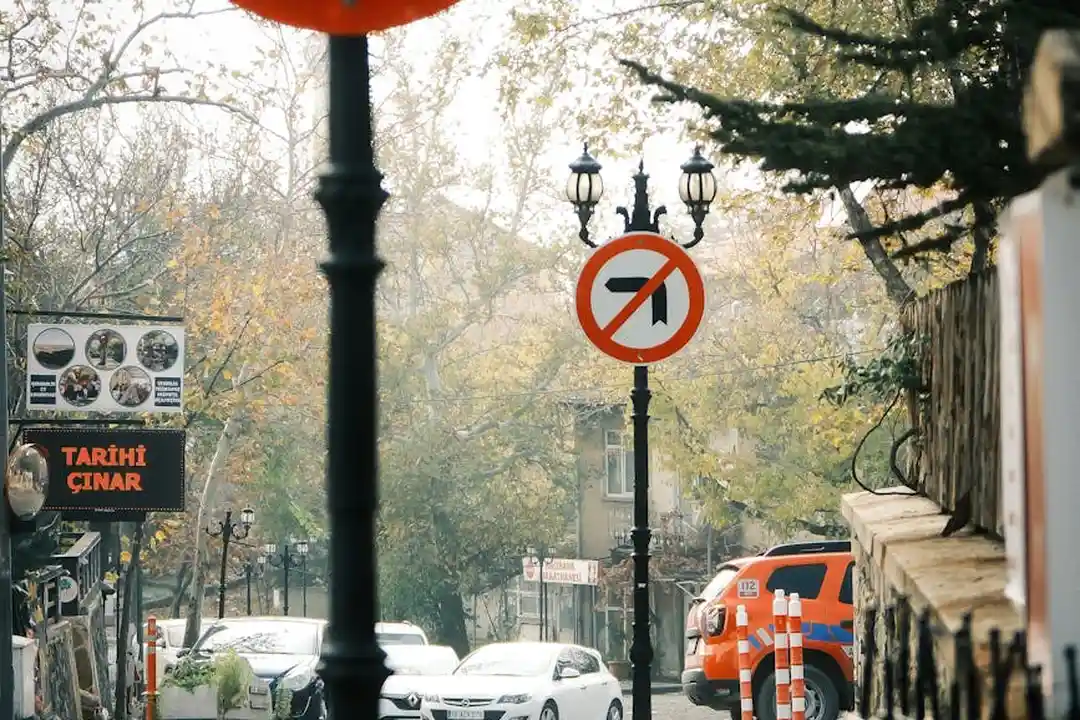
Successfully resolving traffic concerns requires a systematic approach that respects jurisdictional boundaries. Begin by gathering specific data about the problem before approaching local authorities with your findings.
- Document the issue for 2-3 weeks with dated photos, videos and incident logs
- Collect signatures from concerned residents to demonstrate community support
- Research local traffic laws and identify the appropriate municipal department
- Schedule a meeting with traffic engineers or police with your documented evidence
- Propose specific solutions like crosswalks, stop signs or speed studies
- Follow up consistently and offer HOA resources for approved safety projects
Many cities have formal processes for requesting traffic calming measures that your HOA can leverage. Building positive relationships with local officials often leads to faster responses and collaborative solutions.
If initial requests get denied, ask for the specific reasons and explore alternative options together. Persistence paired with solid data makes your case much stronger with municipal decision-makers.
FAQs
What types of traffic rules can an HOA enforce on private streets?
An HOA can set rules like speed limits, parking restrictions, and vehicle type bans on its private roads. These rules are binding because the HOA owns and maintains the private infrastructure.
Do HOA traffic rules apply to tourists and non-residents?
On private streets, yes, all drivers, including tourists, must comply with HOA traffic regulations. However, the HOA cannot enforce any rules on public roads, regardless of who is driving. Non-members visiting or using the private streets are still subject to HOA rules for non-members and can be fined for violations. This enforcement extends to non-members on HOA property just as it does to members.
Is there a standard chart or guide for HOA traffic rules?
No, each HOA develops its own rules, which are unique to the community’s needs and documents. Homeowners should check their CC&Rs or bylaws for a complete summary of applicable traffic guidelines, as outlined in HOA rules and regulations.
How do HOA traffic rules regulate motorcycles and bicycles?
HOAs may impose rules on two-wheelers for safety, such as designated lanes or noise limits on private streets. Any such regulations must be explicitly defined in the HOA’s governing documents to be valid and enforceable. Many homeowners also wonder whether HOA fines are legally enforceable. It’s important to know what fines are allowed and what due process applies under the governing documents and state law.
Navigating Traffic Enforcement Limits
Your HOA’s authority ends where the public street begins, placing traffic rule enforcement firmly in the hands of local government. Your HOA’s real power lies in persistent advocacy with city or county officials and proactive communication with residents about public road safety.
Further Reading & Sources
- Traffic Enforcement in Homeowner Associations – HOA-USA
- Does a Homeowner’s Association (HOA) have authority to restrict public street parking? – Quora
- Parking Enforcement by Homeowners’ Associations – Homeowners Protection Bureau, LLC
- HOA Public vs Private Streets: A Matter Of Parking And Security
Brandon has been on both ends of HOA, as part of it, he has helped build his community in Oregon, while also helping other homeowners deal with typical and atypical issues one might face. He has 8+ years of experience dealing with HOAs himself and on behalf of his friends and family, and he brings his extensive expertise and knowledge to make your HOA interaction seamless and smooth.
State Regulations