What to Do When Your HOA Board Exceeds Its Authority
When your HOA board oversteps its legal boundaries, immediately review your governing documents to verify the board’s powers and then send a polite, written inquiry to request clarification or reversal of the action. This initial step often resolves issues without conflict.
If the board ignores your letter or defends its position, start keeping a detailed record of all interactions, including dates, emails, and meeting minutes, to build a strong case for any future disputes. Proper documentation is your best ally in proving overreach.
Navigating HOA conflicts can be confusing, but taking the right actions protects your home and peace of mind. This guide breaks down practical steps to address authority abuses, from gathering evidence to exploring mediation or legal help, so you can respond confidently and effectively. Read on to learn how to identify common oversteps, communicate with your board, and understand when to escalate matters.
Recognizing the Signs of HOA Board Overreach
An HOA board stepping beyond its legal boundaries often leaves clear, frustrating clues. You can spot board overreach when new rules appear suddenly without a homeowner vote or proper notice. This bypasses the democratic process outlined in your governing documents. When common HOA bylaw violations occur, homeowners should know how to handle them. Document the issue, follow the dispute-resolution process in your governing documents, and seek mediation if needed.
Watch for inconsistent rule enforcement targeting specific residents while ignoring others. Selective enforcement is a major red flag that the board is acting arbitrarily, not administratively. This creates an unfair environment and undermines community trust.
Be wary of the board making major financial decisions without member input. A board exceeding its authority might approve special assessments or large expenditures without following proper budgeting or voting procedures. Your wallet feels the direct impact of these unauthorized actions.
- Creating new rules that contradict your CC&Rs or bylaws.
- Imposing fines for violations not explicitly defined in the governing documents.
- Restricting your use of private property in ways not covered by existing covenants.
- Spending reserve funds on projects not approved in the budget.
- Holding closed-door meetings for topics legally required to be discussed openly.
Your First Steps: Gathering Information and Evidence
Before you make any formal challenge, build your case with solid proof. Your first action should be to obtain a complete, current copy of your HOA’s governing documents-the CC&Rs, Bylaws, and Rules & Regulations. These are the rulebooks that define the board’s power. They also reveal the limits of that power under state law and the HOA’s own documents. Understanding these limits helps you determine whether a proposed action is within the HOA’s legal powers.
Document every interaction related to the issue. Keep a detailed log with dates, names, and summaries of all conversations with board members or property managers. This creates a timeline that is difficult to dispute later.
Save every piece of written communication you receive. Emails, violation letters, and meeting minutes are your most powerful tools for demonstrating the board’s actions. If a rule is being enforced selectively, gather evidence showing other homes with the same violation that were ignored.
- Formally request all relevant HOA records, including meeting minutes and financial reports.
- Take clear, date-stamped photographs that support your position.
- Identify and speak with other homeowners who may have experienced similar issues.
- Research your state’s specific laws governing homeowners associations.
- Compile all your findings in an organized folder, both digital and physical.
Formal Internal Challenges and Appeals
Once your evidence is organized, use the HOA’s own internal process to challenge the decision. Formally requesting a hearing with the board is your right and often the fastest path to a resolution. This shows you are following proper procedure and gives the board a chance to self-correct. Understanding the steps in the HOA dispute resolution process can help you plan your next moves. It also clarifies what to expect at each stage, so you can act with confidence.
Submit a written request for an appeal based on the procedures in your bylaws. Politely and professionally present your documented evidence to show how the board’s action conflicts with the governing documents. Stick to the facts and avoid emotional arguments to maintain credibility.
Drafting an Effective HOA Overreach Letter
A well-written letter is your most powerful weapon in an internal dispute. Your overreach letter must directly quote the specific sections of the CC&Rs or bylaws that the board has violated. This shifts the discussion from personal opinion to legal and contractual fact.
Maintain a firm but respectful tone throughout the document. Clearly state the problematic action, cite the governing document clause it violates, and propose a reasonable solution. You are more likely to achieve a positive outcome if the board sees you as reasonable, not confrontational.
- Use a standard business letter format with dates and proper addresses.
- Begin with a clear subject line, such as “Formal Appeal of [Specific Violation or Action]”.
- Reference your previous attempts to resolve the matter informally.
- Attach copies of your supporting evidence, like photos or other violation notices.
- Request a written response by a specific date, typically 15-30 days.
- Send the letter via certified mail to create a verifiable paper trail.
External Remedies and Legal Recourse
Understanding State-Specific HOA Laws
Your first line of defense against an overreaching board is a deep dive into your state’s laws. Every state has its own set of statutes, often called the Planned Community Act or Condominium Act, that specifically govern what an HOA can and cannot do. These laws act as the ultimate rulebook, superseding any incorrect provisions in your own governing documents.
You need to find the specific statutes for your state. They typically cover critical areas like:
- Financial operations and the limits of special assessments.
- Board meeting requirements, including proper notice and homeowner attendance rights.
- The exact process for imposing and collecting fines.
- Rules for amending covenants and restrictions.
Look up your state’s Department of Real Estate or a similar agency’s website for resources. Knowing the legal boundaries empowers you to challenge the board with confidence, using the state’s own words as your evidence. This knowledge transforms a subjective complaint into a clear-cut violation.
The Process of Board Member Removal or Recall
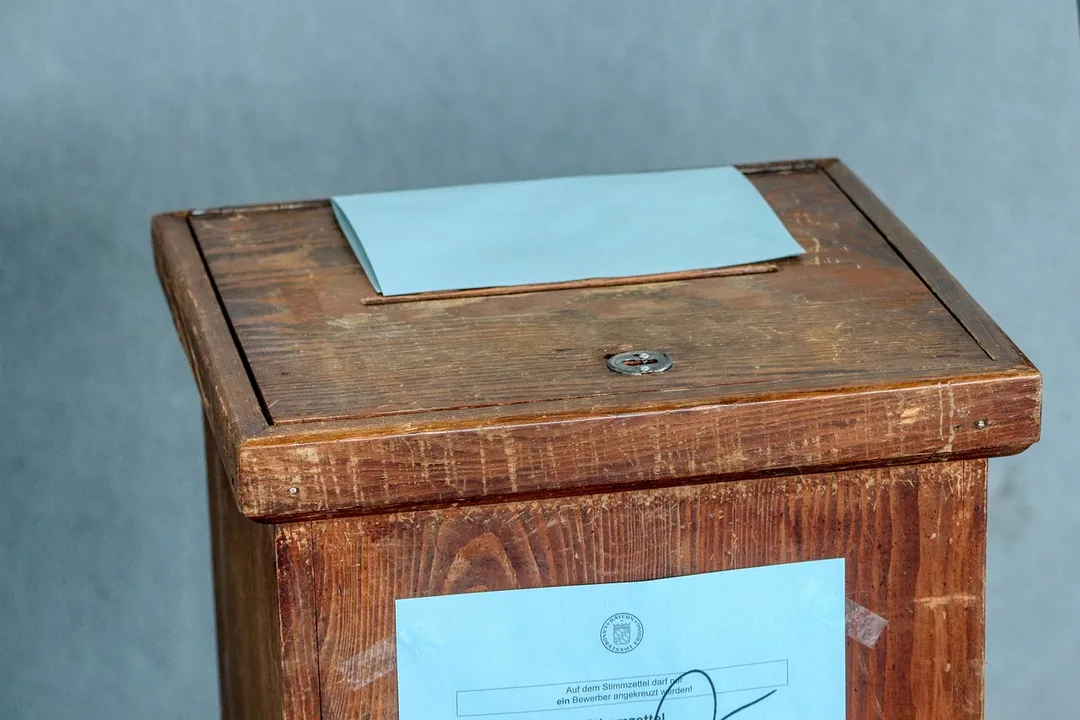
When a board consistently acts beyond its authority, the most direct solution is to initiate a recall. This is a formal process where the homeowners vote to remove a board member or the entire board from their positions. It’s a serious step, but it exists to protect the community from mismanagement.
Your governing documents and state law will outline the exact procedure. Generally, it follows these steps:
- Review Your Documents: Find the section on officer removal. It will state the percentage of homeowner votes required for a successful recall, which is often a majority of the entire membership.
- Build a Coalition: Discuss the issues with your neighbors and gather support. You will need significant backing to succeed.
- Draft a Formal Petition: Create a clear, factual petition stating the reasons for the proposed removal. Circulate it for signatures from eligible homeowners.
- Submit the Petition: Deliver the signed petition to the board or the HOA’s managing agent, following any specific submission rules in your documents.
- Hold a Special Meeting: The board is typically required to call a special meeting for a recall vote once a valid petition is submitted.
- Conduct the Vote: Homeowners vote on the recall. If the required majority is achieved, the board member is immediately removed.
Expect resistance from the current board. They may challenge the petition’s validity or the voting process, so meticulous attention to the rules in your governing documents is non-negotiable. Document every step and keep all homeowners informed.
If the board refuses to acknowledge a valid recall vote, your final recourse may be to file a lawsuit asking a judge to enforce the removal. This legal action, often called a “writ of mandate,” compels the board to comply with the community’s decision and the law. It’s a powerful tool to restore proper governance.
Preventing Future Overreach and Strengthening Governance

Taking proactive steps now can save you from future headaches with your HOA board. Building a culture of accountability starts with clear rules and open communication. From there, you can create an effective HOA communication strategy from scratch that keeps residents informed and engaged. This starts with documenting channels, cadence, and feedback loops. I have seen many communities transform by implementing a few key strategies.
Review and Update Governing Documents Regularly
Your HOA’s governing documents are the foundation for all board actions. Outdated documents often create loopholes that lead to authority disputes. Aim to review these every two to three years (how often should HOA bylaws be reviewed and updated). Work with a legal professional who specializes in HOA law to ensure everything is current. Focus on sections about board powers, homeowner rights, and amendment procedures.
- Schedule an annual meeting specifically for document review.
- Propose amendments to clarify vague language on spending limits or rule enforcement.
- Require a supermajority vote for any changes to key powers.
Boost Transparency in All Operations
Transparency builds trust and deters boards from acting alone. Demand that your board provides detailed financial reports and meeting minutes promptly. In my experience, communities that post budgets online see fewer conflicts. Use simple tools like a shared digital folder or community newsletter.
- Insist on open board meetings with time for homeowner questions.
- Publish all contracts and vendor agreements for homeowner review.
- Create an audit committee with volunteer homeowners to check finances yearly.
Educate Homeowners and Board Members
Knowledge empowers everyone to spot issues early. Offer regular workshops on HOA laws and resident responsibilities. These sessions also clarify the balance between HOA rights and responsibilities—addressing questions like what rights accompany those duties. Understanding that balance reduces confusion and disputes. Many disputes arise from simple misunderstandings. I have helped set up “HOA 101” sessions that reduced complaints by half. Cover topics like voting rights, dispute resolution, and board duties.
- Host a welcome seminar for new residents.
- Provide board members with training on fiduciary duties.
- Share resources from state HOA agencies or legal aid groups.
Establish Clear Checks and Balances
Strong oversight prevents any single person from having too much control. Create independent committees to review board decisions before they are finalized. This could include a finance committee or a rules compliance group. Ensure these committees have diverse membership and real influence.
- Set term limits for board positions to encourage fresh perspectives.
- Require two signatures on checks above a certain amount.
- Implement a homeowner vote for major expenditures or rule changes.
Conduct Regular Performance Evaluations
Evaluate your board’s actions annually to catch problems early. Use anonymous surveys to gather homeowner feedback on board performance. This practice helps identify patterns of overreach before they become crises. I have witnessed boards improve their governance significantly after implementing feedback loops.
- Design a simple rating system for board communication and fairness.
- Discuss survey results in an open forum to address concerns.
- Adjust board policies based on the evaluation outcomes.
FAQs
What should I know about HOA board overreach in California?
California’s Davis-Stirling Act provides specific guidelines on HOA operations, including requirements for meetings and enforcement. Homeowners can file a complaint with the California Department of Real Estate if the board violates state laws or governing documents. This state-specific recourse helps address overreach effectively.
How does Texas law handle HOA board overreach?
Texas Property Code sets clear limits on HOA powers, such as restrictions on fines and special assessments. You have the right to request HOA records and may seek resolution through the Texas Real Estate Commission for unresolved issues. Understanding these laws ensures you can challenge unauthorized actions confidently. If you suspect abuse or mismanagement, you can report it to the Texas Attorney General’s Consumer Protection Division. Document the incidents and seek legal guidance to pursue remedies.
Is there a standard form I can use to report HOA board overreach?
No universal form exists, but templates are available from legal aid organizations or state HOA resources. Always tailor any form to include details like the specific violation and references to your CC&Rs for clarity and impact. Using a structured approach improves your chances of a formal response.
What do Reddit communities commonly advise for HOA overreach?
Reddit users often suggest documenting all interactions and researching similar cases online for insights. Many recommend consulting an attorney specializing in HOA law to evaluate your options before taking legal action. Leveraging community experiences can provide practical strategies and emotional support. Does an HOA attorney represent you in these matters? In most cases, yes—they typically represent homeowners in disputes with the HOA, though some lawyers offer limited-scope or advisory services instead.
Taking Control of HOA Authority Challenges
Begin by carefully reviewing your HOA’s governing documents and gathering evidence to pinpoint where the board overstepped. Address the issue through clear communication, formal appeals, or legal steps to safeguard your homeowner rights and restore proper oversight. Follow a overstepping power authority checklist to stay organized with evidence, timelines, and contacts. This helps ensure you cover all bases and stay on track.
Further Reading & Sources
- What Happens When an HOA Goes Too Far? | 410-295-3000
- Addressing HOA board member abuse of power
- Unenforceable HOA rules in California: A comprehensive guide
- Everything You Need to Know About Unenforceable HOA Rules
Brandon has been on both ends of HOA, as part of it, he has helped build his community in Oregon, while also helping other homeowners deal with typical and atypical issues one might face. He has 8+ years of experience dealing with HOAs himself and on behalf of his friends and family, and he brings his extensive expertise and knowledge to make your HOA interaction seamless and smooth.
Legal Resources