
Can an HOA Change Rules After You Buy? Yes, Here’s How.
Published on: September 6, 2026 | Last Updated: September 6, 2026
Written By: Brandon Chatham
Yes, your HOA can legally change its rules and CC&Rs after you purchase your home. This authority is almost always written into the governing documents you agreed to when you bought the property.
You might wonder, how can they do that if I already own my home? The process isn’t arbitrary; it requires a formal vote from the membership, often needing a supermajority to pass. Your rights as a homeowner are protected because you get a voice in that vote, and the changes must be applied uniformly and reasonably to all residents.
This article will guide you through the entire process. You will learn the exact steps your HOA must follow to amend documents, the legal limits on what they can change, and your options if you disagree with a new rule. We cover everything from understanding your voting power to navigating disputes.
Understanding HOA Governing Documents
Your homeowners association operates based on a set of official documents that form the community’s legal framework. These documents create a contract between you and the association, defining your rights and responsibilities as a homeowner. Knowing what each document is and how it functions is your first step to understanding how changes can occur.
Defining the Key Documents
Let’s break down the core documents you’ll encounter.
- CC&Rs (Covenants, Conditions, and Restrictions): This is the foundational, legally recorded document that outlines the property’s permitted uses and the association’s powers. It’s like the community’s constitution.
- Rules and Regulations: These are more detailed guidelines, often created by the HOA board, that put the CC&Rs into daily practice. Think of them as the local ordinances that support the constitution.
- Bylaws: This document focuses on the HOA’s internal governance-how the board is elected, meeting procedures, and officer duties.
Rules vs. CC&Rs: A Clear Comparison
While both are important, rules and CC&Rs have distinct differences that impact how they can be changed.
- Creation and Amendment: Rules are typically set and amended by the HOA board. CC&Rs require a formal vote of the membership to change.
- Legal Weight: CC&Rs are recorded with the county and “run with the land,” meaning they bind all current and future owners. Rules have authority but are not usually recorded.
- Scope: CC&Rs cover fundamental issues like architectural standards and assessment obligations. Rules often address specific behaviors like parking and trash disposal.
- Enforcement: Violating a rule might lead to a fine. Violating a CC&R can result in more serious legal action, including liens.
When you purchased your home, you legally agreed to abide by all these governing documents. This binding agreement is what gives the HOA the authority to enforce community standards and manage common property. The association is also bound by these same documents and must operate within their boundaries. (Learn more about HOA authority).
The Legal Authority for HOA Amendments
HOAs do not have unlimited power to change the rules on a whim. Their authority to amend documents comes from two primary sources that work in tandem. Amendments can carry legal and financial pitfalls if proper notice and voting rules aren’t followed. Careful adherence to process helps protect the HOA and its members.
The first source is state law. Every state has statutes that specifically govern homeowners associations, and these laws often outline basic procedures for amending documents. Your HOA’s actions must always comply with these overarching legal requirements.
The second, and more specific, source is found within your own HOA’s governing documents. Look for sections titled “Amendment” in both your CC&Rs and Bylaws; these clauses provide the precise roadmap for how changes must be made. They detail who can propose changes, the voting thresholds needed, and the required notification procedures.
Who is Involved in the Amendment Process?
The amendment process involves different players, each with a specific role.
- The Board of Directors: The board typically initiates rule changes and often oversees the process for CC&R amendments, ensuring proper procedure is followed.
- Homeowners (Members): As voting members of the association, homeowners usually have the final say on CC&R amendments. For major changes, your vote is essential.
- Legal Counsel: For CC&R amendments, an attorney is often consulted to ensure the new language is legally sound and properly recorded.
The Step-by-Step Amendment Process
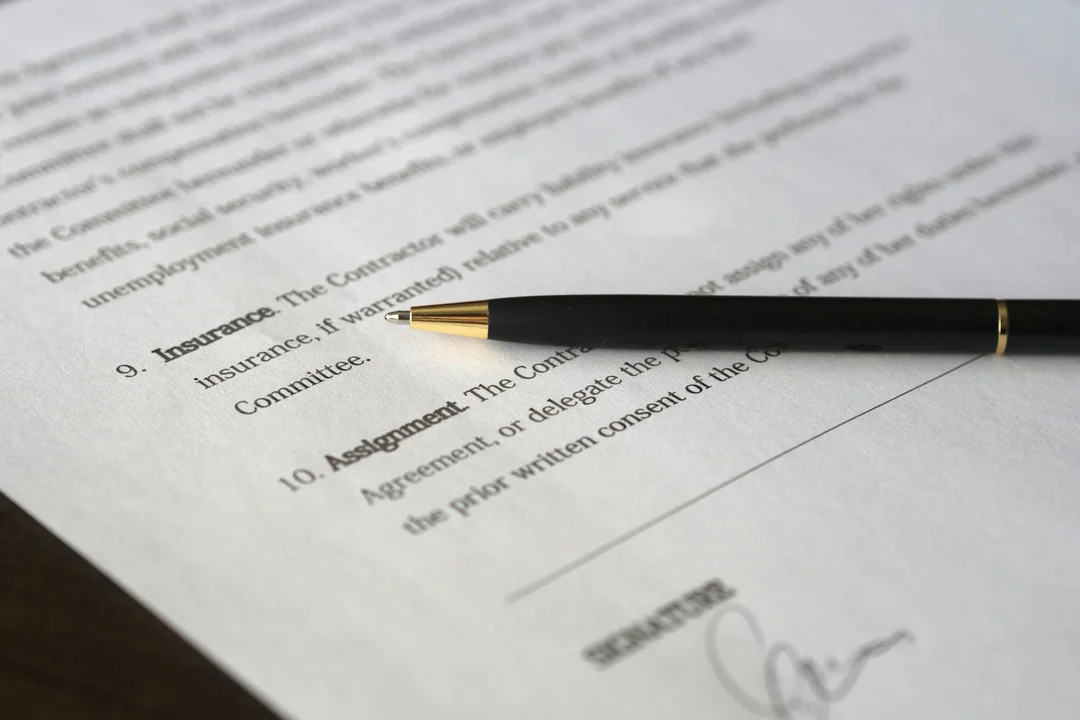
Transparency and due process are the backbones of a legitimate amendment. The exact steps vary, but a standard framework ensures all members are treated fairly.
- Proposal: A change is proposed, either by the board or a group of homeowners, as outlined in the governing documents.
- Drafting & Review: The exact language of the proposed amendment is written, often reviewed by legal counsel for CC&R changes.
- Formal Notice: All homeowners receive a written notice detailing the proposed change, the rationale behind it, and the date of the vote.
- Member Meeting & Discussion: A meeting is held where homeowners can ask questions, voice concerns, and discuss the proposal.
- Voting: Members cast their votes, either at a meeting, by proxy, or through a mail-in ballot.
- Tabulation & Declaration: Votes are counted, and the outcome is formally announced. For a CC&R change, the final step is recording the amendment with the county.
Changing HOA Rules
Adjusting the community’s rules and regulations is generally a more streamlined process. The HOA board can often approve rule changes through a formal board resolution after providing proper notice to homeowners. State laws or your governing documents may require a “comment period” where owners can provide feedback before the rule is finalized. This process gives the board the flexibility to manage the community’s day-to-day operations effectively without needing a full membership vote for every minor adjustment.
Amending CC&Rs
Altering the CC&Rs is a much more significant and legally complex undertaking. Amending the CC&Rs almost always requires a supermajority vote of the entire membership, such as 67% or 75% of all homeowners, not just those who vote. This high threshold protects homeowners from having the community’s fundamental covenants changed by a small, active group. Once the vote passes, the association must record the amended CC&R document with the county recorder’s office where the property is located. This recording is what makes the amendment legally binding on all current and future lots within the community.
Homeowner Rights and Protections
You have fundamental rights within your homeowners association that safeguard your interests during any rule change process. These rights are your first line of defense against arbitrary or unfair amendments. Your participation is not just welcomed; it’s a critical part of the HOA’s democratic structure. We call these fundamental protections the homeowners’ bill of rights.
Your Right to Participate
State laws and your governing documents grant you specific participatory rights. You must receive official notice of any meeting where a rule or CC&R change will be voted on. This notice typically must be sent a specific number of days in advance, often detailing the proposed changes. You have the right to attend these meetings and, in most cases, to speak about the proposed amendments before the final vote occurs.
Due Process and Objections
If a rule change directly and negatively impacts you, you have the right to due process. This means you can formally object and request a hearing before the HOA board. To prepare for this process, review your HOA’s hearing procedures and deadlines. Gather any supporting documents and dates in advance so you can present your case clearly. You are entitled to present your case, provide evidence, and be heard in a fair and impartial setting. If the board’s decision goes against you, your governing documents may outline a process for an internal appeal.
Ensuring Transparency and Access
Staying informed is your most powerful tool. Proactively request a copy of any proposed amendments in writing. After a change is adopted, you have the right to access the updated CC&Rs and rules. Always submit requests for records in writing and keep a copy for your files to create a paper trail. Review the meeting minutes where the vote was taken to understand the board’s reasoning.
- Formally request all proposed amendments in writing before the vote.
- Attend the open board meetings where changes are discussed.
- Review the finalized and recorded amendment documents after adoption.
- Keep a personal file of all HOA communications and meeting minutes.
Enforcement and Grandfathering of New Rules

Once a new rule is officially passed, the association has the authority to enforce it. Understanding the enforcement mechanism is key to knowing what to expect if a conflict arises. The process is usually outlined in your community’s governing documents and must follow state law.
How Enforcement Works
Enforcement often begins with a written warning for a first-time violation. Subsequent infractions can lead to monetary fines. For persistent or serious violations, the HOA may pursue legal action, which could include placing a lien on your property. A lien attaches to your home and must be paid off to clear the title if you sell or refinance. Unpaid liens can complicate transfers and may lead to additional collection actions. The board must follow a defined procedure, including providing you with proper notice and an opportunity for a hearing, before imposing significant penalties.
The Protection of Grandfathering
Grandfathering is a common provision that protects existing homeowners from immediate compliance with a new rule. This clause allows you to continue a previously acceptable practice, even after it becomes prohibited for others. For example, if you own a shed that was compliant with the old rules, a new rule banning sheds might not force you to remove yours.
- Grandfathering typically applies to physical structures or established uses.
- Protection is often lost if the grandfathered feature is significantly altered or replaced.
- The right is usually personal to the current homeowner and may not transfer to a new owner.
Challenging Enforcement
You can challenge a rule’s enforcement on several grounds. The most common is if the rule itself is unlawful. A rule that violates federal, state, or local law-such as a housing discrimination statute-is unenforceable, regardless of how it was passed. You can also challenge enforcement if the HOA did not follow its own procedures for adopting or implementing the rule, or if the rule is applied selectively against you.
- Review the rule to confirm it conflicts with a higher law.
- Check that the HOA followed all proper notice and voting procedures.
- Document any evidence of selective enforcement against you.
- Present your findings in a formal hearing or through legal counsel.
Practical Steps for Homeowners Facing Changes
When your HOA announces new rules, it can feel like the ground is shifting under your feet. Taking proactive steps puts you back in control and helps you protect your property rights. Here is a straightforward plan to navigate these changes effectively.
Stay Informed and Review Documents
Knowledge is your most powerful tool in any HOA dispute. Never assume you know what a change entails without reading the official documents.
- Request and meticulously review the meeting minutes where the change was proposed and voted on.
- Obtain a full copy of the amended governing documents and compare them to your original set.
- Check the specific procedures outlined in your Covenants, Conditions, and Restrictions (CC&Rs) for how amendments must be adopted.
Understanding the exact process your HOA must follow can reveal if a proper procedure was bypassed. This is often the first place to look for a challenge.
Get Involved in the Governance
The most influential homeowners are often the most visible ones. Passive observation is less effective than active participation.
- Attend every board meeting you can, even if it is just as a member of the audience.
- Join a committee that interests you, such as architectural review or landscaping.
- Consider running for a seat on the board of directors to have a direct vote on proposed changes.
Your presence at meetings ensures your voice is heard before decisions are finalized, not after. Building relationships with board members can also provide early insight into upcoming proposals.
Document Everything and Seek Counsel
If you believe a rule change is unfair or improperly enacted, start building your case immediately. Disorganized complaints rarely succeed.
- Keep a dedicated file for all HOA-related communications, including letters, emails, and dated notes from phone calls.
- Take photographs or videos if a new rule affects your property’s condition or use.
- Communicate your concerns to the board in writing, sending your letter via certified mail for proof of receipt.
- If the board is unresponsive or the issue involves significant financial or legal stakes, consult a real estate attorney who specializes in HOA law.
A formal paper trail creates a clear timeline and demonstrates that you are serious about resolving the matter. An attorney can clarify your legal standing and the strength of your potential challenge.
State-Specific Considerations and Resale Impact

HOA laws are not uniform across the country, and a rule change in one state might be handled differently in another. Your geographic location plays a critical role in your rights and responsibilities as a homeowner. Neglecting to understand HOA rules and regulations can undermine your position.
Variations in State HOA Laws
States like Florida, California, and Texas have extensive statutes specifically governing community associations.
- In Florida, for example, the Florida Homeowners’ Association Act outlines specific procedures for amending documents, often requiring a supermajority vote of the membership for CC&R changes.
- Some states mandate a “recording” of substantial amendments with the county land records to make them legally enforceable.
- State laws may also grant homeowners a specific “grace period” or right to contest a new rule after it is passed.
You must research your own state’s laws or ask your attorney to determine if your HOA has followed all legal requirements. Relying solely on the HOA’s interpretation can be a risky mistake. HOA powers are limited by state law and the governing documents. Knowing these limits on HOA powers helps you assess whether the HOA is acting within its legal authority.
Impact on Home Resale and Value
New rules do not just affect current owners; they can significantly influence your ability to sell your home in the future.
- You are legally obligated to disclose all HOA governing documents, including recent amendments, to any potential buyer.
- A controversial new rule, such as a ban on pets or rental restrictions, can drastically reduce your pool of interested buyers.
- Prospective buyers will scrutinize the HOA’s financial health and rule stability, and frequent, contentious changes can be a major red flag.
A poorly received rule change can lower your property’s marketability and potentially its appraised value. Buyers are purchasing a lifestyle governed by the HOA, and instability worries them. Learn how an HOA affects your property’s value and appraisal.
Review Documents Before You Buy
The best defense against unwanted HOA surprises is to conduct thorough due diligence before you ever close on a home.
- Always request and read the complete set of CC&Rs, bylaws, and current rules before making an offer.
- Look for an “amendment history” to see how often and what types of rules have been changed in the past.
- Review several months of board meeting minutes to gauge the community’s temperament and the board’s management style.
Treat the HOA’s governing documents with the same seriousness as a home inspection report. Understanding the rules you are agreeing to live by is a non-negotiable part of the home-buying process in a managed community.
FAQs
What are the HOA rule changes?
HOA rule changes are amendments to the community’s governing documents that can affect daily living, such as parking or pet policies. These changes typically require a formal board vote and proper notice to homeowners before enforcement. During the HOA meeting, residents may propose new rule changes for discussion and potential voting. Submitting proposals ahead of time helps ensure they are placed on the agenda.
What are the Florida HOA rule changes?
Florida HOA rule changes must comply with the Florida Homeowners’ Association Act, which sets specific procedures for amendments. This often includes requirements for a supermajority membership vote and proper recording of CC&R changes with the county. In practice, HOA approval is typically required for amendments to take effect, and without it changes may not be enforceable.
What are the changes to HOA rules?
Changes to HOA rules can range from minor updates to major overhauls, involving either board resolutions for rules or membership votes for CC&Rs. Homeowners have the right to receive notice and participate in discussions before any changes are finalized.
What are the HSA rule changes?
HSA rule changes refer to amendments in Health Savings Account guidelines, which are unrelated to HOA governance. For HOA-specific inquiries, focus on your community’s governing documents and state laws for accurate information.
Final Advice on HOA Rule Changes
HOAs can modify rules and CC&Rs after you purchase, but they must follow legal procedures and provide proper notice to homeowners. Stay proactive by attending meetings, voting on proposals, and consulting legal resources if changes seem unfair or unclear.
Further Reading & Sources
- Can an HOA Change Rules After Purchase?
- Can an HOA Change Rules After Purchase? 8 Key Considerations – ONR
- Can You Refuse to Join An HOA When You Just Bought a House?
- HOA Bylaws, HOA Regulations, and CC&Rs | HOA Management Tips
Brandon has been on both ends of HOA, as part of it, he has helped build his community in Oregon, while also helping other homeowners deal with typical and atypical issues one might face. He has 8+ years of experience dealing with HOAs himself and on behalf of his friends and family, and he brings his extensive expertise and knowledge to make your HOA interaction seamless and smooth.
Changes to Rules and Bylaws