
What Happens When You Break an HOA Rule?
Published on: September 3, 2026 | Last Updated: September 3, 2026
Written By: Brandon Chatham
If you violate an HOA covenant or restriction, you will typically face a series of escalating consequences, starting with a written warning or violation notice and potentially leading to financial penalties, suspension of community privileges, or even a lawsuit. The specific outcome depends on your HOA’s governing documents and the severity of the violation.
You might wonder, “Does the HOA enforce every single rule, all the time?” The reality is enforcement can be inconsistent. Some boards are very proactive, while others act only on neighbor complaints. Even if enforcement seems lax, a single complaint can trigger the full process, so it’s risky to assume a rule is unenforced.
Navigating an HOA violation can feel overwhelming. This guide breaks down the entire process step-by-step, from the first notice you receive to the worst-case scenarios. You will learn about your rights, how to appeal a fine, and practical strategies for resolving the situation without escalating the conflict. We cover what to do if you cannot pay a fine and how to avoid common pitfalls that make disputes worse.
The HOA Violation Notice and Enforcement Process
Receiving a Violation Notice
Finding an HOA violation letter in your mailbox can feel unsettling. Your first step should be to read the notice carefully and completely before you do anything else. This document is your official roadmap to the situation. The notice must clearly state the specific covenant you are accused of violating, such as an unapproved shed or an overgrown lawn. It will also outline the required corrective actions and the deadline for you to comply. Most importantly, it details the potential fines you could face if the issue is not resolved. Do not ignore this letter, as doing so will almost certainly escalate the matter.
Take immediate action to understand and document the alleged violation. Gather any evidence you have that might support your position, like dated photographs or previous correspondence with the HOA. Compare the violation description to the actual rules in your Covenants, Conditions, and Restrictions (CC&Rs) document. Sometimes, miscommunication or a simple mistake by an inspector is the root cause. If the notice is vague, you have the right to request a more detailed explanation from the HOA management.
Your Rights to a Hearing and Due Process
You are not powerless when faced with a violation notice. Every homeowner has fundamental due process rights, including the right to be heard and to dispute the claim. Understanding HOA due process and your rights during violation proceedings can help you advocate effectively and seek a fair resolution. Your governing documents will specify the exact procedure for requesting a hearing. This is your formal opportunity to present your side of the story directly to the HOA board or a designated committee. You can show your evidence, explain any extenuating circumstances, and question the basis of the violation.
Prepare for your hearing like you would for an important meeting. Create a clear, concise presentation of your facts and bring copies of all supporting documents for the board members. Be respectful and stick to the relevant points. You can argue that the violation is a mistake, that you were not properly notified of the rule, or that you need more time due to a legitimate hardship. The board will listen to your appeal and then make a final decision, which they must provide to you in writing.
Potential Penalties and Financial Consequences
Fines, Fees, and Special Assessments
Financial penalties are the most common consequence for unresolved violations. Fines typically start small but can accumulate daily or weekly until you fix the problem, creating a significant financial burden. The fine schedule should be outlined in your HOA’s governing documents. For example, you might be charged $25 for the first week a violation remains, $50 for the second, and $100 for every week after that. Beyond fines, you may also be responsible for all costs the HOA incurs while enforcing the rule. To understand more about the typical amounts and how they can add up, check out our detailed guide on HOA fines.
These enforcement costs can be surprisingly high. The HOA can bill you for its legal fees, inspection costs, and even charges for hiring a contractor to correct the violation on your property. In some cases, if the violation causes damage to a common area, the HOA might levy a special assessment against you to cover the repair costs. If these debts remain unpaid, the HOA can place a lien on your home, which must be settled before you can sell the property.
Suspension of Privileges
An HOA can enforce rules by temporarily taking away your access to community amenities. Suspending your privileges is a powerful enforcement tool that directly impacts your daily enjoyment of the community. This penalty is often used for non-payment of fines or for repeated violations. The specific privileges that can be suspended are defined in your community’s governing documents.
Common suspensions include:
- Access to the community pool, gym, or clubhouse.
- Your right to vote in HOA elections or on community matters.
- Use of common areas like tennis courts or parks.
- Guest parking passes or your own reserved parking spot.
This suspension remains in effect until you resolve the underlying violation and any associated fines. It is designed to encourage compliance by making non-compliance personally inconvenient.
Serious Enforcement Actions: Liens and Foreclosure
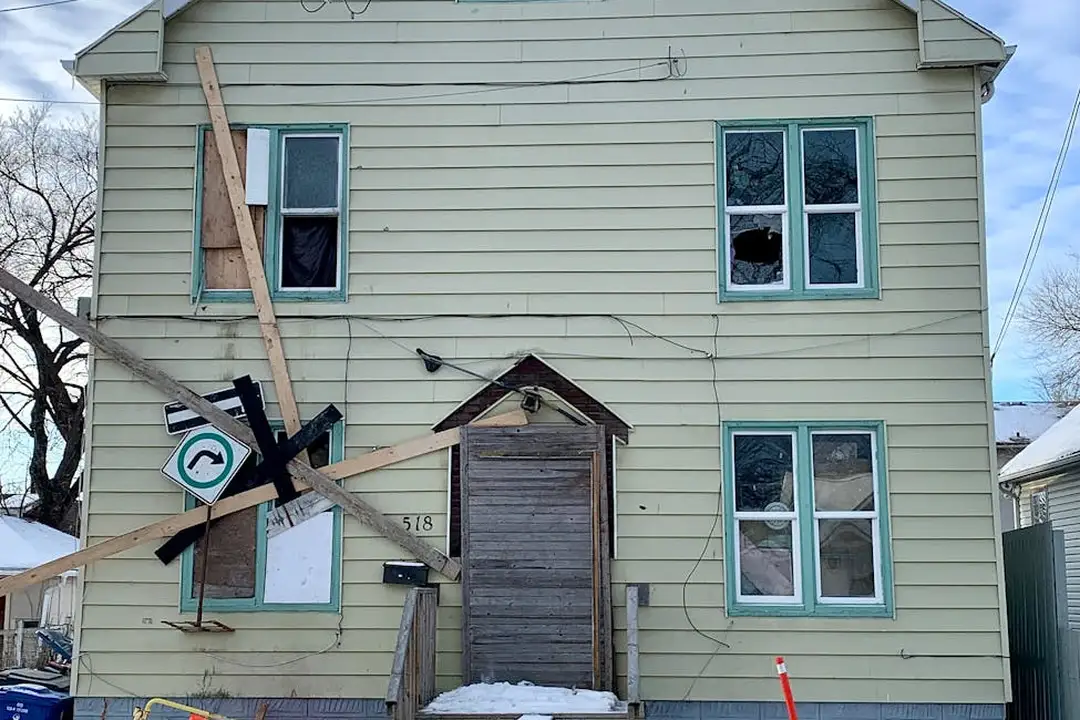
When a violation remains unresolved and fines accumulate, the situation can escalate beyond warning letters. The most powerful tool an HOA possesses is the ability to place a lien on your property and, in many states, to foreclose on that lien. This is not an empty threat but a legal right typically outlined in your community’s governing documents and state law. To understand more about what actions HOAs can legally take, read about the legal powers and limitations of an HOA.
Understanding the Property Lien
A lien is a legal claim against your property that secures the payment of a debt. When the HOA records a lien, it becomes a matter of public record. This lien effectively prevents you from selling or refinancing your home until the debt-comprising unpaid fines, late fees, and legal costs-is paid in full. The title company will discover the lien during the closing process and require its settlement before any transaction can proceed (what happens when an HOA puts a lien on your house).
The Foreclosure Process
If a lien does not prompt payment, the HOA may initiate foreclosure proceedings. The specific rules vary significantly by state.
- Some states only permit “judicial foreclosure,” which requires the HOA to file a lawsuit and go through the court system.
- Other states allow “non-judicial foreclosure,” a faster process that may not involve a court hearing.
- In many cases, an HOA can foreclose for unpaid fines and fees, separate from your mortgage.
These are the key differences between HOA fines, liens, and foreclosure. Understanding them helps you know what actions the HOA can take and when.
It is critical to understand that an HOA foreclosure can sometimes happen even if you are current on your mortgage payments. While the mortgage company’s lien is usually superior, an HOA foreclosure sale can wipe out your equity and, in a worst-case scenario, result in the loss of your home.
How to Respond to a Covenant Violation
Receiving a violation notice can feel stressful, but a calm, methodical response is your best path forward. Avoid letting anger or frustration guide your actions.
-
Step 1: Carefully Review the Notice and Governing Documents
Scrutinize the violation letter for specifics—what is the alleged violation, what is the deadline for compliance, and what are the potential penalties? Then, pull out your copy of the Covenants, Conditions, and Restrictions (CC&Rs), bylaws, and rules and regulations to verify the cited rule. Check for any vague language or potential misinterpretations. Ensure the HOA is following its own procedures for issuing violations as outlined in the documents. These checks help inform a concise, defensible template for HOA violation letters that boards can use to communicate clearly and consistently. A well-designed template guides the process and reduces disputes.
-
Step 2: Address the Issue or Prepare Your Defense
If you are clearly in violation and the rule is valid, the simplest solution is often to correct the issue promptly. Mow the lawn, repaint the shutters, or move the garbage cans. If you believe the notice was sent in error, start gathering your evidence immediately. Take dated photographs, find written correspondence (like an approval from the architectural committee), or research any precedents where similar situations were allowed in the community.
-
Step 3: Communicate with the HOA Board or Manager
Open a polite and professional line of communication. You can often request a hearing before the HOA board to present your case. Approach this conversation with facts, not emotions, and be prepared to propose a reasonable solution. For example, if you need more time to make a costly repair, ask for a payment plan or a compliance extension in writing. Good faith communication can often de-escalate the situation.
-
Step 4: Seek a Resolution Through Mediation if Needed
If direct communication fails and the HOA is moving toward fines or a lien, consider suggesting mediation. Mediation involves a neutral third party who helps facilitate a negotiated settlement, which is typically far less expensive and adversarial than a lawsuit. Many HOA governing documents now include a clause requiring mediation before litigation. This process can help preserve neighborly relationships while finding a workable compromise for both sides. Using mediation to resolve HOA disputes can prevent costly litigation and often yields faster, mutually acceptable agreements.
Strategies for Preventing HOA Violations
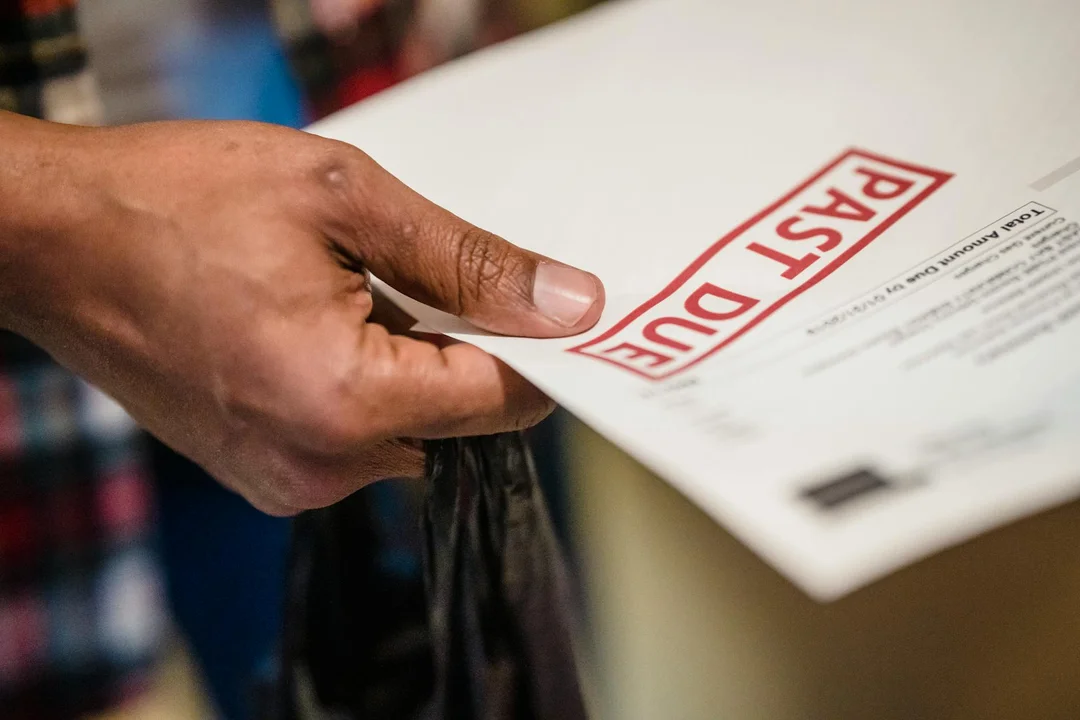
The best way to handle an HOA violation is to avoid getting one in the first place. Taking a proactive approach saves you from fines, stressful hearings, and potential legal disputes with your neighbors. A little bit of homework now can prevent a major headache later. Should a violation arise, understanding the common HOA bylaw issues and how to handle them can prevent escalation. Timely, respectful responses help resolve matters efficiently and maintain good neighborly relations.
Know Your Governing Documents Inside and Out
Your Covenants, Conditions, and Restrictions (CC&Rs), along with the rules and bylaws, are your official guidebook. Don’t just skim them when you move in. Create a dedicated folder on your computer for digital copies of all HOA documents so you can easily search them. Pay special attention to sections on architectural changes, landscaping, and parking.
Key Sections to Bookmark
- Architectural Control and Modifications
- Parking and Vehicle Policies
- Landscaping and Lawn Maintenance Standards
- Trash Can Storage and Collection Days
- Pet Regulations and Noise Ordinances
- Rental Restrictions (if applicable)
Communicate Before You Renovate
Never assume a small project is okay without checking. What seems minor to you might be a major covenant issue. Always submit a formal Architectural Review Form for any exterior change, from painting your front door to installing a new mailbox. This process exists to protect the community’s aesthetic and your property value.
Common Projects That Usually Need Approval
- Painting your house, trim, or fence a new color
- Building a deck, patio, or shed
- Installing a swing set or permanent play structure
- Changing your landscaping or adding hardscaping
- Replacing your roof, windows, or garage door
Build a Positive Relationship with the HOA Board
The board is made up of your neighbors, not a faceless corporation. Attend a few community meetings each year to stay informed about new rules and to understand the board’s current focus. When you have a question, approach them respectfully. A friendly conversation can often clarify a gray area in the rules.
If you receive a violation notice, your first step should be a polite phone call or email to the property manager or board president. Demonstrating a cooperative and willing attitude can often lead to a grace period for you to fix the problem. Boards are typically more lenient with owners who communicate openly.
Perform Regular Exterior Home Checks
Walk around your property once a month with a critical eye, as if you were a compliance inspector. Look for common violations like overgrown weeds, peeling paint, or a trash can left at the curb a day too long. This simple habit helps you catch small issues before they are spotted by the architecture committee.
Quick Monthly Exterior Checklist
- Lawn mowed and edged
- No trash cans visible from the street (except on collection day)
- House numbers clearly visible
- No mildew on siding or roof
- Fence in good repair with no loose boards
- No unauthorized “For Rent” or business signs
Talk to Your Neighbors
Your neighbors can be your best resource. Long-time residents often have practical knowledge about how rules are actually enforced and can offer helpful, unofficial advice. They might tell you which projects were approved quickly and which ones caused problems. A good neighbor might even give you a friendly heads-up if your holiday lights are still up in February before the HOA does.
FAQs
Are HOA covenant penalties enforceable in court?
Yes, HOA covenant penalties are generally enforceable in court if the HOA follows proper procedures and the penalties are outlined in the governing documents. Courts typically uphold these penalties as long as they are reasonable and the HOA has provided due process to the homeowner.
Do penalties accrue interest or late fees?
Yes, many HOAs charge interest or late fees on unpaid penalties, which can significantly increase the total amount owed over time. This is often specified in the HOA’s governing documents to encourage timely payment and cover administrative costs.
Can penalties be waived or reduced?
In some cases, penalties can be waived or reduced if the homeowner demonstrates extenuating circumstances or works cooperatively with the HOA to resolve the issue. Homeowners should request a hearing and present their case politely to seek leniency from the board.
How long do penalties stay on a homeowner’s record?
Penalties typically remain on a homeowner’s record until they are paid or resolved, and they may be noted in HOA minutes or records for several years. Unpaid penalties can lead to liens on the property, which must be cleared before the home can be sold or refinanced.
Your Path Forward with HOA Rules
If you receive a violation notice, immediately contact your HOA board to discuss the issue and seek a resolution. Proactive communication and a clear understanding of your governing documents are your most powerful tools for a positive outcome. For a structured response, follow our step-by-step HOA violation response guide. It explains what to include and how to track deadlines and communications.
Further Reading & Sources
- Assessing Fines and Penalties | California Homeowners Association | HOA
- 9 Common HOA Violations And How To Avoid Them | Bankrate
- A new California law just snuck in a cap on HOA fines. Here’s why that could be a problem
- HOA Violations Explained: Rules, Fines, and Rights| GM
Brandon has been on both ends of HOA, as part of it, he has helped build his community in Oregon, while also helping other homeowners deal with typical and atypical issues one might face. He has 8+ years of experience dealing with HOAs himself and on behalf of his friends and family, and he brings his extensive expertise and knowledge to make your HOA interaction seamless and smooth.
Violation Consequences