
How Much Are HOA Fines? Understanding Violation Costs
Published on: September 21, 2026 | Last Updated: September 21, 2026
Written By: Brandon Chatham
HOA fines can vary widely, but typical fines range from $25 for minor issues to over $500 for serious or repeat violations, with many falling between $50 and $200. The exact amount depends on your specific HOA’s governing documents and the nature of the infraction.
You might be asking why the cost isn’t the same everywhere. Fines differ because each HOA sets its own fee schedule based on factors like violation severity, how many times it’s happened, and local state laws that may cap maximum penalties. This means your neighbor’s HOA might charge $50 for an unapproved fence, while yours could demand $150.
Dealing with an HOA fine can feel overwhelming, but knowing what to expect puts you in control. This guide breaks down common fine amounts, explains how violations are assessed, and offers steps to contest unfair charges. You will find clear advice on avoiding fines and protecting your rights as a homeowner.
What Are HOA Fines and How Do They Work?
HOA fines are monetary penalties your homeowners association charges when you break a community rule. Think of them as a formal nudge to correct your behavior and protect the neighborhood’s value and appearance. They are a standard tool for enforcing the Covenants, Conditions, and Restrictions (CC&Rs) you agreed to when you bought your home.
The primary purpose of these fines is twofold. Fines help maintain a uniform standard of living by discouraging actions that disrupt the community or lower property values. In some cases, the collected fine money goes into the HOA’s general fund, directly supporting the community’s upkeep and services.
The enforcement process typically follows a predictable path designed to give you a chance to fix the problem. You will almost always receive a written warning or violation notice before any fine is issued. This gives you a set period to correct the issue, such as mowing your lawn or moving an unauthorized satellite dish.
- You receive a formal written notice detailing the violation.
- You get a specific timeframe to correct the problem.
- If unresolved, the HOA imposes an initial fine.
- Continued non-compliance leads to additional, often higher, fines.
Common HOA Violations and Their Typical Fine Amounts
Certain violations pop up in communities again and again. Architectural changes made without approval are one of the most common and costly missteps homeowners make. This includes things like painting your house an unapproved color or building a deck without submitting plans. Other frequent issues involve parking in guest spots overnight, excessive noise after quiet hours, and poor lawn maintenance.
Fine amounts vary widely, but here are typical ranges you might encounter. Remember, these are examples-your specific HOA’s fine schedule is the ultimate authority.
| Violation Type | Typical Fine Range |
|---|---|
| Parking in a Fire Lane or Handicap Spot | $100 – $250 |
| Unapproved Architectural Change | $200 – $500+ |
| Late Trash Can Retrieval | $25 – $50 |
| Excessive Noise or Nuisance | $50 – $150 |
| Lawn or Landscaping Neglect | $50 – $100 |
The cost of a violation is rarely static. HOAs often use escalating fines to motivate compliance, meaning the second or third offense for the same issue costs significantly more. A severe breach that poses a safety risk, like storing propane tanks illegally, will also carry a much steeper penalty than a minor aesthetic issue.
Understanding HOA Fine Structures and Schedules
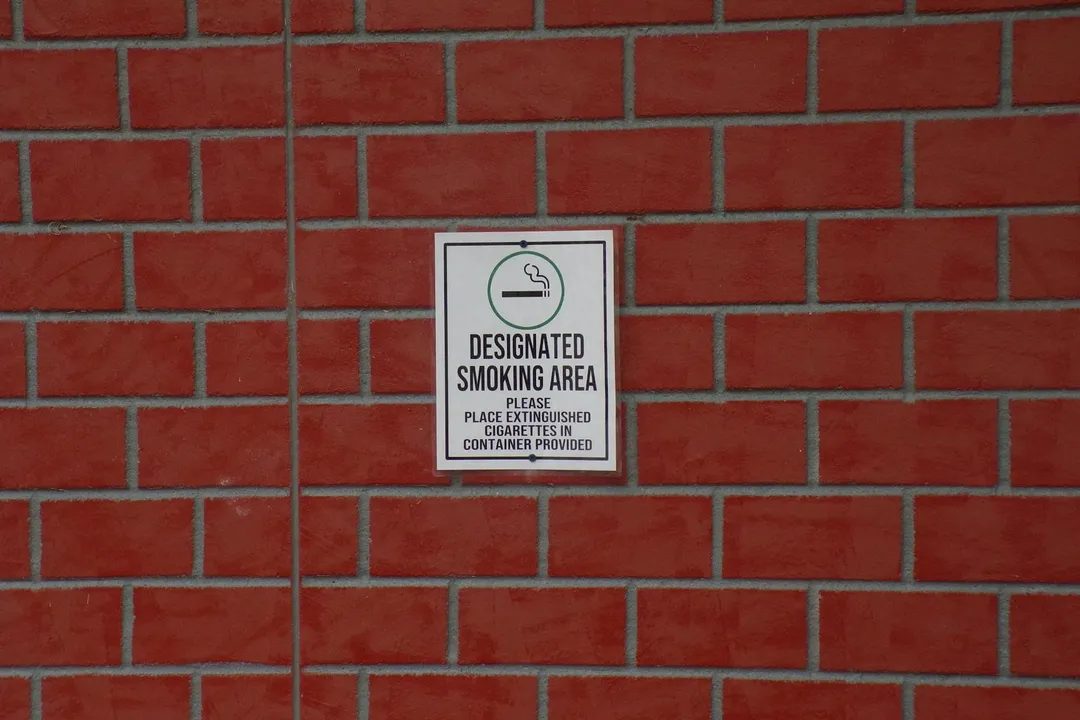
Your HOA board does not randomly decide fine amounts. Fine structures are carefully outlined in your community’s governing documents to ensure fairness and consistency. The board bases these amounts on what is reasonable to deter violations while aligning with the community’s overall budget and legal guidelines set by state law.
Finding your HOA’s specific fine schedule is a straightforward process. Your governing documents hold all the answers about what you can be fined for and how much it will cost. Start by locating your copy of the CC&Rs, bylaws, and rules & regulations.
- Review your CC&Rs for sections on “Enforcement,” “Fines,” or “Penalties.”
- Check the “Rules and Regulations” document for a more detailed list.
- Look for any official “Fine Schedule” that may have been distributed separately.
- Contact the HOA property manager or board secretary for a direct copy.
Several key factors can influence how much a fine will be. The severity of the violation’s impact on neighbors and community safety is the biggest driver of cost. A violation that is highly visible from the street may be treated more strictly than one in your fenced backyard. Your history of compliance and the cost to the HOA to enforce the rule also play significant roles in the final amount.
The Enforcement and Collection Process for HOA Fines
When a rule is broken, the HOA follows a specific process to enforce its governing documents. This procedure is designed to be fair and consistent, giving every homeowner a chance to correct the issue before a penalty is issued. This framework supports enforcing HOA bylaws effectively and fairly across the community. By keeping the process transparent and consistent, homeowners understand what to expect and trust the enforcement system.
-
Outline the steps from violation discovery to fine issuance.
The journey from a reported violation to an official fine typically involves several key stages.
- Violation Discovery: The HOA board or property manager identifies a violation, often through a routine inspection or a complaint from another resident.
- Written Notice: You will receive a formal, written notice detailing the specific rule broken. This letter gives you a deadline to fix the problem.
- Cure Period: This is your window of opportunity to resolve the violation, such as repainting your door an approved color or moving your trash bins out of sight.
- Hearing Opportunity: If the issue isn’t resolved, many states and HOA bylaws require the board to offer you a hearing to present your side of the story.
- Fine Issuance: Only after these steps are followed can the board formally levy a fine. You will receive another written notice stating the fine amount and the reason for it.
-
Explain methods like late fees, liens, or legal actions for unpaid fines.
Ignoring a fine notice does not make it disappear. Unpaid fines are considered a debt to the association, and HOAs have powerful tools to collect what is owed. The actions they can take often escalate in severity.
- Late Fees: Your original fine will accrue additional monthly late fees, increasing your total debt.
- Suspension of Privileges: The HOA may suspend your access to community amenities like the pool, gym, or clubhouse.
- Property Lien: This is a serious step where the HOA places a legal claim against your property title. A lien must be paid off before you can sell or refinance your home.
- Legal Judgment: The HOA can file a lawsuit to get a court judgment against you. This could lead to wage garnishment or a forced bank account levy.
- Foreclosure: In some states, for significant unpaid debts, an HOA can foreclose on your home to satisfy the lien, even if your mortgage is current.
-
Describe how collection costs can escalate the total amount owed.
The initial fine is often just the beginning of your financial obligation. When an HOA has to pursue collection, they will typically add all associated costs directly to your account. These fees can quickly multiply your original debt.
- You will be responsible for all late payment charges and interest as defined in your governing documents.
- If a lien is filed, you will be billed for the attorney’s fees and court filing costs.
- If the case goes to court, you could be ordered to pay the HOA’s legal fees on top of your own.
- These combined costs can turn a $50 fine into a debt of thousands of dollars, creating a significant financial burden.
How to Contest or Appeal an HOA Fine
You have the right to challenge a fine you believe is unfair or incorrect. A successful appeal depends on following the proper procedure and presenting a clear, evidence-based case.
-
List grounds for appealing fines, such as errors or lack of due process.
You cannot appeal a fine simply because you dislike the rule. Valid grounds for an appeal must show that the HOA did not follow its own procedures or made a factual error. Common reasons include:
- The violation notice was not delivered properly or lacked specific details.
- The HOA did not provide the required cure period or a fair hearing.
- You are being fined for something that is not actually a violation in the governing documents.
- The fine amount exceeds the maximum limit set by your CC&Rs or state law.
- The violation was a genuine mistake that you corrected immediately, or it was caused by a contractor or vendor.
- You are being selectively targeted while others with similar violations are ignored.
-
Provide steps for formally disputing a fine through HOA channels.
Do not just refuse to pay. You must formally engage the HOA’s dispute process to have any chance of getting the fine waived or reduced. Follow these steps to ensure you are heard. With careful preparation and timely submission, you can dispute the HOA fee fine successfully. Keep copies of all correspondence and document deadlines to stay on track.
- Review Your Documents: First, carefully read your HOA’s covenants and rules to understand the specific violation and the official appeal process.
- Submit a Written Appeal: Draft a polite, professional letter to the HOA board or manager. State clearly that you are appealing the fine and list your specific reasons.
- Request a Hearing: Formally ask for an in-person or virtual hearing with the board to present your case directly.
- Pay Under Protest: If the deadline to pay is before your hearing, consider paying the fine “under protest” to avoid late fees while you contest it. State this clearly in your payment.
-
Include tips on gathering evidence and attending hearings.
Preparation is the key to a successful appeal. Walking into a hearing with organized evidence and a calm demeanor dramatically improves your chances of a favorable outcome.
- Take dated photographs that prove your side of the story, like a photo showing your trash cans were brought in on time.
- Gather written statements from neighbors or contractors who can support your claims.
- Print out relevant sections of the HOA rules and highlight the parts that help your case.
- Prepare a short, concise statement of your facts. Practice it so you can present it clearly without getting flustered.
- Dress professionally and be respectful to the board members, even if you disagree with them.
- Stick to the facts and avoid emotional arguments. Focus on demonstrating a procedural error or a misunderstanding.
Legal Limits and State Regulations on HOA Fines

Your HOA’s power to levy fines is not unlimited. State laws create a crucial framework that governs how much your association can charge and the procedures they must follow. These regulations are your first line of defense against excessive penalties. Are HOA legal powers limited? Understanding the limits helps homeowners know what the association can and cannot do.
Common State Law Protections
Most states have enacted specific statutes for homeowners associations. These laws frequently set maximum fine amounts per violation and mandate a formal notice and hearing process before a fine can be imposed. This ensures you have a chance to be heard.
- Fine Caps: States like California cap fines at a maximum of $500 per violation for ongoing issues, while Florida limits fines to $100 per violation and $1,000 in total.
- Notice Periods: You almost always have a right to receive a detailed written notice of the violation. This notice must give you a reasonable period, often 10 to 30 days, to correct the problem.
- Right to a Hearing: Before a fine becomes official, you typically have the right to appear before the board or a committee to present your side of the story.
How Different States Handle Enforcement
The consequences for unpaid fines can vary dramatically depending on your location. Some states grant HOAs powerful collection tools, while others provide homeowners with more protections against losing their home. Knowing your state’s stance, especially how it treats HOA fines compared to liens and foreclosures, is critical.
| State | Typical Fine Limits | Lien & Foreclosure Process |
|---|---|---|
| California | Up to $500 per violation | HOAs can place a lien for unpaid fines over $1,800 or more than 12 months old, but generally cannot foreclose for fine-only debts. |
| Texas | Must be “reasonable” | HOAs can file a lien for any unpaid assessments or fines, and in some cases, may pursue foreclosure after proper notice. |
| Florida | $100 per violation, $1,000 total | An HOA can record a lien for unpaid fines and eventually foreclose on the home, but the process has specific legal steps. |
| Arizona | Often capped at $250-$500 | The HOA must provide a 30-day payment demand before filing a lien. Foreclosure for fines alone is more restricted. |
Your Homeowner Rights Under Local Rules
Beyond state law, your association’s own governing documents are a key source of your rights and responsibilities. You have the right to request and review the Covenants, Conditions, and Restrictions (CC&Rs), bylaws, and rules to see the exact fine schedule. The HOA must follow its own rules.
- Request Your Governing Documents: Get a current copy of the CC&Rs and rules. The fine structure should be clearly outlined there.
- Verify the Fine Amount: Check that the fine you received matches what is authorized in the documents. An HOA cannot arbitrarily invent a fine amount.
- Understand the Appeal Process: Your documents should explain how to formally appeal a fine if you believe it was issued in error.
If your HOA skips the required notice or hearing steps, the fine may be legally unenforceable. Understanding HOA due process and your rights during violation proceedings helps you respond appropriately. It also underscores the importance of ensuring notices and hearings are properly conducted. Always document all communications and keep records of any payments you make.
Quick Answers
What happens if I don’t pay my HOA fine on time?
Unpaid fines can quickly escalate with the addition of late fees and interest charges. Persistent non-payment can lead to a lien being placed on your property, which can affect your ability to sell or refinance your home.
Can an HOA fine me more than once for the same violation?
Yes, HOAs often issue daily or recurring fines for violations that are not corrected. This is known as an escalating fine structure, where the cost increases the longer the issue remains unresolved. Common HOA violations are typically addressed with documented notices and cure periods before penalties escalate. This process helps homeowners resolve issues promptly and stay in compliance.
Does the money collected from HOA fines go toward community improvements?
The use of fine revenue depends on your association’s specific governing documents. While some HOAs allocate fine money to the general fund for community upkeep, others may use it to directly offset the costs of enforcement. In many cases, the money goes into the operating fund or reserve accounts, and the exact destination is disclosed in the HOA’s financial statements or annual reports. To know for sure where the funds go, review those documents or ask the management.
Is there a grace period for correcting a violation before a fine is issued?
Most HOAs provide a “cure period” after sending a violation notice. This gives you a specific number of days to fix the problem and avoid a financial penalty altogether.
Smart Strategies for HOA Fine Management
Stay ahead of potential fines by thoroughly reviewing your HOA’s governing documents and understanding the specific violation costs outlined. If you do receive a fine, address it promptly by communicating with the board and following the proper procedures to resolve the issue efficiently. For a clear path to handling notices, consider a step-by-step guide on how to respond to HOA violation letters. This guide helps you document timelines, required responses, and resolutions effectively.
Further Reading & Sources
- A new law spared her from $500 daily HOA fines for an unapproved door – Los Angeles Times
- What Types of Fines Can an HOA Impose & How Much Are They? – APS Management
- Assessing Fines and Penalties | California Homeowners Association | HOA
- HOA 101: What Are Fees, Fines, & Assessments?
Brandon has been on both ends of HOA, as part of it, he has helped build his community in Oregon, while also helping other homeowners deal with typical and atypical issues one might face. He has 8+ years of experience dealing with HOAs himself and on behalf of his friends and family, and he brings his extensive expertise and knowledge to make your HOA interaction seamless and smooth.
Violation Consequences