
10 Common Parking Mistakes That Will Get You Fined or Towed by Your HOA
Published on: March 16, 2026 | Last Updated: March 16, 2026
Written By: Brandon Chatham
The fastest way to get fined or towed by your HOA is parking in unauthorized spots like visitor spaces, fire lanes, or blocking driveways overnight. These violations trigger immediate action because they impact community safety and access.
Many residents wonder why HOAs enforce parking rules so strictly. These regulations exist to maintain safety, ensure emergency vehicle access, and preserve property values for everyone in the community.
Parking mistakes can cost you hundreds in fines plus tow fees. We’ll show you the ten most common violations we’ve seen in communities nationwide. You’ll learn exactly what to avoid, how to handle guest parking, and what to do if your car gets towed. Keep reading to protect your vehicle and your wallet.
Understanding HOA Parking Rules and Enforcement Power
Your HOA’s parking rules are not arbitrary; they are legally binding documents you agreed to when you purchased your home. You can find the specific parking regulations detailed in your community’s Covenants, Conditions, and Restrictions (CC&Rs) and the bylaws, which form the foundation of all community governance. These documents outline what is and isn’t permitted on association property.
The association possesses the authority to enforce these rules to maintain order and safety. This enforcement power explicitly includes the right to issue fines for violations and, in many cases, to authorize the towing of non-compliant vehicles at the owner’s expense. This is not a power they take lightly, but it is a necessary tool for rule compliance.
To stay informed and avoid penalties, you should take two critical steps.
- Thoroughly review all your HOA governing documents, paying close attention to any sections labeled “Parking,” “Vehicles,” or “Use Restrictions.”
- Identify all specific restricted areas, such as guest-only spots, and any time-based rules, like overnight street parking bans.
Parking in Prohibited or Hazardous Areas
Certain areas are strictly off-limits for very good reasons, primarily centered on safety and accessibility. Parking in a fire lane, even for “just a minute,” is one of the fastest ways to get your vehicle towed because it blocks emergency responders. These zones are clearly marked for a reason and are often actively monitored.
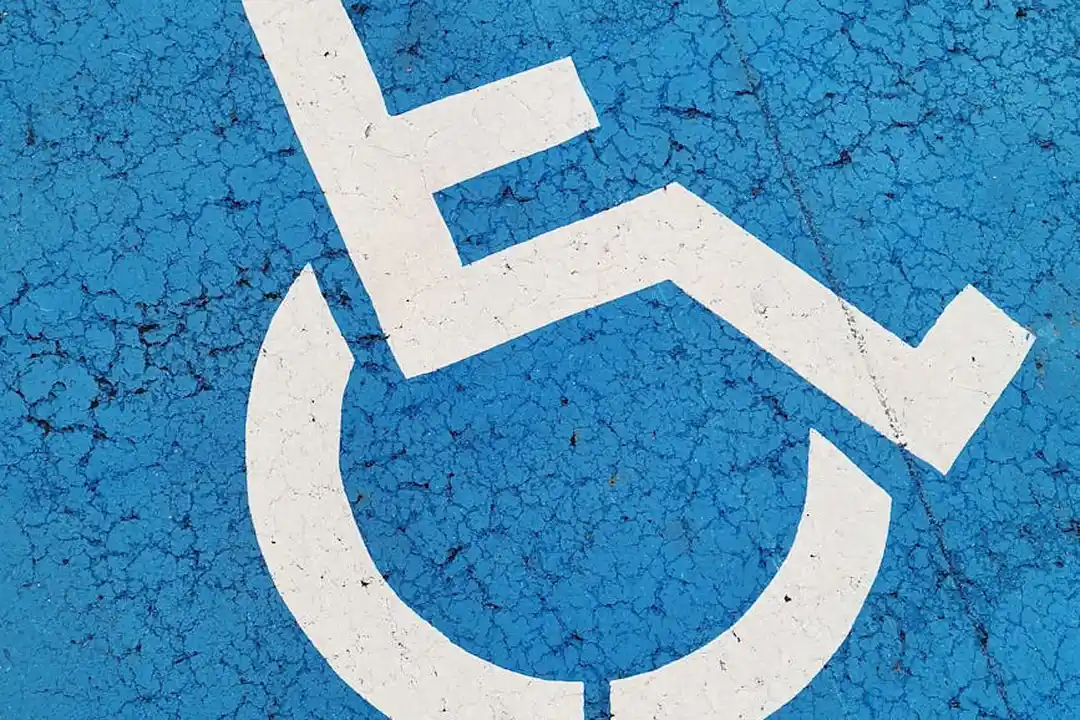
Other common prohibited zones include handicapped parking spaces without a proper permit, landscaped areas, and sidewalks. You also risk a fine or tow for blocking a neighbor’s driveway, parking on the wrong side of the street facing opposing traffic, or leaving your car in a designated guest spot for days on end. These actions disrupt the community and create real hazards.
Violations in these zones often have immediate consequences. For safety-critical areas like fire lanes and handicapped spots, many communities have a zero-tolerance policy that results in immediate towing without a preliminary warning. It is simply not worth the risk.
Violations Related to Vehicle Types and Conditions
HOAs frequently establish rules about the types of vehicles permitted to park in visible areas, mainly to preserve community aesthetics and property values. Rules often prohibit inoperative or unregistered vehicles, which are typically defined as those that cannot be driven legally on public roads or are visibly damaged. These are often considered eyesores and can attract pests. Like all HOA powers, these rules are subject to legal limits set by state law and the HOA’s governing documents. Residents can challenge rules that exceed those limits.
You will also commonly find restrictions on commercial vehicles, RVs, boats, and large trailers. Many associations ban the long-term parking of vehicles with commercial signage, oversized RVs, or boats to maintain a residential appearance and free up parking space for residents. Covering a non-compliant vehicle with a tarp is rarely an acceptable workaround and may itself be a violation.
Ignoring these vehicle-type rules rarely ends well. Persistently storing a prohibited vehicle in the community will almost certainly lead to escalating fines and can culminate in the HOA authorizing its removal by a towing company. Always check the rules before bringing a new vehicle home. HOAs also ban or restrict common activities like parking and noise levels, so it’s wise to review the broader rules too. Being mindful of these restrictions can help avoid disputes.
Guest and Visitor Parking Mistakes
Your HOA sets guest parking rules to maintain order and prevent overcrowding in shared spaces. Most communities require temporary permits, stickers, or enforce strict time limits for any visitor vehicles. Ignoring these can lead to immediate fines or towing, even if your guests didn’t know the rules. HOA enforcement extends to non-members as well, including guests and contractors. Violations by non-members carry the same penalties as those by residents.
- Failing to register visitor vehicles with the HOA office in advance.
- Letting guests park beyond the allowed duration, such as overnight or for multiple days.
- Using assigned resident spots without permission, which often triggers complaints.
- Not displaying parking passes clearly on dashboards or windows.
- Assuming weekends or holidays exempt guests from standard regulations.
Follow these simple steps to avoid headaches and keep your guests compliant. Start by contacting your HOA to understand the specific process for your community. It can be helpful to know how to reach your HOA board members.
- Obtain temporary parking passes or stickers from your HOA management before guests arrive.
- Educate guests on all parking rules, including time limits and designated areas.
Long-Term and Abandoned Vehicle Parking Issues

HOAs define abandoned or overstayed vehicles as those left unattended for extended periods, often with expired tags or visible neglect. Leaving a car parked in the same spot for weeks without movement is a red flag for enforcement. This applies to streets, common lots, and even your own driveway if it violates community standards.
- Accumulating fines that increase over time for non-compliance.
- Immediate towing at the vehicle owner’s expense after warnings.
- Legal actions or liens if repeated violations occur.
- Damage to community aesthetics and safety, leading to neighbor disputes.
Protect yourself by using proper storage solutions for vehicles you won’t drive regularly. Rent a garage space or use off-site storage facilities to keep your property in good standing.
How to Handle and Dispute Parking Fines or Towing
Receiving a parking violation notice can feel frustrating, but a calm and informed approach is your best tool. Your immediate action should be to avoid letting emotions dictate your response, as a polite and procedural approach yields far better results.
Step 1: Review the Citation Details and Evidence
Before you do anything else, carefully examine the notice left on your vehicle or sent in the mail. Check for the specific rule you allegedly violated, the date, time, location, and any photo evidence provided by the patrol service. Look for any possible errors, such as an incorrect license plate number or a location where the rule does not technically apply.
Step 2: Contact HOA Management with Your Dispute
If you believe the citation was issued in error, your first contact should be with the HOA management company or community manager. Prepare a clear and concise explanation of why the fine is incorrect, referencing the specific evidence and the governing documents. It is often helpful to send your dispute in writing via email to create a paper trail. Attach any photos or documents you have that support your case.
Step 3: Follow Formal Appeal Procedures if Your Vehicle Was Towed
A towing situation is more urgent and requires swift, formal action. Your first priority is to retrieve your vehicle from the impound lot to avoid accumulating daily storage fees, even if you plan to dispute the tow. Be aware of state or local laws governing HOA towing practices, including notice requirements and permissible grounds for tow. These laws can affect both the tow and your options during the appeal process. Once the vehicle is secure, you must follow your HOA’s formal appeal process, which is typically outlined in the community’s Covenants, Conditions, and Restrictions (CC&Rs). This often involves submitting a written appeal to the HOA board of directors for a hearing.
- Pay the towing fees under protest to get your car back immediately.
- Formally request a hearing with the HOA board in writing.
- Gather all your evidence, including photos, correspondence, and a copy of the relevant HOA rule.
- Present your case calmly and factually at the hearing.
Tips for Preventing Repeat Parking Offenses
The best way to handle a fine is to avoid getting one in the first place. Make a habit of thoroughly reviewing your community’s parking rules and any updates sent via newsletter or official memo. Proactive communication is key to staying compliant and maintaining good standing with your neighbors and the HOA board. If conflicts with noisy neighbors or unfair fines arise, consult the ultimate HOA problem solving checklist to guide your next steps. It helps you document incidents, communicate clearly, and pursue a fair resolution through the proper channels.
- Obtain and properly display guest parking passes for all visitors.
- If you own multiple vehicles, know which ones must be parked in your garage.
- Report any non-functioning vehicles to management to seek a temporary solution.
- Talk to your neighbors about shared parking challenges to foster a cooperative environment.
Common Questions
How do I get a parking permit for my guests?
You must obtain a temporary parking pass or sticker from your HOA management office before your guests arrive. It is your responsibility to ensure your guests display the pass correctly and follow all time limits.
Can the HOA really tow my car without warning?
Yes, for critical safety violations like blocking a fire lane or a handicapped spot, immediate towing is often authorized. Your HOA’s governing documents grant this enforcement power to protect community safety and access. When enforcement requires entering your property, HOAs typically must follow notice requirements. They must also comply with applicable state entry rules to balance safety with residents’ privacy.
What should I do if the parking rules change?
You are responsible for staying informed of all rule updates, which are typically communicated via official HOA newsletters, emails, or posted notices. Ignorance of a new rule is generally not considered a valid excuse for a violation.
Where can I park a commercial vehicle or RV long-term?
Most HOAs prohibit storing these vehicles in driveways or common areas to maintain community aesthetics. You will likely need to rent a private garage or use an off-site storage facility to comply with the rules.
Protect Your Vehicle from HOA Penalties
Always keep a copy of your HOA’s parking rules handy and review them periodically. By avoiding frequent missteps like parking in reserved spaces or blocking access lanes, you can prevent costly fines and the hassle of a tow. These are just some of the common violations in HOAs.
Further Reading & Sources
- HOA Parking Rules: Resolving Common HOA Parking Issues | HOAM
- Are HOAs Allowed to Tow? Parking Enforcement Rules and Rights – Educational Community for Homeowners (ECHO)
- HOA parking rules: A complete guide
- Resolving Common HOA Parking Issues and Rules Enforcement – Condominium Associates
Brandon has been on both ends of HOA, as part of it, he has helped build his community in Oregon, while also helping other homeowners deal with typical and atypical issues one might face. He has 8+ years of experience dealing with HOAs himself and on behalf of his friends and family, and he brings his extensive expertise and knowledge to make your HOA interaction seamless and smooth.
Enforcement Procedures