
HOA-Approved Exterior Paint Colors and Materials: A Homeowner’s Guide
Published on: January 1, 2026 | Last Updated: January 1, 2026
Written By: Brandon Chatham
Your HOA’s rules for exterior paint and materials exist to protect your property values and maintain a cohesive community aesthetic. The quickest way to find your HOA-approved exterior paint colors and materials is to review your community’s official governing documents, specifically the Architectural Guidelines or Covenants, Conditions, and Restrictions (CC&Rs).
You might be wondering where these official documents are located if you don’t have a copy. Most HOAs provide digital copies through a resident portal on their management company’s website. You can also request them directly from your HOA board or property manager.
Navigating HOA paint and material rules can feel confusing, but you don’t have to guess. This guide walks you through the entire process. We’ll show you how to decode your specific HOA guidelines, choose durable and approved materials, and successfully submit an application for your project. Get ready to update your home’s exterior with confidence.
Understanding HOA Color Compliance and Guidelines
HOAs enforce exterior paint rules to create a unified and appealing neighborhood look. This consistent aesthetic directly protects your property value by preventing clashing or poorly maintained homes from negatively impacting the area. A cohesive streetscape makes the entire community more desirable. That cohesion can also help your HOA work to increase neighborhood property values. A well-kept, predictable look makes homes more attractive to buyers.
Before you buy a single paint sample, you must review your community’s governing documents. Key documents include the Architectural Guidelines, which detail paint specifics, and the Covenants, Conditions, and Restrictions (CC&Rs), which outline your obligations. Ignoring these documents is the fastest way to have your project denied.
You will encounter specific terms in your HOA’s paint policy that you need to understand. An “approved color palette” is a limited selection of colors, often from specific brands like Sherwin-Williams or Benjamin Moore, that you must use. “Material restrictions” can prohibit certain finishes, like high-gloss paints on siding, or ban materials like untreated wood that require frequent staining.
Navigating Your HOA’s Approved Color Palette
Your HOA manager or website should provide the official approved color palette. These palettes are often grouped into shade families-like earth tones, coastal hues, or historic colors-to ensure harmony between neighboring homes. Staying within these families gives you flexibility while maintaining compliance.
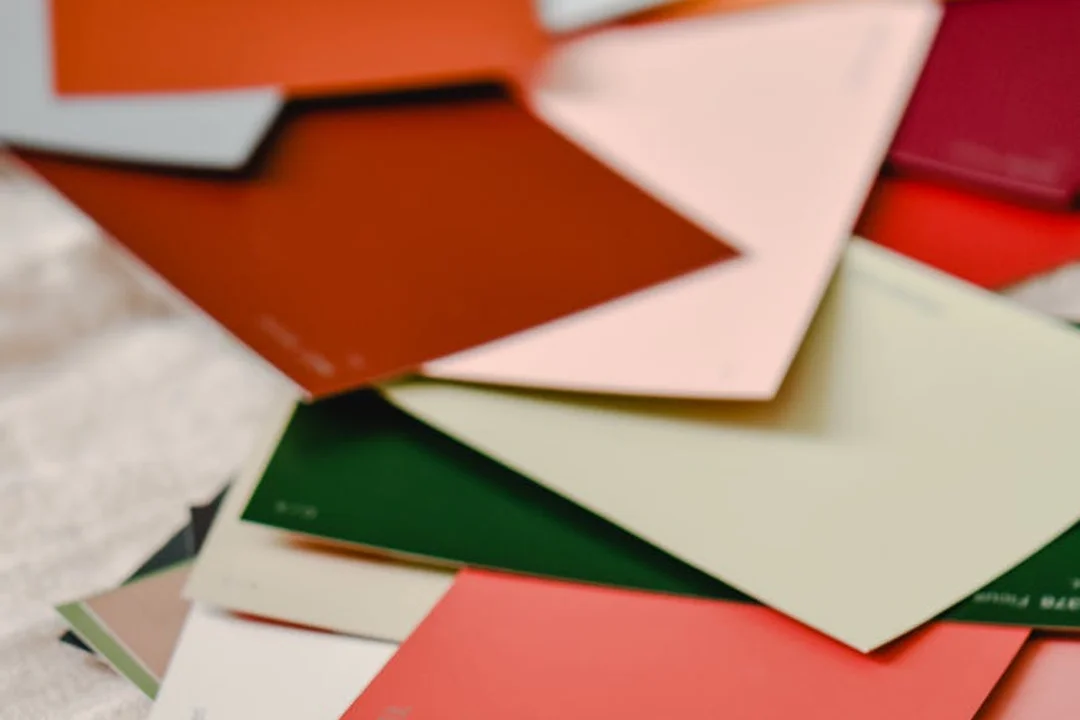
Use physical paint swatches from the designated manufacturer to make your initial selections. Many paint company websites and apps offer digital visualization tools that let you upload a photo of your home and “paint” it with your chosen colors. This helps you see how the color looks at different times of day and on your specific home’s texture.
Contrast is a powerful tool for adding personality within the rules. Using a bold, approved color for your front door against a neutral body color is a classic way to enhance curb appeal and express individual style. Similarly, selecting a slightly darker or lighter shade for trim and shutters can add depth and architectural interest to your home’s exterior.
Steps to Select and Submit Your Paint Choices for Approval
-
Begin by thoroughly reviewing your HOA’s architectural guidelines and downloading the official application form for exterior modifications. Make sure you understand the HOA’s CCRs, as they outline approved materials, styles, and placement. Understanding them can help you tailor your project to fit the guidelines. Note all deadlines, required information, and any associated fees to avoid immediate rejection.
-
Select two or three color combinations that fit within the approved palette and complement the style and colors of nearby homes. Consider taking photos of your neighbors’ houses to demonstrate how your choices will fit into the existing streetscape.
-
Prepare a complete submission package that includes the application form, physical paint swatches taped to a board, and manufacturer name and color codes. Include rendered images from visualization tools and photos of your home marked with where each color will be applied.
-
Submit your complete package to the architectural review committee and note the expected review timeline. This begins the homeowners’ architectural review journey, outlining the timeline from application approval to final decisions. Tracking these milestones helps you plan permits and stay on schedule. If you receive a request for changes, respond promptly and politely with revised options to keep the process moving forward smoothly.
Common HOA Requirements for Exterior Materials and Finishes
Your HOA’s rules on materials are designed to protect property values by ensuring a cohesive and well-maintained community appearance. These guidelines often specify approved materials based on their proven durability and ability to withstand local weather patterns. Before planning a fence, deck, or patio project, check whether HOA approval is required and what steps to take. Clarifying the approval process early can save time and prevent delays. Familiarizing yourself with these options is your first step toward a smooth, approved project.
Typical HOA-Approved Materials
- Stucco: A popular choice for its seamless look and excellent fire resistance. It holds paint well but requires a specialized elastomeric coating to accommodate its slight expansion and contraction.
- Brick: Prized for its timeless appeal and minimal maintenance. Many HOAs permit painting brick, but some may require you to maintain the original, natural brick color, so always verify.
- Wood Siding: Offers a classic, customizable look with options like cedar shingles or clapboard. It demands more upkeep, including regular painting or staining, to prevent rot and insect damage.
- Vinyl Siding: A budget-friendly and low-maintenance option that comes in a vast array of pre-finished colors. Its color is molded in, so repainting is often discouraged and may require specific HOA approval.
Comparing Different Finishes
The sheen, or gloss level, of your paint affects both aesthetics and long-term upkeep. Choosing the right finish can significantly reduce how often you need to clean or repaint your home’s exterior.
- Matte/Flat: Excellent at hiding surface imperfections on materials like stucco. The downside is that it is less durable and can be difficult to clean without damaging the finish.
- Satin/Eggshell: This is the most versatile and commonly recommended finish. It offers a soft luster, good durability, and is much easier to clean than a flat finish, making it ideal for wood and fiber cement siding.
- Gloss/Semi-Gloss: Highly durable and very easy to wipe clean. This finish is best reserved for trim, doors, and shutters, as its high shine can highlight every flaw on larger surface areas.
How Materials Impact Color and Compliance
Your choice of material directly influences how a color looks and how long it lasts. A color that looks vibrant on smooth wood may appear much darker on porous, textured stucco. Vinyl siding colors are typically more fade-resistant but offer less flexibility for change. Always test your chosen paint color on a discrete section of your actual exterior material and observe it at different times of day before committing. This simple step ensures your selection will remain compliant and appealing for years.
Choosing the Right Paints and Finishes for HOA Compliance
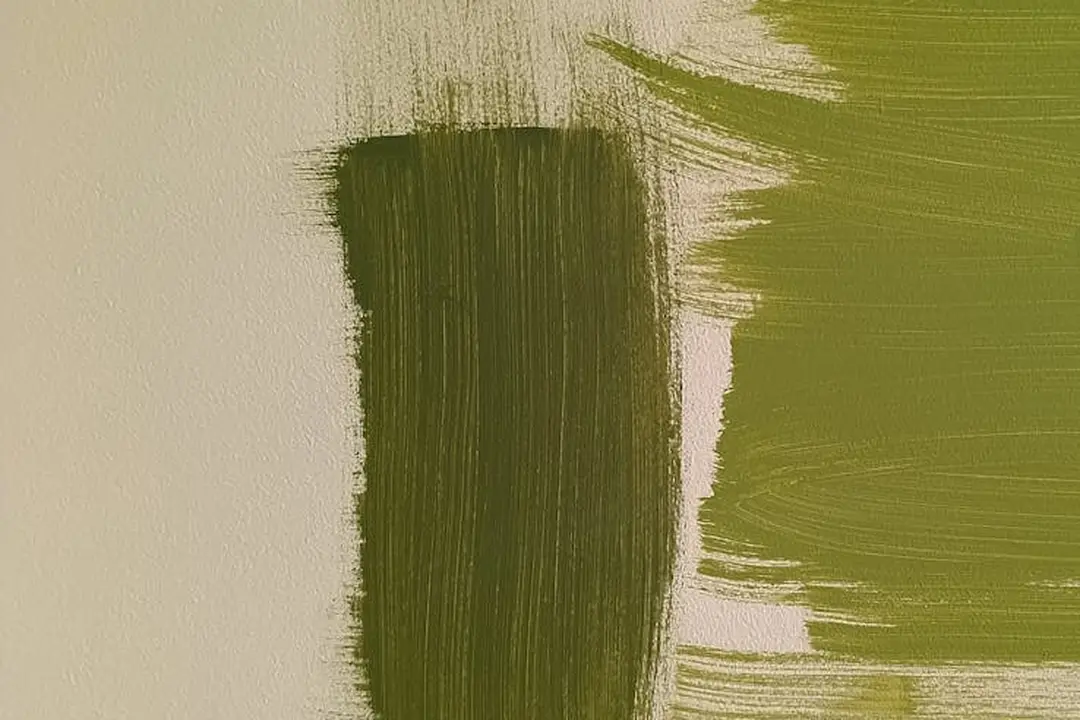
Selecting the correct paint is just as critical as choosing the color itself. Investing in high-quality, 100% acrylic latex exterior paint is non-negotiable for a long-lasting, compliant finish. These paints provide superior adhesion, flexibility, and resistance to cracking, peeling, and blistering.
Matching Paint to Your Home’s Material
A one-size-fits-all approach to paint will lead to premature failure and potential HOA violations. Using the wrong type of paint can trap moisture, leading to mold, mildew, and structural damage over time.
- For Stucco: You must use an elastomeric coating. This thick, flexible paint stretches and contracts with the stucco, bridging small hairline cracks and providing a waterproof barrier.
- For Wood: A high-quality acrylic latex is ideal. Always use a primer specifically formulated for wood to seal the surface and prevent tannin bleed-through, especially with cedar or redwood.
- For Metal Surfaces (gutters, railings): Look for paints formulated with rust-inhibitive properties. A direct-to-metal (DTM) primer is often required for proper adhesion and protection.
Essential Factors for Long-Term Curb Appeal
Beyond basic color matching, your paint must perform under your local environmental conditions. Modern exterior paints with built-in UV protection help prevent fading, keeping your home’s color within HOA standards for longer.
- UV Protection: This is critical in sunny climates. Paints with high UV resistance will maintain their color integrity, preventing the faded, chalky look that often triggers HOA maintenance letters.
- Mildew Resistance: Many premium paints include mildewcides, which are essential for homes in shaded or humid areas to prevent unsightly black spots.
- Ease of Cleaning: A paint with a good stain-resistant finish, like a satin or semi-gloss, allows you to wash away dirt, pollen, and minor grime with a garden hose, maintaining a fresh appearance with minimal effort.
Preparing for a Successful Exterior Paint Project
Before you open a single paint can, a thorough inspection of your home’s exterior is your most critical first step. You must identify and fix any underlying damage to your siding, trim, or other surfaces to ensure your paint job lasts and complies with HOA maintenance requirements. Look for cracks, rot, or peeling old paint that could undermine your new coat.
-
Inspect and Repair Surfaces
Pressure wash the exterior to remove dirt, mold, and loose paint. Scrape away all flaking paint and sand rough areas until they are smooth. Replace any rotted wood or damaged siding completely, as painting over it is a temporary fix that will lead to HOA violation notices down the line. Finally, apply a high-quality primer to all bare wood and repaired spots to seal the surface.
-
Select Tools and Techniques
Using the right equipment makes the difference between an amateur and a professional-looking finish. For large siding areas, a paint sprayer provides speed and a uniform coat, but you must use drop cloths to protect landscaping. High-quality synthetic bristle brushes are best for trim and detail work, as they hold more paint and leave fewer streaks. Always apply paint in thin, even layers, working from the top down to catch any drips.
-
Coordinate Your Efforts
If you hire a contractor, ensure they are fully briefed on the HOA’s approved color list and any specific application rules. For DIY projects, be mindful of the association’s rules regarding work hours and noise. To prepare for the HOA meeting, have a homeowners checklist handy to verify all approvals and documentation are in place. Clearly communicate your project timeline to the HOA management if required, and always keep a copy of your approved paint application on-site for verification. Proper planning prevents conflicts with your neighbors and the board.
Maintaining Your Home’s Exterior with HOA Standards

Your responsibility doesn’t end when the paint dries. Proactive maintenance keeps your home looking fresh and helps you stay in good standing with your HOA’s aesthetic standards. Remember, maintenance tasks are always the homeowner’s responsibility. Regular checks and timely repairs keep you on top of things.
-
Seasonal Maintenance Checklist
Conduct a visual inspection of your home’s exterior each spring and fall. In the spring, check for any winter damage, mildew, or fading on south-facing walls. Gently clean painted surfaces with a garden hose and a soft brush to remove pollen and grime that can degrade the paint over time. In the fall, clear gutters and downspouts to prevent water overflow, which can stain and damage your siding and trim.
-
Handling Touch-Ups and Repaints
For minor scratches or chips, keep a small amount of your approved paint for quick touch-ups. Before doing any significant touch-up work, double-check with the HOA that the color is still on the approved list, as palettes can be updated. If a full repaint is needed sooner than expected due to fading, you must resubmit an application, even if you are using the same color, to ensure you are following the correct procedure.
-
Regular Cleaning and Inspections
Make a habit of walking the perimeter of your home every few months. Look for early signs of trouble like dirt buildup, cobwebs, or the beginning of paint blistering. Promptly addressing small issues like mildew with a proper cleaner prevents them from becoming major eyesores that could result in a compliance letter. This routine upkeep protects your investment and demonstrates respect for your community’s shared appearance.
FAQs
What are the most common types of HOA-approved exterior color schemes?
HOAs typically favor neutral, earth-tone, or historically inspired color palettes to ensure visual harmony across the neighborhood. These schemes are designed to enhance curb appeal and protect property values by preventing clashing or overly bold choices. HOA rules are enforceable regulations that shape what you can do with your home. Understanding why they matter helps you navigate requirements and avoid penalties. Homeowners must always verify the exact palette in their community’s architectural guidelines.
How can I ensure my exterior paint color choices are HOA-compliant before purchasing?
Start by obtaining the official approved color list from your HOA and use manufacturer swatches or digital tools to visualize colors on your home. Submitting a complete application with precise color codes and samples is crucial for avoiding rejection and ensuring compliance. This proactive step saves time and resources. Beyond color approvals, it’s helpful to understand the HOA rules and ADA accessibility requirements for common areas and entrances. This knowledge helps homeowners navigate approvals smoothly and ensure that any changes remain compliant with accessibility standards.
Are there unique HOA exterior paint color requirements for KB Home communities in Parrish, Florida?
Yes, KB Home developments in Parrish often have pre-selected color palettes that align with the area’s architectural style and climate considerations. You should contact your specific HOA or review builder-provided documents for any localized rules that may differ from general guidelines. Florida’s weather may also influence recommendations for fade-resistant paints.
What happens if I use a non-approved exterior paint color in an HOA community?
Using unapproved colors can result in violation notices, fines, or a requirement to repaint at your own expense. Ignoring HOA paint rules risks penalties and can negatively impact your home’s value and neighborhood aesthetics. Are HOA fines legally enforceable? They’re typically enforceable if the HOA follows its CC&Rs and state law, but rules vary. Always seek approval before starting any exterior painting project to avoid these issues.
Making Your Exterior Project a Success
Always start by thoroughly reviewing your HOA’s specific governing documents for the official list of approved colors and materials. Do you need HOA approval for exterior changes? In most communities, yes—any alteration to color or materials typically requires prior review. Sticking to these pre-approved options is the most reliable way to ensure a smooth approval process and maintain your home’s value within the community.
Further Reading & Sources
- Color Schemes & Body Colors – SilverLakes HOA
- Sherwin-Williams Homeowners Association Color Archive
- Paint Colors – Exterior Approved | North Farm HOA – Alpharetta
- HOA-Approved Exterior Paint Colors Guide
Brandon has been on both ends of HOA, as part of it, he has helped build his community in Oregon, while also helping other homeowners deal with typical and atypical issues one might face. He has 8+ years of experience dealing with HOAs himself and on behalf of his friends and family, and he brings his extensive expertise and knowledge to make your HOA interaction seamless and smooth.
Design Standards