
Active Adult Community HOA vs. Traditional HOA: The Real Differences
The defining difference is that an Active Adult Community HOA is built around an age-restricted lifestyle for residents 55 and over, while a Traditional HOA serves a general population of all ages. This core distinction shapes everything from the community’s rules to the amenities it provides.
You might wonder, “What does an age restriction actually mean for me?” Legally, these communities must adhere to the Housing for Older Persons Act (HOPA), which allows them to maintain a focus on adults 55+. This creates a specific social environment and amenity set tailored to empty-nesters and retirees. The rules are designed to preserve a quieter, more predictable lifestyle.
Choosing the right community is a major decision that impacts your daily life and long-term happiness. This article will guide you through the key distinctions in rules, amenities, and costs. You’ll learn what to expect from the social scene in each type of community and get practical advice for evaluating which HOA structure truly fits your current needs and future plans.
Defining the Two Community Types
What is an Active Adult Community?
An Active Adult Community is a residential neighborhood specifically designed for adults, typically aged 55 and older, who desire a maintenance-light lifestyle with a strong emphasis on social and recreational activities. These communities are built around the concept of providing an engaging, hassle-free environment for people in a similar stage of life. You’ll often find them centered around extensive amenities like clubhouses, swimming pools, fitness centers, and organized activity calendars.
Homes in these communities can range from single-family detached houses to condominiums or townhomes. The key takeaway is that the entire community’s design and governance are tailored to the preferences and needs of older adults seeking an active, connected lifestyle. This is more than just a neighborhood; it’s a curated living experience.
What is a Traditional Homeowners Association?
A Traditional Homeowners Association (HOA) is a legal entity that manages a residential subdivision, planned community, or condominium complex. Its primary purpose is to maintain common areas and enforce a set of rules, known as Covenants, Conditions, and Restrictions (CC&Rs), designed to protect property values. These communities have no age restrictions, so you will find a diverse mix of residents, from young families and singles to retirees.
Membership in a traditional HOA is almost always mandatory for all property owners within the defined community. The board of directors, which is composed of volunteer homeowners, is responsible for the day-to-day management and financial health of the association. Their focus is generally on upkeep, rule enforcement, and budgeting rather than creating a specific social atmosphere. Additionally, board members have legal responsibilities to homeowners and the association, grounded in fiduciary duties of care and loyalty. They must comply with the governing documents, state laws, and relevant regulations.
Core Distinctions in Community Rules and Lifestyle
Age Restrictions and Resident Demographics
This is the most significant difference between the two community types. Active Adult Communities operate under the federal Housing for Older Persons Act (HOPA), which allows them to legally restrict occupancy to residents who are 55 or older. These communities often require that at least 80% of the homes have one resident who is 55 or older, fundamentally shaping the entire neighborhood’s demographic. You will not find children living in these communities as permanent residents.
Traditional HOAs, by contrast, are open to residents of all ages. This creates a vibrant, multi-generational environment where you might have young families with children living next door to empty-nesters and retirees. The rules in a traditional HOA apply to everyone equally, regardless of age, and are focused on property maintenance and community standards rather than life stage.
Governing Documents and Special Provisions
While both community types have CC&Rs, Bylaws, and Rules & Regulations, the content within these documents differs dramatically. An Active Adult Community’s governing documents will contain specific clauses related to the 55+ age restriction and provisions for verifying the age of residents. They also heavily feature rules about the use of recreational amenities and the operation of social clubs.
Traditional HOA documents focus on universal property concerns. You will find detailed guidelines on architectural control, landscaping standards, parking regulations, and pet policies that apply to a broad range of residents. The rules are designed for general harmony and aesthetic consistency across a diverse population, not for facilitating a specific lifestyle. This prompts the question: are HOA rules just regulations—and why do they matter? They matter because they help protect property values, safety, and the overall quality of community life.
Social and Recreational Focus
Active Adult Communities are built with socialization as a core feature. The HOA in this setting often functions as a full-time social director, organizing a constant stream of events like group trips, hobby clubs, fitness classes, and holiday parties. Your HOA fees directly fund this robust activity calendar and the maintenance of extensive facilities like golf courses, tennis courts, and craft rooms.
In a Traditional HOA, social events are usually less formal and more infrequent. While there might be a community pool or a park, the association’s primary role is to maintain these spaces, not to program activities within them. Any social gatherings are typically initiated by neighbors themselves rather than being a central, funded function of the HOA board.
Comparing HOA Governance and Financial Structures
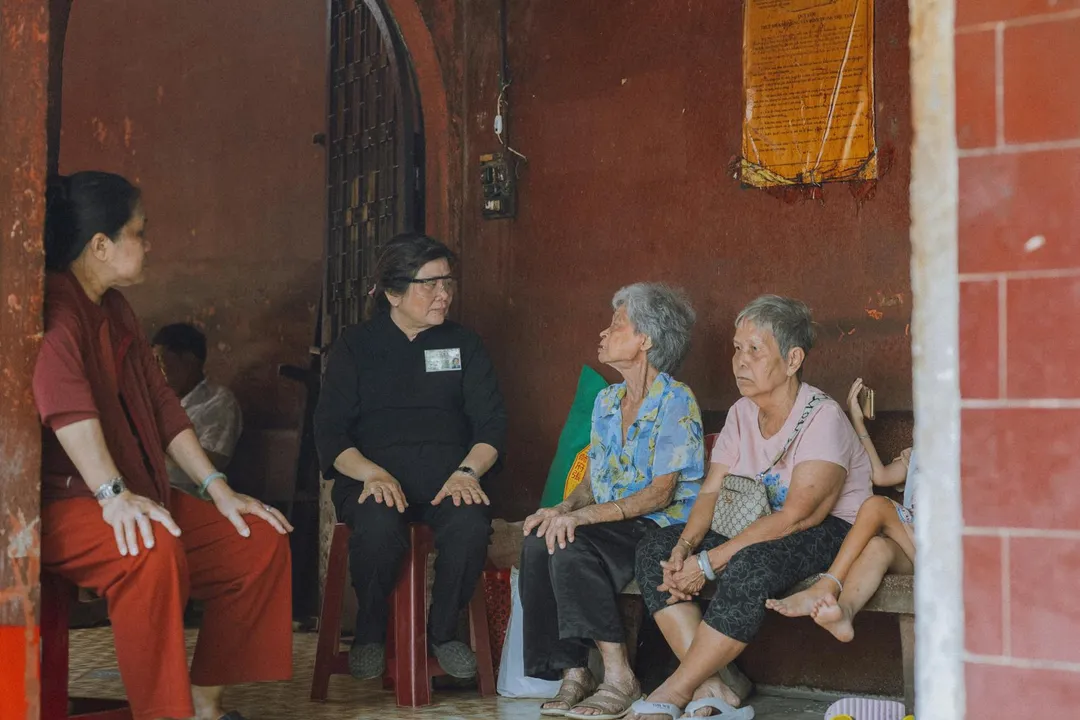
HOA Fee Structures and What They Cover
HOA fees in an Active Adult Community are often higher due to the extensive amenities and programmed activities. Your monthly payment isn’t just for lawn care and a pool; it’s for a lifestyle package that includes event planning, fitness instructors, and the upkeep of specialized facilities. These services and amenities are typically what justify higher HOA fees. You are paying for convenience and a built-in social network.
Fees in a Traditional HOA are typically calculated to cover the essentials. This budget pays for common area maintenance, landscaping, trash removal, insurance for shared structures, and contributions to the reserve fund for future repairs. The scope is narrower, focusing on property upkeep and shared utilities rather than a curated social experience. When homeowners challenge these fees, understanding what HOA fees cover helps determine if the charges are reasonable. Clear, itemized explanations empower better discussions with the board.
Board of Directors Responsibilities
The board in an Active Adult Community wears two hats: property manager and community activities director. Their duties expand beyond fiduciary responsibilities to include overseeing social committees, approving event budgets, and ensuring the community’s lifestyle appeal is maintained. They must cater to a very specific demographic with clear expectations for their retirement living.
A Traditional HOA board has a more standardized set of obligations. Their main jobs are enforcing the CC&Rs, managing vendors for maintenance, preparing an annual budget, and collecting dues. Their goal is to ensure the community runs smoothly and remains financially sound, serving a broad cross-section of homeowners with varied needs.
Maintenance Responsibilities and Reserve Funds
Active Adult Communities frequently offer more extensive exterior maintenance packages to uphold the “lock-and-leave” lifestyle they advertise. It’s common for the HOA to cover the cost of exterior painting, roof repairs, and lawn care for all homes, which is factored into the higher fees. The reserve fund must be substantial to account for the repair and replacement of numerous high-end amenities.
In a Traditional HOA, maintenance responsibilities are more clearly divided. The HOA is typically responsible for truly common areas like parks, pools, and private roads, while homeowners are responsible for the upkeep of their own lots and home exteriors. The reserve fund is critical for large, predictable projects like repaving roads or replacing a clubhouse roof, but it doesn’t usually cover individual home maintenance.
Amenities and Property Standards
Recreational Facilities and Common Areas
The types of amenities offered are often the most visible difference between these communities. Active adult communities typically design their recreational spaces specifically for an older demographic, focusing on low-impact and social activities. You will commonly find state-of-the-art clubhouses, fitness centers with specialized equipment, arts and crafts studios, and resort-style pools.
Traditional HOAs cater to a wider age range, which shapes their common areas differently. A traditional HOA might prioritize playgrounds, soccer fields, and basketball courts to serve younger families and children. Their community pools are often built for recreation and play rather than quiet lounging, reflecting the needs of their diverse residents.
Think about how you plan to spend your free time. Do you envision joining a book club or taking a water aerobics class? The active adult model is built for that. Your social life can flourish with built-in opportunities to connect with neighbors in your same stage of life.
Architectural Guidelines and Home Modifications
Both community types enforce rules to maintain a cohesive look, but their priorities can diverge. Active adult communities frequently have stricter architectural guidelines to ensure a uniform, high-end aesthetic that appeals to their target buyer. They may regulate everything from paint colors and landscaping to the style of your front door.
A significant focus in many 55+ communities is on accessibility and aging in place. You might find that the HOA is more receptive to reasonable modifications for accessibility, such as installing grab bars or ramps, even if they have strict rules about other exterior changes. The governing documents are written with future needs in mind.
Traditional HOAs also protect property values through architectural control, but the rules might be more generalized. The primary concern in a traditional HOA is often preventing any alteration that could be considered an eyesore or that deviates dramatically from the neighborhood’s original character. They are less likely to have pre-approved plans for accessibility features.
Key Questions for Homebuyers to Evaluate
Step 1: Assess Your Desired Lifestyle and Social Needs
Before looking at any specific property, have an honest conversation about what you want your daily life to be. Ask yourself if you prefer a quiet, child-free environment or the bustling energy of a multi-generational neighborhood. Your answer will immediately point you toward one community type over the other.
Be realistic about your social habits. If you enjoy organized activities and meeting new people with similar interests, the structured social calendar of an active adult community could be a perfect fit. If you prefer a more private social life, a traditional HOA with fewer mandatory events might be better.
Step 2: Scrutinize the Governing Documents and Fee Breakdown
Never buy a home in an HOA without thoroughly reading the Covenants, Conditions, and Restrictions (CC&Rs), bylaws, and rules. Pay close attention to the sections on age restrictions, guest policies, and rental limitations, as these can be deal-breakers. Look for any pending lawsuits or special assessments that could impact your finances. Evaluate your HOA before buying to understand ongoing costs and how rules could affect daily living. This upfront check helps ensure the community is the right fit and avoids surprises later.
Request a detailed breakdown of the HOA fees. Compare what your monthly or annual dues actually pay for, such as landscaping, security, amenities upkeep, and reserve funds for future repairs. An active adult community with a massive clubhouse and pool may have significantly higher fees than a traditional HOA that only maintains a park.
Step 3: Understand the Long-Term Rules and Restrictions
Your life circumstances can change, so you must consider the future. In an active adult community, understand the precise rules regarding what happens if your spouse passes away or if a younger family member needs to move in with you. These exceptions are often tightly controlled.
Think about your long-term plans for the property itself. If you think you might want to rent out your home someday, you must verify that the HOA’s governing documents permit rentals and under what conditions. Some communities have waiting lists or complete bans on leasing. Some HOAs also restrict or ban short-term rentals, so be sure to check the rules before making any rental plans. Knowing these rules now can help you avoid penalties later.
Navigating the Home Purchase Process
Disclosure Requirements and Resale Certificates
When you buy any home governed by an HOA, you receive a resale certificate. This package contains vital documents. You must review these papers carefully before your purchase is final, as they outline the rules and financial health you are agreeing to join. The packet typically includes the Covenants, Conditions, and Restrictions (CC&Rs), bylaws, current budget, and a record of any pending special assessments.
Active Adult communities add another critical layer of disclosure. You will encounter specific age-restriction documents. These often require formal acknowledgment.
- A detailed breakdown of the 80/20 rule and how it’s enforced within that specific community.
- An official occupancy affidavit you must sign, legally confirming that all residents will be 55 or older.
- Clarification on long-term guest policies for younger family members.
For a Traditional HOA, the focus shifts to different concerns. The disclosures here are more about the property’s physical and financial state. That raises the question of how well the HOA adheres to best practices for financial reporting transparency. Clear, accessible disclosures help owners understand the association’s financial health and budgeting.
- A detailed account of the association’s reserve funds for major repairs like roofs or roads.
- Records of any ongoing litigation involving the HOA.
- Minutes from recent board meetings, which can reveal upcoming projects or neighbor disputes.
Evaluating Active Adult Homes for Sale
Looking at an Active Adult community requires a lifestyle evaluation, not just a home inspection. Your due diligence should extend beyond the foundation and roof to the community’s social foundation and long-term viability. You are buying into a specific way of life designed for a particular age group.
Scrutinize the amenities and their maintenance. These features are central to the community’s value proposition.
- Check the condition and operating hours of clubhouses, pools, and fitness centers.
- Ask about the schedule and cost of organized activities, classes, and social events.
- Inquire if any major renovations are planned for amenities and how they will be funded.
Understanding the community’s demographic makeup is also crucial. A stable, well-established 55+ community often indicates a satisfying resident experience.
- Ask about the average length of residency and the current turnover rate.
- Gauge the general atmosphere-is it quiet and relaxed, or bustling with activities?
- Talk to current residents about their experience with management and neighbor relations.
When evaluating a home in a Traditional HOA, your focus is typically more property-centric. You are assessing the home within a set of rules. For buyers, a guide to HOA rules in new construction communities helps you navigate builder-driven covenants and the approvals process.
- Verify the HOA’s architectural guidelines if you plan to make any exterior changes, like adding a deck or painting.
- Confirm the policy on rentals, as some Traditional HOAs have caps or bans.
- Look closely at the condition of common areas you are responsible for, like shared driveways or landscaping.
Here is a quick comparison to guide your evaluation:
| Evaluation Focus | Active Adult Community | Traditional HOA |
|---|---|---|
| Primary Concern | Lifestyle fit and age-restriction compliance | Property rules and financial stability |
| Amenities | Central to decision; check quality and access | Secondary benefit; check maintenance costs |
| Key Documents | Occupancy affidavit, age-verification policies | Reserve study, rental and architectural guidelines |
FAQs
What is the meaning of an “active adult home”?
An active adult home is a property within a community specifically designed for a maintenance-light, socially-focused lifestyle for residents 55 and over. These homes are part of a community that enforces an age restriction to create a specific demographic and curated living experience.
Is the “active adult” lifestyle a marketing hoax?
No, the active adult designation is a legally defined community structure governed by the Housing for Older Persons Act (HOPA). While marketing can vary, the core promise of an age-qualified community with tailored amenities and rules is a legitimate and regulated model.
What should I look for in active adult home communities in Raleigh, NC for sale?
When evaluating these communities, closely review the specific age-verification rules and the schedule of organized social activities. You should also scrutinize the HOA fee breakdown to see how much covers extensive amenities versus basic maintenance.
How do I evaluate active adult homes for sale in South Brunswick, New Jersey?
Beyond the home inspection, assess the community’s long-term financial health by requesting the HOA’s reserve fund study. It is also crucial to talk to current residents about their experience with the management and the actual social environment.
Making Your HOA Decision
Active Adult HOAs center on age-specific rules and amenities for a quieter lifestyle, while Traditional HOAs manage diverse neighborhoods with broader regulations. Select the option that matches your daily routine and future aspirations to find a community where you truly belong.
Further Reading & Sources
- Benefits of an HOA: Why 55+ Homebuyers Want a Homeowners’ Association
- 55+ Active Adult Communities
- Living in a 55+ Community in New Jersey: Pros, Cons & FAQs to Know Before You Buy
- Hidden Costs for Senior Living: Active Adult Communities vs Retirement Homes | Del Webb
Brandon has been on both ends of HOA, as part of it, he has helped build his community in Oregon, while also helping other homeowners deal with typical and atypical issues one might face. He has 8+ years of experience dealing with HOAs himself and on behalf of his friends and family, and he brings his extensive expertise and knowledge to make your HOA interaction seamless and smooth.
Types of HOAs