
Can One Homeowner Block an HOA Rule Change?
Published on: April 6, 2026 | Last Updated: April 6, 2026
Written By: Brandon Chatham
A single homeowner usually cannot block an amendment to HOA rules alone. Most associations require approval from a majority or supermajority of homeowners to change governing documents.
You might wonder what happens if you are the only person who votes against a proposed rule change. Your single dissenting vote rarely stops adoption when the required majority favors it. Some changes affecting specific properties differently, like architectural control alterations, might offer you more individual recourse.
Reading further clarifies exactly how much support your HOA needs to amend its rules. We explain common voting thresholds and special veto powers for certain changes. You will also learn effective strategies to oppose unwanted amendments and protect your property rights.
How HOA Rule Amendments Actually Work
Amending your community’s rules is a formal process, not a casual decision made by the board. The board typically identifies a need for a new rule or a change to an existing one, often based on recurring issues or resident feedback. They then draft the proposed amendment, outlining the specific language and its intended purpose.
Homeowners must receive official notification of the proposed change and the upcoming meeting where the vote will occur. This notification period is legally mandated, giving you time to review the amendment, discuss it with neighbors, and form your opinion. The actual vote then happens, either at a special meeting or during a scheduled annual meeting, following the specific procedures laid out in your governing documents. Understanding your HOA’s election rules and procedures helps you participate effectively in your community’s voting process.
Understanding Voting Thresholds: Majority vs. Supermajority
The voting threshold is the single most important factor in determining if an amendment passes. This requirement dictates the minimum level of homeowner support needed for the rule change to become official. Getting this number wrong can invalidate an entire vote, so associations follow these calculations meticulously.
A simple majority means more than half of the votes cast are in favor. For example, if 100 votes are cast, 51 “yes” votes would pass the amendment. A supermajority requires a significantly higher percentage of votes, often 67% or even 75% of the entire membership, not just those who vote. This higher bar protects homeowners from sweeping changes without widespread community consensus.
What Your Governing Documents Say About Voting
Your HOA’s Covenants, Conditions, and Restrictions (CC&Rs) are the ultimate guide. Locate the section on “Amendments” in your CC&Rs—it will explicitly state the exact percentage of votes required for different types of changes. Some documents may even require a supermajority for major issues like special assessments or architectural guideline overhauls. Understanding the most common reasons for amendments helps homeowners anticipate what changes might be needed. Typical triggers include updates to comply with new laws, clarifying ambiguous terms, and revising rules around fees, architectural standards, or use of common areas.
Bylaws might outline the procedural aspects, like how votes are collected (in-person, by proxy, or by secret ballot). Ignoring these documented procedures is a common reason for successful voter challenges, so your board must adhere to them precisely. Always start your research with your own governing documents, as they hold the first answer.
When State Law Overrides HOA Rules
State laws act as a safety net for homeowners. Even if your HOA’s documents specify a lower threshold, your state’s nonprofit corporation act or planned community law may impose a higher minimum standard for certain amendments. These laws ensure a baseline of fairness across all communities in the state. However, it’s important to understand the legal powers and limitations of an HOA when navigating these rules.
For instance, some states mandate a supermajority vote for any amendment that changes how voting rights are allocated or that increases regular assessments beyond a certain cap. An amendment that violates state or federal law, such as the Fair Housing Act, is automatically void and unenforceable, regardless of how many homeowners voted for it. Your HOA’s attorney should review any major amendment to ensure it complies with these higher authorities. To assist with ongoing compliance, maintain a checklist for your HOA that covers HOA fair housing compliance checklist for state and federal fair housing laws. Regular review of this checklist with your attorney can help prevent violations.
The Real Power of a Single Homeowner’s Vote
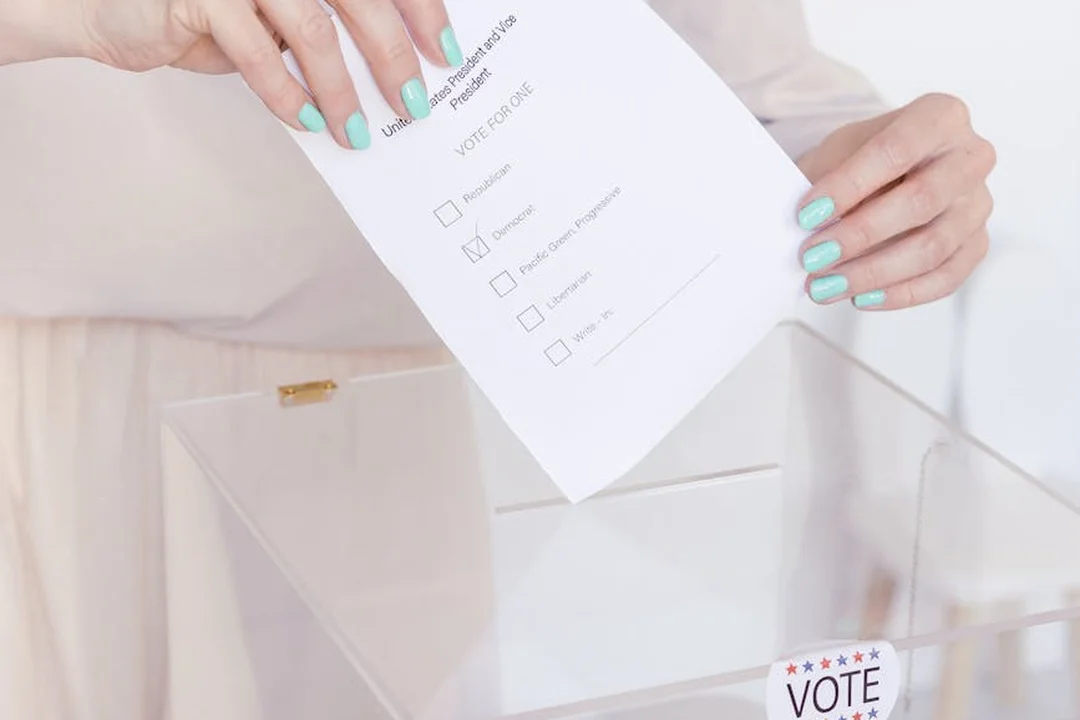
While you cannot single-handedly approve a new rule, your one vote can be the decisive factor in blocking one. Your vote carries immense weight in close decisions, especially when voter turnout is low or the amendment barely meets the required threshold. In many communities, a handful of engaged homeowners effectively control the outcome of most votes.
Apathy is your greatest ally or your worst enemy in these situations. Many amendments fail not because of widespread opposition, but because they did not achieve the required quorum-the minimum number of homeowners who must participate for the vote to be valid. By simply showing up and voting “no,” you contribute to that quorum and make your opposition count.
Can You Veto an Amendment Alone?
You cannot issue a formal veto. However, you can effectively block an amendment alone in one very specific scenario. If your governing documents require a unanimous vote for certain extreme amendments, then your single “no” vote truly does hold absolute veto power. Unanimity is rare and usually reserved for changes that affect property titles, like altering lot boundaries.
In a standard supermajority scenario, your power is more subtle but still real. If the amendment needs 75% approval and the “yes” votes are exactly at 75%, your one “no” vote drops the percentage to 74.9%, effectively killing the proposal. In this case, you have blocked the amendment single-handedly. Your influence is also powerful behind the scenes; by persuading just a few neighbors to join your opposition, you can easily shift the outcome.
Steps to Legally Oppose a Proposed Amendment
You have a voice in your community’s governance. Your first and most powerful step is to understand your HOA’s governing documents, specifically the amendment procedure outlined in the Covenants, Conditions, and Restrictions (CC&Rs). This is your rulebook for a legitimate challenge. As you navigate HOA bylaws and covenants, staying informed about the approval process and meeting timelines will strengthen your participation. Know the required votes, notice periods, and opportunities for member input.
Mobilizing Other Homeowners Against Change
One dissenting voice can be ignored, but a unified group is much harder to dismiss. Collective action is your most effective tool.
Start by communicating your concerns clearly and respectfully with your neighbors.
Host a casual meet-up, create an email chain, or use a neighborhood social media group to discuss the amendment’s potential impacts.
- Identify shared grievances. Explain how the change affects property values, quality of life, or financial burdens for multiple owners.
- Gather factual support. Research similar cases, gather cost estimates, or find data that backs up your position.
- Present a united front at meetings. A show of hands or a group statement during the open forum period demonstrates significant opposition.
- Circulate a petition. A formal document signed by dissenting homeowners can be presented to the HOA board as tangible proof of widespread disagreement.
Formal Challenges and Legal Recourse
If mobilization fails and the amendment process moves forward, you can escalate your opposition through more formal channels.
Formally challenge any procedural errors made by the board during the amendment process.
Common missteps include improper notice, failing to meet quorum, or not following the exact voting percentage required by your CC&Rs.
- Send a written demand to the board. Detail the specific procedural violations and request they halt the vote or nullify the results.
- Request dispute resolution. Many HOA governing documents mandate mediation or arbitration before any lawsuit can be filed.
- Consult with an HOA attorney. A lawyer specializing in community association law can review your case and advise on the strength of a potential legal challenge.
- File a lawsuit as a last resort. You can sue the HOA, arguing the amendment is unreasonable, violates state law, or conflicts with the community’s fundamental purpose.
What Happens After an Amendment Passes

The vote is over, and the amendment passed. This does not mean you are without options. Your rights as a homeowner continue even after a new rule is enacted.
Your Rights and Remedies as a Dissenting Owner
Compliance with the new rule is generally required, but you still have paths to seek relief or challenge its enforcement.
You retain the right to request a reasonable accommodation or variance if the new rule creates a unique hardship for you.
Boards often have the power to grant exceptions on a case-by-case basis.
- Pay any new fees under protest. If you are charged a new assessment, pay it but state in writing that you are doing so “under protest” to preserve your right to challenge it later.
- Monitor enforcement. If the HOA applies the new rule selectively or unfairly, you have grounds to challenge the violation notice.
- Run for the board. The most direct way to influence future rules is to secure a seat on the board of directors yourself.
- Continue political efforts. Work to gather support to repeal the amendment at a future meeting or vote out board members who supported it.
Remember that challenging an HOA action in court is expensive and time-consuming, so it should be reserved for significant issues where the HOA has clearly overstepped its legal authority. A judge will typically uphold an amendment if it was adopted properly and for a legitimate purpose, even if it is unpopular. So, you’ll want to challenge an HOA rule affecting your property value only when you have a strong legal basis.
Preventing Future Amendment Disputes
You can build a stronger, more harmonious community by focusing on the process before a vote even happens. Proactive communication is the most powerful tool for preventing amendment disputes from ever starting. When homeowners feel heard and informed, they are far more likely to support changes. This same approach is crucial for handling political disagreements and division within your HOA.
Foster Open Communication Channels
Create multiple ways for homeowners to learn about and discuss proposed changes. Surprises often lead to resistance, so keep everyone in the loop from the very beginning. Do communicate rule changes effectively to all homeowners through clear language and multiple channels. Encourage questions and feedback to ensure everyone understands and supports the changes.
- Host informal “town hall” meetings to discuss potential amendments before the formal voting process begins.
- Use email newsletters, community apps, and physical bulletin boards to share drafts of proposed rules.
- Clearly explain the “why” behind each amendment-how it benefits the community, protects property values, or resolves an existing issue.
Strengthen Your Governing Documents
The language in your Covenants, Conditions, and Restrictions (CC&Rs) is your first line of defense. Review your amendment procedures with a qualified attorney to close any potential loopholes. A small investment in legal review now can save thousands in litigation later.
- Specify clear quorum requirements for amendment votes to ensure decisions represent the community.
- Define what constitutes a “super-majority” vote (e.g., 67% or 75%) for significant changes.
- Explicitly state whether a “no vote” is the same as a “vote against” or if only returned ballots count.
Implement Fair Voting Procedures
A transparent and accessible voting process builds trust and legitimacy. In HOAs, proxy voting is a common way for members to participate when they can’t attend in person. But how does a proxy vote work, and does it really reflect the owner’s intent? Make it easy for every homeowner to cast their ballot and have it counted accurately.
- Provide ample notice of the vote, including the full text of the proposed amendment.
- Offer multiple voting methods: mail-in ballots, online voting, and in-person options.
- Use a neutral third party or an appointed committee to count ballots and certify results.
- Promptly announce the results to the entire community, regardless of the outcome.
Address Concerns Early and Directly
When a homeowner voices opposition, listen carefully to their specific concerns. Often, a simple clarification or a minor compromise can turn an opponent into a supporter. Dismissing their worries will only solidify their resistance.
- Acknowledge the validity of their perspective, even if you disagree with their conclusion.
- Offer to meet one-on-one to explain the amendment’s intent and address their specific issues.
- Be prepared to amend the proposal if it addresses a legitimate, widespread concern.
Build a Culture of Community Involvement
Apathy is a major enemy of smooth governance. An engaged community is more likely to participate constructively. Encourage regular participation on committees and at board meetings to foster a sense of shared ownership. When people feel connected to their neighbors and their community’s well-being, they are less likely to take obstructive stands.
## What People Ask
Can one homeowner’s vote ever be enough to stop an amendment?
Yes, but only in specific circumstances. Your single vote can block an amendment if it causes the “yes” votes to fall short of a required supermajority threshold.
What if the HOA doesn’t get enough people to vote on a rule change?
If voter turnout is too low to meet the quorum requirement, the vote is invalid and the amendment fails. In this case, your decision not to vote effectively helps block the change just as much as a “no” vote.
Do state laws ever give a single owner more power to block a change?
State laws generally do not grant individual veto power. However, state law can void an amendment entirely if it conflicts with statutes like the Fair Housing Act, regardless of the vote count.
What can I do if I disagree with an amendment after it has already passed?
You must generally comply with the new rule, but you are not without options. You can formally request a variance for personal hardship or challenge the rule’s enforcement if it is applied unfairly or selectively.
Your Action Plan for HOA Amendments
You typically cannot block an HOA rule amendment as a single homeowner on your own. Protect your interests by familiarizing yourself with the voting procedures in your governing documents and exploring legal options if disputes arise. After purchase, changes to CC&Rs or HOA rules can still affect your home. Knowing how amendments are proposed, voted on, and enforced helps you respond effectively.
Further Reading & Sources
- NEW RULES AND REGULATIONS FOR YOUR HOA | California Homeowners Association | HOA
- Yes, You Can Change Your HOA Rules! Here are the 3 Keys to Making It Happen
- How To Change HOA Rules? | Elite Management Services
- Adopting & Amending HOA Rules
Brandon has been on both ends of HOA, as part of it, he has helped build his community in Oregon, while also helping other homeowners deal with typical and atypical issues one might face. He has 8+ years of experience dealing with HOAs himself and on behalf of his friends and family, and he brings his extensive expertise and knowledge to make your HOA interaction seamless and smooth.
Changes to Rules and Bylaws