
Fostering a Child-Friendly HOA: Essential Policies for Play and Safety
Published on: February 21, 2026 | Last Updated: February 21, 2026
Written By: Brandon Chatham
To create a child-friendly environment in your HOA, implement clear policies that balance safety with opportunities for play, such as designated play areas and community events. This approach helps build a welcoming space where families can thrive together.
You might wonder how to start this process without causing conflicts. Begin by gathering input from residents through surveys or meetings to identify their specific needs and concerns. This collaborative method ensures policies are practical and widely supported.
Why read on? This article breaks down actionable steps to design safe playgrounds, set fair rules, and organize engaging activities. We cover real-world examples and common pitfalls to help you transform your community into a family-friendly haven. You will find guidance on everything from budget-friendly upgrades to handling noise complaints effectively.
The HOA’s Fundamental Role in Child Safety and Play
Your HOA holds a direct responsibility to cultivate an environment where children can thrive safely. This duty extends beyond simple rule enforcement to actively shaping a welcoming and secure community for all ages. You are not just managing property; you are fostering a neighborhood. HOA members’ rights and responsibilities go hand in hand. Residents have the right to safe, well-maintained common areas and fair governance, and the responsibility to participate respectfully and follow community rules.
- Define the HOA’s duty to create safe, inclusive spaces for families.
- Explain how child-friendly policies benefit property values and community harmony.
- List key areas of focus: playgrounds, common areas, and amenities.
A community known for its family-friendly atmosphere becomes highly desirable. Well-maintained play areas and clear safety protocols directly boost curb appeal and protect your collective investment. They reduce neighbor disputes and create a positive, collaborative spirit among residents, making it easier to build a strong sense of community in your neighborhood.
Focus your efforts on three primary zones. Playgrounds demand the highest safety standards, while pools, clubhouses, and open green spaces all require specific, child-conscious rules. Even sidewalks and parking lots fall under this umbrella, needing design considerations for young pedestrians and cyclists.
Designing and Upgrading Safe Playgrounds and Recreational Areas
Essential Playground Safety Measures
Building a playground requires more than just assembling equipment. You must adhere to proven safety standards from the initial design phase to prevent serious injuries. Cutting corners here invites liability and endangers children.
- Select age-appropriate and certified play equipment.
- Install proper surfacing like mulch or rubber to cushion falls.
- Ensure adequate fencing, lighting, and clear sightlines for supervision.
Always choose equipment certified by a recognized safety organization. Separate play structures for toddlers (ages 2-5) and school-age children (5-12) to match their developmental abilities and reduce conflict. This simple zoning prevents smaller children from being overwhelmed.
The surface material is your most critical safety feature. Engineered wood fiber or poured-in-place rubber surfacing provides the necessary impact absorption for falls from heights. Concrete, grass, and asphalt are unacceptable and dangerous as fall surfaces.
A secure perimeter fence with a self-latching gate is non-negotiable. Good lighting allows for evening use, and clear sightlines from nearby benches let parents supervise comfortably without hovering. Trim back any landscaping that creates blind spots where a child could be hidden from view.
Regular Maintenance and Risk Mitigation
Safety is an ongoing process, not a one-time installation. Proactive and documented maintenance is your best defense against accidents and lawsuits. A reactive approach only addresses problems after they occur.
- Schedule routine inspections for equipment wear and hazards.
- Document maintenance logs and address repairs promptly.
- Assess risks related to traffic, water features, and other amenities.
Conduct professional inspections semi-annually and visual walk-throughs weekly. Look for loose bolts, rust, splintering wood, and vandalism that could create sharp edges or pinch points. Check surfacing depth regularly, as materials compact and disperse over time.
Keep a detailed log of every inspection and repair. This documentation proves your HOA exercised due diligence if an incident ever occurs. It also helps you track recurring issues and plan for future budget allocations. As part of essential HOA operating procedures every board should implement, establish a standardized record-keeping policy to guide all maintenance actions. This ensures consistency and accountability across the association.
Evaluate risks beyond the playground itself. Is the play area situated away from busy community roads and parking lot traffic? For pools, ensure compliant drain covers and anti-slip surfaces. A holistic view of your amenities identifies hidden dangers.
Establishing Clear Supervision and Conduct Policies
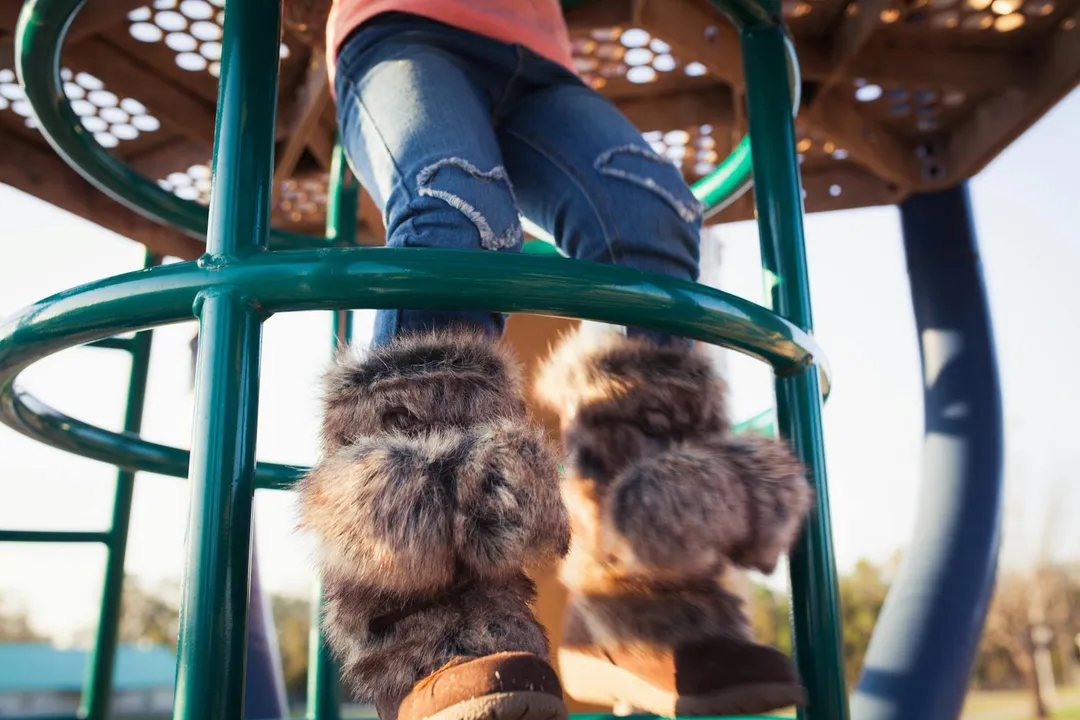
Supervision Guidelines for Common Spaces
Clear rules set expectations for everyone and prevent misunderstandings. Your policies should explicitly state that parents or guardians are ultimately responsible for their children’s safety and behavior. The HOA provides the safe environment, but supervision is a shared duty. Make sure to have a comprehensive code of conduct in place to reinforce these responsibilities.
- Set rules for parent or guardian presence based on child age and activity.
- Define acceptable behavior to prevent bullying and ensure inclusivity.
- Outline consequences for policy violations to maintain order.
Consider a tiered supervision rule. For example, children under 10 may require direct adult supervision in the playground, while teens might have more independence with signed waivers. Pool areas almost always require adult supervision for minors, regardless of swimming ability.
Spell out what constitutes unacceptable conduct. Explicitly prohibit bullying, roughhousing on equipment, and excluding other children from play. Promote an inclusive atmosphere where all kids feel welcome to participate.
Your governing documents must define the consequences for breaking rules. This typically starts with a formal warning, can escalate to fines for repeated offenses, and may even involve suspending amenity access privileges. Consistent enforcement is key to maintaining respect for the policies.
Age Restrictions and Access to Amenities
Some amenities inherently pose greater risks to young children. Setting age limits is a standard and responsible practice to minimize liability and ensure safety. These rules are based on insurance requirements and developmental capabilities.
- Specify age limits for pools, gyms, or other high-risk areas.
- Create zoning rules to separate play zones from adult-only spaces.
- Consider family passes or designated times for child-friendly use.
Fitness centers often restrict users to ages 16 and older due to complex equipment. Pools might have a “children under 14 must be accompanied by an adult” rule, with specific wading pool hours for toddlers. Post these restrictions clearly at every amenity entrance.
Use zoning to create peaceful coexistence. Designate a “quiet zone” in a common park away from the playground for residents seeking tranquility. This gives everyone a dedicated space to enjoy without conflict.
For amenities with strict age limits, offer family-oriented solutions. Schedule “family swim” hours at the pool or “family gym” times where supervised children can participate. This shows your HOA values all members while upholding necessary safety standards. Such practices also encourage compliance with HOA swimming pool rules and schedules.
Communicating Guidelines and Enforcing Resident Responsibilities
Clear communication turns complex rules into shared community values. Well-defined guidelines help everyone understand their role in maintaining a safe and enjoyable space for children.
-
Draft easy-to-understand safety rules and conduct guidelines.
Keep language simple and direct, avoiding dense legal jargon. Specify age-appropriate areas, quiet hours, and prohibited activities like skateboarding in high-traffic zones. Use positive phrasing where possible, such as “Please use walking feet near the pool” instead of “No running.”
-
Use newsletters, websites, and community meetings to share information.
Repetition across different channels ensures the message reaches everyone. Feature a “Safety Spotlight” in your monthly newsletter and pin the rules permanently to the HOA website’s homepage. During meetings, dedicate time for a Q&A session to address resident concerns directly.
-
Encourage parents to educate children on HOA policies and safe play.
The HOA sets the stage, but safety is a team effort. Provide parents with a simple, one-page summary they can review with their kids, framing the rules as ways to be a good neighbor. Consider hosting a fun, annual “Safety Day” to demonstrate proper playground etiquette.
-
Implement a system for reporting concerns and feedback.
A clear process prevents minor issues from escalating. Offer multiple reporting methods, like an online form, a dedicated email address, and a confidential phone line. Acknowledge all reports promptly and follow up with the community when a resolution is reached.
Managing Legal Liability and Risk Preparedness

Proactive risk management protects both children and the association’s financial health. A prepared HOA can respond calmly and effectively to unexpected incidents.
-
Review insurance coverage and liability waivers for playground use.
Schedule an annual review with your insurance agent to confirm your policy adequately covers common area accidents. Ensure your general liability policy includes premises medical payments for minor injuries. For organized events, consider having parents sign simple liability waivers.
-
Develop a response plan for accidents or injuries in common areas.
Create a clear, step-by-step guide for board members and staff. This plan should include emergency contact numbers, first-aid kit locations, and a procedure for filing an incident report. Practice this drill so everyone knows their role during a stressful event.
-
Consult legal experts to ensure policies comply with local laws.
State and municipal regulations can affect everything from pool fencing to playground surfacing. An attorney familiar with HOA law can review your covenants and rules to identify potential legal vulnerabilities. This small investment can prevent costly lawsuits and code violations.
-
Keep records of safety audits and incident reports.
Meticulous documentation demonstrates your commitment to due diligence. Maintain a secure file of all inspection reports, maintenance logs, and any reported incidents. This creates a vital paper trail that proves the HOA acted responsibly if a claim is ever filed. This aligns with best practices for HOA financial reporting transparency. Clear records build trust during audits and disclosures.
Fostering an Inclusive and Responsive Community Environment
Creating a neighborhood where families thrive requires more than just playgrounds. It demands a proactive approach to managing the daily interactions that define community life. A successful HOA balances the vibrant energy of children with the peace and quiet all residents deserve. Effective governance can help raise neighborhood property values by maintaining aesthetics, safety, and consistent standards. A well-run HOA attracts buyers who value a stable, family-friendly environment.
Addressing Noise and Traffic Concerns
Children playing is a wonderful sound, but it can sometimes lead to tensions. A clear, considerate policy on play hours and traffic flow prevents most issues before they start. This isn’t about restricting fun, but about creating predictable patterns that everyone can plan around.
- Establish designated “Quiet Hours” for evenings, typically after 8 PM, to respect those who are winding down.
- Post clear, friendly signs in common areas reminding everyone that “Children at Play” and to please drive slowly.
- Schedule louder, organized activities for mid-morning or early afternoon on weekends.
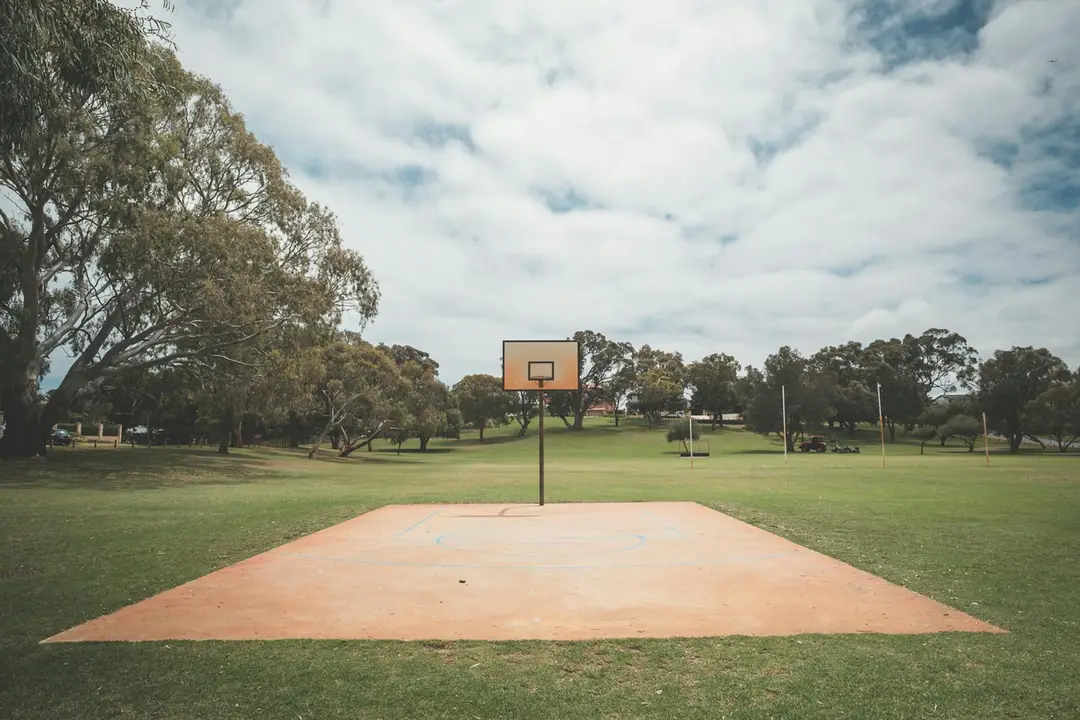
- Designate specific, safe areas for activities like basketball to concentrate noise away from bedroom windows.
Promoting Family-Friendly Events and Amenities
Your community’s common areas and social calendar are powerful tools for building connections. Intentionally planning events that appeal to multiple generations turns neighbors into friends. This creates a natural support system and a shared sense of pride in the neighborhood.
- Host seasonal events like a summer ice cream social, a Halloween parade, or a holiday cookie decorating contest.
- Ensure your community pool or clubhouse has dedicated family swim times or game nights.
- Create a “Lending Library” for toys, sports equipment, or board games in a common area.
- Consider a community garden where families can work together and children can learn about nature.
Handling Resident Complaints Fairly and Promptly
How your board responds to a complaint about a child’s behavior can either build trust or destroy it. A fair, documented process ensures every resident feels heard and respected. The goal is to solve the problem, not to assign blame.
- Acknowledge receipt of the complaint within 24 hours to show you take it seriously.
- Investigate the issue by speaking with all parties involved, including the children’s parents, to get the full story.
- Focus on mediating a solution that works for everyone, such as adjusting play locations or times.
- Follow up a week later to ensure the solution is holding and that relations have improved.
Encouraging Volunteer Efforts
Residents who invest their time in the community become its strongest advocates. Volunteer-led initiatives foster a powerful sense of shared ownership and responsibility. This is especially true for projects that directly improve the environment for children.
- Form a “Safety Patrol” of parent volunteers to perform monthly visual inspections of playground equipment.
- Organize quarterly “Park Clean-Up Days” where families can work together to weed, mulch, and pick up litter.
- Create a “Welcome Wagon” committee that includes families to greet new residents with kids.
- Solicit volunteer “mentors” for older kids to help with tutoring or learning a new skill like gardening.
FAQs
What are residents’ responsibilities regarding child safety in HOAs?
Residents must supervise their children in common areas and teach them to follow all posted rules. Parents and guardians are ultimately responsible for ensuring their children’s safe and respectful behavior to prevent accidents and conflicts.
Are there age restrictions for certain HOA amenities?
Yes, HOAs commonly set age limits for high-risk amenities like pools and fitness centers to align with safety standards. These restrictions help minimize liability and ensure that amenities are used appropriately based on developmental stages.
How should HOAs handle safety concerns reported by residents about children?
HOAs should implement a clear, confidential reporting system and investigate all concerns promptly and fairly. Addressing issues through mediation and follow-up ensures resolutions that maintain community trust and safety. Mediation offers a structured, neutral process to resolve HOA disputes quickly and amicably. It can reduce hostility and prevent disputes from escalating into formal complaints.
What are best practices for childproofing HOA common areas?
Childproofing includes securing potential hazards with measures like padded corners, secure gates, and non-slip surfaces. Regular safety audits and installing age-appropriate safeguards in high-traffic zones significantly reduce injury risks.
A Community That Welcomes Families
Creating a child-friendly HOA hinges on establishing clear rules for play and investing in safe, communal design. Ultimately, a successful neighborhood is built when residents and the board work together to balance fun with responsibility for everyone’s benefit. For buyers evaluating new construction communities, a clear guide to HOA rules helps you know what’s allowed and what to expect. This buyer’s guide to HOA rules in new construction communities can help you compare developments and choose the right fit.
Further Reading & Sources
- Does Your HOA Have a Kid-Related Rule Like This One? Rethink It. | HOAleader.com – Practical Advice on Homeowner Association Management
- When Laws Collide: Child Safety Or Discrimination?
- Outside Safety Tips for Kids at Play in Your Homeowners Association
- Can an HOA forbid children from playing in common areas that do not require a key card? My children play at a creek in our neighborhood where they have built little houses, pathways, and more. – Quora
Brandon has been on both ends of HOA, as part of it, he has helped build his community in Oregon, while also helping other homeowners deal with typical and atypical issues one might face. He has 8+ years of experience dealing with HOAs himself and on behalf of his friends and family, and he brings his extensive expertise and knowledge to make your HOA interaction seamless and smooth.
Common Areas