
How Much Does Mediation Typically Cost?
Published on: March 19, 2026 | Last Updated: March 19, 2026
Written By: Brandon Chatham
Mediation typically costs between $100 and $300 per hour, with total fees ranging from $1,000 to $5,000+ depending on the complexity of your case. The final price tag varies dramatically based on the type of dispute, the mediator’s expertise, and your geographic location.
You might be wondering why the price range is so wide. Simple matters like a basic contract disagreement often resolve quickly for under $2,000. Complex cases like business partnerships or high-conflict divorces can easily surpass $10,000 because they require more sessions and specialized mediators.
Understanding these cost variables helps you budget effectively and avoid surprises. This guide breaks down exactly what influences mediation fees, from case complexity to mediator credentials. We will explore average costs for common disputes like divorce and business conflicts, compare mediation to litigation expenses, and share practical tips for managing your total investment.
Key Factors That Determine HOA Mediation Costs
Mediation costs are not a one-size-fits-all number. The final price tag for resolving your HOA dispute depends heavily on a few critical variables that can significantly change the total. Likewise, HOA fees are calculated based on several factors affecting HOA fees—maintenance needs, reserve funding, and per-unit assessments. Those same variables can influence the monthly or annual costs you face. Understanding these factors helps you budget effectively and sets realistic expectations for the entire process.
How Mediator Expertise and Location Impact Fees
A mediator’s background and where they practice directly influence their rates. An expert in HOA law and community conflicts will command a higher fee than a general-purpose mediator because they bring specialized, relevant knowledge to the table. Their deep understanding of governing documents and state statutes can streamline the entire process.
Geographic location plays a major role as well. Operating costs and the general cost of living mean mediators in major metropolitan areas typically charge more than those in rural regions.
- Expertise Level: A retired judge or attorney specializing in real estate law will be at the premium end. A mediator with general civil experience will be more affordable.
- Geographic Variance: Expect higher rates in cities like San Francisco or New York compared to smaller towns in the Midwest.
- Certifications: Mediators with advanced certifications from recognized bodies often justify higher fees with proven skill sets.
The Role of Dispute Complexity in Total Cost
The nature of your disagreement is the single biggest driver of time and cost. A simple, single-issue dispute over a fence color will resolve much faster and cheaper than a multi-faceted argument involving alleged financial mismanagement. Complex cases require more preparation, longer sessions, and sometimes multiple mediators.
Think about the number of parties involved and the intensity of their positions. A disagreement between two homeowners is simpler than a dispute between a homeowner and the entire board.
- Simple Issues: Architectural approval disputes, minor noise complaints, or single bylaw interpretations.
- Complex Issues: Construction defect claims, election challenges, significant budget disagreements, or allegations of board misconduct.
- Evidence Volume: Cases requiring extensive document review, witness statements, or expert opinions will inherently take more time and cost more.
Understanding Common Mediation Fee Structures
Mediators use different models to bill for their services. Knowing whether you are paying by the hour or a flat project fee helps you understand the financial commitment and potential for variable costs. Always ask for a written agreement that clearly outlines the fee structure before you begin.
Hourly Rate vs. Flat Fee Arrangements
The hourly rate is the most common payment model. You pay for every hour the mediator works, including preparation, session time, and follow-up. Hourly rates provide flexibility but can create uncertainty if the dispute drags on longer than anticipated.
A flat fee is a pre-arranged, set price for the entire mediation process. This is often offered for simpler, more predictable cases.
| Fee Model | Best For | Considerations |
|---|---|---|
| Hourly Rate | Unpredictable or complex disputes where the session count is unknown. | Offers flexibility but total cost is not capped. |
| Flat Fee | Straightforward issues with a clear scope, like a single mediation session. | Provides cost certainty and simplifies budgeting for all parties. |
Retainers and Additional Ancillary Costs
Many mediators require an upfront retainer before work begins. A retainer acts like a deposit that the mediator draws from as they accumulate billable hours, with any unused portion typically refunded to you. This secures their services and ensures payment.
Your budget must also account for costs beyond the mediator’s base fee. These ancillary expenses can add up quickly if not planned for.
- Retainer Fees: Often equivalent to several hours of service or a percentage of an estimated flat fee.
- Venue Rental: If a neutral meeting space is needed and not provided by the HOA.
- Document Preparation: Copying, shipping, or electronic distribution of lengthy HOA documents and evidence.
- Travel Expenses: Reimbursement for the mediator’s travel if the meeting is held off-site.
Who Pays for HOA Mediation Fees?

Determining financial responsibility is a crucial step before mediation starts. Payment arrangements should be decided and agreed upon in writing by all participating parties to prevent new conflicts from arising over the bill. Ambiguity here can undermine the entire resolution process.
HOA Policy on Mediation Expenses
Your HOA’s governing documents might already have a policy addressing dispute resolution costs. Many HOA bylaws explicitly state that mediation costs for certain types of disputes are a legitimate common expense, paid from the HOA’s operating fund. This is common for disputes between the board and a homeowner. To handle disputes effectively, review the mediation provision and follow its required steps. Knowing your rights helps you advocate for a fair outcome.
Check your Covenants, Conditions, and Restrictions (CC&Rs) or bylaws for a section on “Dispute Resolution” or “Alternative Dispute Resolution.” If the documents are silent, the board will need to make a policy decision.
Strategies for Equitable Cost Sharing
When the HOA is not covering the full cost, parties must find a fair way to split the fees. A common and straightforward approach is an equal split, where all involved parties—whether two homeowners or a homeowner and the HOA—divide the total cost equally. This promotes a sense of shared investment in a successful outcome. Understanding which HOA fees the association covers—and which costs you may be able to challenge—helps you approach disputes more effectively. Being aware of coverage details can also guide fair splits when contesting charges.
Other arrangements can be negotiated based on the specific situation and ability to pay.
- Pro-Rata Share: Costs are divided based on the number of units represented or another measurable factor.
- Outcome-Based Sharing: The party who is deemed less successful in the mediation might agree to bear a larger portion of the cost.
- Good Faith Deposit: Each party contributes an equal amount to a fund managed by the mediator, which is then used to pay the final invoice.
Comparing Mediation Costs to Litigation and Arbitration
When your HOA faces a conflict, choosing the right path forward saves more than just time. Mediation often emerges as the most financially prudent option by a significant margin, preventing legal fees from spiraling out of control. Understanding the full financial picture of each method empowers your board to make a smart decision for the entire community. Consider whether the dispute can be resolved through compromise rather than a court ruling. If preserving relationships, keeping costs predictable, and speed are priorities, mediation is usually the better starting point.
Total Cost Breakdown of Alternative Dispute Methods
Let’s examine the real numbers you can expect with each dispute resolution route. These figures can vary based on your location and the case’s complexity.
| Method | Typical Hourly Rate | Estimated Total Cost | Key Cost Drivers |
|---|---|---|---|
| Mediation | $100 – $300 per hour (shared) | $1,500 – $5,000+ | Mediator’s fee, preparation time, single-day session. |
| Arbitration | $200 – $500 per hour | $5,000 – $20,000+ | Arbitrator fees, formal proceedings, evidence presentation. |
| Litigation | $250 – $600 per hour (per attorney) | $15,000 – $50,000+ | Multiple attorneys, court fees, discovery, prolonged timeline. |
The most significant advantage of mediation is its shared cost structure, where the HOA and the other party split the mediator’s fee. Arbitration and mediation for HOA disputes, in contrast, often involve both sides paying for their own legal representation, effectively doubling the expense. Litigation carries the added risk of a judge ordering one side to pay the other’s attorney fees, creating a potentially devastating financial outcome for the HOA. These cost dynamics are a key factor in deciding between arbitration and mediation for HOA disputes. In many cases, mediation is favored for its flexibility, faster resolution, and lower overall cost, while arbitration may be chosen for a more formal, enforceable result.
Practical Ways to Reduce HOA Mediation Expenses

Proactive management of the mediation process can lead to substantial savings for your association’s budget. A little preparation goes a very long way in keeping costs low and reaching a resolution efficiently. Understanding the difference between mediation and arbitration can help you choose the most cost-effective option. Mediation is a collaborative, usually non-binding process, while arbitration yields a binding decision. Follow these steps to exercise financial prudence.
Step 1: Gather All Necessary Documentation Early
Walking into mediation fully prepared is the single best way to save money. Time spent searching for documents during the session burns through your budget. To prepare for a successful mediation session, assemble key documents in advance and outline your goals. A clear plan helps the mediator steer discussion efficiently and keeps the process focused.
- Collect all relevant HOA governing documents: Covenants, Conditions & Restrictions (CC&Rs), bylaws, and meeting minutes.
- Compile a chronological history of the dispute, including all written communication like emails and letters.
- Gather photographic or video evidence, violation notices, and any previous attempts at resolution.
- Have financial records ready if the dispute involves assessments or fines.
Organizing your evidence beforehand allows the mediator to grasp the core issues quickly, avoiding costly delays. Presenting a clear, documented case also strengthens your position and encourages a faster settlement.
Step 2: Research Low-Cost and Pro Bono Options
Many communities have resources dedicated to providing affordable dispute resolution services. It pays to investigate these avenues before committing to a private mediator.
- Contact your local city or county government to inquire about community mediation centers.
- Reach out to state or national nonprofit organizations focused on alternative dispute resolution (ADR).
- Check with your state’s bar association, as they sometimes maintain lists of attorneys who offer pro bono or sliding-scale mediation services.
- Ask other local HOA boards for mediator recommendations who are known for being both effective and affordable.
Non-profit mediation centers can reduce fees by as much as 50-75% compared to the private market, making resolution accessible for any budget. These mediators are often highly experienced and specialize in community-based conflicts.
Step 3: Negotiate Fee Structures and Payment Plans
Never assume a mediator’s advertised rate is set in stone. Their fee structure often has built-in flexibility, especially for community associations.
- Propose a flat fee for the entire session instead of an hourly rate to cap your total expense.
- Ask about a “half-day” rate if you believe the dispute can be resolved quickly.
- Inquire about a sliding scale fee based on your HOA’s annual budget or reserve funds.
- Discuss splitting the total cost into two or more payments to ease the burden on your operating account.
Many mediators are willing to work with HOAs on payment terms because they value fostering agreement within communities. Being upfront about your budget constraints is not a sign of weakness but of responsible financial stewardship.
Accessing Low-Cost and Free Mediation Services
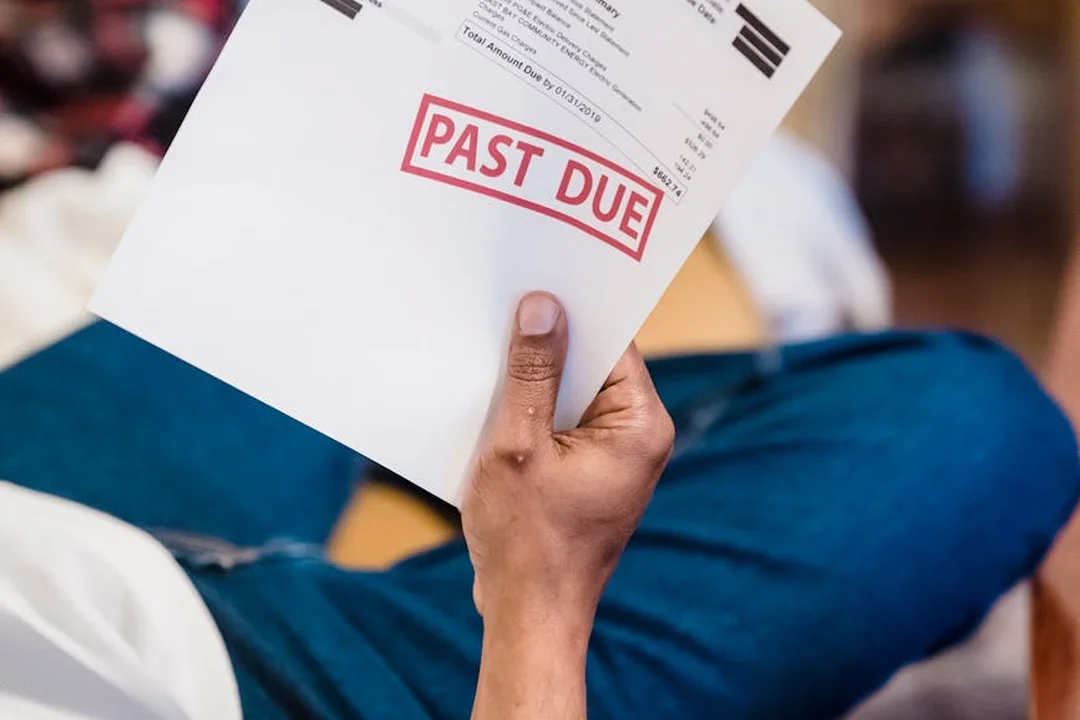
Many homeowners facing HOA disputes worry about the price tag of finding a resolution. Fortunately, numerous pathways exist to secure professional mediation without draining your savings, making a fair outcome accessible even on a tight budget. You just need to know where to look and what questions to ask.
Community Mediation Centers and Subsidy Programs
Your local community is often the best place to start your search for affordable help. Non-profit community mediation centers are a fantastic, often overlooked resource that provide services based on a sliding scale tied directly to your household income. These centers are staffed by trained, certified mediators who specialize in neighborhood and housing disputes.
You can typically find these centers by contacting your city or county clerk’s office or searching online for “community dispute resolution” in your area. Fees at these centers can range from completely free to a nominal administrative cost, often between $50 and $200 total for the entire session, split between both parties. Some HOA boards even set aside an annual budget to subsidize these costs for residents, viewing it as an investment in community harmony.
- Search for “community mediation center” plus your city or county name.
- Contact your local government clerk’s office for referrals.
- Ask your HOA board if they have a pre-negotiated discount or subsidy program with a local service.
- Inquire directly with mediators if they offer a sliding scale fee structure based on income.
Evaluating Pro Bono and Insurance-Based Solutions
Beyond community programs, other avenues can significantly reduce or eliminate your out-of-pocket expenses. Pro bono, which means “for the public good,” is a term for professional services offered at no cost, and some lawyer-mediators dedicate a portion of their practice to such work. Local bar associations often manage pro bono referral services that can connect you with an attorney-mediator willing to take on your HOA case for free.
Another area to investigate is your own insurance coverage. Review your homeowner’s insurance policy carefully, as some policies include “loss assessment” coverage or other riders that might help cover the costs associated with dispute resolution, including mediation. While not all policies include this, it is a crucial step that many homeowners miss.
Your HOA’s master insurance policy might also offer some form of conflict resolution benefit. It is always worth asking your HOA board to provide a copy of the policy’s declaration page to see if mediation services are a covered expense for the association. Does the HOA master policy actually cover mediation or other dispute-resolution costs? Checking the declaration page will show what’s included. This shifts the financial burden from you personally to the HOA’s insurance carrier.
- Contact your state or local bar association for pro bono mediation referrals.
- Perform a thorough review of your personal homeowner’s insurance policy documents.
- Submit a written request to your HOA management for information on the master policy’s coverage.
- Prepare documentation of your dispute and financial situation when applying for pro bono help.
Common Questions
Who is typically responsible for paying for HOA mediation?
Payment arrangements should be decided and agreed upon in writing before the process begins. A common and straightforward approach is an equal split, where all involved parties divide the total cost equally.
How much does mediation cost per hour?
Mediation typically costs between $100 and $300 per hour. The final price tag varies dramatically based on the mediator’s expertise and your geographic location.
Are there cost differences for mediation in states like California, Utah, or South Carolina?
Yes, geographic location plays a major role in the final cost. Mediators in major metropolitan areas typically charge more than those in rural regions due to higher operating costs.
Where can I find real-world insights on mediation costs, like on Reddit?
Online forums can provide anecdotal experiences from other homeowners. However, always verify any cost information you find with local, certified professionals for accurate pricing.
Smart Steps for Your HOA Mediation Budget
Mediation costs for HOA disputes often range from $100 to $500 per hour, with total expenses influenced by your dispute’s complexity and the mediator’s expertise. To manage expenses effectively, always request detailed quotes from multiple mediators and confirm if your HOA’s insurance or reserves can cover part of the fee. Disputes about maintenance decisions—like what to repair or when—often raise questions about who pays mediation fees. Knowing whether maintenance-related costs are charged to the HOA or to members helps you gauge the real price of mediation.
Further Reading & Sources
- How Much Does Mediation Cost and How Long Does It Take? – Kim Mediation
- Mediation | NYCOURTS.GOV
- WIPO Schedule of Fees and Costs
- Mediation Fees – Divorce Cost
Brandon has been on both ends of HOA, as part of it, he has helped build his community in Oregon, while also helping other homeowners deal with typical and atypical issues one might face. He has 8+ years of experience dealing with HOAs himself and on behalf of his friends and family, and he brings his extensive expertise and knowledge to make your HOA interaction seamless and smooth.
Mediation Processes