
What Is Mediation and How Can It Resolve HOA Disputes?
Mediation is a confidential, voluntary process where a neutral third party helps people in a dispute, like an HOA and a homeowner, talk through their issues and find a mutually agreeable solution. It’s not about winning or losing; it’s about finding common ground and crafting a resolution that works for everyone involved.
You might be wondering why you would choose mediation over just going to court. Mediation is almost always faster, significantly less expensive, and far less stressful than formal litigation. The process is designed to preserve relationships, which is crucial when you live in the same community and will continue to see your neighbors and HOA board members. A courtroom battle can create lasting animosity, while mediation fosters cooperation.
Navigating a disagreement with your homeowners association can feel overwhelming and isolating. This article will guide you through the entire mediation process, from deciding if it’s the right step for your situation to what happens in a session. We will cover the key benefits, outline the typical steps, and explain common HOA issues that are perfect for mediation. You will learn how to prepare effectively and what kind of outcomes you can realistically expect.
Understanding HOA Mediation
HOA mediation is a structured conversation guided by a neutral third party. Think of the mediator as a facilitator, not a judge; their goal is to help you and the association find your own mutually agreeable solution. This process is voluntary and confidential, creating a safe space for open dialogue that you won’t find in a formal hearing or courtroom, especially when compared to HOA violation hearings.
Many people confuse mediation with arbitration or litigation. The key difference lies in who holds the decision-making power. In mediation, you and the HOA craft the final agreement together. You retain complete control over the outcome, which is why resolutions from mediation often feel more fair and lasting than a verdict imposed by someone else.
Key Principles of the Mediation Process
- Voluntary Participation: All parties must willingly agree to take part.
- Confidentiality: What is said in mediation stays there and cannot typically be used in later legal proceedings.
- Impartial Facilitator: The mediator does not take sides or assign blame.
- Future-Focused: The discussion centers on solving the problem moving forward, not rehashing past grievances.
The HOA Mediation Process Step-by-Step
Knowing what to expect can ease anxieties and help you prepare effectively. While details can vary, most HOA mediations follow a predictable path designed to foster cooperation.
Step 1: Agreement to Mediate
Both you and the HOA board must formally agree to try mediation. This often involves signing a simple agreement that outlines the ground rules and confirms everyone’s commitment to the process. Sometimes, your HOA’s governing documents may even require mediation before a lawsuit can be filed. Understanding the steps in the HOA dispute resolution process can help you prepare. Typically, after mediation, outcomes may lead to arbitration or court if needed.
Step 2: Selecting a Mediator
You and the HOA will work together to choose a qualified mediator. Look for professionals with specific experience in community association disputes. A mediator who understands HOA laws and common community conflicts can navigate the issues much more efficiently. You can find them through local bar associations or community mediation centers.
Step 3: The Initial Joint Session
Everyone meets together with the mediator. Each side gets uninterrupted time to explain their perspective on the dispute. This is your chance to be heard directly by the board members, and for you to hear their concerns directly from them. The mediator listens carefully to identify the core interests behind the stated positions.
Step 4: Private Caucuses
The mediator will then likely separate the parties for private meetings. These confidential sessions allow for frank discussion about potential solutions and bottom lines without the pressure of the other side listening. The mediator moves between rooms, testing ideas and working to find common ground.
Step 5: Negotiation and Agreement
Based on the progress in caucuses, the mediator brings everyone back together to negotiate terms. The goal is to draft a written settlement agreement that is clear, specific, and signed by all parties. This document becomes a legally binding contract that resolves the dispute.
Step 6: Implementation
The final step is simply following through on the agreement you created. Because you helped design the solution, compliance is usually much higher than with a court order. The mediator’s job is done once the agreement is signed.
Common HOA Disputes Suitable for Mediation
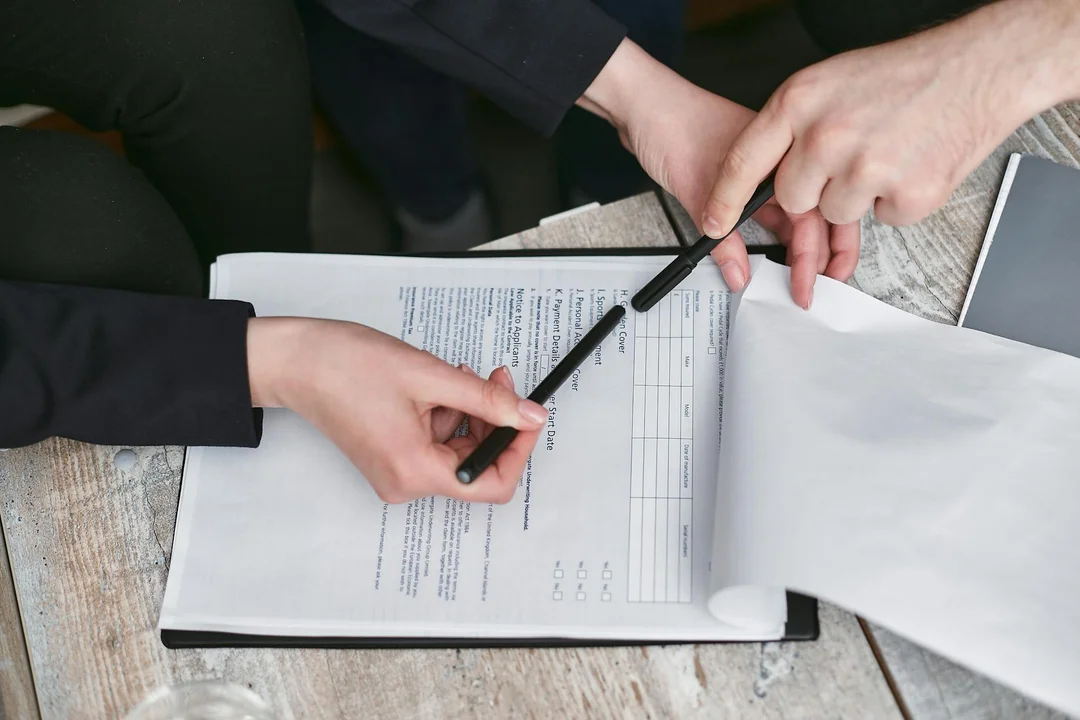
Mediation is a versatile tool, but it works exceptionally well for certain types of recurring HOA conflicts. These situations often involve misinterpreted rules, communication breakdowns, or emotional responses that a neutral party can help untangle.
Architectural and Aesthetic Disagreements are prime candidates for mediation. This includes disputes over paint colors, fence styles, or landscaping that may not fully comply with the architectural guidelines. A mediator can help both sides move beyond a simple “yes” or “no” to find a compromise that maintains community standards while respecting the homeowner’s desires.
Noise and Nuisance complaints between neighbors often boil down to different lifestyles and perceptions. Mediation allows neighbors to collaboratively set expectations and create a “good neighbor” agreement that prevents future issues, which is far more effective than the board just issuing a violation.
Parking and Vehicle disputes, especially involving RVs, boats, or repeated guest parking, can create significant tension. A mediator can help explore creative solutions like designated guest spots or revised storage rules that the board may not have considered on its own.
Assessment and Fee conflicts are another area where mediation shines. If a homeowner is challenging a special assessment or a fine, mediation can uncover the root of the financial hardship or misunderstanding. You might work out a payment plan or a reduction in fines, preserving the homeowner’s standing in the community while upholding the HOA’s financial integrity. Often, disputes over HOA fees and fines can be resolved successfully through mediation. A successful outcome preserves fairness while keeping the community running smoothly.
Pet-related issues, from barking dogs to leash rule violations, are deeply personal for homeowners. Having a mediator facilitates a calm discussion about practical solutions, such as agreed-upon quiet hours or designated pet areas, that a strict ruling could never achieve.
Use of Common Areas, like pools, clubhouses, or parks, frequently leads to disputes over rules and reservations. Mediation helps the board and residents co-create usage policies that everyone can support, increasing voluntary compliance and reducing future enforcement headaches.
Benefits of Choosing Mediation Over Other Methods
Mediation offers a distinctly different path for resolving HOA conflicts compared to arbitration or a lawsuit. You retain complete control over the final outcome, unlike a judge or arbitrator who makes a binding decision for you. This collaborative process is designed to find a middle ground that works for everyone involved.
Mediation vs. Arbitration and Litigation
Understanding the key differences between these dispute resolution methods helps you see why mediation is often the superior choice for HOA issues. When HOA disputes arise, comparing mediation to arbitration can clarify which path preserves relationships and community control. This comparison helps you decide which approach is best for your HOA.
Control Over the Outcome
- Mediation: You and the HOA work together to create a mutually agreeable solution.
- Arbitration/Litigation: A third-party makes a final, legally binding decision for you.
Cost and Time
- Mediation: Typically resolves in a few sessions and costs a fraction of a lawsuit.
- Arbitration/Litigation: Can take months or years, with legal fees and court costs adding up quickly.
Privacy and Relationships
- Mediation: Proceedings are private and confidential, helping to preserve neighborly relationships.
- Arbitration/Litigation: Court records are usually public, and the adversarial process often destroys any chance of future civility.
Choosing mediation protects your wallet, your time, and your standing within the community. It turns a battlefield into a negotiating table, which is vital when you must continue living next to the people on the other side of the dispute. To prepare a successful mediation session, outline your priorities, gather relevant documents, and consider feasible concessions. Doing so helps keep discussions focused and increases the likelihood of a durable agreement.
Preparing for a Successful Mediation Session

Walking into mediation prepared is the single biggest factor that leads to a positive resolution. Good preparation transforms you from a reactive participant into a proactive problem-solver. It builds your confidence and clarifies your goals before you even sit down at the table. Preparing yourself with the right skills is just as important as knowing the subject matter.
Gather Your Documents and Evidence
Organize all relevant paperwork in a logical order. Create a simple packet that includes your HOA’s governing documents, any related correspondence, photos, and receipts. When you assemble, also locate key HOA information documents—bylaws, CC&Rs, rules, and recent notices—to have essential references on hand. Having everything at your fingertips prevents frantic searching and strengthens your position.
- Your HOA’s Covenants, Conditions, and Restrictions (CC&Rs)
- Meeting minutes where the issue was discussed
- Printed copies of all emails and letters
- Dated photographs or videos that illustrate the problem
- Receipts for any expenses related to the dispute
Clarify Your Goals and Interests
Ask yourself what you truly hope to achieve. Distinguish between your underlying interests and your initial demands to find more potential solutions. For example, your demand might be “remove the tree,” but your interest is “ensure sunlight reaches my garden.”
- List your absolute must-haves for a resolution.
- Identify areas where you are willing to be flexible.
- Brainstorm several potential solutions you could propose.
Plan Your Communication Strategy
Mediation requires clear, calm communication. Practice explaining your perspective without using accusatory language or getting emotional. Focus on using “I” statements, such as “I feel concerned when…” rather than “You always…”
- Decide on the two or three main points you need to convey.
- Anticipate what the other side might say and think about your response.
- Remind yourself to listen actively and avoid interrupting.
A well-prepared participant approaches mediation as a collaborative opportunity, not a confrontation. This mindset, backed by organized evidence and clear goals, dramatically increases the likelihood of a settlement that works for you and your HOA.
Legal Aspects of HOA Mediation
Mediation operates within a specific legal framework that gives the process its structure and power. Knowing these legal underpinnings helps you understand your rights and what to expect from the session. This isn’t an informal chat; it’s a structured alternative to a courtroom battle.
Governing Documents and State Laws
Your HOA’s authority, and the rules for dispute resolution, come from two main sources.
- Your HOA’s Governing Documents: Your Covenants, Conditions, and Restrictions (CC&Rs), bylaws, and rules often mandate mediation before a lawsuit can be filed. Check these documents first, as they outline the required process.
- State-Specific HOA Acts: Most states, like California with the Davis-Stirling Act or Florida’s Condominium Act, have laws governing HOAs. These statutes may require or strongly encourage mediation for certain types of disputes.
The Mediation Clause and Good Faith
Many HOA documents include a “mediation clause” that members must follow.
- Binding Nature of the Clause: If your documents require mediation, you are generally legally obligated to participate before proceeding to litigation. A judge may dismiss a lawsuit filed prematurely.
- The Duty of Good Faith: The law requires all parties to engage in mediation with a genuine intent to resolve the dispute. Showing up with a closed mind or refusing to negotiate can have negative legal consequences. Courts can consider a party’s lack of good faith when awarding legal fees.
Confidentiality and Privilege
What happens in mediation is designed to stay in mediation, which encourages open dialogue.
- Statutory Confidentiality: State laws typically protect communications made during mediation. These discussions generally cannot be used as evidence in a subsequent court case.
- Exceptions to Confidentiality: There are limited exceptions, such as threats of violence, evidence of a crime, or claims of professional misconduct by the mediator.
Enforceability of the Settlement Agreement
The entire goal of mediation is to produce a binding agreement.
- A Contract Between Parties: Once signed, the mediation settlement agreement becomes a legally enforceable contract. If one party violates the terms, the other can take them to court to enforce the agreement, which is a much faster and simpler case than the original dispute.
- Formalizing the Agreement: For certain types of agreements, especially those involving monetary payments or property use, your attorney may advise recording the document with the county recorder’s office to make it official and binding on future owners.
Roles and Responsibilities in Mediation

A successful mediation relies on everyone understanding and fulfilling their specific role. This clarity prevents confusion and keeps the process moving toward a resolution that everyone can accept. It’s a team effort, but each person has a distinct job.
The Mediator’s Role
The mediator is a neutral third party, not a judge. Their job is to facilitate, not to decide.
- Neutral Facilitator: The mediator manages the conversation, ensures each side is heard, and helps identify the core issues of the conflict. They do not take sides.
- Process Guide: They explain the rules, keep the discussion respectful and on track, and manage the timing of joint and private sessions.
- Reality Checker: A good mediator will privately help each party assess the strengths and weaknesses of their position. They ask tough questions to help you see the potential costs and risks of not settling.
The Homeowner’s Responsibilities
As a participant, your active and prepared involvement is critical.
- Come Prepared: Bring all relevant documents-letters, photos, receipts, HOA rules, and meeting minutes. Organize your thoughts and what you hope to achieve.
- Actively Participate: Listen carefully to the other side and speak openly about your concerns and interests. Be ready to explain *why* a solution is important to you, not just *what* you want.
- Authority to Settle: Ensure you, or your representative, have the authority to agree to a settlement during the session. Nothing halts progress faster than someone saying, “I need to check with my spouse or the full board.”
The HOA Board’s Responsibilities
The board represents the collective interests of the community while addressing the specific dispute.
- Represent the Community: Board members must balance resolving the immediate issue with upholding the community’s governing documents and the well-being of all residents.
- Act in Good Faith: The board must genuinely attempt to find a fair solution, demonstrating to the homeowner and the community that they are reasonable and fair.
- Proper Authority: The attending board members must have the voting power from the board to approve a settlement agreement. Often, the board president or a designated representative will attend with this authority.
The Role of Attorneys
While not always required, attorneys can play a valuable role in the process.
- Legal Advisor: Your attorney helps you understand your legal rights, reviews proposed settlement terms, and ensures the final agreement is legally sound.
- Not the Primary Speaker: In most mediations, the parties themselves should do most of the talking. The attorney’s role is typically to advise their client, not to debate the other side directly.
FAQs
Who can participate in HOA mediation?
The involved homeowner(s) and authorized HOA board members or representatives can participate. All participants must have the authority to negotiate and agree to a settlement during the session. To negotiate your HOA board effectively, come prepared with clear goals and practical proposals. Maintain a respectful, collaborative tone to help reach a fair agreement.
Who appoints the mediator for HOA mediation?
Both parties typically work together to select and agree upon a neutral, qualified mediator. This ensures the mediator is perceived as impartial and trustworthy by everyone involved.
Is HOA mediation mandatory or voluntary?
Mediation is often voluntary, but it can be required if your HOA’s governing documents contain a mediation clause. Even when mandatory, the goal remains to reach a voluntary, mutually agreeable solution.
Can outcomes of mediation be enforced in court?
Yes, the written settlement agreement created in mediation is a legally binding contract. If one party fails to comply, the other can file a lawsuit to enforce the agreement’s terms.
Make Mediation Your First Choice for HOA Issues
Mediation offers a powerful, cost-saving alternative to lawsuits for resolving community conflicts. By choosing this collaborative path, you protect neighborly relationships and reach agreements that work for everyone involved.
Further Reading & Sources
- Dispute Resolution In HOA: Resolving Conflicts The Right Way
- How to Handle Disputes Between Homeowners and HOA …
- An Effective Solution for Resolving HOA Disputes – Insights from an Experienced HOA Lawyer
- Homeowners Association Dispute Information | Department of Real Estate
Brandon has been on both ends of HOA, as part of it, he has helped build his community in Oregon, while also helping other homeowners deal with typical and atypical issues one might face. He has 8+ years of experience dealing with HOAs himself and on behalf of his friends and family, and he brings his extensive expertise and knowledge to make your HOA interaction seamless and smooth.
Mediation Processes