
Home Improvements That Boost Property Value in an HOA
Published on: January 30, 2026 | Last Updated: January 30, 2026
Written By: Brandon Chatham
The home improvements that increase property value the most in an HOA are kitchen and bathroom upgrades, along with curb appeal enhancements like landscaping and a fresh front door. These projects offer a strong return on investment while typically aligning well with community standards.
But what if your HOA has strict rules? You must always review your HOA’s architectural guidelines and submit any required applications before you start a project. Getting formal approval prevents costly mistakes and ensures your improvements add value instead of creating violations.
Making smart upgrades in a governed community requires a specific strategy. This guide will walk you through the most valuable projects that HOAs often approve. You will learn how to enhance your curb appeal, modernize key interior spaces, and navigate the approval process smoothly. Let’s explore how to maximize your home’s worth while keeping your HOA happy.
How HOA Rules Shape Your Home Improvement Choices
Your HOA’s rules are not just suggestions; they are a powerful force that directly influences your property’s marketability and value. Ignoring these guidelines can lead to costly fines, forced removal of non-compliant work, and even legal disputes that scare away potential buyers. If a rule suppresses improvements or reduces curb appeal, it can lower your property’s value. Some homeowners even challenge HOA rules by seeking amendments to protect marketability. A home that seamlessly fits within the community’s aesthetic often appraises for more and sells faster than one that clashes with neighborhood standards.
Common restrictions often focus on maintaining a uniform exterior appearance. You will frequently encounter rules governing these areas:
- Exterior Paint: HOAs often limit color palettes to a pre-approved list to prevent jarring contrasts between homes.
- Siding Materials: You may be required to use specific materials like brick, stone, or certain types of vinyl to maintain a consistent look.
- Roofing: Rules can dictate the type, color, and even the brand of roofing shingles you are permitted to install.
- Landscaping: Guidelines might cover lawn maintenance, tree types, hardscaping, and the addition of features like sheds or fences.
Before you buy a single material or hire a contractor, you must review your HOA’s design guidelines. Following a clear process protects your investment and ensures your project enhances your home without community conflict. Start by requesting the official Covenants, Conditions, and Restrictions (CC&Rs) and any architectural design guidelines from your HOA board or management company. Next, look for a specific section on architectural review or modification procedures to understand the application process. Finally, submit a detailed proposal to the architectural review committee, including material samples, color swatches, and plans, and always wait for written approval before any work begins. This step is crucial in navigating the architectural review process.
Exterior Upgrades That Maximize Curb Appeal and Value
A strong first impression is everything, especially in an HOA community where curb appeal is a collective priority. Replacing an old garage door is one of the highest-return projects you can undertake, often recouping nearly 100% of its cost at resale. A new, modern garage door instantly modernizes your home’s entire facade. Similarly, upgrading your front entry door to a stylish steel or fiberglass model boosts security and delivers a massive visual payoff for a relatively small investment.
A fresh coat of exterior paint is another powerful and cost-effective way to increase value. Sticking to your HOA’s approved color scheme while refreshing faded or peeling paint makes your home look meticulously maintained and move-in ready. This simple update signals to buyers that the property has been cared for, which justifies a higher asking price. Check our guide on HOA-approved exterior paint colors and materials to help you choose confidently. It covers compliant color palettes, finishes, and durable siding options that maximize value while staying within HOA guidelines.
When considering larger projects, compare the costs and benefits of siding and roofing upgrades. New siding offers a dramatic transformation and excellent insulation benefits, but it requires careful adherence to HOA material rules. A roofing upgrade is less about visual flair and more about assuring buyers of a sound, leak-free structure for years to come. Both projects are significant investments, but a new roof can be the deciding factor for a cautious buyer worried about future repair costs.
Smart landscaping choices also pay significant dividends. Drought-tolerant landscaping with native plants reduces your water bill and maintenance time, a huge selling point for today’s eco-conscious buyers. Complement this with low-maintenance landscaping features like perennial beds, mulch, and automated irrigation systems. These features create a beautiful yard that doesn’t demand endless weekend work, a benefit that resonates strongly with potential purchasers.
Interior Renovations With the Highest Return on Investment
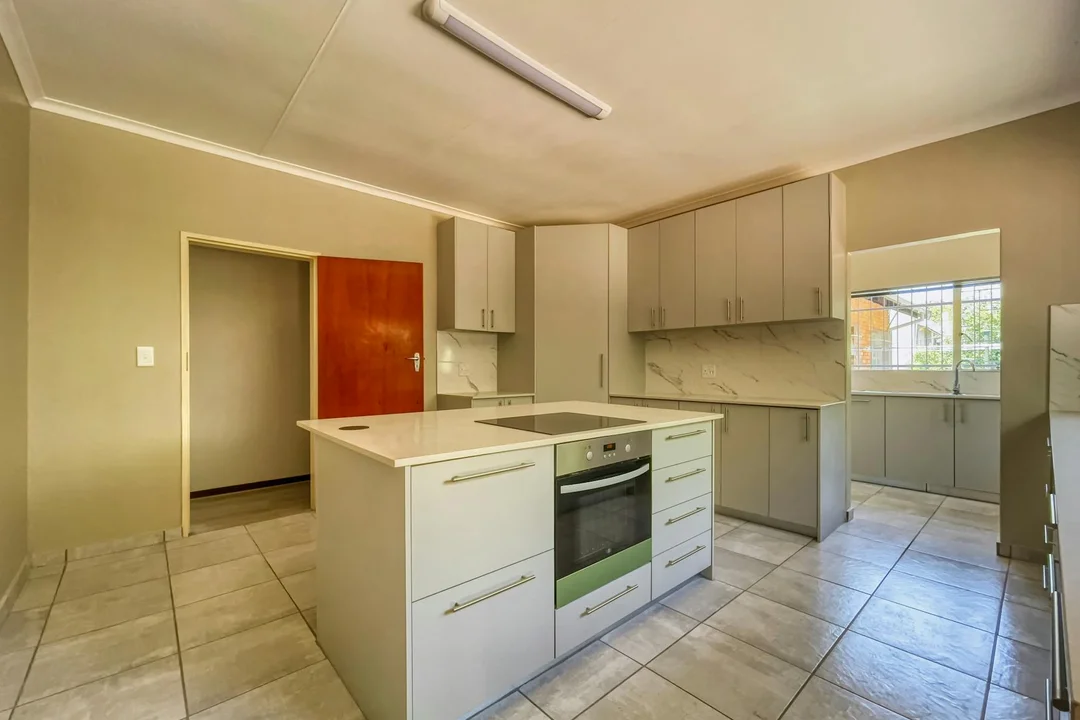
While the exterior draws buyers in, the interior convinces them to make an offer. A minor kitchen remodel consistently ranks as the top interior project for recouping value, often returning over 75% of its cost. You do not need a full gut job; refacing cabinets, upgrading hardware, installing a new countertop, and adding energy-efficient appliances can completely transform the space.
Bathroom upgrades are a very close second in terms of value impact. Updating an outdated bathroom with modern fixtures, a water-efficient toilet, and new tile work makes the home feel fresh and luxurious. Even small changes like replacing a dated vanity, updating lighting, and re-grouting the shower can yield a substantial return without a massive renovation budget.
The foundation of any attractive interior is durable and attractive flooring. Installing high-quality laminate, luxury vinyl plank, or engineered hardwood offers the aesthetic appeal of real wood with superior resistance to scratches and moisture. These materials are especially appealing to families with pets and children, widening your pool of potential buyers.
Smart storage and layout solutions also add significant perceived value. Adding custom closet organizers to bedrooms and pantries creates a powerful impression of ample storage space, which is a major buyer priority. If your home’s layout allows, consider small changes that optimize flow, like removing a non-load-bearing wall to create an open-concept living area. Modern buyers also gravitate towards homes with smart appliance upgrades and strategic lighting upgrades, such as energy-efficient LED fixtures and dimmer switches, which allow them to customize the ambiance of each room.
Energy Efficiency and Smart Home Improvements
Boosting your home’s energy efficiency does more than just cut your utility bills. These upgrades directly increase your property’s market value by making it more cost-effective and attractive to future buyers. So, does the HOA affect appraisal? Appraisers typically weigh neighborhood upkeep and HOA dues, so energy-efficient upgrades can boost the appraisal by lowering ownership costs and increasing appeal.
High-Impact Efficiency Upgrades
Start with improvements that offer a clear return. New energy-efficient windows modernize your home’s look and drastically reduce outside noise and heating or cooling costs. Replacing old windows is one of the most noticeable upgrades you can make, instantly improving curb appeal and comfort. Enhanced attic and wall insulation works silently behind the scenes to maintain a consistent temperature year-round.
A smart thermostat is a small change with a big impact. This device learns your schedule and adjusts the temperature automatically to save energy. Installing a smart thermostat is a low-cost project that signals to buyers your home is modern and efficient. For water savings, consider low-flow showerheads and faucet aerators. These inexpensive fixtures reduce water usage without sacrificing pressure.
Solar and Home Automation
Larger projects like solar panel installations can offer significant long-term savings. You must always check your HOA’s architectural guidelines and obtain written approval before proceeding with any solar project. Many states have laws protecting your right to install solar, but HOAs can often regulate the placement and appearance. Are there limits to HOA architectural control approvals? They must be reasonable and comply with state laws protecting homeowners’ solar rights. For home automation, stick with subtle systems like smart locks, lights, or leak sensors. Avoid highly visible external wiring or equipment that could violate community standards.
Navigating the HOA Approval Process for Home Improvements

-
Obtain and Review Your HOA’s Design Guidelines
Your first move is always to get the official governing documents. Thoroughly read the Covenants, Conditions, and Restrictions (CC&Rs) and any architectural design guidelines before you even sketch out your project. Look for specific rules on materials, colors, fence heights, and even the types of plants allowed in your landscaping.
-
Prepare Project Plans That Align with Community Standards
Create detailed plans that explicitly follow the rules you just reviewed. Your application should include material samples, color swatches, and detailed drawings to show the architectural committee exactly what you propose. Demonstrating that you’ve done your homework and respect the community’s aesthetic increases your chances of a smooth approval.
-
Submit Required Permits and Approvals
Formally submit your complete application package to the HOA’s architectural review committee or board. Never start any work until you have received written approval from the HOA, in addition to any required city or county building permits. Starting construction without this green light is the fastest way to receive a violation notice and a stop-work order—especially when you skip steps like getting approval for specific projects.
-
Ensure All Improvements Meet HOA Compliance
During and after the project, double-check that the work matches what was approved. Final compliance is your responsibility, so confirm that contractors are using the exact materials and colors specified in your approved plans. This diligence prevents costly fines and the potential hassle of having to redo the work later.
Avoiding Common Mistakes in HOA Home Improvement Projects
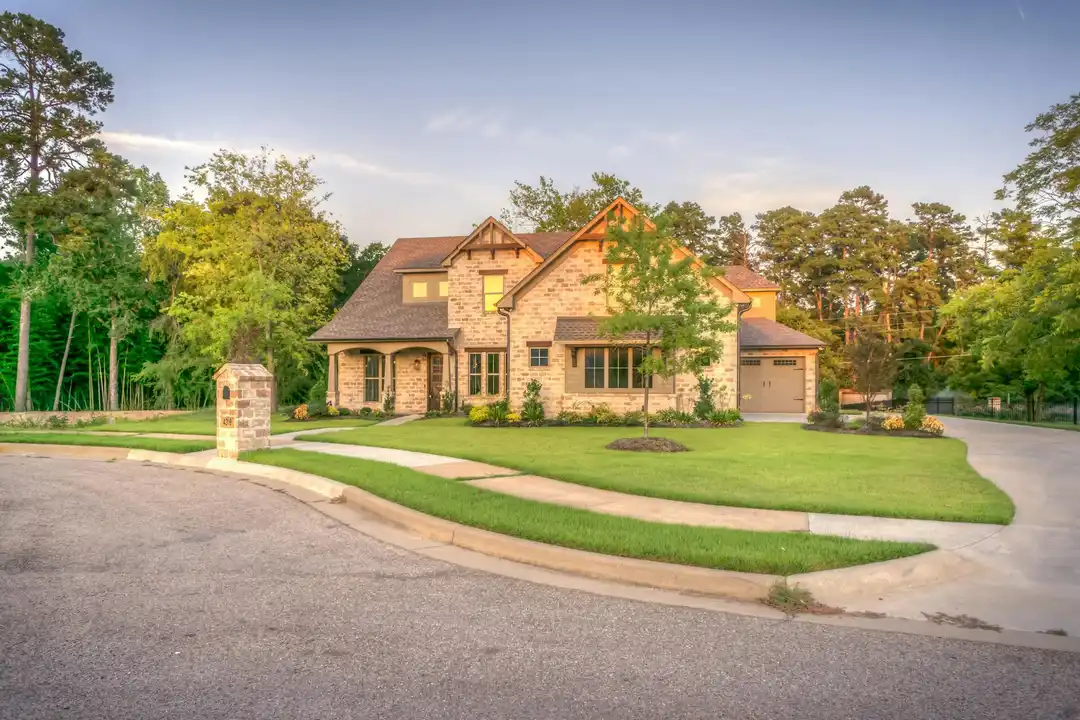
Navigating home upgrades within an HOA requires a different playbook than a standard renovation. Overlooking your community’s specific architectural guidelines is the fastest way to turn a profitable project into a costly headache. You could face fines or be forced to redo the work, completely erasing any potential value gain. When smart home upgrades are on the table, the question often becomes: are these high-value changes allowed by the HOA, and what approvals are needed? Knowing which smart upgrades HOAs typically approve—and what documentation they require—can help protect your investment.
Ignoring HOA Rules and Approval Processes
Never assume your project is too small or insignificant to require approval. Always submit an Architectural Review Form (ARF) for any exterior change, no matter how minor it seems. This proactive step prevents violations and maintains good standing with your board and neighbors.
- Request a copy of your HOA’s Covenants, Conditions, and Restrictions (CC&Rs) and Design Guidelines.
- Submit your project plans well in advance, as approval can take several weeks.
- Include detailed material samples, paint colors, and product brochures with your application.
- Get all approvals in writing before purchasing materials or starting construction.
Choosing Low-ROI Upgrades
Not all improvements are created equal in the eyes of future buyers. Highly personalized projects, like converting a bedroom into a specialty room, often have a poor return on investment because they lack mass appeal. Focus your budget on upgrades that solve universal problems or enhance everyday living.
- Kitchen and Bathroom Updates: Modernize these high-traffic areas with neutral finishes and quality fixtures.
- Flooring: Replace worn carpets with durable hardwood or laminate flooring.
- Energy Efficiency: Install a smart thermostat, LED lighting, or energy-efficient windows.
Neglecting Landscape Drainage and Durable Materials
Exterior projects must be both beautiful and functional to add lasting value. Proper landscape drainage is a non-negotiable improvement that protects your home’s foundation and prevents costly water damage. Buyers and inspectors will notice if this fundamental issue is ignored.
- Install French drains or dry creek beds to redirect water away from your foundation.
- Ensure your yard grading slopes away from the house.
- Use HOA-approved, durable materials for hardscaping that can withstand local weather.
- Choose native plants for your landscaping that are adapted to your climate and require less water.
Balancing Personal Taste with Broad Buyer Appeal
Your home should reflect your style, but strategic choices ensure you recoup your investment. Opt for timeless, neutral designs in permanent fixtures and save bold expressions for easily changed elements like throw pillows and wall art. This approach lets your personality shine without alienating potential buyers.
For example, choose a classic subway tile for your kitchen backsplash instead of a brightly colored mosaic. Select cabinet hardware and light fixtures with simple, clean lines that won’t look dated in a few years. When painting, stick to warm grays, off-whites, and other versatile shades that create a bright, welcoming canvas.
Common Questions
What is the first step I should take before planning any home improvement?
Your first step is always to obtain and thoroughly review your HOA’s official Covenants, Conditions, and Restrictions (CC&Rs) and design guidelines. Understanding these rules before you start planning prevents costly violations and ensures your project aligns with community standards. Are HOA rules regulations, and why do they matter? They exist to protect property values and guide community standards, helping you navigate approvals and avoid conflicts.
Are there any exterior projects that are typically easier to get HOA approval for?
Yes, projects that enhance curb appeal while using pre-approved materials, like replacing a front door or refreshing exterior paint with HOA-approved colors, are often smoother to get approved. These upgrades are generally viewed favorably as they maintain or improve the community’s uniform aesthetic.
What interior renovations provide the best value without conflicting with HOA rules?
Minor kitchen and bathroom remodels consistently offer the highest return on investment and are typically free from HOA restrictions as they are interior-focused. Focusing on neutral, timeless updates in these key areas appeals to the broadest range of future buyers.
Do I need HOA approval for energy-efficient upgrades like solar panels?
Yes, you almost always need explicit HOA approval for visible modifications like solar panel installations, despite potential state laws protecting your right to solar. Always check your specific architectural guidelines and obtain written approval to ensure the placement and appearance of such projects are compliant. Even when laws are in place, HOAs can have restrictions on how solar panels look and where they are installed.
Smart Steps to Higher HOA Home Value
Focus on HOA-approved upgrades that boost curb appeal and modernize key living spaces for the best return. By choosing projects like fresh exterior paint or updated kitchens, you enhance your home’s marketability while respecting community standards. It’s crucial to work closely with your HOA to ensure all improvements align with community guidelines and contribute positively to neighborhood property values.
Further Reading & Sources
- How Does An HOA Increase Property Values? | Cedar Management
- How to Increase Your HOA Value | HOA Property Tips
- Capital Improvements: What Your HOA Needs to Know
- 5 Common Capital Improvement Projects for HOAs and How to Finance Them
Brandon has been on both ends of HOA, as part of it, he has helped build his community in Oregon, while also helping other homeowners deal with typical and atypical issues one might face. He has 8+ years of experience dealing with HOAs himself and on behalf of his friends and family, and he brings his extensive expertise and knowledge to make your HOA interaction seamless and smooth.
Design Standards