
Don’t Get Fined: 12 Common Landscaping Mistakes HOA Homeowners Make
Published on: March 14, 2026 | Last Updated: March 14, 2026
Written By: Brandon Chatham
Most HOA landscaping fines happen because homeowners violate specific written rules in their community’s governing documents, not because their lawn looks bad. You can have the most beautiful yard on the block and still receive a violation notice for something you never knew was a rule.
What’s the first thing you should check? Your HOA’s Covenants, Conditions, and Restrictions (CC&R) document always holds the official answers. If you can’t find a copy, contact your HOA manager or board secretary directly and ask for the landscaping and exterior maintenance sections. Never rely on what a neighbor tells you, as rules can change and interpretations vary.
This guide walks you through the twelve most frequent landscaping errors that trigger HOA fines. We cover everything from lawn height and weed control to tree trimming and holiday decorations. You will learn practical tips to correct issues quickly and how to communicate effectively with your HOA if a dispute arises. Keep reading to protect your curb appeal and your wallet.
Understanding HOA Landscaping Rules and Standards
Navigating your HOA’s landscaping rules is the first step to a beautiful and compliant yard. These documents exist to protect property values and create a cohesive community aesthetic. Treat your HOA’s Covenants, Conditions, and Restrictions (CC&Rs) as your primary guidebook for all outdoor projects. Understanding why HOA rules matter can help you anticipate approvals, avoid fines, and keep your yard aligned with the neighborhood look. They’re regulations that guide what you can and can’t do, reinforcing community standards.
Key Sections of HOA Landscaping Guidelines
While every HOA is different, most landscaping guidelines cover a few critical areas. Knowing where to look saves you from costly mistakes.
- Lawn Health and Height: Your HOA likely specifies a maximum grass height and requires a uniformly green, weed-free lawn. Brown spots and overgrown turf are common violations.
- Approved Plant List: Many associations provide a list of approved trees, shrubs, and flowers. They often prohibit invasive species or plants deemed high-maintenance or messy.
- Tree and Shrub Maintenance: Rules often cover trimming, removal of dead branches, and even the placement of new trees to avoid blocking sightlines or damaging utilities.
- Hardscape Regulations: This section details rules for non-plant elements. It includes fences, patios, sheds, and decorative rock. You often need pre-approval for these installations.
- Weed and Pest Control: The guidelines may outline your responsibility to control noxious weeds and address pest infestations that could spread to neighboring properties.
How to Stay Updated on Rule Changes
HOA rules are not set in stone. Boards can update them, and missing an announcement is not a valid excuse for non-compliance. To propose a new rule change, bring a clear proposal to the next HOA meeting for discussion. Participation at the meeting helps ensure changes reflect the community’s needs.
- Check the Official HOA Portal Regularly: Make it a habit to log into your community’s online portal or website monthly. This is where official documents and announcements live.
- Read All Mail and Emails from the HOA: Open every piece of correspondence, even if it looks like a newsletter. Rule changes are often communicated through these channels.
- Attend Annual Meetings: This is your best opportunity to hear about proposed changes, ask questions, and voice your opinion directly to the board.
- Review Meeting Minutes: If you can’t attend a meeting, always read the minutes. They summarize discussions and record any votes on new rules or amendments.
Lawn and Grass Maintenance Blunders
A poorly maintained lawn is the fastest way to get a violation notice. It’s the most visible part of your landscaping and a top priority for most HOAs. Consistent, proper lawn care is non-negotiable for staying in your HOA’s good graces. If you do receive a violation notice, our step-by-step guide on responding to HOA violation letters can help you resolve it quickly. It covers how to document improvements, communicate with the HOA, and what to expect in the process.
Mowing and Edging Errors
How you cut your grass matters just as much as how often you do it. Sloppy mowing creates an unkempt look that HOAs frequently flag.
- Scalping the Lawn: Cutting grass too short weakens the roots, invites weeds, and turns your lawn brown. Follow the one-third rule-never remove more than one-third of the grass blade in a single mowing.
- Dull Mower Blades: A dull blade tears the grass instead of cutting it cleanly. This causes frayed, brown tips and makes your lawn more susceptible to disease.
- Neglecting Edging: Crisp edges along sidewalks and driveways give your lawn a professional, finished appearance. Overgrown edges look messy and are a common violation.
- Ignoring Clippings: Leaving large clumps of grass clippings on the lawn can smother the grass underneath. Always rake or use a mulching mower to distribute them finely.
Weed and Pest Control Oversights
Weeds and pests don’t respect property lines. Your HOA expects you to manage them proactively to prevent spread.
- Reactive Instead of Proactive Weed Control: Don’t wait for dandelions to take over. A pre-emergent herbicide in early spring stops weeds before they sprout, saving you work later.
- Ignoring Noxious Weeds: Certain invasive weeds, like bindweed or Japanese knotweed, are often specifically called out in HOA rules. You are typically required to eradicate them immediately.
- DIY Pest Control Mistakes: Misapplying pesticides can harm beneficial insects, pets, and even your neighbor’s plants. For significant infestations, hiring a licensed professional is often the safest and most effective solution.
- Failing to Address Lawn Disease: Brown patches or fungus can spread quickly. Identifying and treating lawn diseases promptly prevents them from damaging your entire yard and your neighbors’.
Irrigation and Water Management Pitfalls
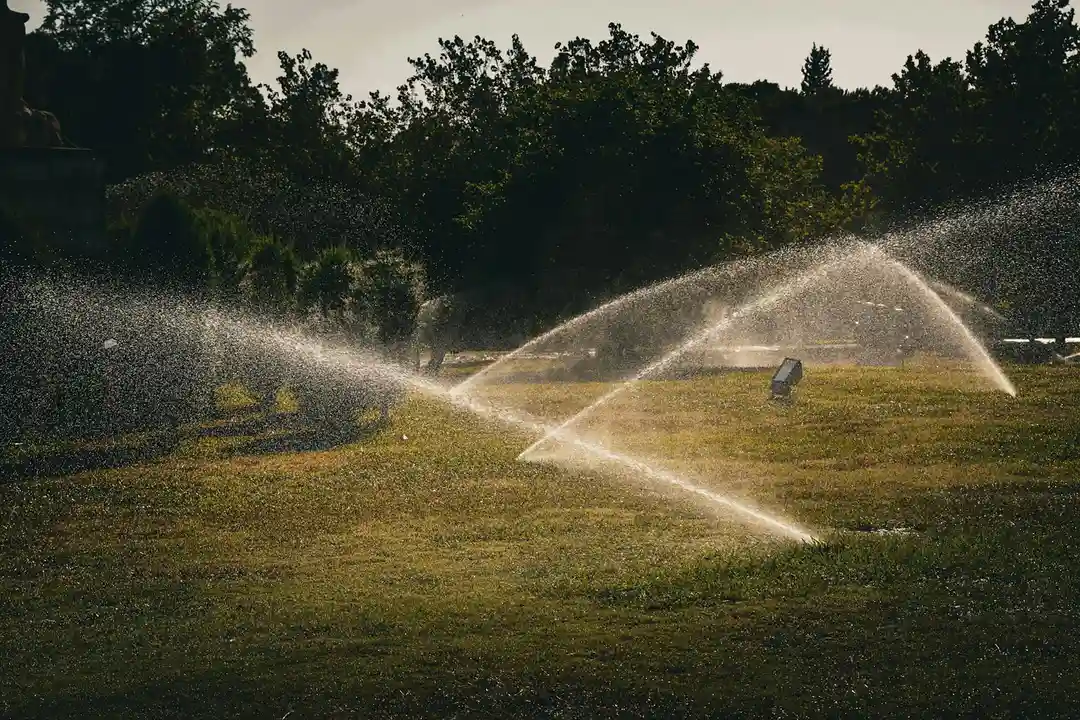
Watering your lawn seems simple, but inefficient practices can lead to violations and wasted money. Many HOAs have specific rules about water usage, especially in drought-prone areas. Smart water management keeps your lawn healthy while demonstrating responsible ownership to your HOA.
Sprinkler System Maintenance
A neglected sprinkler system is a common source of HOA fines. Malfunctioning systems waste water and create eyesores.
- Broken or Misaligned Sprinkler Heads: A head spraying onto the sidewalk, street, or your house is inefficient and often against the rules. Check and adjust your heads seasonally.
- Watering at the Wrong Time: Many municipalities and HOAs enforce watering schedules to reduce peak demand. Watering during the heat of the day also leads to excessive evaporation.
- Ignoring Seasonal Adjustments: Your lawn needs less water in the spring and fall than in the summer. Failing to adjust your timer wastes thousands of gallons of water and can overwater your grass.
- Skipping Spring Start-Up and Winterization: Properly preparing your system for the seasons prevents pipe damage and ensures it works correctly when you need it.
Drought-Tolerant Landscaping Options
Transitioning to a water-wise landscape is a brilliant long-term strategy. It can reduce your maintenance, lower your water bill, and keep you compliant.
- Xeriscaping with Permitted Materials: This landscaping method uses slow-growing, drought-tolerant plants to conserve water. Always submit your xeriscaping plan to the architectural committee for approval before you begin.
- Replacing Thirsty Turf: Consider replacing sections of grass with gravel, bark mulch, or permeable pavers in garden beds or low-traffic areas.
- Installing a Drip Irrigation System: For garden beds, drip systems deliver water directly to plant roots. This method is far more efficient than sprinklers and reduces weed growth.
- Choosing Native Plants: Plants native to your region are naturally adapted to the local climate and rainfall. They typically require less water and care than non-native species.
Plant Selection and Tree Care Mistakes
Choosing Non-Compliant Plants
Your HOA likely has a list of approved and prohibited plants for a very good reason. Choosing the wrong greenery is one of the fastest ways to receive a violation notice and a fine. These rules often target invasive species that can choke out native plants or trees with aggressive root systems that threaten sidewalks and foundations. In some cases, a fine can be issued without a prior warning or proof of violation. Knowing the policy and what evidence is required can help you respond appropriately.
Always check your HOA’s architectural guidelines or landscape standards before you buy anything for your yard. Commonly restricted plants include varieties known for being messy, overly thirsty, or prone to disease. You might find rules against certain fruit trees that drop debris or specific types of bamboo that spread uncontrollably.
If you have your heart set on a plant not on the approved list, don’t just plant it and hope no one notices. Submit a formal request to your HOA’s architectural review committee for a variance. Explain why the plant is suitable and how you’ll maintain it, as getting pre-approval is far easier than dealing with a violation.
Tree and Shrub Maintenance
Neglecting your trees and shrubs is a surefire path to HOA trouble. Overgrown branches can obstruct sidewalks, street views, or even become a safety hazard during storms. Your covenants almost certainly include language requiring you to keep all vegetation neatly trimmed and healthy.
Create a simple seasonal maintenance schedule to stay ahead of problems. Regular pruning keeps plants healthy, improves their appearance, and prevents conflicts with power lines or your neighbor’s property. Look out for dead or dying trees, as these pose a significant liability risk if they were to fall.
Be especially mindful of trees located near common areas or property lines. If a tree limb from your yard hangs over a common sidewalk and causes damage, you could be held financially responsible. Proactive care is always cheaper than reactive repairs and potential fines from your association.
Budget and Planning for Landscaping

Cost-Effective Landscaping Strategies
Beautiful landscaping doesn’t have to drain your bank account if you plan wisely. Start by focusing your budget on high-impact areas that are most visible from the street, like your front yard and entryway. This creates strong curb appeal without the cost of redoing your entire property at once.
Consider these affordable strategies that HOAs typically approve:
- Using mulch or rock beds to define planting areas and suppress weeds.
- Dividing and transplanting existing perennials to fill empty spaces.
- Choosing native plants that are adapted to your local climate and require less water.
- Installing drip irrigation systems to reduce water waste and lower your bills.
Doing some work yourself can lead to major savings on labor costs. Simple tasks like weeding, mowing, and seasonal planting are perfect for DIY, while you might hire a professional for tree trimming or complex irrigation. Always confirm that any contractor you hire carries proper insurance and licenses.
Evaluating Landscaping ROI
When planning upgrades, think about which projects offer the best return for your money and compliance. Well-maintained, HOA-compliant landscaping can significantly boost your property’s value and curb appeal. In HOA communities, the home improvements that increase property value the most are those that stay within guidelines and enhance curb appeal. This alignment helps ensure your upgrades are approved and maximize value within the association’s rules. Real estate agents often note that a neat and inviting exterior is a key factor for potential buyers.
Some improvements offer a better return than others. A healthy, manicured lawn and neatly trimmed shrubs consistently rank as high-value items that impress both appraisers and prospective buyers. Mature trees in good health are also a major asset, providing shade and aesthetic beauty.
Before investing in a major landscape overhaul, review your HOA’s long-term capital plan. You don’t want to install an expensive new patio only to find out the association plans to replace all the sidewalks next year, potentially damaging your new installation. Smart planning aligns your personal investments with the community’s schedule.
Legal Compliance and Property Standards
Your HOA’s rules exist to protect property values and ensure a harmonious community. Failing to review your Covenants, Conditions, and Restrictions (CC&Rs) is the single biggest mistake you can make before starting any yard project. These documents contain the specific blueprint for what is and isn’t allowed on your property. After reviewing the CC&Rs, you should also confirm whether your project requires HOA approval. If approval is needed, start the review process before you begin.
Avoiding Nuisances and Encroachment
Your beautiful garden can become a neighborhood nuisance without careful planning. Overgrown trees or shrubs that block a neighbor’s view or sunlight often violate HOA codes. Always maintain a clear buffer zone between your plantings and adjacent properties to prevent disputes. This simple step shows respect for shared spaces.
Encroachment is a serious legal issue that HOAs monitor closely. Your landscaping features must stay entirely within your property lines.
- Tree branches hanging over a neighbor’s fence can be considered trespass.
- Garden beds or mulch that spill onto common areas are a frequent violation.
- Irrigation systems must not spray onto sidewalks or neighboring yards.
- Landscape lighting should not create light pollution for adjacent homes.
Before you plant that new tree, call for a utility locate and confirm your property pins. A quick survey check can save you thousands in fines and relocation costs later.
Handling Fences and Structures
Adding a fence, shed, or pergola requires more than a trip to the home improvement store. Most HOAs require architectural review committee (ARC) approval for any permanent structure. Submitting your plans after construction is complete will almost certainly result in a violation notice. The committee needs to ensure your project aligns with community aesthetics. If you’re wondering, do I need HOA approval for a fence, deck, or patio, the answer is typically yes before you start. Getting approval ahead of time helps you avoid violations and costly rework.
Fence regulations are particularly strict. You will likely face rules governing:
- Permitted materials (e.g., wood, vinyl, wrought iron).
- Maximum height restrictions for front and back yards.
- Acceptable colors and finishes.
- Proper placement away from property lines.
Even small structures like storage boxes or play sets may need approval. Always assume any change to your yard’s footprint requires a formal application. This proactive approach keeps you in good standing and avoids costly modifications.
Sustainable Landscaping for HOA Compliance
Eco-friendly landscaping is no longer a niche trend—it’s a smart way to meet HOA standards while saving money. Many associations now encourage or even reward sustainable practices that reduce community resource use. This approach benefits the environment and your wallet simultaneously. Your HOA’s green initiatives put sustainable practices into action across common areas and amenities. They’re designed to cut waste, conserve water, and keep costs down for residents.
Implementing Water-Saving Techniques
Water restrictions are common, and wasteful irrigation is a fast track to HOA fines. Upgrading to a smart irrigation controller can cut your water use by up to 30 percent. These systems automatically adjust watering based on weather data, ensuring you never irrigate during rain. They are a worthwhile investment that demonstrates responsible ownership.
Consider these water-wise strategies that often gain HOA approval:
- Install drip irrigation for planting beds to target roots directly.
- Use mulch generously to retain soil moisture and suppress weeds.
- Replace thirsty grass with drought-tolerant native plants.
- Collect rainwater in approved barrels for garden use.
Group plants with similar water needs together, a practice called hydrozoning. This method creates a efficient landscape that thrives with minimal intervention. Your HOA will appreciate the consistently healthy appearance.
Maintenance Schedules for Long-Term Health
Consistent care prevents most landscaping violations before they start. Create a simple seasonal checklist to stay ahead of problems. Regular, light maintenance is far easier than emergency clean-up after a violation notice arrives. A well-kept yard reflects pride of ownership and keeps your community beautiful.
Break your tasks into manageable seasonal routines:
- Spring: Aerate soil, fertilize, prune spring-flowering shrubs, and refresh mulch.
- Summer: Mow high to encourage deep roots, monitor for pests, and weed regularly.
- Fall: Rake leaves promptly, plant bulbs, winterize irrigation, and trim dead branches.
- Winter: Protect sensitive plants, service tools, and plan next year’s improvements.
Set calendar reminders for these tasks just like you would for any important appointment. Proactive care is the ultimate defense against HOA fines and landscape failure. Your future self will thank you for the avoided headaches.
Common Questions
How do budget constraints lead to poor landscaping decisions in HOAs?
Budget constraints often pressure HOAs to choose the cheapest vendors or defer essential maintenance, which leads to higher long-term costs. This short-sighted approach can result in dying plants, unsafe trees, and code violations that damage community aesthetics and property values.
How to select a qualified landscaping vendor for an HOA?
Selecting a vendor requires verifying their license, insurance, and experience with similar HOA communities. Always check references and review their proposed maintenance schedule in detail to ensure it meets your community’s specific standards. This vetting process is essential for your HOA to vet, hire, and manage contractors and vendors you rely on. It also helps ensure accountability and consistent service across common areas.
How to handle community input on landscaping decisions for HOAs?
Establish a clear process, such as forming a landscape committee or using surveys, to gather and prioritize homeowner feedback. Transparent communication about final decisions helps manage expectations and fosters a sense of shared community ownership.
How to measure the ROI of HOA landscaping investments?
The ROI can be measured through increased property values, resident satisfaction surveys, and reduced long-term maintenance costs. Well-planned landscaping is a capital improvement that directly enhances curb appeal and marketability, providing a tangible return.
Keep Your Yard Beautiful and Fines at Bay
Staying proactive by regularly reviewing your HOA’s specific landscaping guidelines helps you sidestep the most common violations. Being familiar with how to identify and handle the common HOA bylaw violations ensures you can act quickly if issues arise. A little routine maintenance and clear communication with your board are your best tools for a well-kept property and a peaceful homeowner experience.
Further Reading & Sources
- Landscaping Mistakes Most Commonly Found at HOAs in Austin, TX
- 17 Seasonal HOA Landscape Maintenance Mistakes To Avoid
- CEPRA Landscape News | 7 Mistakes HOAs and Boards Make When Choosing a Landscape Contractor
- Homeowner frustrated as HOA makes harmful landscaping mistake: ‘It’s been like this for at least 2 weeks’
Brandon has been on both ends of HOA, as part of it, he has helped build his community in Oregon, while also helping other homeowners deal with typical and atypical issues one might face. He has 8+ years of experience dealing with HOAs himself and on behalf of his friends and family, and he brings his extensive expertise and knowledge to make your HOA interaction seamless and smooth.
Landscaping Regulations