
Xeriscaping and Artificial Turf: Navigating Water-Wise Landscaping Rules
Published on: March 23, 2026 | Last Updated: March 23, 2026
Written By: Brandon Chatham
Most HOAs now permit xeriscaping and artificial turf, though specific rules about materials, installation standards, and appearance vary significantly between communities. You’ll typically need to submit a detailed application showing your planned design for approval before starting any work.
Many homeowners wonder why HOAs would regulate water-saving landscaping at all. The concern often comes down to maintaining community aesthetics and property values. HOAs want to ensure that artificial turf looks realistic and that xeriscaped yards appear intentionally designed rather than simply neglected.
This guide walks you through understanding typical HOA requirements, preparing winning applications, and choosing materials that meet both water conservation goals and community standards. You’ll learn practical strategies for working with your HOA to create beautiful, sustainable landscaping that saves water and maintenance time while keeping your neighborhood looking great.
Understanding Water-Wise Landscaping and HOA Governance
Water-wise landscaping is a strategic approach to garden design that dramatically reduces the need for irrigation. This method focuses on creating beautiful, functional yards that thrive with minimal water input, a crucial consideration for community sustainability.
Your HOA enforces landscaping rules primarily to maintain a cohesive community appearance and protect property values for all residents. These rules ensure that no single property’s neglect or radical alteration negatively impacts the neighborhood’s overall appeal and marketability. Understanding HOA rules, including the ADA compliance homeowners need to know, helps ensure accessibility requirements are met and align with community standards. This awareness also makes it easier to plan compliant improvements and resolve questions with the HOA.
- Uniformity: HOAs often seek a consistent “look and feel” across the community, which can conflict with the unique aesthetic of some water-wise designs.
- Maintenance: Boards may worry that unconventional landscaping will be neglected, leading to weed infestations or an unkempt appearance over time.
- Environmental Impact: Some boards have concerns about the heat island effect from certain materials or the ecological impact of synthetic turf.
What Is Xeriscaping and Why HOAs Care
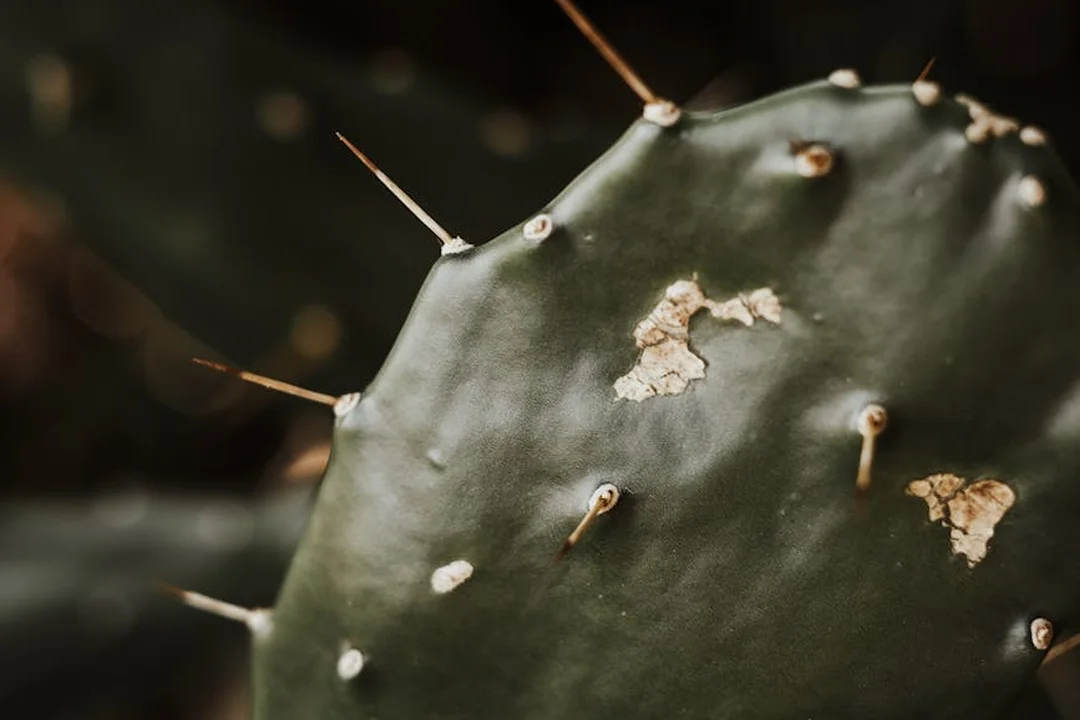
Xeriscaping is a comprehensive landscaping philosophy built around seven core principles for water conservation. It goes beyond simply planting cactus to create lush, vibrant landscapes that are naturally suited to your local climate.
The benefits for an HOA community are substantial, including lower water bills for residents and the association, reduced maintenance costs for common areas, and enhanced community sustainability credentials. Many HOAs initially object to xeriscaping based on misconceptions about it looking barren or desert-like. When assessing whether to live in an HOA, it’s helpful to weigh the pros and cons of HOA to see if HOA life fits your lifestyle. This balance often shapes decisions about landscaping, rules, and governance within the community.
You can effectively counter these objections by presenting a detailed design plan that showcases the beauty and variety of drought-tolerant plants. Providing photos of mature xeriscaped yards and data on potential water savings often persuades skeptical board members.
Key Elements of Xeriscaping
- Select plants that are native to your region or adapted to your local climate, as they will require far less water and care than non-native species.
- Improve your soil’s health with compost to help it retain moisture and use permeable surfaces like gravel or decomposed granite to reduce runoff.
- Install efficient irrigation systems such as drip lines or soaker hoses that deliver water directly to plant roots, minimizing evaporation and waste.
Artificial Turf Pros, Cons, and HOA Guidelines

Artificial turf provides a consistently green lawn without watering, mowing, or fertilizing. Modern synthetic grass looks remarkably realistic and can maintain its appearance through drought, heavy use, and pet traffic.
Many HOAs have specific guidelines governing artificial turf installation, including approved colors, pile height, and infill materials. Some communities require professional installation and submission of samples for board approval before any work begins. In addition, many HOAs publish a guide to exterior paint colors and approved materials to help maintain a cohesive streetscape. Following those guidelines can simplify approvals and ensure projects align with the community standards.
Environmental considerations are crucial when evaluating artificial turf for your property. High-quality turf products now feature improved drainage systems, cooler surface temperatures, and recyclable materials to address common ecological concerns.
Evaluating Artificial Turf Options
- Always check your HOA’s governing documents for any approved turf types, specific green shades, or banned materials before making a purchase.
- Review manufacturer warranties carefully and verify that your installer has specific experience with synthetic grass in HOA communities.
- Assess how the turf will perform over many years, considering factors like UV resistance, heat retention, and how it will look alongside natural landscaping in your community.
Common HOA Rules for Water-Wise Landscaping
Your HOA’s rules are designed to maintain a cohesive community appearance, which often includes specific landscaping standards. Understanding these rules before you start a community garden is the most critical step to a successful, conflict-free project. If you’re considering a community garden, draft a proposal outlining the plan and maintenance, then submit it to the HOA for approval before you begin. This step helps ensure the garden fits community standards and avoids delays. Most associations have detailed guidelines you must follow.
Typical Restrictions
- Plant Height and Placement: Rules often limit the maximum height for plants, especially in front yards, and may restrict planting too close to property lines or sidewalks.
- Turf Coverage: Many HOAs require a minimum percentage of living plant material. This can impact how much artificial turf or hardscape you can install.
- Hardscape Limits: There are usually limits on the amount of non-permeable surfaces like concrete or pavers to manage water runoff and heat retention.
Regulatory Compliance Needs
Beyond your HOA, your city or county may have its own requirements. You are responsible for securing any necessary permits for major hardscaping or irrigation work, regardless of HOA approval. Always check local zoning codes for things like fence heights, setback requirements, and water runoff management. For fence, deck, or patio projects, you’ll want to know whether HOA approval is required before you start. If so, get approval early to avoid work stoppages.
Approved vs. Prohibited Designs
- Approved: A design with a small, neat section of artificial turf for a pet area, surrounded by drought-tolerant plants like lavender and succulents, and decorative gravel mulch.
- Prohibited: A yard that is 90% artificial turf with no living plants, or a front yard entirely covered in plain white rock with a few cacti that exceed height limitations.
Navigating Restrictions
- Research HOA Covenants: Get a current copy of your Covenants, Conditions, and Restrictions (CC&Rs). Look specifically for sections titled “Landscaping,” “Exterior Modifications,” or “Architectural Guidelines.”
- Identify Allowable Alternatives: Look for any stated policies on lawn alternatives. Some HOAs now have specific “turf reduction” or “water-wise” incentives that work in your favor.
- Prepare for Violations: If you receive a violation notice, don’t panic. Review the cited rule, gather your approval documents if you have them, and communicate professionally with the HOA board to find a resolution.
Getting HOA Approval for Xeriscaping
The approval process is your formal opportunity to present your vision. A well-prepared application demonstrates respect for the community’s standards and significantly increases your chances of a yes. Treat it like a professional proposal.
- Application Process: You will likely need to complete an Architectural Review Form, pay a review fee, and submit detailed landscape plans. Review timelines can range from two to six weeks.
- Presenting Your Plan: Frame your xeriscape as an upgrade, not a downgrade. Emphasize the water-saving benefits, low long-term maintenance, and how the design enhances curb appeal with color and texture.
- Bonus Tips: Including plans for a rain barrel or a drip irrigation system shows you are committed to efficient water management. This can be a persuasive point for the review committee.
Step-by-Step Approval Process
- Review HOA Guidelines: Before you design anything, confirm that xeriscaping or artificial turf is explicitly allowed and under what conditions.
- Design Your Landscape Plan: Create a scaled drawing. Label all plants (using botanical names is helpful), indicate materials for paths and mulch, and show the placement of any turf.
- Submit Your Documentation: Submit your plan, plant list, and a cover letter that connects your design to the HOA’s own goals for property values and community aesthetics.
- Address HOA Feedback: The committee may request changes. Be flexible and willing to compromise, such as swapping one plant for another or adjusting the layout to meet their concerns.
Getting HOA Approval for Artificial Turf
Presenting a well-researched plan is your best strategy for gaining board approval. Focus on demonstrating how modern artificial turf is a safe, durable, and community-friendly solution rather than the plastic-looking grass of the past. Boards are often most concerned with uniformity and long-term property values.
- To demonstrate turf quality, provide product data sheets showing UV stability, lead-free certification, and flame resistance. High-quality turf will have a sufficient pile height and density that mimics natural grass without looking overly perfect.
- Highlight safety features like non-toxic infill options (such as silica sand or acrylic-coated sand) and cooling technologies that reduce surface heat, making it safe for children and pets.
- For installation standards, emphasize a proper base preparation that includes excavating several inches of soil, compacting a gravel sub-base, and installing a weed barrier. A crucial element is the drainage system; specify turf products with perforated backing that allows for rapid water drainage, preventing pooling and erosion issues.
- When negotiating, use a simple cost-benefit analysis. Compare the long-term savings on your water bills, lawn maintenance (mowing, fertilizing, aerating), and the consistent green appearance it provides year-round against the initial installation cost. This frames your request as a financially sound and aesthetically stable improvement.
Step-by-Step Approval Process
- Formally request a copy of the HOA’s Architectural Guidelines or CC&Rs. Scrutinize the specific language about landscaping, synthetic materials, and hardscaping to understand your boundaries.
- Select products that directly meet or exceed any stated community standards. If no specifics exist, choose turf with a natural color blend (multiple greens and browns) and a texture that is not overly shiny or uniform.
- Compile a professional submission packet. This should include a turf sample, manufacturer specifications, a diagram of the installation area, and details about the drainage plan and infill material.
- Proactively schedule a post-installation inspection with the HOA’s architectural committee or property manager. This final step confirms the work was completed according to the approved plan and builds trust for future homeowner projects.
Responding to HOA Denials or Violations
Receiving a denial or violation notice can feel frustrating, but a calm and strategic response is your most powerful tool. Your first action should always be to thoroughly understand the specific reason for the denial or violation cited by the board. This gives you a clear target for your response.
- Common denial reasons include non-compliance with material specifications (e.g., incorrect color or pile height), aesthetic concerns about it looking “fake,” or fears it will decrease neighboring property values.
- For appeals, first request a formal hearing with the board to present your case in person. If that fails, explore mediation with a neutral third party. For broader change, consider circulating a petition to amend the HOA rules to explicitly allow for water-wise landscaping, gathering support from like-minded neighbors.
- To correct a violation without penalties, communicate your willingness to cooperate immediately. Ask for a clear list of required corrections and a reasonable timeline to complete them. Often, replacing the infill, adding a different type of turf, or adjusting the installation can resolve the issue.
Handling Disputes
- Keep a detailed record of every email, letter, and meeting note. Document who you spoke with, the date, and what was discussed or decided. This creates a clear paper trail if the dispute escalates.
- If you believe the HOA rule directly contradicts a local or state water conservation ordinance, seek a brief legal consultation. Some states have laws that override HOA restrictions on water-efficient landscaping, giving you significant leverage.
- Propose a compromise that aligns with the HOA’s core goals. This could mean installing turf only in the backyard, adding a border of natural drought-tolerant plants to soften the look, or agreeing to a specific, high-end product line the board prefers.
FAQs
What is the typical timeline for getting HOA approval for a xeriscaping project?
The approval process typically takes between two to six weeks after you submit a complete application. Understanding how long the approval process usually takes helps you set expectations. If your HOA has a backlog or requires extra documentation, the timeline can extend beyond six weeks. Submitting a detailed, professional-looking landscape plan can help prevent delays and significantly increases your chances of approval.
Are there specific types of artificial turf or plants that are commonly prohibited?
Yes, HOAs often prohibit turf that looks shiny, overly uniform, or has an unnatural color. Many communities also have rules against certain plant heights or species that may appear unkempt or obstruct views. To stay compliant and avoid fines, know the 12 common landscaping mistakes HOAs homeowners make. This quick guide helps you keep your yard in line with community rules.
What should I do first if I receive a violation notice for my water-wise landscaping?
First, carefully review the specific rule you are cited for violating and gather any approval documents you may have. Then, communicate professionally with the HOA board to understand the required corrections and seek a reasonable timeline to resolve the issue. This is part of a step-by-step guide to responding to HOA violation letters. Use it to draft a formal, timely reply and clarify any deadlines.
Why does my HOA have rules about water-wise landscaping if it’s better for the environment?
HOA rules exist primarily to maintain a cohesive community appearance and protect property values for all residents. The goal is to ensure that water-saving yards look intentionally designed and well-maintained, rather than neglected. These are just some of HOA rules and regulations that matter.
Making Water-Wise Landscaping Work for You
Always begin by carefully reviewing your HOA’s specific guidelines to ensure your landscaping plans are compliant. By preparing a clear proposal that highlights the water conservation and aesthetic benefits, you can effectively advocate for xeriscaping or artificial turf with your association.
Further Reading & Sources
- Scorching temps from California turf raises questions about artificial turf, xeriscaping in humid states like Florida – News
- Water Quality Impacts from Artificial Turf and Xeriscaping | USU
- Using Synthetic Turf as a Cost Effective Xeriscape Option – Perfect Turf
- FAQs – Florida-Friendly Landscaping™ Program – University of Florida, Institute of Food and Agricultural Sciences – UF/IFAS
Brandon has been on both ends of HOA, as part of it, he has helped build his community in Oregon, while also helping other homeowners deal with typical and atypical issues one might face. He has 8+ years of experience dealing with HOAs himself and on behalf of his friends and family, and he brings his extensive expertise and knowledge to make your HOA interaction seamless and smooth.
Landscaping Regulations