
Are HOA Records and Financials Public Information? Understanding Access Rights
Published on: April 25, 2026 | Last Updated: April 25, 2026
Written By: Brandon Chatham
HOA records and financial documents are not public information in the traditional sense, but they are typically accessible to current association members who own property within the community. While the general public cannot request these documents, you have specific rights as a homeowner to review how your money is being managed.
You might wonder what exactly defines an “HOA member” in this context. If you own a property within the HOA, you are automatically a member of the association. This membership grants you the right to inspect various records, a privilege not extended to renters, prospective buyers, or the general public without your explicit permission.
Navigating HOA transparency can feel confusing, but knowing your rights is the first step toward accountability. This guide will walk you through the specific documents you can request, the formal process for making those requests, and what to do if your HOA is unresponsive. You will learn how to protect your investment and ensure your community’s finances are handled properly.



What HOA Records Are Considered Public Information?
As a homeowner, you have a right to see how your community is managed. Your access to HOA records is a fundamental part of your membership, ensuring the board’s actions are transparent and accountable. It’s one of the essentials outlined in Your HOA Bill of Rights. Generally, you can review documents that detail the association’s operations and finances.
Records You Can Typically Access
- Detailed financial statements and balance sheets from recent years.
- Approved annual budgets and records of actual income and expenses.
- Minutes from board and annual membership meetings.
- The association’s reserve study and funding plan.
- All governing documents, including CC&Rs, bylaws, and rules.
- Insurance policies and contracts the HOA has entered into.
- Official records of board votes and actions taken.
Records With Restricted Access
Not every document is open for general review. To protect privacy and legal strategy, certain records are usually kept confidential. This includes sensitive information that could harm individuals or the association if disclosed improperly.
- Personal information of other members, like email addresses or payment histories.
- Internal communications and memos from the board’s attorney concerning pending litigation.
- Records relating to specific disciplinary actions against another homeowner.
- Details of ongoing contract negotiations with third-party vendors.
Who Qualifies for Access Rights?
Access rights are tied directly to ownership. Only current homeowners who are members of the association, and their authorized agents, hold the legal right to inspect records. If you rent out your property, your tenant does not have this same right. They must direct their questions through you, the owner.
The Legal Framework for HOA Record Access
Your ability to review HOA books isn’t just a courtesy; it’s backed by law. State statutes form the bedrock of your record inspection rights, creating a legal obligation for your HOA to comply. The specific rules can differ significantly depending on where you live.
State Disclosure Laws
Nearly every state has laws governing HOAs, often called Common Interest Ownership Acts or similar names. States like California and Florida have particularly robust laws that explicitly list the records homeowners can inspect and copy. This raises a broader question: does the HOA own the land the house sits on? In most cases, the HOA owns only common elements and amenities; homeowners typically own their own lot and dwelling, subject to covenants. Some states mandate a specific response time, while others are more general. You must check your own state’s legislation to understand the precise requirements.
HOA Governing Documents
Your community’s own rules further define the process. Your CC&Rs and bylaws can provide additional access rights beyond state law, but they cannot take away the minimum rights the state guarantees. These documents might outline specific procedures for making a request or designate certain records as open for inspection.
Key Legal Terms and Statutes
Familiarizing yourself with a few key terms will help you navigate this process. Look for phrases like “right to inspect,” “member access,” and “books and records” in your state’s laws. For example, the Davis-Stirling Act in California and the Condominium Act in Florida are well-known statutes that empower homeowners. These laws exist to prevent secretive management and promote fiduciary responsibility.
How to Request Access to HOA Records
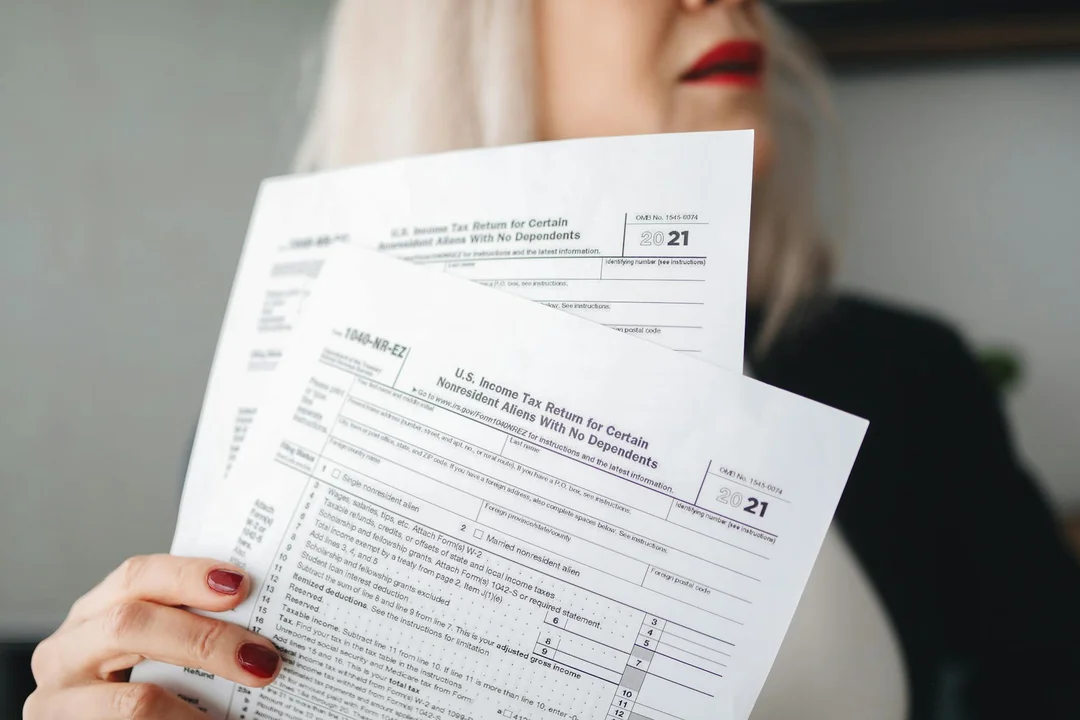
To ensure a smooth and successful request, always follow a formal process. A written, documented request eliminates confusion and creates a paper trail that protects your rights. Here is a step-by-step guide to getting the information you need.
-
Submit a Formal Written Request
Send a dated letter or email directly to the HOA board or its designated managing agent. Clearly state your name, property address, and the specific records you wish to review. Being precise helps the board fulfill your request efficiently. Make sure to write an effective letter to increase the chances of a prompt response.
-
Understand Formats and Fees
You can typically choose between electronic copies (like a PDF) or printed photocopies. The HOA is generally allowed to charge reasonable copying and labor fees, but these cannot be used to discourage your request. State laws often cap these fees, so you should not face an excessive charge.
-
Know the Timelines and Delivery
Your HOA is legally required to respond within a certain period, often 10 to 30 business days. They must either provide the records, provide a reason for denial, or propose an alternative time for you to inspect them in person. The response will usually arrive via mail or email, based on your initial request. If your request is denied, you can read more about your options and the implications here. You should receive a clear written explanation, and you can seek reconsideration or file an appeal through the HOA or applicable governing processes.
Financial Records: Understanding Transparency and Key Documents
As a homeowner, you have a right to review the financial pulse of your community. Your access to these documents empowers you to see exactly how your assessment dollars are being managed. This transparency is the bedrock of a healthy, trustworthy association.
You can typically request and review several key financial documents. These records paint a complete picture of the HOA’s fiscal health. A step-by-step guide on how to request and read the HOA financial statements can simplify this process. It covers what to ask for, how to submit requests, and how to interpret the numbers.
- Detailed income statements and balance sheets showing revenue and expenses.
- Annual budgets that forecast upcoming costs and funding needs.
- Assessment roll records and delinquency reports.
- Comprehensive reserve fund studies and account balances.
- General ledger entries and accounts payable/receivable details.
- Audited or reviewed financial statements from an independent accountant.
- Insurance policy summaries and coverage details.
- Contracts with vendors for major services like landscaping or pool maintenance.
Financial transparency prevents misuse of funds and builds collective trust. When you can see the financial data, you can make informed decisions during board elections and on special assessment votes. It holds the board accountable for its fiduciary duty to all residents.
However, not every single line item is open for scrutiny. HOAs commonly redact sensitive information to protect individual privacy and comply with laws. You might see blacked-out sections in certain reports.
- Individual homeowner payment histories beyond basic delinquency status.
- Employee salary details, Social Security numbers, and personal contact information.
- Details of ongoing legal negotiations or privileged attorney-client communications.
- Specific unit numbers in delinquency reports, depending on state law.
Privacy Concerns and Limitations on Record Disclosure

Your HOA board must walk a fine line between transparency and protecting the community. Data protection is a serious responsibility that prevents identity theft and personal harm. Boards implement specific measures to safeguard sensitive information from falling into the wrong hands.
Standard practices include redacting any document that contains personal identifiers before providing it to a homeowner. This means carefully removing Social Security numbers, bank account details, and driver’s license information from any record. Employee files and individual homeowner violation letters are also typically kept confidential to avoid harassment or defamation claims.
Your right to inspect records is not without practical limits. Associations can set reasonable rules to prevent requests from becoming a burden on operations. These scope limits are designed to stop a small number of owners from monopolizing management’s time.
- Limiting the number of record requests a single owner can make per month or year.
- Charging reasonable fees for the time and materials required to compile extensive records.
- Requiring written requests submitted in a specific format.
- Scheduling inspections during normal business hours and with advance notice.
Ultimately, the board balances your right to know with its duty to protect. This balance is guided by a combination of your state’s corporation laws and the specific clauses in your own governing documents. Some states have very open “sunshine” laws, while others grant the board more discretion. Your CC&Rs or bylaws might further define what is considered an “official association record” subject to inspection. The goal is always to foster an open community without compromising anyone’s personal privacy or safety.
Handling Denials and Disputes Over Record Access

Sometimes, your request to review HOA documents gets a firm “no.” Knowing the difference between a lawful denial and an unlawful obstruction is your first line of defense as a homeowner. Boards cannot simply refuse access because they find it inconvenient or disagree with your motives. If they do, learn what to do if your HOA denies a request for financial records.
Valid vs. Invalid Reasons for Denial
HOAs can legally deny access to certain records, but the reasons must be specific and legally justified.
Valid Reasons for Denial
- Ongoing litigation or attorney-client privileged communications. Records related to active lawsuits or legal advice are typically protected.
- Individual member privacy. This includes personnel files, specific disciplinary records, and personal contact information of other owners not related to association business.
- Contracts still under negotiation. The board does not have to disclose bids or contract details before a final decision is made.
- Meeting minutes from an executive or closed session. These are often restricted to discussions on sensitive topics like litigation, personnel matters, or member discipline.
Invalid Reasons for Denial
- You asked too many questions or have been critical of the board. Retaliation is not a legal basis for denial.
- The board claims the records are “confidential.” Most financial and operational records are not confidential by default.
- They state it would be too much work to gather the documents. State laws often specify a reasonable timeframe for production, and inconvenience is not an excuse.
- You owe a small, disputed fine. While some states allow denial for unpaid dues, this often does not extend to minor, contested fees.
Steps for Appealing a Denial
If you believe your request was wrongly denied, do not give up. A structured, documented appeal process dramatically increases your chances of getting the records you are legally entitled to see.
- Request a Formal, Written Explanation. Immediately ask the board for a written denial that cites the specific statutory exemption they are relying on. This creates a necessary paper trail.
- Follow Internal Appeal Procedures. Check your HOA’s governing documents for a formal dispute resolution or appeal process. You may need to present your case at the next board meeting.
- Send a Demand Letter. If internal appeals fail, have an attorney draft a formal demand letter. This clearly outlines the violated law and states your intent to pursue legal action if the records are not produced, often prompting a swift resolution.
- Escalate to Legal Action. As a final step, you may need to file a lawsuit in small claims or civil court to enforce your rights and potentially recover legal fees.
Enforcement Options for Homeowners
When a board continues to unlawfully withhold records, you have several powerful avenues for enforcement. State laws provide specific mechanisms to hold boards accountable for transparency failures.
- File a Complaint with a State Agency. Many states have a department, like the Department of Real Estate or a specific ombudsman office, that oversees HOAs. They can investigate and levy fines against the association.
- Pursue Litigation in Small Claims Court. This is a cost-effective option for compelling document production. You can often represent yourself, and some states allow for the recovery of damages or penalties for each day the records were withheld.
- Initiate a Civil Lawsuit. For more complex cases, a civil lawsuit may be necessary. A judge can issue an injunction forcing the HOA to provide access and may award you attorney’s fees and court costs.
- Recall the Board. If the lack of transparency is part of a larger pattern of misconduct, organizing with other homeowners to recall the board members is a direct democratic solution.
Common Questions
Are HOA records available online?
This depends entirely on your specific association’s policies and technological capabilities. Many HOAs are now providing access to a homeowner portal where key documents can be viewed and downloaded. You should contact your HOA manager or board to inquire if this service is available. To find HOA information documents, check the portal for CC&Rs, bylaws, budgets, and meeting minutes. If they aren’t online, ask the manager for copies or a direct link.
Is there a fee to access HOA records?
The HOA is generally permitted to charge reasonable fees to cover the costs of labor and materials for compiling and copying records. These fees cannot be excessive and are often capped by state law to ensure they do not discourage legitimate requests. You should be informed of any potential charges before the work begins.
How long does a records request take to be fulfilled?
State laws typically define a specific timeframe, often between 10 to 30 business days, for the HOA to respond to a formal request. The board must either provide the records, propose an appointment for an in-person inspection, or provide a valid legal reason for a denial within this period. This ensures your request is handled in a timely manner. When the HOA needs to access your property for inspections or maintenance, they must provide proper notice and adhere to reasonable entry times as dictated by state law and the association’s governing documents. Understanding these entry rights helps you manage access requests and protects your privacy.
What is the procedure if a records request is denied?
If your request is denied, you should immediately ask the board for a written explanation citing the specific legal justification. Effective dispute handling with your HOA relies on clear steps and timely action. Document all communications to support your case. You can then follow your HOA’s internal appeal process or escalate the matter by sending a formal demand letter, potentially with the help of an attorney. As a last resort, state laws provide enforcement options, including filing a complaint with a state agency or a lawsuit.
Your Key Takeaways on HOA Access
As a homeowner, you have clear rights to review HOA records and financials, but access often depends on following your association’s specific procedures. Submitting a written request and keeping detailed records of your communications will help you navigate the process effectively and protect your interests. Bylaws are often public records and can be requested here. Access rules vary by state and association.
Further Reading & Sources
- Guide To Understanding And Requesting HOA Documents – Homeowners Protection Bureau, LLC
- Records & Access – Property Owners’ Associations – Guides at Texas State Law Library
- HOA Open Records Request
- A Guide to Community Association Records Requests for HOAs and COAs: What Can and Can’t an Owner Request? – The Orlando Law Group
Brandon has been on both ends of HOA, as part of it, he has helped build his community in Oregon, while also helping other homeowners deal with typical and atypical issues one might face. He has 8+ years of experience dealing with HOAs himself and on behalf of his friends and family, and he brings his extensive expertise and knowledge to make your HOA interaction seamless and smooth.
Financial Transparency