
How to Mediate a Neighbor Dispute: A Guide for HOA Boards
Published on: March 10, 2026 | Last Updated: March 10, 2026
Written By: Brandon Chatham
To mediate a dispute between two neighbors, you must act as a neutral facilitator, guiding a structured conversation where both parties feel heard and can collaboratively find a mutually acceptable solution. This involves setting ground rules, listening without taking sides, and helping them explore options they both can live with.
You might wonder if getting involved will create legal trouble for the HOA. When you stick to a formal, documented mediation process, you actually protect the association by demonstrating a good-faith effort to resolve conflicts before they escalate. This proactive approach often prevents issues from spiraling into formal complaints or legal action.
Navigating heated arguments between neighbors is one of the toughest parts of serving on a board. This guide provides a clear, step-by-step blueprint to transform you from a stressed-out bystander into a confident, effective mediator. You will learn how to prepare for the meeting, control the conversation, draft a binding agreement, and handle situations where mediation fails, giving you the practical tools to restore peace in your community.
Understanding the Mediator’s Role in HOA Disputes
Your job as a board member is not to be a judge or an enforcer during mediation. Your primary responsibility is to act as a neutral guide, facilitating a conversation where the neighbors can find their own solution. You are there to manage the process, not to dictate the outcome. In a self-managed HOA, understanding your legal responsibilities is essential, including adherence to governing documents and applicable laws. This helps protect the association and residents and supports durable, compliant resolutions.
- Define the board member’s responsibilities in dispute resolution.
- You must remain completely impartial, showing no favoritism to either party.
- Your goal is to help clarify the real issues and keep the discussion productive.
- You are responsible for ensuring the conversation stays respectful and on track.
- Emphasize neutrality, confidentiality, and ethical boundaries.
- Neutrality means you do not take sides, even if you personally know one neighbor better.
- Confidentiality is critical; what is said in mediation should stay private to build trust.
- You must know your ethical limits and avoid giving legal advice or making promises for the HOA.
- List scenarios where mediation is appropriate versus when to avoid it.
- Mediation works well for disputes over noise, pets, property lines, parking, or shared amenity use.
- Avoid mediation if there is a clear and ongoing violation of a black-and-white HOA rule that requires direct enforcement.
- Do not attempt to mediate situations involving threats of violence, active harassment, or issues that are purely legal, like property damage lawsuits.
Preparing for a Successful Mediation Session
Good preparation sets the stage for a productive meeting and shows both parties you are taking their concerns seriously. Thorough preparation is your best tool for maintaining control and guiding the session toward a positive outcome. Rushing into a joint meeting without this groundwork often leads to more conflict.
- Gather initial facts and evidence from both neighbors separately.
- Have brief, individual conversations or ask each party to submit a short, written summary of the problem.
- Collect any relevant photos, videos, or documents like violation notices they wish to share.
- Review HOA rules, covenants, and bylaws related to the conflict.
- Identify specific rules that apply to the dispute, such as quiet hours or parking regulations.
- Understand the official HOA stance so you can clarify what is a rule versus a personal preference.
- Schedule a neutral time and location for the joint session.
- Choose a time that works for everyone, like a weekday evening.
- Use a neutral space like a community clubhouse or a reserved library room, not someone’s home.
- Establish clear ground rules for communication and behavior.
- Rules should include no interrupting, no name-calling, and a commitment to listen.
- State that each person will have an equal, uninterrupted amount of time to speak.
Conducting the Step-by-Step Mediation Process

Opening the Joint Session
Begin the meeting by setting a professional and calm tone. A strong, clear opening statement helps everyone understand the purpose and reduces initial anxiety. This is your chance to establish yourself as a fair and capable facilitator.
- Set the agenda, objectives, and timeline for the meeting.
- Clearly state the goal is to reach a mutually agreeable solution, not to determine who is right or wrong.
- Announce how long the session will last, for example, 60 to 90 minutes, to manage expectations.
- Reinforce the importance of listening and respectful dialogue.
- Remind everyone of the ground rules they agreed to beforehand.
- Explain that the goal is to understand each other’s perspective, even if they don’t agree with it.
Facilitating Communication and Problem-Solving
This is the core of the mediation where you actively guide the conversation. Your main task is to reframe accusations into problems that can be solved and to help neighbors hear each other. Patience here is more valuable than speed.
- Allow each party to share their perspective without interruption.
- You might use a talking stick or simply enforce the no-interruption rule strictly.
- Take brief notes on key points to refer back to later.
- Use caucus sessions for private discussions if tensions rise.
- If the conversation becomes heated or unproductive, pause the joint session.
- Speak with each neighbor privately for a few minutes to cool down and discuss underlying concerns.
- Help neighbors define a clear problem statement and common interests.
- Ask questions like, “What is the one thing you need to feel this is resolved?”
- Identify shared goals, such as both wanting a peaceful living environment or to avoid future conflict.
Reaching a Mutual Agreement
The final phase focuses on turning discussion into a concrete plan. A successful agreement is specific, realistic, and something both parties can genuinely support. Vague promises will only lead to the same problem resurfacing later.
- Brainstorm solutions collaboratively.
- Encourage both neighbors to suggest ideas, and write them all down without judgment.
- Explore different options, from simple behavior changes to shared costs for a physical solution like a fence.
- Ensure both parties agree on specific terms for resolution.
- Turn the chosen solution into a clear “who, what, and when” plan.
- It can be helpful to write down the agreement and have both parties sign it as a record of their commitment.
Key Principles for Effective Dispute Resolution
Your role as a mediator requires a balanced approach that prioritizes fairness and clarity. Neutrality helps both neighbors feel their voices are heard without bias.
- Maintain impartiality and avoid taking sides.
- Practice active listening and summarize key points.
- Focus on HOA guidelines to ground the discussion.
Staying impartial means you treat each party with equal respect. This prevents accusations of favoritism and keeps the conversation focused on solutions.
Active listening involves giving your full attention and reflecting back what you hear. Summarizing key points ensures everyone agrees on the core issues and reduces confusion.
Grounding talks in HOA rules provides a neutral framework. Referring to specific guidelines shifts the focus from personal conflicts to shared community standards.
Documenting the Agreement and Ensuring Compliance
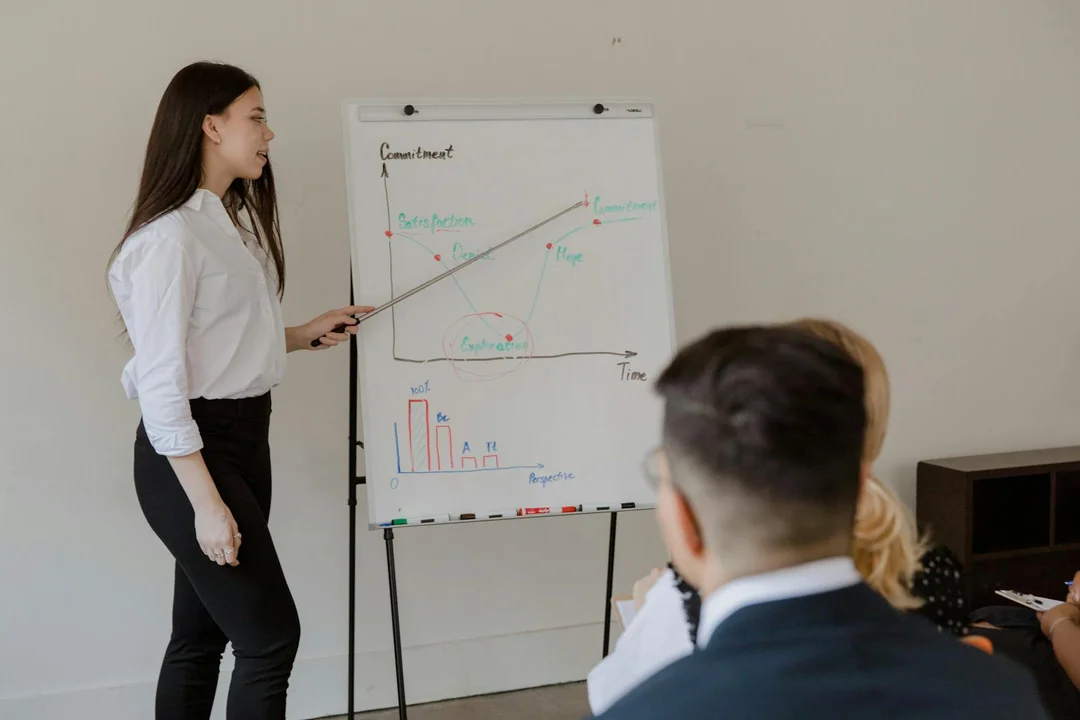
Putting the resolution in writing solidifies the outcome and holds everyone accountable. This clarity helps you handle disputes with your HOA effectively. Use the written agreement as a reference to resolve issues quickly and fairly. A detailed agreement minimizes future disputes and supports HOA records.
- Draft a written agreement with clear actions and deadlines.
- Outline follow-up steps to monitor compliance.
- Explain enforcement options if terms are not met.
Create a written document that lists each neighbor’s responsibilities. Include specific deadlines to prompt timely action and prevent delays.
Schedule check-ins to verify that both parties are meeting their commitments. Regular follow-ups demonstrate the board’s dedication to upholding the agreement.
Clarify the consequences for non-compliance, such as formal warnings or fines. Outlining enforcement options encourages neighbors to take the agreement seriously.
Handling Common HOA Neighbor Disputes
Addressing Noise Complaints
Noise complaints are one of the most frequent issues you will face. Start by asking the complaining party to keep a detailed log for a week or two. This log should include dates, times, duration, and a specific description of the noise, as video or audio evidence can be extremely powerful if you need to escalate the matter. Always reference your HOA’s governing documents, which should clearly outline designated “quiet hours.” A friendly, initial reminder letter from the board about these rules often resolves the problem without creating more tension.
Resolving Property Access or Boundary Issues
Disagreements over fences, tree branches, or property lines can become heated quickly. Your primary tool is the HOA’s declaration of covenants, conditions, and restrictions (CC&Rs). These documents typically contain precise information on property boundaries, easements, and owner responsibilities for maintenance. If the dispute involves a shared structure like a fence, recommend the neighbors get a professional land survey. This objective third-party report provides a definitive answer and removes personal opinion from the equation, allowing you to mediate based on hard facts. To move toward a resolution, follow the HOA’s dispute resolution steps. Typically, these include a formal complaint, mediation, and, if needed, arbitration or a board decision.
Managing Conflicts Over Shared Amenities or Aesthetics
Arguments about the pool, clubhouse, or exterior home colors often stem from different interpretations of the rules. Your role is to be the consistent enforcer. Create a simple, one-page FAQ sheet for common amenities that clarifies reservation rules, guest policies, and cleanup duties to prevent misunderstandings before they start. For aesthetic disagreements, like a disputed paint color or landscaping, have photos and the specific architectural guideline on hand during your mediation. Showing both parties the written standard makes the conversation about policy, not personal taste.
When to Seek External Help or Escalate
Identifying Signs That Mediation Has Failed
Your voluntary efforts as a board member can only go so far. It is time to change tactics when you see clear red flags. If communication has completely broken down and neighbors refuse to be in the same room, or if one party begins making threats, your informal mediation is no longer effective or safe. Other warning signs include a resident repeatedly violating an agreement they made with you or the dispute escalating to involve other neighbors. Persistent, malicious behavior indicates a deeper issue that requires a formal approach.
Guiding on Involving Professional Mediators or Legal Counsel
When internal resolution fails, a professional mediator is a logical and cost-effective next step. This approach also helps you navigate HOA property disputes by clarifying responsibilities under the CC&Rs and identifying acceptable remedies. A neutral third-party mediator specializes in facilitating difficult conversations and finding common ground. Recommend seeking a mediator who has specific experience with community association disputes, as they will be familiar with HOA dynamics and governing documents. If a resident threatens legal action or the dispute involves a significant violation of the CC&Rs, it is essential to immediately consult with the HOA’s attorney. Do not give any legal advice yourself.
Discussing HOA Procedures for Formal Complaints and Hearings
Your governing documents should outline a formal process for handling unresolved violations. This usually begins with a written, formal complaint from one homeowner to the board. The board must then schedule a formal hearing, providing proper notice to the accused homeowner as required by your bylaws and state law. During this hearing, both sides can present their case, evidence, and any witnesses. Afterward, the board deliberates in private and issues a written decision, which could include fines or other corrective actions. Following this procedure precisely protects the HOA from claims of unfairness and ensures due process is upheld for homeowners during violation proceedings.
FAQs
How can I ensure confidentiality during the mediation process?
Begin by clearly outlining confidentiality rules in the ground rules before the session starts. This commitment helps build trust and encourages honest dialogue between the neighbors.
What should I do if the neighbors reach an impasse during mediation?
Pause the discussion and consider using a caucus to speak with each party privately to explore new options. This approach can break deadlocks by addressing unspoken concerns and refocusing on shared goals.
Are there any legal risks for the HOA in mediating disputes?
Stick to a documented, neutral process and avoid offering legal advice to minimize potential liabilities. Following a structured mediation framework demonstrates the HOA’s good faith and can prevent escalation to costly legal action. Using mediation to resolve HOA disputes can reduce time and costs for all parties. It also reinforces a cooperative, less adversarial approach to community governance.
How do I handle disputes that involve multiple neighbors or the entire community?
Adapt the mediation to include all relevant parties and emphasize collective problem-solving based on HOA guidelines. Focusing on community-wide interests helps achieve a fair resolution that benefits everyone involved. When choosing between arbitration and mediation for HOA disputes, consider which process best preserves relationships and provides enforceable outcomes. Understanding these trade-offs can help you select the most effective approach for your community.
Your Guide to Successful Mediation
As a board member, your primary role is to act as a neutral facilitator who encourages respectful communication between neighbors. Stick to the established HOA guidelines and focus on collaborative problem-solving to help both parties reach a fair and lasting agreement. This approach is especially important during board meetings, where such issues are often discussed.
Further Reading & Sources
- Dispute Resolution In HOA: Resolving Conflicts The Right Way
- How to Handle HOA Disputes Between Neighbors
- HOA’s Role in Neighbor Disputes | Expert Insights
- What Are HOA Disputes? How To Practice Dispute Resolution? | HOAM
Brandon has been on both ends of HOA, as part of it, he has helped build his community in Oregon, while also helping other homeowners deal with typical and atypical issues one might face. He has 8+ years of experience dealing with HOAs himself and on behalf of his friends and family, and he brings his extensive expertise and knowledge to make your HOA interaction seamless and smooth.
Mediation Processes