The ‘Right to Dry’: Your Guide to Clotheslines, Drying Racks, and HOA Rules
Published on: March 21, 2026 | Last Updated: March 21, 2026
Written By: Brandon Chatham
Your “Right to Dry” is your legal ability to use a clothesline or drying rack, even if your HOA or landlord has rules against them. A growing number of states have passed “solar access” or “right to dry” laws that protect this choice, recognizing the energy-saving and environmental benefits of air-drying laundry.
You might wonder why something as simple as hanging clothes could be restricted. Many communities cite aesthetic concerns, worrying that visible laundry creates an unkempt appearance or lowers property values. These rules often stem from outdated covenants that prioritize a uniform look over individual rights and sustainable practices.
Navigating the clash between your desire to save money, reduce your carbon footprint, and follow community rules can be confusing. This guide will walk you through your specific rights, how to check your local and state laws, and practical ways to advocate for change in your neighborhood. You’ll learn about discreet drying solutions and the steps to potentially update outdated HOA policies for a more eco-friendly community.
Understanding Your Right to Dry and HOA Rules
What is the Right to Dry Movement?
The Right to Dry movement is a growing effort to protect a homeowner’s ability to air-dry laundry outdoors. This movement directly challenges restrictive covenants that treat clotheslines as unsightly nuisances instead of eco-friendly appliances. Supporters argue that using the sun and wind is a simple, cost-effective way to reduce energy consumption. Many see it as a fundamental property right to utilize natural resources for household tasks.
This push for change has gained significant traction in recent years due to increased environmental awareness. Homeowners are recognizing that a simple clothesline can slash their household’s carbon footprint and utility bills with minimal effort. The movement isn’t about defiance; it’s about promoting sustainable choices and personal freedom on private property.
Common HOA Objections to Outdoor Laundry
HOAs often cite specific concerns in their governing documents to justify clothesline bans. Understanding their perspective is the first step toward finding a workable solution. Understanding HOA covenants, conditions, and restrictions (CC&Rs) clarifies which rules apply. This knowledge helps residents assess options and seek common-ground solutions within the CC&Rs.
- Aesthetics and Property Values: The most frequent objection is that clotheslines appear messy or “low-class,” potentially detracting from a community’s uniform, upscale appearance.
- Obstructed Views: Boards may argue that lines and racks can block sightlines between homes or into common areas, affecting the overall ambiance.
- Safety Hazards: Some associations raise concerns about lines creating tripping hazards or being strung in areas that interfere with utility access or pedestrian pathways.
- Perceived Neglect: There’s an outdated but persistent notion that air-drying is a sign of financial hardship, which some boards erroneously believe can impact property values.
While these objections are common, they are often based on subjective opinions rather than concrete data about property value impacts. Many modern, discreet drying solutions directly address these aesthetic worries.
Navigating State and Local Right to Dry Laws
States Leading the Way in Clothesline Rights
A handful of states have passed laws that explicitly protect your right to dry clothes outdoors. These “right to dry” statutes typically prevent HOAs from outright banning clotheslines, though they may allow for “reasonable” restrictions on their placement and appearance. If you live in one of these states, your HOA’s rules cannot legally override your state-granted rights.
- Florida: Was a pioneer with its 1992 Solar Rights Act, which includes provisions for renewable energy devices, including clotheslines.
- Colorado, Hawaii, Maine: These states have clear laws protecting a homeowner’s right to use a clothesline on their property.
- California, Utah: Protections are in place, but HOAs can often impose rules about specific locations or require retractable designs.
- Vermont: Has some of the strongest protections, prohibiting any rules that significantly increase the cost of using a clothesline or solar dryer.
Always verify the specific language of your state’s law, as the scope of protection can vary significantly. A quick search for “[Your State] right to dry law” should provide the official statute.
What to Do If Your State Lacks Specific Protections
If your state does not have a right to dry law, your HOA’s covenants, conditions, and restrictions (CC&Rs) hold full authority. Your strategy must then shift from citing legal precedent to negotiating a change in policy or an exception for your home. This situation requires a more diplomatic and well-researched approach.
Begin by checking for any local municipal ordinances that might supersede HOA rules. Some cities and counties have adopted sustainability initiatives that include protections for energy-saving devices like clotheslines. Even without a state law, a local ordinance can be a powerful tool in your discussions with the HOA board. These policies can also serve as a blueprint for your HOA to adopt its own green initiatives and sustainable practices. The board can look to examples such as energy-efficient upgrades, waste reduction programs, or community gardens to implement tangible changes.
Practical Steps for Getting HOA Approval
Step 1: Review Your HOA’s Governing Documents
Before you do anything else, get a copy of your community’s CC&Rs, bylaws, and architectural guidelines. You need to understand the exact language of the restriction, as some rules ban “laundry apparatus” while others vaguely prohibit “unsightly objects.” Look for any existing procedures for requesting a variance or challenging a rule. Knowing the official process is half the battle.
Step 2: Build a Persuasive Case for Air-Drying
Approach your HOA board with a professional, fact-based proposal. Frame your request not as a demand for personal convenience, but as a community-oriented sustainability initiative. Prepare a short document that outlines the key benefits. When you present it as a formal petition or letter to the HOA board, keep it concise with a clear subject, date, and signature. Cite data and potential community impact to strengthen your case.
- Highlight the energy savings and reduced carbon emissions for the neighborhood.
- Provide data on the average household savings on electricity bills.
- Mention the fabric-care benefits, such as longer clothing life and avoiding dryer heat damage.
- If applicable, reference any green initiatives the HOA has supported in the past.
Presenting a well-reasoned argument shows the board you are serious and respectful of their role. It moves the conversation from “I want” to “here’s why this is good for everyone.”
Step 3: Propose a Compromise on Design and Placement
This is the most critical step for gaining approval. Anticipate the board’s aesthetic concerns and offer pre-vetted solutions that address them directly. Show them you’ve already done the work to find a low-impact option.
- Suggest using a retractable umbrella-style line that is nearly invisible when not in use.
- Propose a specific, discreet location in your yard, like behind a fence, screen, or landscaping.
- Commit to a “days and hours” policy, such as only using the line on weekdays between 9 AM and 5 PM.
- Offer to use a modern, attractive rotary dryer or a wall-mounted folding rack instead of a traditional long line.
By bringing solutions to the table, you demonstrate a willingness to cooperate and make the board’s decision much easier. A flexible, collaborative attitude can turn a potential conflict into a win-win situation.
HOA Board Guidelines for Managing Clothesline Requests
Drafting Clear and Reasonable Clothesline Policies
Creating a fair clothesline policy starts with balancing energy conservation goals with community aesthetics. A well-defined policy prevents confusion and sets consistent expectations for every homeowner in the neighborhood. Begin by specifying exactly which types of drying apparatus are permitted, such as retractable lines, umbrella-style dryers, or wall-mounted racks. You should designate approved locations, often rear yards or patios, where lines are less visible from the street. The policy can also outline reasonable time restrictions, like prohibiting drying on holidays or limiting hours of use. Clearly state any material or color requirements to help the equipment blend with its surroundings. A good policy acknowledges the right to dry while protecting the community’s visual harmony.
Handling Non-Compliance and Resident Complaints
When a homeowner violates the policy, a standardized process ensures fair treatment for everyone. Your first step should always be a friendly, informal conversation to resolve the issue without escalating tensions. Often, a resident may simply be unaware of the specific rule. If the problem continues, send a formal written notice that cites the specific covenant or rule being violated. This letter should provide a clear deadline for compliance. For persistent issues, the board may need to follow its established fine structure. Document every interaction thoroughly. This creates a clear record if the situation progresses further. Handling complaints with a calm, procedural approach maintains community respect. Common HOA bylaw violations—such as improper exterior maintenance, noise, or parking—are handled using this same process. Sticking to this framework helps ensure consistency and clear expectations for all residents.
Space-Saving and Aesthetically Pleasing Drying Solutions

Discreet Outdoor Clothesline Models
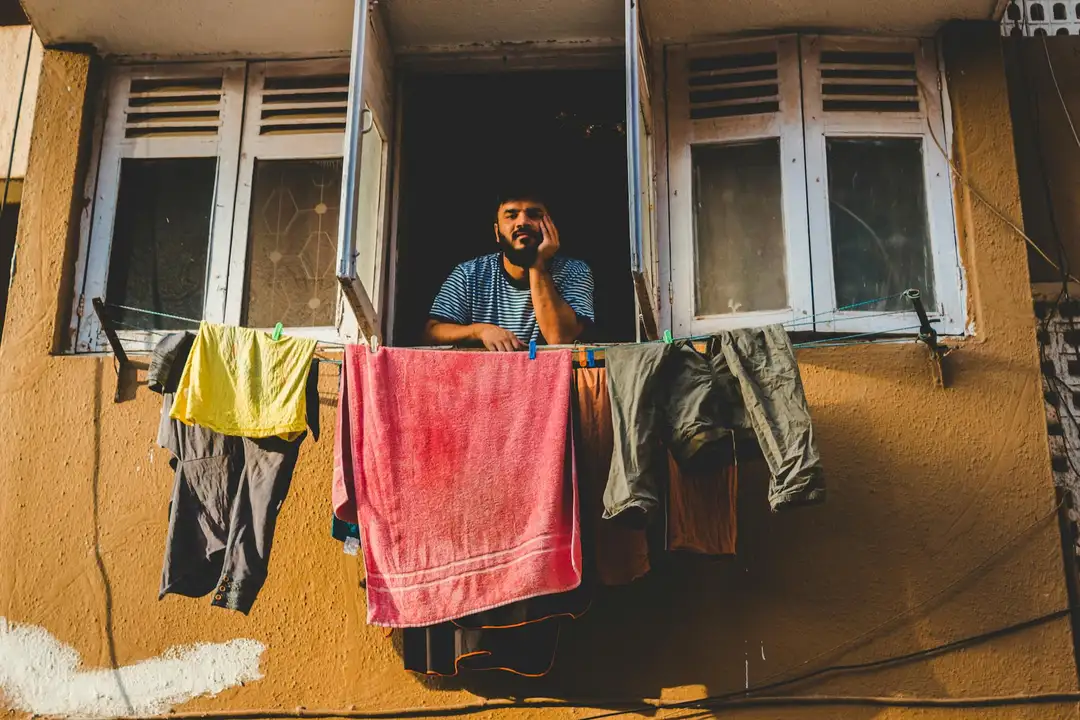
Modern clotheslines offer excellent function without becoming an eyesore. Retractable clotheslines are a top choice because they vanish when not in use, leaving your patio or deck clear. These models feature a slim wall-mounted case with a line that pulls out and secures to another point. Umbrella-style dryers are another fantastic option; they open for use and fold down into a single, slim pole. For townhomes or condos with small balconies, consider a wall-mounted folding rack. These racks hinge flat against the wall, taking up zero floor space. Many come in powder-coated finishes like black or bronze that look more like decorative wrought iron than laundry gear.
- Retractable Lines: Nearly invisible when stored; perfect for small spaces.
- Umbrella Dryers: Central pole design minimizes the footprint in a yard.
- Wall-Mounted Fold-Down Racks: Offer rigid drying space without permanent visual impact.
- Parachute Cord Alternatives: Replacing a plastic line with a dark brown or green cord can make it less noticeable.
Effective Indoor Drying Racks and Techniques
Drying clothes inside your home is a powerful way to bypass HOA rules entirely. Indoor drying adds welcome humidity during dry winter months and saves significant energy year-round. Look for tall, vertical drying racks that occupy a small footprint near a heat vent or in a laundry room. Hanging racks over a shower rod or a bathtub is another clever solution, containing any drips. To speed up drying and prevent mildew, ensure good air circulation by turning on a bathroom fan or placing a small fan nearby. For delicate items, a heated airer dries clothes quickly without high electricity costs. You can dry a full load of laundry in a spare room or basement without any impact on your home’s exterior.
Resolving Disputes Over Laundry and Property Rights

Formal Hearing Procedures for Homeowners
If your request to use a clothesline is denied, you have a right to a formal hearing with the HOA board. Prepare for this hearing by gathering all your supporting documents, including your written request and the board’s denial letter. Research any state “right to dry” laws that may override the HOA’s covenants. Write a clear, concise statement explaining how your proposed drying solution meets the community’s aesthetic standards. During the hearing, present your case calmly and stick to the facts. Ask the board to specify the exact rule that prohibits your request and discuss potential compromises. If the appeal is denied, there are often further review or mediation options available under the HOA’s architectural guidelines. An appeal-denied HOA architectural request is not the end—knowing the next steps will help you plan your path forward. The official meeting minutes will record your appeal, creating a vital paper trail.
When to Seek Mediation or Legal Counsel
Sometimes, an impasse with the HOA requires outside help. To handle a dispute with your HOA effectively, start by documenting all communications and keeping a clear timeline of events. This organized record helps you present your case calmly during mediation or negotiations. If the board refuses to engage in good-faith discussion, professional mediation is a cost-effective next step before considering a lawsuit. A neutral mediator can help both parties find a mutually acceptable solution. If your state has a “Solar Access” or “Right to Dry” statute, consult an attorney who specializes in community association law. They can determine if your HOA’s ban is legally enforceable. Legal action should be your last resort due to the high cost and strain on community relations. However, knowing your rights and the legal landscape empowers you to make the best decision for your household.
FAQs
Is there a federal Right to Dry law in the USA?
No, the United States does not have a federal Right to Dry law. Homeowners must rely on state-specific legislation or local ordinances for protection against HOA bans. In Florida and Texas HOA laws, new HOA laws are changing how HOAs operate. These reforms expand homeowner protections and clarify enforcement.
What are the Right to Dry laws in California?
California’s Right to Dry law allows clotheslines but permits HOAs to impose reasonable restrictions on their use. This often includes rules on placement and the requirement for retractable designs to address aesthetic concerns.
Does Virginia have any Right to Dry protections?
Virginia does not have a specific Right to Dry law, so HOAs can enforce clothesline bans under their covenants. Residents should review their HOA’s CC&Rs and explore any local sustainability ordinances for potential exceptions. HOAs have limited powers and must act within applicable laws and the covenants. If something seems unfair or beyond the HOA’s authority, residents can raise questions through the HOA process or seek legal guidance.
What are the rules for drying clothes outdoors in Texas?
Texas lacks a statewide Right to Dry law, making HOA rules the primary authority on clothesline use. Some Texas cities may have local ordinances that support eco-friendly drying, so checking municipal codes is essential, especially in conjunction with your HOA’s regulations.
Your Laundry, Your Rules
Navigating clothesline rules successfully means knowing your documents and approaching your board with a collaborative, solution-oriented mindset. With the right preparation, you can often find a compromise that honors your desire to save energy while respecting your community’s standards.
Further Reading & Sources
- Right to Dry – Clotheslines.com
- 19 ‘right to dry’ states outlaw clothesline bans; is yours among them?
- Right to Dry: Why Hanging Your Clothes Out to Dry Shouldn’t Be a Crime
- Clothesline Bans Void in 19 States | Sightline Institute
Brandon has been on both ends of HOA, as part of it, he has helped build his community in Oregon, while also helping other homeowners deal with typical and atypical issues one might face. He has 8+ years of experience dealing with HOAs himself and on behalf of his friends and family, and he brings his extensive expertise and knowledge to make your HOA interaction seamless and smooth.
Rights of Homeowners